

Women’s Health Screenings by Age: Which Checkups and Tests Matter Most?

Screening needs change from the teens and 20s through later life. Routine visits often include blood pressure, weight, vaccines, and lifestyle counseling.
Key Takeaways
- Screening needs change from the teens and 20s through later life.
- Routine visits often include blood pressure, weight, vaccines, and lifestyle counseling.
- Cervical, breast, bone, and colon screening are important milestones for many women.
- Personal risk factors such as family history, smoking, and chronic conditions may change the timing of tests.
- Preventive care works best when screening, vaccination, and healthy habits are combined.
Women’s health screenings by age are designed to find common health problems early, often before symptoms appear. The right checkups depend on age, family history, lifestyle, and personal risk factors, so screening plans should be reviewed regularly with a doctor.
Overview: Why women’s screenings matter at every age
Women’s health screenings by age are preventive tests and checkups used to look for disease before it causes noticeable symptoms. Early detection can make many conditions easier to manage and may reduce the risk of complications. Screening is not the same as diagnosis: a screening test looks for warning signs in people who feel well, while a diagnostic test is used when symptoms or an abnormal result need further evaluation.
Not every woman needs the same schedule. Age is important, but it is only one part of the picture. A doctor may recommend earlier, later, or more frequent testing based on family history, past test results, sexual health history, pregnancy plans, menopause status, smoking, body weight, blood pressure, and conditions such as diabetes or autoimmune disease.
Regular preventive visits also include more than laboratory tests or scans. They often cover mental health, sleep, nutrition, exercise, sexual wellbeing, contraception, vaccinations, and safety issues such as intimate partner violence. This whole-person approach helps women protect health over time, not only react when problems arise.
Core screenings many women need throughout adulthood
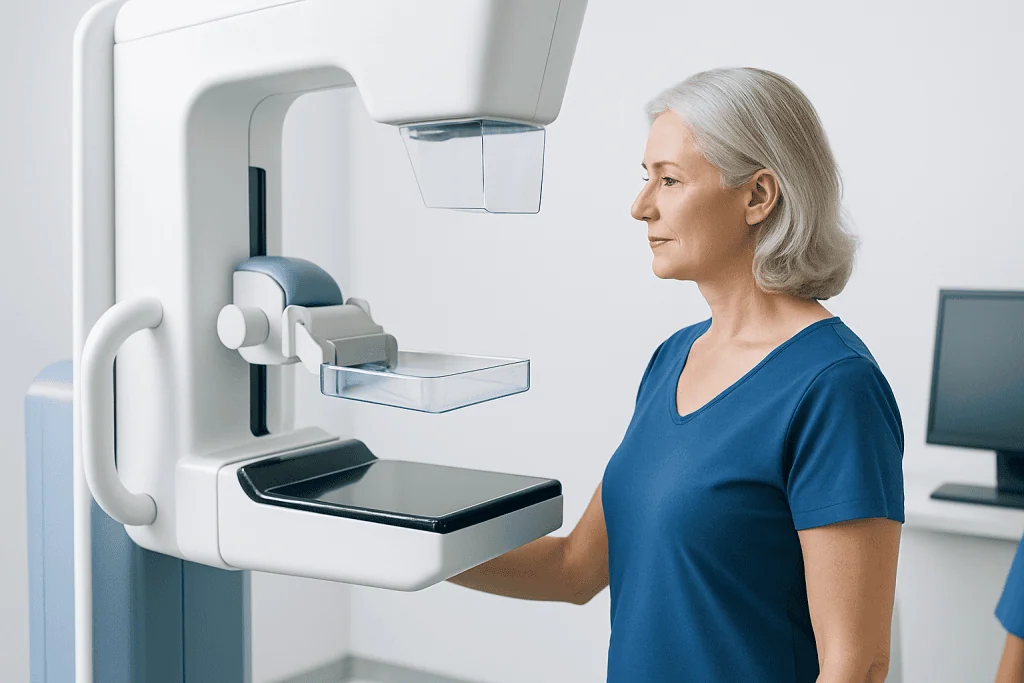
Some screenings are relevant across many age groups. Blood pressure should be checked regularly because high blood pressure often causes no symptoms but increases the risk of heart disease, stroke, and kidney problems. Height, weight, and body mass index may also be reviewed, along with counseling on healthy eating, physical activity, tobacco avoidance, alcohol use, and sleep habits.
Cholesterol and blood sugar testing are common parts of preventive care, especially if there are risk factors such as family history, excess weight, high blood pressure, gestational diabetes, or a sedentary lifestyle. Women may also be screened for depression, anxiety, and substance use, since emotional wellbeing is closely linked to physical health.
Vaccinations are another essential part of prevention. Depending on age and health status, a doctor may review vaccines for influenza, COVID-19, tetanus, HPV, shingles, pneumococcal disease, and others. Sexual health screening may include testing for sexually transmitted infections based on age, symptoms, pregnancy, or level of risk.
- Blood pressure: checked regularly
- Cholesterol and diabetes screening: based on age and risk
- Mental health screening: discussed during routine visits
- Vaccination review: updated as needed
- Sexual health screening: individualized
Teens, 20s, and 30s: building a foundation for lifelong health

In the teens and 20s, preventive care often focuses on education, sexual and reproductive health, menstrual concerns, skin health, and lifestyle habits that can influence long-term wellbeing. Routine visits may include blood pressure checks, weight review, mental health screening, and counseling about exercise, nutrition, sleep, and smoking or vaping. If a woman is sexually active, a doctor may discuss contraception, consent, STI prevention, and pregnancy planning.
Cervical cancer screening becomes important in early adulthood. The exact starting age and interval can vary according to national guidelines and whether testing is done with a Pap test, HPV test, or both. Women should follow the schedule advised by their clinician and should understand that pelvic exams and cervical screening are related but not identical; one does not automatically replace the other.
In the 30s, screening may expand depending on personal risk. Cholesterol, diabetes, thyroid concerns, and blood pressure deserve attention, especially if there is a family history or pregnancy-related risk such as preeclampsia or gestational diabetes. Women planning pregnancy may benefit from preconception counseling, while those with symptoms such as heavy periods, pelvic pain, or fertility concerns may need evaluation for conditions such as endometriosis or other gynecologic disorders.
40s and 50s: breast, cervical, and metabolic health come into focus
For many women, the 40s and 50s are a key time for breast cancer screening. Mammography is commonly recommended starting in midlife, but the exact starting age and testing interval differ among guideline groups and depend on personal risk. Women with a strong family history of breast or ovarian cancer, known genetic risk, or previous chest radiation may need earlier or more specialized screening. A doctor can help decide when mammography is most appropriate.
Cervical screening usually continues through these decades according to previous results and the testing method used. Even if a woman feels well, it is important not to skip these tests. Menstrual changes, abnormal bleeding, breast lumps, pelvic pain, or persistent bloating should not be assumed to be normal aging and may need medical review.
Metabolic and cardiovascular screening becomes especially important in midlife. Blood pressure, cholesterol, diabetes risk, and weight changes deserve close attention, particularly around perimenopause and menopause when hormone shifts may affect sleep, body composition, and heart health. Depending on symptoms and age, a clinician may recommend breast imaging, pelvic evaluation, or a comprehensive preventive check-up to review overall health risks.
60 and beyond: bone, colon, heart, and healthy aging
In later life, screening priorities often widen to include bone health, colorectal cancer, hearing and vision changes, memory concerns, and fall prevention. Bone density testing becomes important because women are at higher risk of osteoporosis after menopause. A scan such as bone density testing may be advised based on age, fracture history, medications, low body weight, or other osteoporosis risk factors.
Colorectal cancer screening is recommended for many adults beginning in midlife and continuing for a defined age range depending on health status and previous findings. Several methods may be available, including stool-based tests and colonoscopy. The best choice depends on personal risk, access, and willingness to complete testing at the recommended interval.
Heart and vascular health remain central in older age. Blood pressure, cholesterol, diabetes, kidney function, and medication review are often part of routine care. Doctors may also assess balance, cognition, mood, bladder symptoms, and vaccines for shingles, influenza, and pneumonia. Healthy aging is not only about detecting disease; it is also about maintaining mobility, independence, and quality of life.
How doctors decide which screening tests are right
Doctors use age-based guidelines as a starting point, but screening decisions are individualized. Family history can be especially important. A history of breast, ovarian, colon, or uterine cancer in close relatives may suggest inherited risk and prompt earlier screening or referral for genetic counseling. Smoking, obesity, low physical activity, and chronic illnesses can also change what is recommended.
Past results matter too. Someone who has had abnormal cervical screening, colon polyps, gestational diabetes, osteoporosis, or elevated cholesterol may need closer follow-up than the general population. Reproductive history also provides useful information, including age at menopause, number of pregnancies, history of miscarriage, and complications such as preeclampsia.
Shared decision-making is an important part of modern preventive care. Some screenings have benefits and limitations, including false-positive results, overdiagnosis, or the need for additional testing. A good discussion helps a woman understand why a test is being offered, how often it should be done, and what follow-up might be needed if a result is abnormal.
Prevention and self-care between checkups
Screenings are most effective when paired with healthy daily habits. Regular physical activity supports heart health, bone strength, balance, mood, and weight management. A balanced diet rich in vegetables, fruit, fiber, lean protein, and calcium-containing foods can help reduce long-term risk of chronic disease. Avoiding tobacco and limiting alcohol are among the most effective steps for prevention.
Sleep, stress management, and mental health care also deserve attention. Persistent fatigue, low mood, anxiety, and burnout can affect hormone balance, eating patterns, and blood pressure. Women should feel comfortable raising emotional or sexual health concerns during routine visits, as these are part of preventive care rather than separate issues.
Keeping records can help women stay on track. It is useful to know the dates and results of recent Pap or HPV tests, mammograms, bone density scans, colon screening, blood pressure readings, and vaccines. Near the end of a preventive care journey, some women may seek coordinated assessment at a specialty center; Acibadem International’s multidisciplinary specialists in JCI-accredited hospitals diagnose and treat women’s health conditions for international patients when more detailed evaluation is needed.
When to see a doctor sooner than scheduled
Screening appointments should not replace care for new symptoms. A woman should contact a doctor promptly if she notices a breast lump, nipple discharge, abnormal vaginal bleeding, bleeding after menopause, pelvic pain, unexplained weight loss, persistent bloating, blood in the stool, chest pain, severe headaches, or shortness of breath. These symptoms do not always mean something serious, but they should be evaluated rather than waiting for the next routine checkup.
Changes in menstrual cycles, sexual pain, unusual discharge, urinary problems, and hot flashes that disrupt daily life are also worth discussing. Some symptoms may be linked to hormone changes, infections, thyroid issues, fibroids, or other conditions that can be treated once identified. Women with new or worsening mood symptoms should also seek support, especially if stress, anxiety, or depression is affecting sleep, work, or relationships.
Preventive care works best when it is ongoing and personalized. Rather than focusing only on a single age milestone, women benefit from regular review of what screenings are due now, what may be needed next, and which lifestyle changes can lower future risk. A trusted clinician can help translate general guidelines into a plan that fits the individual.
Frequently asked questions
At what age should women start regular health screenings?
Preventive care begins in adolescence, but the types of screening change with age. Blood pressure, mental health, vaccines, and reproductive health may be reviewed early, while tests such as cervical screening, mammograms, and bone density scans are usually added later based on age and risk.
How often should a woman have a checkup?
Many women benefit from routine preventive visits at regular intervals, but the exact schedule depends on age, health history, medications, and risk factors. A doctor may recommend more frequent visits if there are chronic conditions, abnormal test results, or new symptoms.
Do all women need the same screenings at the same age?
No. Screening plans are individualized and may change based on family history, genetics, smoking, weight, pregnancy history, menopause, and previous test results. That is why guideline-based care should always be tailored by a qualified clinician.
What is the difference between a Pap test and an HPV test?
A Pap test looks for abnormal cells on the cervix, while an HPV test looks for high-risk types of human papillomavirus that can lead to cervical cancer. Depending on age and local guidelines, one or both tests may be used for screening.
When do mammograms usually start?
Mammogram timing varies among medical guidelines and depends on personal risk. Many women begin breast cancer screening in midlife, while those with higher risk may need to start earlier or have additional imaging after discussing options with a doctor.
Why is bone density screening important for older women?
Bone density screening helps detect osteoporosis, a condition that weakens bones and raises the risk of fractures. It becomes more important after menopause because falling estrogen levels can speed bone loss, often without obvious symptoms.
References
- World Health Organization
- U.S. Preventive Services Task Force
- American College of Obstetricians and Gynecologists
- Centers for Disease Control and Prevention
- National Institute on Aging
This article is for general information only and is not a substitute for professional medical advice. Please consult a qualified doctor about your individual situation.
Explore treatments in Turkey — costs, top hospitals & a free quote
JCI-accredited · board-certified surgeons · reply within 24h
Add us as a Preferred Source to see more of our trusted health content across Google Search, AI Overviews and Discover.
Check your numbers in seconds
BMI, calories, due date, blood pressure and 30+ more clinical calculators — free, instant, doctor-reviewed ranges.

More from the Health Library



Related Specialists

Prof. Dr. Dilek Biyik Özkaya
Dermatology
Assoc. Prof. Dr. Yasemin Koyuncu
Dermatology
Assoc. Prof. Dr. Mine Yavuz Taşlipinar
Clinical Laboratory
Dr. Semih Yazla
Otorhinolaryngology