Worst Days after Chemo Treatment: How It Works, Results and What to Expect
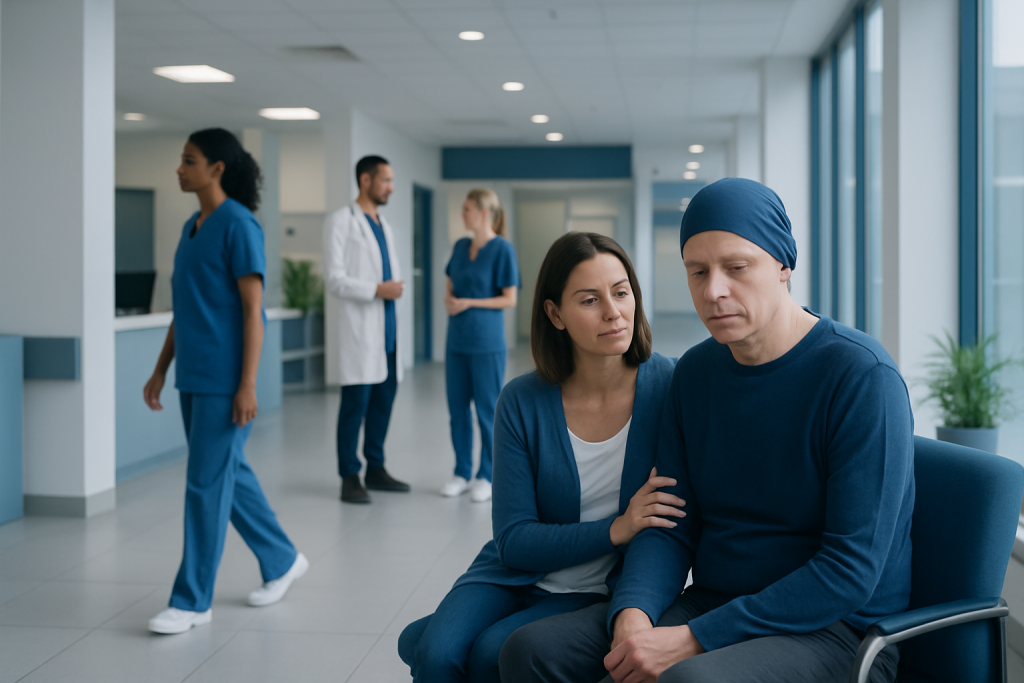
Many chemotherapy side effects are most noticeable in the days immediately following an infusion, although some occur later in the cycle. Blood counts may fall 7 to 14 days after certain chemotherapy regimens, increasing the importance of monitoring for fever or infection symptoms.
Key Takeaways
- Many chemotherapy side effects are most noticeable in the days immediately following an infusion, although some occur later in the cycle.
- Blood counts may fall 7 to 14 days after certain chemotherapy regimens, increasing the importance of monitoring for fever or infection symptoms.
- Feeling unwell does not show whether chemotherapy is or is not working; response is assessed through examinations, tests, and imaging.
- Symptoms can often be prevented or reduced with supportive medicines, nutrition support, rest, hydration, and early communication with the oncology team.
- A temperature of 38°C (100.4°F) or higher during chemotherapy needs urgent medical advice unless the care team has given different instructions.
The worst days after chemo treatment are commonly the first several days after an infusion, often around days 2 to 7, when fatigue, nausea, appetite changes, and bowel symptoms may be most noticeable. However, each chemotherapy regimen, cancer type, and person’s response is different, so the oncology team can provide the most reliable timeline for an individual treatment plan.
Overview: when are the worst days after chemo treatment?
For many people, the worst days after chemo treatment are between about 2 and 7 days after an infusion. This is when short-term effects such as nausea, tiredness, taste changes, reduced appetite, constipation, diarrhoea, or body aches may be most apparent. Some people feel symptoms on the day of treatment, while others feel relatively well at first and notice changes over the following days.
There is no single chemotherapy timeline that applies to everyone. The type and dose of medicines, how they are given, the length of each cycle, other treatments, and a person’s general health all affect the experience. Some effects, particularly low blood cell counts, may occur later—often around 7 to 14 days after treatment—before improving as the next cycle approaches.
Chemotherapy is a systemic cancer treatment: medicines travel through the bloodstream to damage or stop the division of cancer cells. Because some healthy cells also divide quickly, including cells in the digestive tract, hair follicles, bone marrow, and mouth lining, side effects can occur. Modern supportive care can prevent or ease many of these effects, and symptoms should be shared promptly with the oncology team.
How chemotherapy works and who may receive it
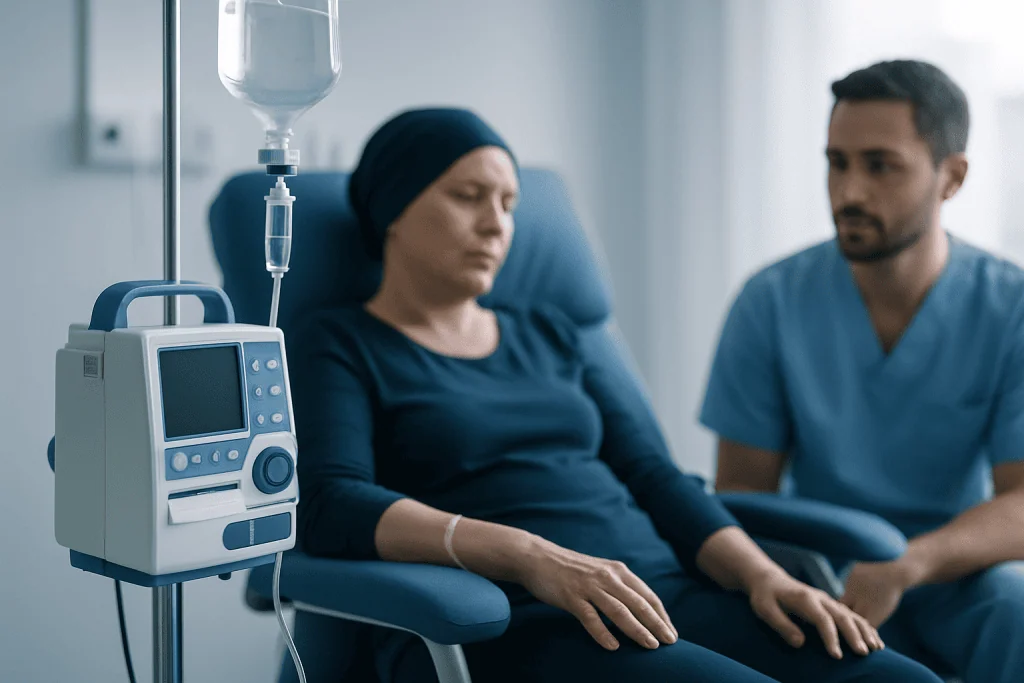
Chemotherapy uses one medicine or a combination of medicines to treat cancer. Depending on the diagnosis, it may be used before surgery to shrink a tumour, after surgery to lower the chance of cancer returning, alongside radiation therapy, or as the main treatment for cancer that has spread. It may also be used to control cancer growth and relieve cancer-related symptoms.
Whether chemotherapy is appropriate depends on the specific cancer, its stage and biological features, previous treatments, overall health, kidney and liver function, blood counts, and personal treatment goals. Chemotherapy is not the best approach for every cancer or every person; targeted therapy, immunotherapy, hormone therapy, surgery, radiation therapy, or active monitoring may be considered instead or in combination.
Before treatment begins, the team reviews expected benefits, possible risks, fertility considerations, current medicines, allergies, and practical support needs. A personalized plan may include chemotherapy treatment together with other cancer therapies, with regular review throughout treatment.
What happens during a chemotherapy cycle?
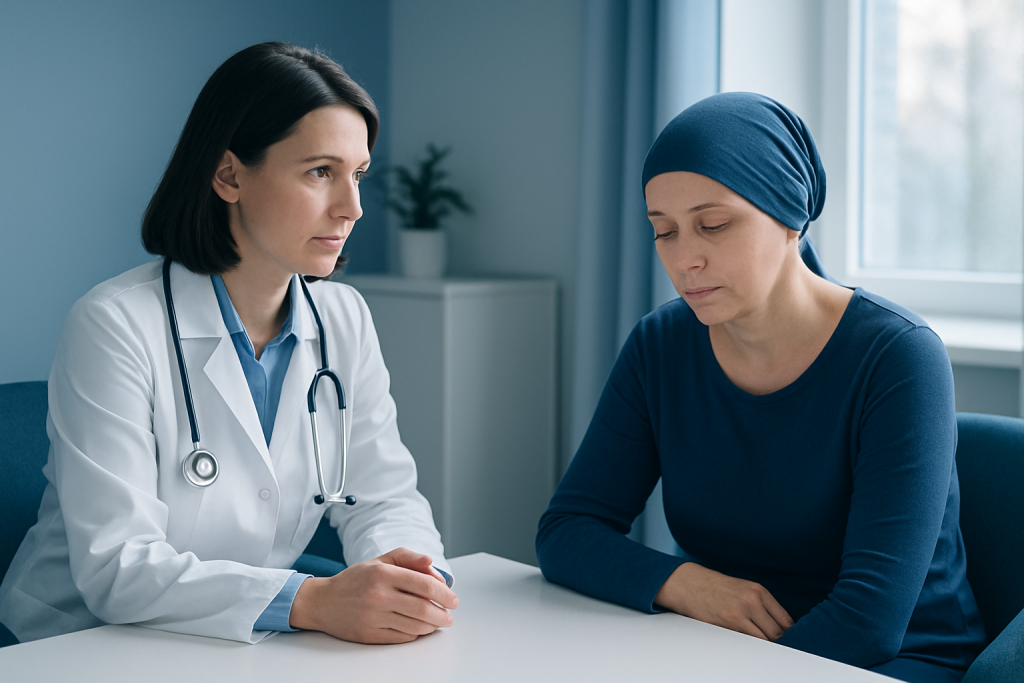
A chemotherapy cycle includes treatment days and a planned recovery period. Some medicines are given through a vein in an infusion unit, while others are taken by mouth at home. Treatment may take minutes or several hours, depending on the regimen, and cycles can be weekly, every two or three weeks, monthly, or follow another schedule.
Before each cycle, clinicians commonly check symptoms, weight, vital signs, and blood test results. The dose or schedule may be adjusted if blood counts are low, side effects are severe, or organ function has changed. Such adjustments are a routine part of safe cancer care and do not automatically mean treatment has failed.
During the infusion, nurses monitor for immediate reactions. People may receive medicines to prevent nausea, allergic reactions, or other predictable effects before chemotherapy starts. After leaving the treatment unit, the team provides instructions on prescribed supportive medicines, hydration, food choices, activity, temperature checks when advised, and contact details for urgent concerns.
The pattern across a cycle can be useful, but it is only a guide. Keeping a simple symptom diary—recording the day symptoms begin, their severity, food and fluid intake, bowel movements, temperature, and medicines taken—can help the oncology team tailor support for future cycles.
How many days after chemo do you feel the worst?
Many people feel the worst approximately 2 to 7 days after chemotherapy, but the range is broad. Nausea can begin within hours or be delayed for several days. Fatigue may build gradually, and bowel changes can occur at different points depending on the medicines used and supportive drugs such as anti-nausea medicine or pain relief.
For some regimens, the later part of the cycle can feel harder because white blood cell counts fall after treatment. This period, sometimes called the nadir, often occurs around 7 to 14 days after chemotherapy, although the exact timing varies. Low white blood cells may not cause symptoms by themselves, but they can make infections more serious.
Symptoms generally improve as the body recovers before the next scheduled cycle, although not every side effect follows this pattern. Nerve symptoms in the hands and feet, changes in hearing, fatigue, skin changes, and some cognitive symptoms can persist or accumulate. The care team should be informed about any symptom that is new, worsening, or interfering with daily life.
What week of chemo is the hardest?
There is no universally hardest week of chemotherapy. In a two- or three-week cycle, the first week may be most difficult for immediate side effects, while the second week may require the most caution for infection risk if white blood cell levels are at their lowest. The final days before a new cycle are often a recovery period, but this varies considerably.
Across several cycles, some people find later cycles more tiring because treatment-related fatigue and certain side effects can accumulate. Others find later cycles easier because they and their care team have learned which supportive measures work best. Dose changes, a different anti-nausea plan, hydration, nutritional support, or changes in treatment timing may improve tolerability.
Emotional demands can also make a particular week feel harder. Waiting for test results, arranging travel, managing work or family responsibilities, and changes in appearance may add to the physical effects. Asking for practical and emotional support is an important part of treatment, not a sign of failing to cope.
What are good signs that chemo is working?
Symptoms alone are not a dependable way to tell whether chemotherapy is working. Feeling tired, nauseated, losing hair, or having other side effects does not prove that cancer is responding, and having few side effects does not mean treatment is ineffective. Side effects reflect the body’s response to treatment, not the amount of cancer cell destruction.
Clinicians assess response using methods appropriate for the cancer type and treatment goal. These may include physical examinations, blood tests, tumour markers when they are meaningful for that cancer, imaging scans, and sometimes pathology results after surgery. For cancers that caused pain, bleeding, cough, or pressure symptoms, improvement in those symptoms can be encouraging, but it still needs clinical confirmation.
Response assessments are usually scheduled after a certain number of cycles rather than immediately after each infusion. The oncology team can explain what results they are monitoring and when they expect to review progress. This helps avoid drawing conclusions from day-to-day symptoms.
Does each round of chemo make you sicker?
Not necessarily. Some people have a similar pattern after each cycle, while others develop more fatigue or particular side effects over time. Certain effects, such as numbness or tingling in the fingers and toes, nail or skin changes, mouth soreness, and reduced stamina, may become more noticeable with repeated treatment. Other effects can improve once preventive medicines and routines are adjusted.
People should not assume that worsening symptoms are inevitable or that they must simply endure them. Early reporting allows the oncology team to assess possible causes and offer supportive care. Options may include medicines for nausea, bowel symptoms, pain, sleep, or infection prevention; dietary advice; fluids; blood count monitoring; treatment breaks; or changes to dosage or scheduling when clinically appropriate.
Resting is helpful, but gentle movement within a person’s abilities can support energy, mood, sleep, and muscle strength. Small, frequent meals and regular sips of fluid may be easier than large meals during difficult days. The care team should be asked before using vitamins, herbal products, or over-the-counter remedies, as some can interact with cancer treatment.
Benefits, risks, self-care, and when to seek medical care
The potential benefit of chemotherapy is to treat or control cancer in a way that supports the individual treatment goal. Risks depend on the medicines used but may include infection from low blood counts, nausea and vomiting, fatigue, hair loss, mouth sores, diarrhoea or constipation, bruising or bleeding, nerve changes, fertility effects, and effects on organs such as the heart, kidneys, liver, or lungs. The oncology team monitors for these risks and explains those most relevant to the planned regimen.
At home, people can support recovery by taking prescribed medicines as directed, drinking fluids regularly if permitted, choosing nourishing foods they can tolerate, prioritizing sleep, practicing careful hand hygiene, and avoiding close contact with people who are unwell when blood counts may be low. Food safety is also important; the team can advise on precautions based on the person’s immune status.
When to seek medical care: Contact the oncology team urgently for a temperature of 38°C (100.4°F) or higher, chills, new confusion, shortness of breath, chest pain, uncontrolled vomiting, inability to keep fluids down, severe diarrhoea, unusual bleeding, severe abdominal pain, or rapidly worsening weakness. People should follow their own treatment center’s emergency instructions, as these may be more specific for their regimen.
Acibadem International’s multidisciplinary specialists and JCI-accredited hospitals support international patients receiving cancer care, including treatment planning and management of chemotherapy-related effects. Individual concerns should always be discussed directly with the treating oncology team.
Frequently asked questions
Can chemo side effects start days after treatment?
Yes. Some chemotherapy side effects begin on the treatment day, while others are delayed by several days. Delayed nausea, fatigue, appetite changes, bowel symptoms, and low blood counts can occur at different points in a cycle depending on the medicines used.
Why do blood counts drop after chemotherapy?
Chemotherapy can temporarily affect the bone marrow, where blood cells are made. White blood cells, red blood cells, and platelets may decrease after treatment and then recover before the next cycle. Blood tests help the oncology team monitor this recovery.
Should a person take a fever-reducing medicine for a fever during chemotherapy?
A fever during chemotherapy should be reported urgently before trying to manage it at home, unless the oncology team has given different instructions. Fever-reducing medicines can mask a fever and may delay recognition of a serious infection. The treating team can advise on the safest next step.
Can chemotherapy be delayed because of side effects?
Yes. A cycle may be postponed, adjusted, or occasionally changed if blood counts are low or side effects require recovery time. These decisions are made to protect safety while maintaining the best possible cancer treatment plan.
Is it normal to feel emotionally low after chemotherapy?
It is common to experience worry, sadness, irritability, or emotional exhaustion during chemotherapy. Physical fatigue, disrupted routines, uncertainty, and treatment-related hormonal or sleep changes can all contribute. Speaking with the oncology team can help connect a person with counseling, support groups, or other resources.
How can family members help during the difficult days after chemo?
Family members can help with meals, fluids, medicines according to the written plan, transport, household tasks, and watching for symptoms that need medical advice. Listening without pressure and respecting the person’s need for rest can also be valuable. They should know the treatment center’s urgent contact instructions.
References
- National Cancer Institute
- American Cancer Society
- American Society of Clinical Oncology
- Centers for Disease Control and Prevention
- European Society for Medical Oncology
This article is for general information only and is not a substitute for professional medical advice. Please consult a qualified doctor about your individual situation.
Persistent digestive symptoms? Get evaluated in Turkey
JCI-accredited · board-certified surgeons · reply within 24h
Add us as a Preferred Source to see more of our trusted health content across Google Search, AI Overviews and Discover.