

How to Prepare for Your Pre-Anesthesia Assessment in Turkey

To prepare for your pre-anesthesia assessment in Turkey, gather recent test results, specialist letters and a complete medication and allergy list before you travel. Be ready to discuss chronic conditions, past anesthesia experiences and habits such as smoking. Follow your hospital's fasting and medicine instructions exactly, arrange interpreter support early if you need it, and leave the appointment with written instructions for procedure day.
The pre-anesthesia assessment is the safety checkpoint before your procedure. It is where the anesthesia team learns who you are as a patient, your history, your medicines, your previous experiences with anesthesia, and turns that into a plan for the day of your operation.
If you are travelling from abroad, this appointment carries extra weight. The team in Turkey has not treated you before, so the quality of what you bring and what you say largely decides how smooth the appointment is. This guide explains how to prepare for your pre-anesthesia assessment in Turkey: what to gather at home, what the team will ask, how fasting rules work, and what to sort out before you leave the room.
At a glance
- When to start preparing: One to two weeks before travel, so records and translations are ready
- What to bring: Passport, appointment confirmation, medical reports, test results, a complete medication list, allergy details
- Main purpose: A safety review of your health history so the anesthesia plan fits you
- Always mention: Previous anesthesia problems, chronic conditions, smoking or vaping, supplements, sleep apnoea, loose teeth or dental work
- Food and drink: Follow your hospital’s written fasting instructions exactly: they override any general rule
- Support available: Interpreter support and international patient coordination at hospitals that treat overseas patients
What your pre-anesthesia assessment is for
A pre-anesthesia assessment is a structured safety review carried out before any procedure that involves sedation or anesthesia. Its job is simple to state and detailed in practice: the anesthesiologist needs to understand your medical history, your current medicines, your allergies, and anything in your body or your past that could affect how anesthesia is given and monitored.
It is not an exam you can fail, and it is not a formality. The information you provide shapes real decisions, which drugs are suitable, how your airway will be managed, whether extra monitoring is planned, and whether any additional checks should happen first. Patients sometimes assume the surgeon’s consultation covers all of this. It does not. Anesthesia is planned separately, by the team responsible for keeping you stable while the procedure happens.
For international patients, the assessment has a second function: it is the moment your records from home meet your treating team in Turkey. When you prepare for your pre-anesthesia assessment in Turkey properly, the appointment becomes a confirmation exercise rather than a scramble to reconstruct your history from memory. Small details matter, a recent chest infection, an old jaw problem, a herbal supplement you take daily, and each one is easier to handle when it is written down in advance. If your procedure involves going fully to sleep, it also helps to read about what happens before you sleep under general anesthesia in Turkey, so the two appointments fit together in your mind.
What to gather before you leave for Turkey
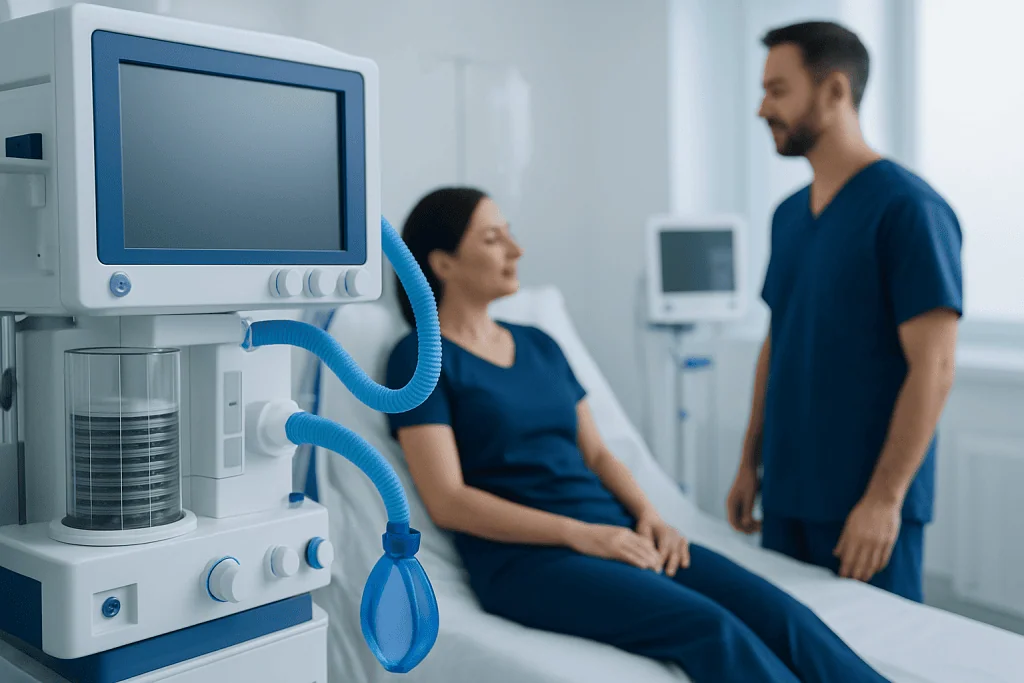
Most of the work to prepare for your pre-anesthesia assessment in Turkey happens at home, before your flight. Start with identity and administrative documents: your passport, your hospital appointment confirmation, and any insurance or payment paperwork that applies to your case. Then build your medical file. If your records are in another language, ask the hospital in advance which documents need translation and which can be reviewed as they are: a translated one-page summary of key points is often more useful than a full translated file.
| Document | Why the anesthesia team wants it |
|---|---|
| Recent blood test results | Shows your current baseline; may avoid repeating tests |
| ECG and cardiac reports, if you have them | Heart rhythm and function influence anesthesia planning |
| Imaging reports (chest, neck, spine where relevant) | Helps with airway and positioning decisions |
| Letters from your regular doctor or specialists | Confirms diagnoses and how stable your conditions are |
| List of previous surgeries and anesthetics | Past experiences guide the choice of technique and drugs |
| Complete medication and allergy list | The single most consulted document in the appointment |
Your medication list deserves the most care, because approximate answers are not good enough here. Include prescription medicines, over-the-counter painkillers, injections, blood thinners, diabetes medicines, weight-loss injections, inhalers, vitamins and herbal products, with the dose, how often you take each one, and when you last took it. Patients often leave supplements off the list because they do not think of them as medicines; the anesthesia team does. There is a separate guide on how to prepare a medication list for treatment in Turkey that walks through the format step by step.
- Bring printed copies as well as digital copies on your phone or in your email.
- List every allergy and describe the reaction if you know it, rash, swelling, breathing difficulty, nausea. The reaction matters as much as the name.
- Note anything you rely on day to day: glasses, hearing aids, a CPAP machine, dentures, mobility aids. These describe your normal baseline.
- Include emergency contact details and the name of any companion travelling with you.
Health details you should always mention

Patients sometimes worry about saying the wrong thing at this appointment. The real risk runs the other way: leaving things out. Anesthesiologists plan around what they know, so an omitted detail is a blind spot. Nothing you say here is judged: the questions about smoking, alcohol and drug use are asked of everyone, for pharmacological reasons, not moral ones.
Always mention any previous problem during or after anesthesia: severe nausea, breathing difficulty, delayed waking, unexpected awareness, a difficult intubation, or a family member who reacted badly to an anesthetic. Even an event from decades ago is relevant, because some reactions run in families and some airway features do not change.
Be equally open about the everyday details that affect anesthesia more than most people expect: smoking or vaping, alcohol intake, recreational drug use, snoring and sleep apnoea, reflux and heartburn, the possibility of pregnancy, loose teeth, crowns, bridges, dentures, jaw stiffness, and any recent fever, cough or stomach illness. A loose tooth sounds trivial until you understand that airway instruments pass close to it. Reflux sounds minor until you understand how fasting rules are built around it.
For chronic conditions, high blood pressure, heart disease, diabetes, asthma, epilepsy, thyroid, kidney or liver diseasethe team wants to know two things: what you have, and how stable it currently is. A condition that has been steady for years is planned around differently from one that changed last month. Where a case needs another specialist’s input before the procedure, the hospital coordinates that review so the anesthesia plan and the specialist opinion sit in the same file.
Medicines, fasting, and the 2-4-6 rule
Two rules sit at the centre of pre-procedure preparation, and both are strict for good reason.
Medicines. Never stop, start or adjust a prescribed medicine on your own before a procedure. Which medicines continue and which pause is a clinical decision that depends on the drug, the procedure and your conditions, and it belongs to your treating team, not to a guide. This matters most for blood thinners, diabetes medicines, steroids and heart or blood pressure treatment, where both continuing and stopping carry consequences. Bring your list, ask the question at the assessment, and write down the answer.
Fasting. An empty stomach protects your airway while you are unconscious, which is why fasting instructions are followed exactly, not roughly. You may have heard of the 2-4-6 rule: as a general clinical shorthand, clear fluids are typically stopped two hours before anesthesia, breast milk four hours before, and solid food or formula six hours before. It is a useful way to understand why the instructions look the way they do, but it is a shorthand, most often used in paediatric practice, and your hospital’s written instructions always override it. Timing can differ with your procedure, your health conditions and the type of anesthesia. If you are unsure whether water, coffee, chewing gum or a morning tablet counts, ask directly rather than guessing.
Plan the day before your procedure with the same care. Avoid heavy meals, excess alcohol and ambitious sightseeing that leaves you tired or dehydrated. Keep your phone on for scheduling messages, and pack your hospital bag the night before.
What happens during the assessment appointment
The appointment usually has three parts, though not every patient needs all three to the same depth.
The conversation
You will talk with an anesthesiologist or another member of the perioperative team. Expect questions about previous operations and anesthetics, current symptoms, medications, allergies, smoking and alcohol, exercise tolerance (how far you can walk, whether stairs leave you breathless), recent infections, and, for women of childbearing age, the possibility of pregnancy. Exercise tolerance questions surprise some patients, but they are one of the most useful ways the team gauges how your heart and lungs will cope with anesthesia.
The examination
Basic checks are common: blood pressure, pulse, weight, oxygen levels, and a look at your heart, lungs and airway. The airway examination, opening your mouth, moving your jaw and neck, helps the team plan how to keep you breathing safely while you are asleep. This is also when dental work and loose teeth are checked.
Tests, only where needed
Blood tests, an ECG or other investigations may be arranged, but not every patient gets the same set. Testing is matched to your age, your conditions and your procedure; a healthy patient having a minor procedure may need very little. The team also uses a standard grading of overall health, you may hear it called an ASA classification, to describe how your general condition feeds into the anesthesia plan. If tests are ordered, the guide on preparing for blood tests, scans and pre-op checks at Acibadem explains how those appointments run.
The whole assessment often takes well under an hour when your records are complete; it runs longer when documents are missing or tests are added on the day, which is exactly why the preparation described above pays off. If English is not your first language, ask for interpreter support when the appointment is booked rather than on the day. Hospitals that treat overseas patients routinely arrange language support, which makes both the questions and the written instructions easier to work with.
Practical tips for international patients in Istanbul or elsewhere in Turkey
Give yourself buffer time. Arriving in Turkey the evening before an early-morning assessment leaves no room for flight delays, travel fatigue or an extra test. If your schedule allows, keep a clear day between landing and your appointment, and be mentally prepared for the plan to shift, because pre-procedure schedules sometimes do. The guide on handling unexpected test or treatment changes in Turkey is worth reading before you travel for exactly this reason.
Keep logistics simple. Save the hospital address in your phone exactly as the hospital provides it, confirm the building or campus name (large hospital groups have more than one site in a city), and check travel time during likely traffic hours. Istanbul traffic is genuinely unpredictable; aim to arrive early rather than on time. Bring your documents in one folder, wear comfortable clothing, and pack a phone charger.
If a companion is travelling with you, make sure they know your schedule and your instructions too, after sedation or anesthesia, having someone with you stops being optional for many procedures, and it helps if they have understood the plan from the start. The guide on when you need someone with you after sedation or anesthesia in Turkey explains what that role involves. International patient coordinators can also help with transport planning and accommodation guidance, which takes several small decisions off your plate during treatment week.
Questions to ask before you leave the appointment
The assessment is a two-way appointment, and the last ten minutes are yours. Before you leave, make sure you can answer these questions yourself:
- Exactly when do I stop eating, and when do I stop drinking clear fluids?
- Which of my medicines do I take on the morning of the procedure, and which do I pause, and with how much water?
- What time do I arrive, where do I report, and what do I bring?
- Does a companion need to come with me, and will they need to stay?
- What should I do if a new illness, a missed dose or a travel delay changes things before procedure day, and who do I inform?
- How will language support work on the day itself, in the operating area and the recovery room?
Leave with written instructions, not just spoken ones. A patient who walks out with a fasting time, a medicine plan and a clear timeline on paper has removed most of the common day-of-surgery confusion in advance. It also helps to know what the hours after the procedure look like: the guide on the recovery room after general anesthesia in Turkey covers that stage.
Step by step
- Collect your medical records at home. Gather recent test results, specialist letters, imaging reports and a summary of past surgeries and anesthetics. Keep printed and digital copies so nothing depends on a single folder or a single phone battery.
- Build a complete medication and allergy list. Every medicine, supplement, injection and inhaler, with dose and timing. Add every allergy with the reaction described: the reaction guides the plan as much as the name does.
- Write down your anesthesia history. Previous problems during or after anesthesia, difficult intubations, family members who reacted badly to anesthetics, and dental work such as crowns, bridges or loose teeth.
- Sort translation and interpreting early. Ask which documents need translating before travel, and request interpreter support when the appointment is booked rather than on the day.
- At the assessment, confirm fasting and medicine instructions in writing. Do not assume general rules apply to you: the same procedure can carry different instructions for different patients. Ask, and keep the written answer with your travel documents.
- Plan procedure day logistics before leaving the room. Arrival time, exact location, companion requirements, and how changes to the plan are handled. Then pack your hospital bag the night before, not the morning of.
Your checklist
- Passport and hospital appointment confirmation
- Printed and digital copies of medical reports and test results
- Full medication list with doses, timing and last dose taken
- Written allergy list with reaction details
- Notes on previous anesthesia or surgery problems, yours and your family’s
- List of chronic conditions and the doctors who manage them
- Notes on dental work, CPAP use, hearing aids, glasses or mobility aids
- Interpreter request made in advance if you are not fully comfortable in English or Turkish
- Written fasting instructions and medicine plan for the day before and the morning of your procedure
- Companion details and a transport plan for after the procedure
Key takeaways
- The pre-anesthesia assessment exists for safety and planning: the more complete your information, the better the plan fits you.
- Your medication and allergy list is the single most important document you bring; make it exact, not approximate.
- Never adjust prescribed medicines on your own before a procedure; which ones continue is your treating team’s decision.
- Fasting instructions are written for you specifically and override any general rule, including the 2-4-6 shorthand.
- Mention everything: past anesthesia problems, chronic conditions, smoking, sleep apnoea, dental work, recent infections, omissions create blind spots, not shortcuts.
- Leave the appointment with written instructions, a clear timeline, and interpreter arrangements already made for procedure day.
Frequently asked questions
What questions are asked during a pre-anesthesia evaluation?
Expect questions about previous operations and anesthetics, current medicines and supplements, allergies and the reactions they cause, chronic conditions and how stable they are, smoking, vaping and alcohol use, snoring or sleep apnoea, reflux, recent infections, dental work, and how much physical activity you can manage without breathlessness. Women of childbearing age are usually asked about the possibility of pregnancy. All of it is routine and asked of every patient.
How long does a pre-anesthesia assessment take?
It varies. When your records are complete, the conversation and basic checks often take well under an hour. It runs longer if documents are missing, if translation is needed on the spot, or if blood tests, an ECG or other investigations are added the same day. Arriving with organised, translated records is the single best way to keep the appointment short.
What is the 2-4-6 rule for anesthesia?
It is a common clinical shorthand for fasting before anesthesia: clear fluids stopped two hours before, breast milk four hours before, and solid food or formula six hours before. It is used most often in paediatric practice and helps explain why fasting instructions are structured the way they are. It is not a substitute for your hospital’s written instructions, which are set for your specific procedure and health and always take priority.
What is included in the preoperative assessment for anesthesia?
Typically: a detailed conversation about your history and medicines, basic physical checks such as blood pressure, pulse, weight and oxygen levels, an airway examination of your mouth, teeth, jaw and neck, and, only where your age, conditions or procedure call for them, tests such as blood work or an ECG. The team then grades your overall health, plans the anesthesia technique, and gives you fasting and medicine instructions for procedure day.
Do I need a pre-anesthesia assessment if I already had tests in my home country?
Usually, yes. Tests from home are genuinely useful and can reduce what needs repeating, but the team in Turkey still needs to review your current condition and build the anesthesia plan for your specific procedure. Some results may also need confirming or updating if they are older or incomplete. Bring everything you have: it shortens the process even when it does not replace it.
Should I stop my usual medicines before the assessment or procedure?
Do not stop, start or change any prescribed medicine on your own. Which medicines continue and which pause before a procedure depends on the drug, the procedure and your conditions, and that decision belongs to your treating team. Bring an exact list to the assessment, ask the question directly, and keep the answer in writing: this is one of the most important outcomes of the appointment.
Can I eat or drink before the pre-anesthesia assessment itself?
Often yes, unless the hospital has told you otherwise because same-day tests are planned, some blood tests require fasting. The strict fasting rules apply to the procedure day itself, not usually to the assessment appointment. If your appointment instructions do not say, ask when the appointment is confirmed rather than relying on general advice.
What if my records are not in English?
Ask in advance which documents need translation and which can be reviewed as they are. A translated one-page summary of your key diagnoses, surgeries, medicines and allergies is often more valuable than a fully translated file. International patient coordinators can tell you what is essential for your specific procedure before you spend money translating everything.
Add us as a Preferred Source to see more of our trusted health content across Google Search, AI Overviews and Discover.

Update history
- PublishedJuly 6, 2026
- Medical review approvedSeptember 13, 2026
- Last content updateSeptember 12, 2026
References3
- NHS: Before you have an operation nhs.uk
- StatPearls: Preoperative Evaluation (NCBI Bookshelf) ncbi.nlm.nih.gov
- Cleveland Clinic: Anesthesia my.clevelandclinic.org
More Patient Guides

How Long Does Anesthesia Last? Wear-Off Times by Type
Coming round from an operation, almost everyone asks the same two questions: when will my head feel normal, and how long is…

Flying to Turkey After a Recent Illness: When Is It Safe to Travel?
Flying to Turkey after a recent illness may be safe once you are medically stable and cleared to travel; plan airline support…

Braces, Retainers, and Dental Work Before Surgery in Turkey: What to Tell Your Team
Braces, retainers and dental work before surgery in Turkey should be shared with your care team early to plan safe anaesthesia and…

When to Stop Eating, Drinking, or Smoking Before a Procedure in Turkey
When to stop eating before a procedure in Turkey depends on your anesthesia plan; follow your care team’s exact fasting instructions for…