

How to Prepare Your Home Before Returning from Treatment in Turkey

Start setting up your home one to two weeks before you fly back. Choose one main resting area with water, phone, medicines and documents within reach, clear trip hazards, and stock easy meals for the first week. Keep your discharge summary and prescriptions together, set medication alarms for the time-zone change, and arrange someone to help on arrival day.
Who is picking you up at the airport, and what will you find when you open your front door? Those two questions matter more than most people expect. After a flight home, ordinary jobs like cooking, carrying bags or climbing stairs can feel far harder than usual.
A little planning before you fly makes your first days back much easier. This guide helps you set up a safe, comfortable home, organize supplies, and prepare for follow-up after treatment in Turkey.
At a glance
- Best time to prepare: Start 1-2 weeks before your return
- Main goal: Make your first 7-14 days at home simple and low-stress
- What to organize: Mobility, meals, medications, hygiene, and follow-up
- Who should help: A family member, friend, or caregiver if possible
- Useful documents: Discharge summary, prescriptions, scans, and contact details
Why home preparation matters before you leave Turkey
When you return home after treatment, even ordinary tasks can feel more tiring than usual. Climbing stairs, carrying shopping bags, cooking, bathing, or remembering medicines may take more effort in the first few days. Preparing your home in advance helps you protect your energy for recovery instead of spending it on avoidable problems.
Your needs will depend on the treatment you had, how mobile you are, and whether you are traveling alone or with support. In general, it helps to think about three things: safety, comfort, and routine. If your first days at home are easy to manage, you are more likely to rest well, eat regularly, take medicines correctly, and notice early if something needs medical attention.
Before you leave, ask your care team in Turkey what to expect in the first one to two weeks. At Acibadem International, international patient services can help you understand discharge instructions, medication timing, wound-care advice, and follow-up plans in a practical way, including with interpreter support if needed. That clarity makes it much easier to prepare the right home setup before you travel.
Set up a safe and easy recovery space
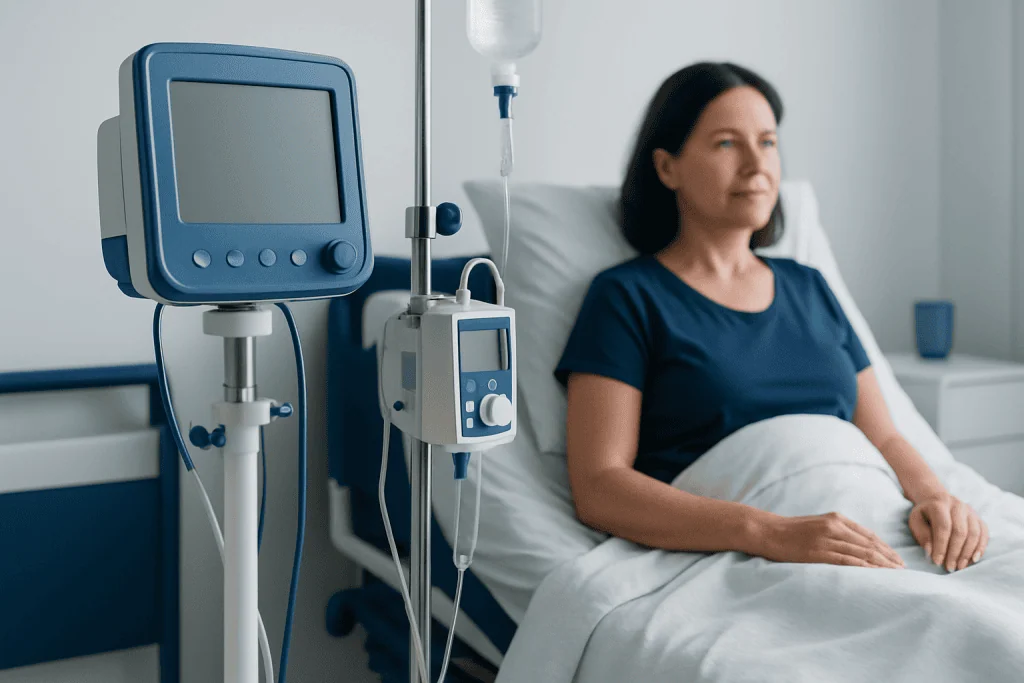
Choose one main area of your home where you can rest comfortably without unnecessary movement. For many people, this means a bedroom or living room with a supportive bed or sofa, easy access to a bathroom, good lighting, and a place to keep water, medicines, chargers, tissues, and important documents within reach. The goal is to reduce bending, stretching, lifting, and repeated trips around the house.
If you have stairs at home, think honestly about whether you will be comfortable using them several times a day. If not, consider temporarily sleeping on one level of the home. Clear walking paths, remove loose rugs or clutter, and make sure floors are dry and stable. If you use walking aids, leave enough space to move safely.
Your bathroom deserves special attention. Place toiletries at waist height if possible, keep a non-slip mat in place, and make sure towels and clean clothes are easy to reach. If your team has told you to limit certain movements, plan ahead so bathing and dressing require as little strain as possible.
- Keep a glass or bottle of water beside your bed or chair
- Place a phone and charger within easy reach
- Use extra pillows if they help with positioning
- Set up a small bin, tissues, and hand sanitizer nearby
- Store daily items where you do not need to reach high or low
Plan meals, hydration, and daily essentials before you arrive
One of the simplest ways to reduce stress after treatment is to make sure your home already has the basics. Stock up on easy-to-prepare foods, bottled water if you use it, simple snacks, and any household supplies you may need for a week or more. If standing in the kitchen will be difficult, prepare meals in advance or arrange grocery delivery.
Choose foods that are gentle, familiar, and easy to digest unless your medical team has given you a special diet. Small meals can be easier than large ones, especially after travel. You may also want items such as herbal tea, soups, crackers, yogurt, fruit, and frozen meals that can be reheated quickly. If you have dietary restrictions, make a list before shopping so you do not forget key items.
Think beyond food as well. Laundry detergent, toilet paper, clean bedding, pet supplies, and basic toiletries are easy to overlook when you are focused on medical planning. If possible, do a home reset before you leave for Turkey or ask someone to prepare your home shortly before you return. Coming back to a clean, organized space often feels much more manageable.
Organize medications, documents, and follow-up information
Before you travel home, make sure you understand every medicine you are bringing back or every prescription you need to fill locally. You should know the name of each medication, why you are taking it, the exact dose, the timing, and how long you need to continue it. If anything is unclear, ask for written instructions before leaving the hospital.
Keep all medical documents together in one folder, both on paper and digitally if possible. This should include your discharge summary, prescriptions, test results, imaging reports, a list of allergies, details of any implants or devices if relevant, and contact information for your treating team. If you may need to see your local doctor soon after arriving home, having organized records will save time and reduce misunderstandings.
Many international patients also benefit from making a simple home medication chart. Set alarms on your phone, especially if jet lag may affect your routine. Acibadem International teams commonly provide discharge and follow-up guidance for patients traveling home, and it is helpful to review who to contact, how to share updates, and when a teleconsultation or local review may be needed.
- Put medicines in your hand luggage when you travel
- Carry prescriptions and a doctor letter if advised
- Write down time-zone changes for medication timing
- Save hospital and patient coordinator contact details in your phone
Arrange help for the first few days at home
Even if you are generally independent, it is wise to plan for extra help after returning from treatment in Turkey. Travel itself can be tiring, and you may feel more fatigued on the first day home than you expected. A friend, relative, or caregiver can help with airport pickup, carrying bags, shopping, meals, children, pets, or simply keeping you company while you settle in.
Be specific about the kind of help you may need. For example, you might ask someone to stay the first night, check in by phone twice a day, handle school runs, or help you organize your medicines and meals. Small practical support can make a big difference and can reduce the temptation to do too much too soon.
If you live alone, be especially careful with planning. Make sure someone knows your return date, has your address, and understands when they should contact you. Keep emergency numbers visible, and let a trusted person know what symptoms would mean you need prompt medical advice. Good recovery support is not only about comfort; it is also about safety.
Prepare for communication, follow-up, and warning signs
Before leaving Turkey, ask exactly how your follow-up will work once you are home. Some patients need a local doctor review, dressing changes, blood tests, or imaging; others mainly need rest and a scheduled remote follow-up. Knowing the plan in advance helps you prepare appointments, transport, and any practical support you may need.
It is also important to understand which symptoms are expected and which are not. Mild tiredness, reduced appetite, and some discomfort may be normal depending on your treatment, but worsening pain, new bleeding, breathing difficulty, fever, confusion, or anything your team specifically warned you about should not be ignored. Write these points down rather than relying on memory after a long journey.
Acibadem International supports many patients who continue their recovery after leaving Istanbul or other parts of Turkey, so ask for the clearest contact route for post-discharge questions. Keep that information easy to find at home. When you feel unwell, it is much easier to respond calmly if you already know who to contact and what information to share.
Step by step
- Ask for clear discharge instructions before you fly. Before leaving the hospital, go through your discharge plan line by line. Confirm medicines, activity limits, wound care, diet, travel advice, and what symptoms mean you should seek urgent help.
- Prepare one main recovery area at home. Set up a comfortable space where you can rest, sleep if needed, and keep daily essentials nearby. This reduces unnecessary movement and helps you settle in as soon as you arrive.
- Stock your home with simple essentials. Buy or arrange delivery of food, water, toiletries, and household basics before your return. Aim to cover at least the first week so you do not need to rush out for supplies.
- Organize medicines and paperwork in one place. Keep prescriptions, discharge documents, scans, and contact details together in a clearly labeled folder. Use reminders or a written schedule so medication timing stays accurate despite travel fatigue or time-zone changes.
- Arrange support for arrival day and the first 48 hours. Plan who will pick you up, carry luggage, and stay in touch once you are home. Even light support can prevent overexertion and make the first days much smoother.
- Book or note any follow-up appointments. If you need a local doctor visit, dressing change, blood test, or virtual review, try to arrange it before you return. Having dates and contact points ready reduces uncertainty and helps you focus on recovery.
Your checklist
- Prepare a clean, clutter-free recovery area
- Place water, phone charger, tissues, and medications within reach
- Stock easy meals, snacks, and household essentials
- Collect discharge papers, prescriptions, and emergency contact details
- Set alarms for medications and follow-up tasks
- Arrange airport pickup and help at home if possible
- Check bathroom safety and remove trip hazards
- Write down warning signs and who to contact if they happen
Key takeaways
- Prepare your home before travel so your first days back are safe and low-stress
- Focus on one easy recovery space, simple meals, and clear medication routines
- Keep all discharge documents and hospital contact details organized and easy to find
- Arrange practical help for arrival day and the first few days, especially if you live alone
- Know your follow-up plan and the warning signs that mean you should seek medical advice
Frequently asked questions
When should I start preparing my home before returning from treatment in Turkey?
Ideally, start one to two weeks before your return, especially if you need to buy supplies or arrange help. If your travel dates change, focus first on the essentials: a safe recovery space, food, medications, and follow-up information.
What should I keep next to my bed or recovery chair?
Keep water, your phone and charger, medications, tissues, any approved care supplies, and your key medical documents nearby. The idea is to avoid repeated walking, bending, or searching for items when you should be resting.
Do I need someone to stay with me after I get home?
That depends on your treatment, mobility, and how confident you feel managing daily tasks. Even if full-time help is not necessary, having someone check on you or stay for the first night can be very helpful, especially after a long flight.
How do I manage medications if there is a time-zone change?
Ask your treating team for clear instructions before you travel, particularly for medicines that must be taken at specific intervals. A written schedule and phone alarms can help you switch safely to local time once you arrive home.
What documents should I bring back from the hospital in Turkey?
Bring your discharge summary, prescriptions, test results, imaging or reports, allergy information, and contact details for your treating team. If you may need local follow-up, having both printed and digital copies is especially useful.
What if I have a question after I return home?
Before leaving Turkey, make sure you know who to contact for non-urgent and urgent questions. Acibadem International patient services can help clarify follow-up pathways and practical next steps, but if you have severe or urgent symptoms, seek immediate local medical care.
Should I prepare special food before coming home?
Usually, simple, easy-to-prepare meals are the most useful unless your medical team gives you a specific diet. Think about foods that are familiar, gentle, and quick to serve so you can eat regularly without much effort.
Add us as a Preferred Source to see more of our trusted health content across Google Search, AI Overviews and Discover.

More Patient Guides
Returning Home with New Medical Restrictions: A Travel Planning Guide
Returning home with medical restrictions: plan safe travel from Turkey with medical clearance, documents, medication and follow-up support.
8 min read
How to Prepare a Caregiver for Your Recovery at Home
Caregiver preparation for recovery at home helps you plan safe support, medicines, appointments and warning signs after treatment in Turkey.
8 min read
Remote Results Review After Returning Home: When to Book Your Next Check-In
Remote results review after treatment in Turkey helps you plan follow-up safely, understand results and know when to contact your care team.
8 min read
Compression Stockings for Travel After Treatment in Turkey
Compression stockings for travel after treatment in Turkey can support circulation, but use them only as advised by your care team.
8 min read