

Recovering Between Multi-Stage Treatments in Turkey: Hotel Stay Guide

The days between treatment stages are recovery days, not gaps. Plan your hotel around your medical schedule: choose an accessible, quiet room within a reasonable transfer distance of the hospital, keep medicines and written instructions organised, eat simply, move gently, and hold a flexible booking in case appointment dates shift. Your individual instructions from your treating team always come first.
Wondering what to do with the days between your appointments in Turkey? Those days are not empty waiting time. They are part of your recovery, and the hotel you choose shapes how well they go.
When a treatment plan has more than one stage, tests, then a procedure, then follow-up, sometimes weeks apart or sometimes only days: your hotel becomes the place where you rest, keep to your medication schedule, and arrive at the next appointment in reasonable shape. This guide covers what actually matters when recovering between multi-stage treatments in Turkey: how to pick the room, how to organise food and medicines, how much to move, and how to keep the days predictable when the schedule itself may not be.
At a glance
- Best hotel setup: Accessible room near a lift, quiet floor, walk-in shower, room service, and a short predictable transfer to the hospital
- Main priority: Rest between stages while staying reachable and organised for the next appointment
- Booking rule: Flexibility beats price, medical schedules can shift, so favour bookings you can extend or change
- Daily rhythm: Fixed times for meals, medicines, gentle movement and rest; treat sightseeing as optional, never as the plan
- Paperwork: Keep discharge notes, preparation instructions and appointment details in one folder, updated whenever anything changes
Your hotel is part of the care plan, not a break from it
If you are recovering between multi-stage treatments in Turkey, the hotel is more than a place to sleep. It is your temporary recovery base: where you rest, take medicines on time, follow any eating or movement instructions, and prepare for the next hospital visit. Patients who plan those in-between days deliberately tend to have calmer trips than those who treat them as free holiday time.
The safest approach is to organise the stay around your medical needs rather than a sightseeing list. You may feel well on some days. Your body may still be adjusting after tests, anaesthesia, a procedure, a medication change, or simply the flight. Fatigue between stages is normal and often arrives suddenly, in the afternoon of a day that started well. Gentle pacing means you arrive at the next stage rested rather than depleted.
This is also why the length of the gap matters. A two-day interval between a biopsy and a results consultation asks for something different from a ten-day interval between two surgical stages. Ask your treating team what your body will likely be doing during each gap, healing a wound, clearing anaesthesia, waiting for a laboratory result, and shape your days around that answer. The practical rhythm of a multi-stage schedule, appointment times, expected waiting periods, whether staying close to a particular hospital campus makes sense, is worth confirming before you book anything. When several departments are involved, it also helps to understand how multidisciplinary care is coordinated, because your hotel dates should follow the combined calendar, not one department’s diary.
Choosing the right hotel room between treatment stages
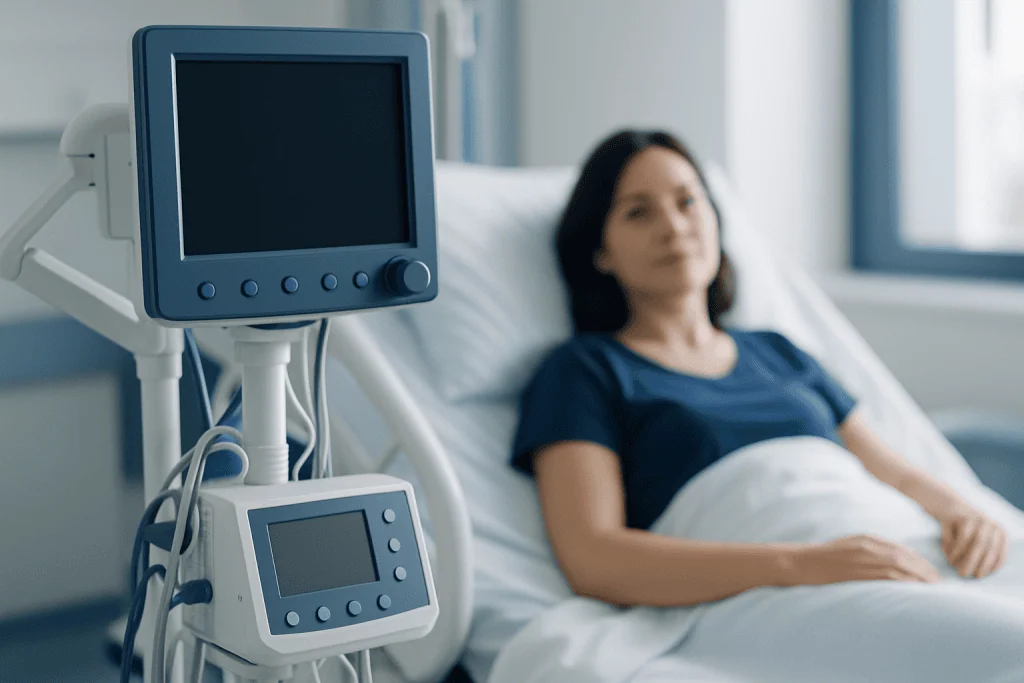
Look past the star rating and the lobby photos. A good recovery room makes ordinary tasks simple: reaching the bathroom, getting in and out of bed, resting without noise, receiving meals, and getting downstairs for a transfer without stairs or long corridors. None of that shows up in booking-site pictures, so ask directly before you pay.
Questions worth putting to the hotel in writing:
- Is there a lift, and how far is the room from it? A room next to the lift is convenient but noisy; two or three doors away is usually the sweet spot.
- Does the bathroom have a walk-in shower rather than a tub with a high edge? Is a non-slip mat or grab rail available?
- Is room service available, and during which hours? Can the kitchen prepare plain food on request?
- Can housekeeping provide extra pillows? Sleeping propped up is a common post-procedure instruction, and two hotel pillows rarely do it.
- Is there a quiet floor, away from event spaces, the street side and the breakfast room?
- Can reception call a taxi or arrange a transfer at short notice, including early morning?
Other features that quietly matter over a longer stay: a mini-fridge for permitted snacks or temperature-sensitive items if your care team approves, reliable Wi-Fi for calls with family and your coordinator, laundry service, and a desk or table at a comfortable height so you are not eating from your lap for two weeks. If a companion is travelling with you, a larger room or connecting rooms lets them rest properly too: a tired companion helps no one.
Location is its own decision, and it deserves more thought than “central”. A reasonable, predictable transfer time to the hospital beats a famous district with heavy traffic between you and your appointments. Our separate guides on choosing the right hotel for recovery near the hospital and when to stay near the hospital after treatment go into the distance question in detail. The short version: the goal is not luxury. It is a calm, accessible base where your recovery routines are easy to keep.
Food, hydration and medication routines in a hotel setting

Food and fluid instructions can change between stages. Some patients are asked to eat lightly, to increase fluids, to avoid certain foods, or to stop eating and drinking for a set period before imaging, anaesthesia or a procedure. Those instructions come from your clinical team and override anything written in a general guide, this one included.
Within whatever instructions you have, simple food is usually the better choice in a hotel. Choose familiar, well-cooked meals. Be cautious with street food, very rich or spicy dishes, and anything your stomach has never met before: the middle of a treatment plan is not the moment to experiment. Turkish hotel kitchens are generally comfortable producing plain options: soup, rice, yoghurt, eggs, grilled meat or fish, soft cooked vegetables. Ask in advance and most will oblige. Alcohol is a question for your treating doctor, not for the minibar.
Medicines deserve their own small system:
- Keep them in one place, in original packaging, away from direct sunlight and away from the window ledge, hotel rooms in summer get hot.
- Set phone alarms for dose times, and re-check them after any time-zone adjustment.
- Keep a written medication schedule alongside the boxes, so a companion can follow it if you are groggy.
- Whether a particular medicine should be taken, paused or timed differently before your next appointment is a decision for your treating doctor. Do not guess, and do not follow generic internet advice on it.
If you want a fuller list of what to bring for the hotel phase specifically, see how to pack for medical treatment in Turkey, which separates hospital, hotel and recovery essentials.
Moving around safely without overdoing it
Light movement is encouraged for many patients between stages, but the right amount depends entirely on your condition and your instructions. Common advice includes short walks, no heavy lifting, keeping a treated area elevated, wearing compression garments, or limiting stairs. Whatever your team told you is the rule; the paragraphs below are only about the environment you will be moving in.
Turkey, and Istanbul in particular, involves hills, uneven pavements, busy roads and long distances inside shopping centres and tourist sites. A “quick look at the bazaar” can turn into two hours on your feet with no bench in sight. Even on a good morning, fatigue can arrive abruptly after an appointment, a meal or a short outing. Plan any activity in small blocks with an easy way back: a specific café, a taxi rank, a route you already know.
Hotel corridors, the lobby and nearby flat streets are perfectly good walking territory if walking is permitted. Wear supportive shoes, carry water if it is allowed, and give crowded indoor spaces a miss if you have been advised to take infection precautions. If you feel unusually tired, sit down and shorten the outing: the walk exists to serve the recovery, not the other way round. Your written instructions explain which changes your team wants to hear about; keep those instructions with you rather than trying to remember them.
Staying organised and reachable between appointments
Clear information is half of a calm gap between stages. Before leaving the hospital or clinic, make sure you can answer four questions from your own notes: when is the next appointment, where exactly do I go, do I need to fast or prepare in any way, and what did the team say about activity and medicines until then? If any answer is fuzzy, ask before you leave the building, not from the hotel that evening.
Keep your phone charged and reachable, and save the numbers that matter: your international patient coordinator, the hospital contact you were given, your transfer provider, hotel reception, and your companion. If you do not speak Turkish, interpreter support makes a real difference at appointments and with unexpected logistics, so confirm how it will be arranged before your first stage. Keep your written discharge and preparation instructions with you as well, hotel staff and drivers are helpful people, but they should never be asked to interpret medical advice.
Schedules can move. A test result may bring an appointment forward; a surgeon may want an extra day of healing before the next stage. This is normal when recovering between multi-stage treatments in Turkey, and the practical answer is flexible bookings and a folder that is always current. Our guide on handling unexpected test or treatment changes in Turkey covers this in more depth. On the money side, a shifting schedule also affects how quotes and payments are structured across stagespayment planning for multi-stage treatment explains how that works without surprises.
Companions, privacy and the emotional middle of a treatment plan
A companion makes hotel recovery considerably easier. They can track medicines, collect meals, deal with reception, come to appointments, and notice changes you might miss when you are tired. If you are travelling alone, say so early, so that communication and transfer planning can be set up as clearly as possible from the start.
It is normal to feel unsettled between stages. You may be waiting for results, preparing for another procedure, or simply tired of being far from home. The days in between are often the hardest emotionally precisely because nothing is happening. What helps most is a boring, repeatable day: waking at the same time, meals at set hours, a short call with family, gentle stretching if it is allowed, reading, rest at fixed times. Predictability is a genuine recovery tool, not just a comfort. Limit late-night searching about your condition; write your questions down instead and bring them to the next appointment, where someone who knows your case can answer them.
Protect your privacy in a practical way. Keep medical documents in a folder or a secured digital file, and share details only with people directly involved in your care. What hotel staff need to know is operational, not medical: a quiet room, a food restriction, help with luggage, a mobility need, nothing more.
Step by step
- Confirm the treatment calendar before booking. Ask for expected dates of appointments, tests, procedures and rest days, understanding that medical schedules can change. Favour bookings you can extend or shift without penalty, especially if extra observation or follow-up is possible.
- Choose a recovery-friendly location. Prioritise a short, predictable transfer to the hospital over the busiest tourist district. Being close enough for smooth return visits reduces stress, fatigue and the risk of arriving late.
- Prepare the room before the first stage. Set out medicines, water if permitted, chargers, documents, comfortable clothing and any approved snacks within easy reach. Ask housekeeping for extra pillows, extra towels or a non-slip mat if these make the room safer.
- Build a daily rhythm. Fixed times for waking, meals, medicines, short movement, rest and check-ins with your companion or coordinator. A predictable day protects you from both boredom and overexertion.
- Keep instructions visible and current. Store discharge notes, preparation instructions, appointment details and contact numbers in one folder. If your care team changes anything, update the folder immediately so old guidance cannot mislead you.
- Arrange transfers before you need them. Book hospital transport in advance for appointment days, with buffer time for traffic. On the day after a procedure, avoid improvising transport decisions.
- Keep your written guidance close. Your discharge and preparation documents explain what to watch for and who to reach; keep a copy in the room and a copy in your day bag, and make sure your companion knows where both are.
Your checklist
- Passport, insurance details if applicable, and hospital appointment documents
- Printed and digital copies of discharge notes and preparation instructions
- All prescribed medicines in original packaging, plus a written medication schedule
- Phone charger, power bank, and a plug adapter for Turkish sockets (type F)
- Comfortable loose clothing, supportive shoes, and layers for temperature changes
- Simple snacks or drinks only if your care team allows them
- Thermometer and basic personal hygiene items
- Key contacts saved in your phone and written on paper
- Hotel address in Turkish and English for drivers
- Small day bag for hospital visits: documents, water if allowed, essentials
Key takeaways
- The gaps in a multi-stage plan are recovery time; plan them as deliberately as the treatment days themselves.
- Choose the hotel for accessibility, quiet, room service and transfer convenience, not for the view or the district’s fame.
- Your individual instructions on food, medicines and activity override every general tip, including the ones in this guide.
- Flexible bookings and one always-current document folder make schedule changes an inconvenience rather than a crisis.
- A predictable daily rhythm, meals, medicines, gentle movement, rest, is the most reliable way to arrive at the next stage ready.
Frequently asked questions
What medical treatment is Turkey famous for?
Turkey receives international patients across a wide range of fields, including cosmetic and plastic surgery, hair restoration, dental treatment, eye surgery, orthopaedics, cardiology and oncology. Large hospital groups in cities such as Istanbul and Ankara treat both single-visit and multi-stage cases. Whatever the field, the planning principles in this guide, flexible bookings, a recovery-friendly room, clear written instructions, apply the same way.
Is it a good idea to travel to Turkey for medical reasons?
It can work well when it is planned properly: a clear treatment plan agreed in advance, realistic time allowed for recovery before flying home, a hotel chosen for recovery rather than tourism, and honest disclosure of your medical history to the treating team. It works poorly when trips are compressed, recovery days are treated as holiday, or the schedule leaves no room for change. Public health bodies such as the CDC publish general guidance on preparing for medical travel, which is worth reading before any trip.
What is the average cost of surgery in Turkey?
There is no meaningful single figure, because the price depends on the procedure, the number of stages, the length of hospital stay, anaesthesia, implants or materials, and how long you need accommodation between stages. For multi-stage plans, quotes are usually structured around the treatment plan rather than a flat package, and it matters to know what each stage includes before you commit. Our guide to payment planning for multi-stage treatment explains how quotes and staged payments typically work.
Who is the best facelift surgeon in Turkey?
There is no objective “best” surgeon, and lists claiming otherwise are marketing. What you can assess is verifiable: the surgeon’s specialty training, how many procedures of your specific type they perform, whether the operation happens in a full hospital setting, how follow-up between stages is organised, and how clearly your questions are answered before you agree to anything. A consultation that explains limits and risks honestly is a better signal than any ranking.
How close should my hotel be to the hospital during multi-stage treatment?
Close enough that a return visit is easy and predictable, which in a large city is measured in transfer time, not kilometres. The right distance depends on traffic patterns, your mobility, and how often you need to come back. Before you book, check typical transfer times at different hours of the day, because rush-hour traffic in a city like Istanbul can double a journey.
Can I go sightseeing between treatment stages?
Sometimes light, low-effort outings are acceptable, but it depends on your treatment, how you are feeling, and your doctor’s instructions. Long walks, crowded indoor spaces, heavy shopping and full-day tours are usually the wrong call mid-plan. Rest days are part of the treatment schedule, not wasted time, and the city will still be there on a future trip.
Should I book a hotel or a serviced apartment?
A hotel suits most patients: reception support, room service, housekeeping and quick help arranging transport. A serviced apartment can suit longer gaps between stages if you want space and a kitchen, but it must still be accessible, quiet and within a sensible transfer distance of the hospital. Decide based on your expected length of stay and how much daily support you will realistically want.
What should I do if I feel unwell in my hotel room?
Follow the written instructions your treating team gave you at discharge: they explain what to watch for and who to reach, and they are specific to your case in a way no general guide can be. Keep a copy in the room and a copy in your day bag, and never ask hotel staff to make medical judgements on your behalf.
Add us as a Preferred Source to see more of our trusted health content across Google Search, AI Overviews and Discover.

Update history
- PublishedJune 22, 2026
- Medical review approvedSeptember 13, 2026
- Last content updateSeptember 12, 2026
References1
- CDC Travelers' Health: Medical Tourism wwwnc.cdc.gov
More Patient Guides

HoLEP in Turkey: How It Compares With TURP and What Recovery Involves
HoLEP in Turkey treats enlarged prostate tissue with laser enucleation; learn how it compares with TURP, recovery, travel and follow-up.

Porcelain Veneers in Turkey: Who Is Suitable and How Many Visits Are Needed?
Porcelain veneers in Turkey can enhance tooth shape and colour in two visits for suitable patients after a personalised dental assessment.

How to Prepare for a Sedation Procedure in Turkey
Prepare safely for a sedation procedure in Turkey with guidance on fasting, medicines, travel, recovery and follow-up.
Treatment Delays in Turkey: What Happens If Tests or Recovery Change Your Schedule
Treatment delays in Turkey can happen if tests or recovery change your plan. Learn how to manage appointments, travel, accommodation and follow-up.