Dental Spa
Dental spa combines professional dental cleaning, polishing, hygiene care and comfort-focused amenities to improve oral freshness and smile appearance in a relaxed clinical setting.
Quick answer
A dental spa is a professional dental hygiene appointment delivered in a comfort-focused setting. It typically includes an oral examination, removal of plaque and tartar, polishing to reduce surface stains, gum and breath assessment, and personalised home-care advice. It supports preventive oral health but does not replace whitening, periodontal therapy or restorative treatment when those are needed.
Dental Spa: A Calmer Kind of Dentist Appointment
A dental spa is a professional dental hygiene appointment delivered with deliberate attention to comfort. It combines an oral health review, removal of plaque and tartar, polishing, stain management and personalised home-care guidance with measures that reduce the stress many people associate with a dentist appointment. It is intended for people who want thorough preventive care at a calmer pace, not a cosmetic ritual dressed up as dentistry.
People come to this kind of visit for practical reasons. You may be concerned about staining from coffee, tea, red wine or tobacco. You may notice persistent bad breath, bleeding gums, visible tartar near the gumline, or a rough feeling on the teeth despite careful brushing. You may simply want your mouth to feel clean before an important event, before business travel, or before starting a longer treatment plan. Some patients have put off a dentist appointment for years because of sensitivity, embarrassment or a previous unpleasant experience, and want a gentler way back in.
Interest in dental spa care in Turkey has grown alongside the country’s wider dental sector, and international patients often want to know what such a visit actually includes, what it cannot do, and how to plan it sensibly from abroad. At Acibadem, dental spa services sit within the Dental & Oral Health unit of a hospital group, where sterilisation standards, documentation, diagnostic pathways and communication are handled as medical matters rather than hospitality features. The comfort elements are real, but they surround proper clinical care rather than replacing it.
This page explains what a dental spa visit involves step by step, who it suits, what it can honestly achieve, and what international patients should think about when planning this kind of dentist appointment as part of a trip to Turkey.
What Is a Dental Spa?
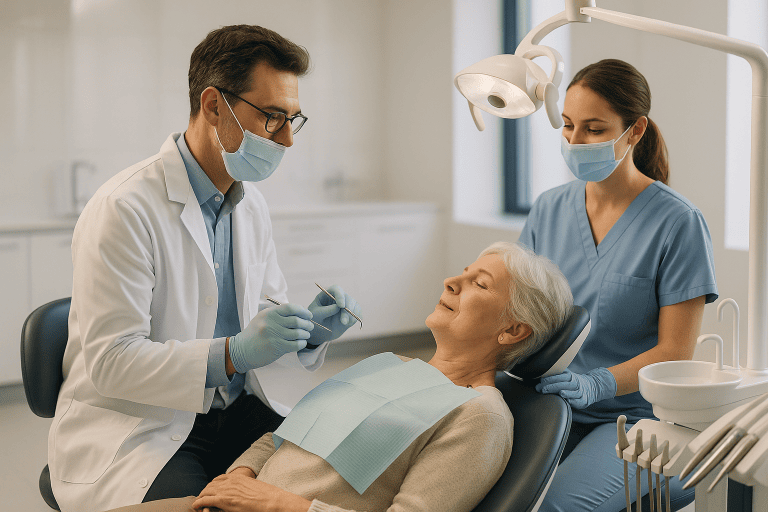
A dental spa is a professional hygiene appointment enhanced with comfort-oriented features: a quieter environment, careful explanation before each step, gentle instrumentation, breaks when you need them, topical numbing gel for sensitive areas, protective eyewear and an unhurried pace. The clinical core is the same as any high-quality hygiene visit, examination, scaling, polishing and prevention advice, but the way it is delivered is designed around the patient rather than the schedule.
The word spa can mislead if it is read as purely cosmetic or non-medical. In a responsible clinical setting, dental spa care remains proper dental care. The cleaning is performed with professional instruments under infection-control protocols. The clinician evaluates gum health, checks for signs of decay or inflammation, and identifies whether deeper periodontal treatment, restorative work or a specialist consultation is needed. If the examination finds something that a hygiene visit cannot address, you are told plainly, and the visit becomes the first step in a broader plan rather than the last word.
Which services are provided by a dental spa?
A dental spa typically provides an oral health review, examination of the teeth and gums, professional removal of plaque and tartar, polishing to smooth the tooth surfaces, stain-reduction techniques where appropriate, and personalised advice on home care. Depending on your individual needs, the visit may also include:
- Fluoride application to help strengthen enamel and reduce sensitivity in suitable patients.
- Desensitising care for areas of exposed root surface or enamel wear.
- Gum health assessment, including measurements where inflammation or recession is suspected.
- Breath assessment, looking at tongue coating, dry mouth factors, diet and gum condition.
- Digital X-rays when symptoms, risk factors or a long gap since the last examination justify imaging.
- Referral and planning if the findings point towards periodontal therapy, restorative treatment or cosmetic work.
Not every visit includes every element. The clinician tailors the appointment to what your mouth actually needs, which is one of the reasons the visit is longer and less rushed than a standard cleaning slot.
What a dental spa is not
A dental spa is still dentistry, and it is honest dentistry only when its limits are stated clearly. It is not teeth whitening, although it can make teeth look brighter by removing external stains and plaque; whitening changes the internal shade of the tooth through a separate chemical process and needs its own evaluation, often as part of cosmetic dentistry. It is not a substitute for periodontal therapy if advanced gum disease is present, because routine cleaning does not reach deep pockets where bacteria collect. It is not a replacement for orthodontics, veneers, crowns, implants or other corrective treatments. Its purpose is to improve oral cleanliness, gum comfort, breath freshness and the appearance of the natural tooth surfaces within the limits of professional hygiene care, and to identify, early and accurately, when more than hygiene care is needed.
Who May Benefit from a Dental Spa Visit?
A dental spa visit suits adults and older adolescents who want a professional cleaning in a comfortable setting, especially when plaque, staining, gum irritation or dental anxiety are the main concerns. It is also useful for patients preparing for cosmetic work, orthodontic treatment, implant evaluation or a general check-up, because a clean oral environment lets dentists assess the teeth and gums more accurately and can make later procedures more comfortable.
You may benefit from this type of appointment if you have noticed bleeding when brushing or flossing, a persistent unpleasant taste, bad breath that does not improve with mouthwash, visible tartar near the gumline, yellow or brown surface staining, or a rough feeling on the back of the lower front teeth. Some patients feel their smile looks dull even though the teeth are structurally healthy; in these cases, professional polishing and stain management may restore visible freshness without any restorative intervention.
The visit is also a supportive entry point for people who have avoided dental cleanings because of fear, sensitivity or embarrassment. The slower pace, the explanation before each step and the option of breaks give anxious patients more control over the experience. Patients whose anxiety goes beyond what pacing and gentleness can manage may want to read about sedation dentistry, which addresses a different level of need through medically supervised relaxation techniques.
How is the mouth assessed before cleaning?
Assessment begins with a dental history and oral examination, before any instrument touches a tooth. The dentist or hygienist may ask about bleeding gums, sensitivity, medications, smoking history, pregnancy, diabetes, heart conditions, previous dental work, implants, orthodontic appliances and how often you have professional cleanings. The gums are examined for inflammation, recession, pocket depth and bleeding. The teeth are assessed for plaque, tartar, stains, decay, wear, cracks and defective restorations, and existing dental work is checked.
Dental X-rays may be recommended if there are symptoms, a long gap since the last evaluation, suspected cavities between the teeth, periodontal concerns or planned treatment. Imaging is not required for every cleaning, but it can reveal problems that a surface examination cannot see, such as decay under old fillings or bone changes around the roots. Modern digital dentistry tools allow images to be captured with a lower radiation dose than traditional film and reviewed immediately. Patients with medical conditions, artificial heart valves, immune concerns or recent surgeries should mention this before treatment so the dental team can decide whether any precautions are appropriate.
Conditions and Indications Addressed by Dental Spa Care
Dental spa care primarily addresses preventive and hygiene-related needs. It is appropriate for routine oral maintenance, mild to moderate plaque and tartar accumulation, surface stains, early gum inflammation and breath concerns related to oral bacteria. It can also give patients about to begin more complex treatment a cleaner baseline for diagnosis and planning.
Common indications include:
- Plaque buildup: the soft bacterial film that forms daily on the teeth and contributes to cavities and gum inflammation.
- Tartar accumulation: hardened plaque that cannot be removed by brushing or flossing and requires professional instruments.
- Gingivitis: early gum inflammation, often seen as redness, swelling, tenderness or bleeding during brushing.
- Extrinsic staining: surface discolouration from coffee, tea, wine, tobacco, some foods or inadequate plaque control.
- Bad breath: oral malodour related to bacterial buildup, tongue coating, gum inflammation, dry mouth or dental disease.
- Sensitivity during routine cleaning: patients who need a gentler, more carefully paced approach than a standard hygiene slot allows.
- Preparation for cosmetic work: cleaning before whitening, bonding, veneers, crowns or a smile design evaluation.
- Maintenance around existing dental work: hygiene care adapted for crowns, bridges, implants, retainers or aligners.
Some conditions need more than a dental spa appointment can offer. Advanced periodontal disease, deep gum pockets, loose teeth, abscesses, untreated cavities, severe pain, fractured teeth or infections all require diagnostic dental treatment, sometimes restorative dentistry, sometimes periodontal or surgical care. In these situations the dental spa visit becomes the first step in a broader plan, and part of its value lies in identifying that need early rather than polishing over it.
How Dental Spa Treatment Is Performed
The exact sequence is personalised, but a dental spa appointment usually follows a structured clinical pathway. The emphasis throughout is on careful assessment, effective cleaning, patient comfort and practical guidance for keeping the result.
Preparation Before the Visit
Before your dentist appointment, you may be asked to provide your medical and dental history, current medications, allergies, pregnancy status, and details about heart conditions, immune conditions, bleeding disorders or recent medical procedures. If you are travelling internationally, recent dental X-rays, treatment records or photographs are useful, particularly if the hygiene visit is part of a broader dental evaluation or second opinion.
No special preparation is usually needed. Eat normally unless your dental team gives different instructions. If you have significant dental anxiety, it helps to mention this in advance so the team can allow extra time for explanation, breaks and comfort measures. If your gums are very sensitive, topical anaesthetic gel or other gentle approaches can be planned from the start rather than improvised mid-treatment.
Initial Oral Health Assessment
The visit begins with a conversation about your goals. Some patients want fresher breath. Others want stains reduced before an event, or want to understand why their gums bleed. The clinician then examines the mouth, teeth, gums, tongue and existing restorations. Gum measurements may be taken if there are signs of periodontal disease, and the bite, tooth wear and areas of sensitivity may be reviewed.
If imaging is indicated, digital X-rays are used to look for cavities between the teeth, bone changes around the roots, impacted teeth or problems beneath old restorations. The decision to image is based on symptoms, risk factors and clinical findings, not routine habit. This assessment stage matters because it determines everything that follows: which instruments are used, how long the cleaning takes, and whether the visit should lead to further care.
Plaque and Tartar Removal
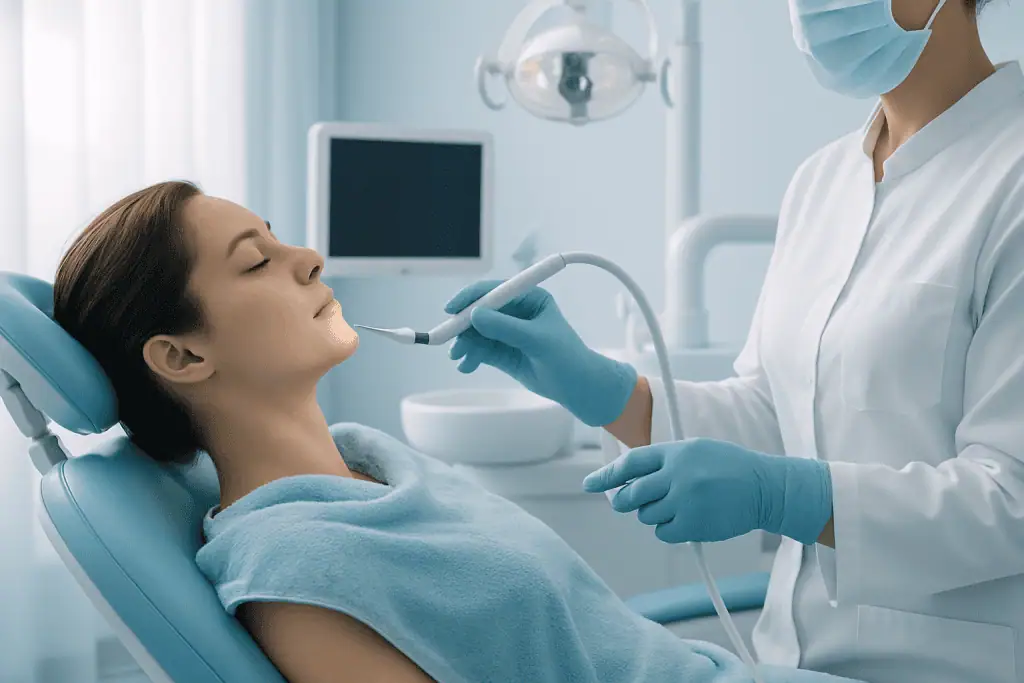
The core of the treatment is professional scaling, which removes plaque and tartar from the tooth surfaces and along the gumline. Ultrasonic instruments loosen hardened deposits with fine vibration and water irrigation; hand instruments let the clinician refine the cleaning in specific areas and around delicate surfaces. For patients with implants, crowns, veneers or sensitivity, instrument choice is adapted to protect the dental work and improve comfort.
This step is essential because tartar cannot be removed at home. If it remains on the teeth, it holds bacteria against the gums and contributes to inflammation, bleeding and periodontal problems. Patients often notice immediately that the teeth feel smoother after scaling, especially in areas where tartar was previously rough or visible, most commonly behind the lower front teeth, where saliva glands accelerate mineralisation of plaque.
Polishing and a Bright Dental Appearance
A bright dental appearance after polishing comes from removing surface stains and plaque, not from changing the internal colour of the teeth. After tartar removal, the teeth are polished to smooth the surfaces and reduce superficial discolouration. Polishing pastes of different textures are selected according to the amount of staining and the condition of the enamel or restorations. In selected cases, air-polishing technology, a controlled stream of air, water and fine dental-grade powder, helps remove external stains more efficiently, particularly in grooves and between teeth.
It is worth being precise about what this achieves. Polishing does not whiten teeth in the way a chemical whitening treatment does. What it can do is return the natural tooth surface to its actual shade by clearing away what has accumulated on top of it, which for many patients is enough to make the smile look noticeably cleaner and fresher. Smooth surfaces also make it harder for new plaque to attach immediately, although daily home care remains the deciding factor in how long the effect lasts.
Gum, Breath and Sensitivity Care
If the gums are inflamed, the dental team concentrates on the areas where plaque control is difficult and shows you how to clean them effectively at home. If breath is a concern, the tongue, gumline, dry mouth factors, diet, smoking and dental disease are all considered, because oral malodour is usually multifactorial, mouthwash alone rarely solves it when tartar, gum disease, cavities or dry mouth are involved.
For sensitive patients, desensitising agents or fluoride may be applied. Fluoride can help strengthen enamel and reduce sensitivity in some patients. The clinician also looks for the underlying cause of sensitivity, gum recession, enamel wear, grinding, an acidic diet, overuse of whitening products or exposed root surfaces, because treating the symptom without naming the cause leaves the problem to return.
Personalised Home Care Guidance
A valuable and often underrated part of dental spa care is the practical instruction you take home. Your clinician may recommend a specific brushing technique, interdental brushes, floss, water flossing, tongue cleaning, a particular toothpaste type, or changes in how you clean around implants, bridges, crowns or orthodontic appliances. The advice is tailored to your mouth rather than generic.
Small adjustments in technique can significantly affect gum health. Bleeding during flossing often improves once plaque is controlled consistently, while aggressive brushing can worsen recession and sensitivity. Patients with crowded teeth, implants or bridgework frequently discover that standard floss simply cannot reach the areas that matter most for them, and that a differently shaped tool changes their gum health more than any product marketed for freshness. The aim is to help you keep the clean feeling for longer and reduce the risk of future problems.
How long does a dental spa appointment take?
A routine dental spa appointment often takes about 45 to 90 minutes, depending on the amount of buildup, the need for examination or imaging, sensitivity, and whether additional preventive care is included. Patients with heavier tartar, gum inflammation or a long interval since the last cleaning may need a longer session or more than one visit. This is longer than a typical hygiene slot in many practices, and deliberately so: the extra time is where the comfort and the thoroughness both come from.
Recovery is usually immediate. Most patients return to normal activities, travel plans and work the same day. Mild gum tenderness, temporary sensitivity or slight bleeding can occur, especially if the gums were inflamed before cleaning, and these usually settle quickly with gentle brushing and careful interdental cleaning. If deeper periodontal treatment turns out to be needed, the aftercare instructions for that treatment will be different and will be explained separately.
Why Acting Early Matters
Dental hygiene problems begin quietly. Plaque forms every day, and when it hardens into tartar it creates a rough surface that collects more bacteria. Early gum inflammation may cause only mild bleeding or tenderness, so it is easy to ignore. Over time, untreated inflammation can progress from gingivitis to periodontitis, a more serious condition affecting the supporting bone and tissues around the teeth.
Acting early helps preserve natural teeth, protect gum health and reduce the need for more complex treatment later. Professional cleaning removes deposits before they contribute to deeper periodontal pockets, and the accompanying examination can reveal cavities, cracks or defective fillings at a stage when treatment is simpler. For patients planning aesthetic work, early hygiene care improves the accuracy of evaluation and creates a healthier foundation to build on.
Delay works in the opposite direction: persistent bad breath, worsening stains, gum recession, tooth mobility, pain, infection and more extensive treatment needs. In patients with diabetes, heart disease, immune conditions or pregnancy, gum inflammation deserves closer attention because oral health interacts with general health. Dental spa care does not treat systemic disease, but maintaining good oral hygiene is a recognised part of responsible overall health care.
Benefits of Dental Spa Treatment
The benefits are both clinical and experiential, especially for patients who value a calmer approach to preventive care.
| Benefit | What It Means for You |
|---|---|
| Cleaner teeth and gums | Professional removal of plaque and tartar reduces bacterial buildup in areas that brushing and flossing cannot fully reach. |
| Fresher breath | Cleaning the gumline, tooth surfaces and oral tissues may improve breath when odour is related to plaque, tartar or gum inflammation. |
| Brighter smile appearance | Polishing and stain-reduction techniques remove external discolouration, helping the natural teeth look cleaner and more refreshed. |
| Earlier detection of problems | The examination may identify cavities, gum disease, worn restorations or sensitivity causes before they become more complex to treat. |
| A more comfortable experience | A slower pace, explanation before each step, gentle technique and comfort measures help patients who feel anxious or sensitive. |
| A personalised prevention plan | You leave with practical guidance on brushing, interdental cleaning, diet and maintenance based on your individual oral condition. |
Recovery Timeline After a Dental Spa Appointment
Most patients recover immediately, although mild tenderness or sensitivity can occur when plaque buildup or gum inflammation was present before the cleaning.
| Time Period | What Patients Can Expect |
|---|---|
| Day 1 | The teeth feel smoother and cleaner. Mild gum tenderness, temporary sensitivity or slight bleeding can occur, particularly if the gums were inflamed. |
| First Week | Gum comfort often improves with gentle brushing and consistent interdental cleaning. Avoid overly aggressive brushing and follow any sensitivity advice provided. |
| First Month | With good home care, breath freshness and gum appearance may continue to improve. Staining can begin to return if habits such as smoking or frequent coffee intake continue. |
| Longer Term | Regular professional cleanings and daily plaque control maintain the result. Your dentist advises how often to return based on gum health and risk factors. |
What Influences a Good Result?
A good result depends on the condition of your mouth at the start, the thoroughness of the cleaning, and how consistently you maintain hygiene afterwards. Patients with mild plaque and surface stains may notice a refreshed appearance quickly. Patients with heavy tartar, gum disease, smoking-related staining, dry mouth or complex restorations may need additional visits or a broader treatment plan, and it is better to know that at the first appointment than to expect one cleaning to solve everything.
Gum health is the most important single factor. If the gums are only mildly inflamed, professional cleaning plus improved home care may be enough to restore comfort and reduce bleeding. If periodontal pockets, bone loss or tooth mobility are present, routine cleaning cannot reach the deeper areas where bacteria collect, and periodontal therapy will be recommended instead of, not alongside, a purely cosmetic polish.
Lifestyle matters too. Tobacco use, frequent staining beverages, high-sugar diets, acidic drinks and inconsistent brushing all shorten the visible effect of polishing and speed up plaque accumulation. Certain medications and medical conditions contribute to dry mouth, which raises the risk of cavities and bad breath; if dry mouth is a factor for you, it belongs in the conversation with your treating doctor and dentist rather than in a home experiment. Teeth grinding, gum recession, enamel erosion and previous dental work also affect sensitivity and the choice of instruments and polishing methods.
The quality of home care after the appointment is central. Brushing twice daily with appropriate technique, cleaning between the teeth and attending follow-up visits at the recommended interval keep tartar from rebuilding quickly. Patients with implants, bridges, orthodontic appliances or crowded teeth may need specialised cleaning tools because standard floss cannot reach every surface that matters.
Finally, communication influences both comfort and satisfaction. If you have anxiety, a strong gag reflex, sensitivity or previous negative experiences, saying so before treatment lets the team adapt pace and technique. And if your main concern is cosmetic brightness, understanding the difference between polishing and whitening protects you from disappointment: polishing removes what sits on the tooth surface; whitening changes the shade of the tooth itself and requires its own evaluation.
Coming to Turkey for Dental Spa Care
Turkey has a large and well-developed dental sector, and many international patients combine preventive or cosmetic dental care with travel. A hygiene-focused visit is one of the more straightforward treatments to plan around a trip, because it usually requires a single appointment, no anaesthesia beyond topical gel, and no downtime that interferes with flights or sightseeing. It also works well as the opening step of a larger dental plan, since a clean mouth allows more accurate assessment of anything else that might be needed.
Is there a dental spa in Turkey?
Dental clinics in Turkey range from small stand-alone practices to comprehensive dental departments within large hospital groups, and comfort-focused hygiene care is available across that spectrum. Several providers market themselves specifically under spa-style branding. Acibadem offers dental spa care within its hospital-based Dental & Oral Health unit, which means the comfort-oriented experience is backed by hospital-grade sterilisation, radiology, record-keeping and access to other medical specialties when a patient’s health history requires it. When comparing options, the useful questions are less about branding and more about substance: who performs the cleaning, what examination is included, how imaging decisions are made, and what happens if the visit uncovers a problem that needs further treatment.
Is it a good idea to go to Turkey for dental treatment?
It can be, provided you choose the provider carefully and plan for continuity of care. The honest answer has two sides. On one side, Turkey has experienced dental teams, modern equipment and well-organised services for international patients, and a preventive visit carries relatively low clinical risk compared with surgical dentistry. On the other side, any treatment abroad raises the question of follow-up: if something needs attention after you fly home, your local dentist will manage it, so complete records of what was done, including any X-rays taken, should travel with you. For a hygiene-focused visit this is rarely a problem, but it becomes more important if the examination leads to restorative or surgical treatment during the same trip. The general principle is simple: the more complex the treatment, the more the planning, documentation and follow-up arrangements matter.
How much does dental treatment in Turkey cost?
Costs vary widely and depend on factors no honest page can compress into a single number: the type and extent of treatment, whether imaging is needed, the condition of your gums, the number of visits required, the materials involved in any restorative work, and the setting in which care is delivered. A hygiene-focused dental spa visit sits at the simpler end of that range, while implant, prosthetic or full-mouth work involves entirely different planning. The reliable way to understand cost is a personal quotation based on an actual examination or recent records, itemised so you can see what is and is not included, appointment fees, imaging, materials and any follow-up. Be cautious of package prices quoted before anyone has looked in your mouth.
Planning the visit, travel and follow-up
A typical care pathway for an international patient looks like this:
- Before travel: previous dental records, X-rays or photographs are reviewed where available, so the team knows whether a single hygiene visit is realistic or whether more time should be allowed.
- On arrival: the dentist appointment begins with history-taking and examination, followed by imaging only if clinically indicated.
- Treatment: scaling, polishing, stain management and preventive care are completed in one session of roughly 45 to 90 minutes in most cases.
- Findings and planning: if the examination reveals cavities, periodontal disease or failing restorations, the options are explained, including which treatments could be staged during the same stay and which are better managed over time or at home.
- Departure: you receive your records and home-care guidance, and a recommended interval for your next professional cleaning wherever you choose to have it.
Because recovery is immediate, there is no medical reason to build rest days into your itinerary for a hygiene visit alone. Patients combining the visit with other medical appointments at Acibadem often schedule the dental session on the same trip, since the coordination happens within one institution.
Dental Spa Care at Acibadem
Acibadem approaches dental evaluation as part of overall health, not as an isolated cosmetic service. When needed, dentists coordinate with other specialists for patients with diabetes, cardiovascular conditions, oncology histories, immune concerns, pregnancy-related questions or medication-related oral issues. For more complex needs, planning may involve restorative dentists, periodontists, oral surgeons or prosthodontic expertise. This collaborative structure means a simple hygiene visit can lead appropriately into further care when the findings require it, and stop there when they do not.
International patients are supported in more than 20 languages, with help covering appointment scheduling, medical record transfer, translation, hospital navigation and coordination of care across departments. For a dental spa visit, that practical layer usually matters most at the planning stage, aligning the appointment with travel dates and other medical care, and at departure, when records need to travel home with you.
Technology is used where it serves diagnosis, safety, comfort and precision. Digital imaging assists in identifying cavities, bone levels or hidden problems when clinically indicated. Ultrasonic scalers, fine hand instruments, polishing systems, air-polishing where appropriate, magnification and modern sterilisation workflows all contribute to a controlled clinical environment. The point is not technology for its own sake, but the right tools for your oral condition and comfort level.
For patients with limited time in Turkey, careful initial assessment is what makes the difference. Some need only a professional cleaning and preventive guidance. Others discover they need periodontal care, whitening, restorative treatment or an implant evaluation. Distinguishing what can be safely completed during a short stay from what should be staged over time protects patients from rushed treatment: a distinction that matters more, not less, when travel is involved.
After Your Visit: Keeping the Result
A dental spa appointment can be a genuinely useful first step back into preventive care, particularly if sensitivity, anxiety, travel or a busy schedule has kept you away from routine cleanings. It refreshes the mouth, improves the appearance of surface stains, supports gum health and, perhaps most importantly, gives you an accurate picture of whether anything further is needed.
What happens next is largely in your hands. The interval your dentist recommends for the next professional cleaning reflects your gum condition and risk factors, not a standard calendar. Between visits, consistent brushing technique, daily interdental cleaning and awareness of staining habits determine how long the clean feeling lasts. For readers exploring related preventive and corrective options, the pages on general dentistry and cosmetic dentistry explain how hygiene care fits into the wider picture of keeping natural teeth healthy for as long as possible.
Preparation
- A dentist evaluates oral health, gums and existing restorations before treatment. Patients should share medical conditions, allergies and current medications. Brushing and flossing before the visit is helpful, but no special fasting is usually required.
Aftercare
- Patients can usually eat, drink and return to daily activities immediately. Avoid staining foods, tobacco and very acidic drinks for the first day if polishing or whitening-style care is included. Maintain regular brushing, flossing and dental check-ups as advised.
Frequently Asked Questions
What affects the cost of a dental spa appointment?
The final cost depends on the level of cleaning required, the presence of staining or gum inflammation, the technology used, the provider and clinic setting, and whether cosmetic or comfort-focused additions are included.
How can I get a personalised quote?
A personalised quote is prepared after reviewing your dental needs, expectations, and any available dental records or photos. You can request a free consultation with the international patient team for guidance before travelling.
Is dental spa treatment the same as teeth whitening?
No. Dental spa care usually focuses on professional cleaning, polishing, stain reduction, and oral freshness. Teeth whitening is a separate cosmetic procedure, and a dentist should decide whether it is suitable for you.
Will I need additional dental treatment before a dental spa visit?
Some patients may need gum treatment, cavity care, or sensitivity management before cosmetic polishing or whitening-related services. A dental specialist will assess suitability during the consultation.
What is usually included in an international dental spa package?
Packages may include examination, hygiene care, polishing, oral-care advice, translation support, appointment coordination, and comfort amenities. The exact inclusions should be confirmed in writing before treatment.
Medically reviewed by the Acıbadem International Medical Board September 13, 2026
See our medical review board →
Update history
- PublishedJune 8, 2026
- Medical review approvedSeptember 13, 2026
- Last content updateSeptember 13, 2026
References1
- Dental Health medlineplus.gov
Trusted care for international patients
From the Acibadem Blog
Adding a Dental Spa Visit to a Trip: How to Fit Hygiene Care Into a Short Stay
A dental spa visit during a trip can fit a short stay if you keep it to preventive hygiene care: a professional cleaning, an…
Is a Dental Spa Right for Anxious Patients? Comfort Care Without Cutting Corners
A dental spa can suit many anxious patients when the comfort features sit on top of standard clinical care rather than replacing it. Warm…
After a Dental Spa Session: Staining Foods, Tobacco and Keeping the Freshness Going
After dental spa polishing, most people return to normal eating and drinking the same day, though many teams ask for a short pause if…