Holistic Dentistry
Holistic dentistry is a patient-centered dental approach that considers oral health alongside overall wellbeing. It emphasizes prevention, biocompatible materials, minimally invasive care, and individualized treatment planning.
Quick answer
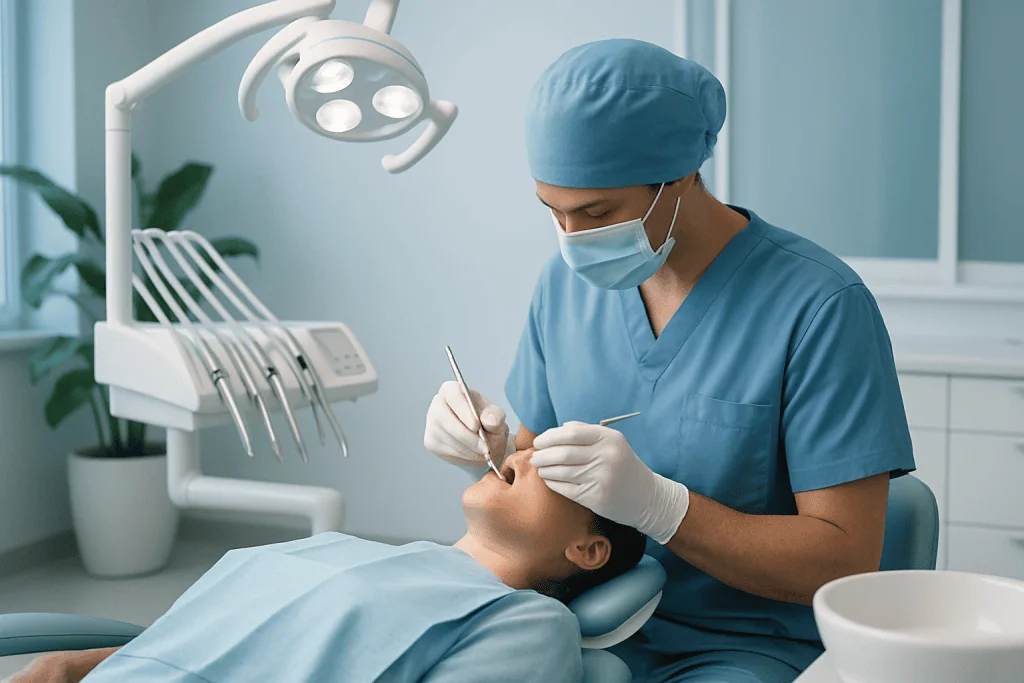
Holistic dentistry is a dental care approach that treats the mouth as part of the body. A holistic dentist plans treatment around your full medical history, gum health, bite and habits — not a single tooth in isolation. Care emphasises prevention, careful selection of biocompatible materials, and the least invasive treatment that can solve the problem safely, using established diagnostics such as digital imaging and periodontal assessment.
What Is Holistic Dentistry?
Holistic dentistry is an approach to dental care that treats the mouth as part of the body, not as a separate compartment. A holistic dentist plans treatment around your whole health picture — medical history, medications, gum condition, bite forces, sleep, habits and personal priorities — rather than around a single tooth in isolation. The approach favours prevention, thoughtful material selection and the least invasive treatment that can solve a problem safely and predictably. It is sometimes called whole-person dentistry or integrative dentistry, and the two labels describe essentially the same clinical philosophy.
It is worth being clear about what holistic dentistry is not. It is not a rejection of modern dental science, and it does not replace necessary treatment with unproven methods. In a responsible clinical setting, the holistic label describes a way of planning care: evaluating the mouth in the context of the body, choosing materials with the individual patient in mind, preventing disease before it becomes complex, and avoiding overtreatment. The diagnostics behind it are the established ones — digital imaging, periodontal measurements, cavity risk assessment, bite analysis, oral cancer screening and a detailed medical history — applied with a wider lens.
The reasoning behind the approach is straightforward. Inflammation, infection, chewing function, nutrition, sleep quality, stress and material compatibility can all influence how dental disease develops and how treatment should be sequenced. Gum disease and diabetes interact. Certain medications change saliva, bleeding risk or bone metabolism. Clenching can destroy a technically excellent restoration. A treatment plan that ignores these connections may fix a visible problem while leaving the cause untouched. A plan that accounts for them tends to last longer.
At Acibadem, holistic dentistry sits within a broader medical environment. Dental specialists in the Dental & Oral Health unit can collaborate with physicians when a patient’s health history requires it. That matters most for patients with diabetes, cardiovascular conditions, autoimmune disease, pregnancy considerations, allergies, a cancer history, osteoporosis medication use or complex medication profiles. The goal in every case is the same: a dental plan that supports oral health, respects the patient’s medical background, and avoids unnecessary intervention wherever a conservative option exists.
What does a holistic dentist do?
A holistic dentist performs the same core clinical work as any qualified dentist — examination, diagnosis, prevention, restoration, periodontal care — but frames each decision within the patient’s overall health. In practice, that means a longer initial assessment. Expect detailed questions about your medical conditions, medications, allergies and sensitivities, diet, smoking or tobacco use, sleep habits and oral hygiene routine, alongside the clinical examination of teeth, gums, jaw joints, bite, oral soft tissues and existing restorations.
It also means a different emphasis in treatment planning. A holistic dentist will typically prioritise controlling active disease and inflammation before elective work, look for the cause behind recurring problems rather than repeatedly patching the result, discuss the properties and suitability of restorative materials openly, and prefer monitoring or conservative repair over replacement when a restoration is stable. Patient education carries real weight in this model, because the most effective dentistry is not limited to what happens in the chair. Daily hygiene, sugar frequency, bruxism management, systemic disease control and regular follow-up all shape long-term results.
What is the difference between a regular dentist and a holistic dentist?
The difference is one of scope and emphasis, not of qualification. Both are trained dentists using the same diagnostic foundations. A conventional appointment often focuses on the presenting problem: the painful tooth, the broken filling, the visible cavity. A holistic dentist treats that same problem but asks additional questions around it. Why did this tooth decay when its neighbours did not? Is the gum inflammation local, or part of a wider pattern? Is the bite overloading this corner of the mouth? Does the patient’s medical history change the material choice, the healing expectations or the timing?
The honest caveat is that the terms are not regulated in most countries. Many conventionally trained dentists already work this way without using the label, and some clinics use the label as marketing without changing their clinical practice. The label alone tells you little; the assessment process and the reasoning behind the treatment plan tell you much more. A thorough medical history, a documented periodontal examination, a willingness to explain why a treatment is or is not necessary, and a preference for conservative options are better indicators than any word on a website.
What do biological dentist, biologic dentistry and similar terms mean?
A biological dentist is, in most usage, the same thing as a holistic dentist: a clinician who emphasises the relationship between oral and systemic health, biocompatible materials and minimally invasive care. Biologic dentistry is simply an alternative spelling of the same concept, more common in North American writing. You will also encounter compressed forms such as bio dentist, and occasionally the mistaken variant biologist dentist — a search-engine artefact rather than a real professional title, since a biologist and a dentist are different professions.
One further source of confusion is worth naming. Search results for these terms often mix philosophy with branding: names such as bloom dental, for example, belong to individual local practices rather than to the discipline itself. When you research this field, it helps to separate three things — the clinical philosophy (prevention, whole-body awareness, conservative treatment), the specific claims a given clinic makes, and the brand name it trades under. The philosophy is broadly consistent across countries. The claims vary widely, and some deserve scrutiny, as the next section explains.
Is holistic dentistry legitimate?
The core principles of holistic dentistry are legitimate and, in fact, mainstream. Prevention-focused care, the link between periodontal inflammation and systemic conditions, minimally invasive treatment, and careful material selection are all supported by conventional dental science and taught in dental schools. In that sense, good holistic dentistry is simply good dentistry with its priorities stated explicitly.
Where the field earns criticism is at its fringes. Some practices marketed under the holistic or biological label promote interventions that lack sound evidence — for example, recommending the routine removal of stable, intact restorations without a clinical reason, refusing well-indicated procedures outright, or selling detoxification protocols with no demonstrated benefit. Removing a sound restoration can weaken a healthy tooth; refusing an indicated treatment can allow infection to progress. A responsible clinic will distinguish clearly between what the evidence supports and what it does not, and will tell you when the most holistic option is to do nothing at all. That distinction — evidence-aware caution rather than ideology — is the test worth applying to any clinic using these terms.
Who May Benefit from Seeing a Holistic Dentist?
Holistic dentistry suits patients who want care that is clinically thorough and attentive to their general health. It is not reserved for people with unusual concerns or complex medical histories. Many patients choose the approach simply because they want preventive, conservative, individualised care rather than a treatment plan focused on isolated teeth.
Patients typically come to this kind of consultation with recurring cavities, gum inflammation, persistent bad breath, tooth sensitivity, jaw pain, headaches related to clenching, old or failing restorations, missing teeth, or questions about the materials used in previous dental work. It is also a common route for people who have been told they need extensive treatment and want a second opinion that weighs function, prevention and long-term maintenance alongside the immediate findings.
Patients with systemic conditions often find the approach particularly valuable. Diabetes affects gum disease and wound healing. Cardiovascular health and periodontal inflammation may be connected through broader inflammatory pathways. Certain medications contribute to dry mouth, gum changes, bleeding risk or bone metabolism concerns. Cancer treatments can affect oral tissues and salivary function. Pregnancy changes oral health needs. In each of these situations, dental treatment should be planned with medical awareness, and a whole-person model builds that awareness in from the start.
Importantly, holistic dentistry is also relevant to patients who are not currently in pain. Dental disease often develops quietly. Gum disease can progress with minimal discomfort. Cracks deepen before symptoms become severe. Decay under an old filling may be invisible without imaging. Bone loss around teeth or implants advances gradually. A whole-person approach places strong emphasis on identifying these risks early and creating a plan before urgent care becomes necessary.
How is a holistic dental assessment carried out?
Assessment begins with a detailed conversation about your symptoms, previous dental treatments, allergies, medications, lifestyle factors, hygiene routine, diet, tobacco use, sleep habits and medical history. Existing X-rays and records of previous dental work are genuinely useful planning material, because they show how the mouth has changed over time and which restorations have a history of trouble — although a diagnosis always rests on the in-person examination, never on documents alone.
The clinical examination typically covers the teeth, gums, bite, jaw joints, oral mucosa, existing restorations, signs of wear, tooth mobility, infection, aesthetic concerns and missing teeth. Periodontal charting measures gum pockets and bleeding. Imaging may be used to evaluate tooth roots, bone levels, decay beneath restorations, implant sites, impacted teeth or sinus proximity. In complex cases, three-dimensional imaging, digital impressions, photographic records and specialist review may be added. None of this is exotic; what distinguishes the holistic assessment is that the findings are read together, as one picture, before any treatment is proposed.
Conditions and Indications Addressed by Holistic Dentistry
Holistic dentistry is not a single procedure but a framework for assessment and planning. The actual treatment may draw on preventive dentistry, periodontal care, restorative dentistry, implant dentistry, endodontics, orthodontics, oral surgery, prosthodontics or cosmetic dentistry, depending on what the assessment reveals.
Common indications include tooth decay, early enamel demineralisation, recurrent cavities, gum disease, bleeding gums, gum recession, tooth sensitivity, worn or cracked teeth, failing crowns or fillings, missing teeth, bite imbalance, bruxism, jaw muscle tension, and concerns about old dental materials. Aesthetic concerns — discoloration, uneven tooth shape, spaces, damaged enamel, an ageing smile — can also be addressed within this framework, with dental health and structural preservation kept firmly ahead of appearance.
Periodontal disease deserves particular emphasis. Gum inflammation is not a cosmetic detail. Untreated, it can lead to bone loss, loose teeth, tooth loss, discomfort and chronic inflammation. For patients with diabetes, cardiovascular risk factors, pregnancy or immune-related conditions, periodontal stability carries added weight. Treatment may include professional cleaning, deep cleaning where pockets require it, home care coaching, antimicrobial strategies when appropriate, structured maintenance scheduling and, for medically complex patients, coordination with the treating physicians.
Material concerns are another frequent reason patients seek this kind of care. Some ask about replacing metal restorations, reducing exposure to particular materials, or moving to ceramic or tooth-coloured options. These decisions need care. Not every old restoration should be replaced, and removing a stable restoration without a clear clinical reason can weaken the tooth it sits in. A sound evaluation asks whether the restoration is actually failing, whether decay or fracture is present underneath, which alternative materials suit the tooth and the patient, and how any replacement can be performed safely — including appropriate isolation and technique where old materials are removed.
Comprehensive rehabilitation is where the framework shows its full value. A patient may present with missing teeth, bite collapse, worn enamel, gum disease and old restorations all at once. Holistic planning means sequencing intelligently: controlling infection first, stabilising gum health, addressing pain, evaluating bite forces, then planning restorations or implants, and finally maintaining the result. This reduces the risk of treating one problem while overlooking another that would undermine the outcome — a common failure mode when full-mouth work is planned tooth by tooth.
Holistic dental care can also support patients preparing for major medical treatment. Before certain cancer therapies, cardiac procedures, transplant-related care or medications affecting bone metabolism, dental infections may need to be identified and resolved. Here dentistry becomes part of broader medical risk reduction, and the dental plan must be timely, clearly documented and coordinated with the treating medical team. This is one of the situations where a hospital-based dental department has a structural advantage over a standalone clinic.
Why do holistic dentists not do root canals?
Some — not all — clinics working under the holistic label avoid root canal treatment, usually citing concerns that a treated tooth could harbour residual bacteria and affect general health. It is important to state the evidence plainly: root canal treatment is an established, extensively studied procedure, and mainstream dental science supports it as a safe way to retain a natural tooth when the pulp is irreversibly damaged. The historical “focal infection” arguments used against it are not supported by modern research of good quality.
A responsible whole-person approach therefore does not refuse root canals as a category. It evaluates each tooth on its merits: the extent of the infection, the amount of remaining tooth structure, the restorability of the crown, the bite forces the tooth will carry, and the patient’s medical situation. Sometimes the answer is a well-executed root canal and a protective restoration. Sometimes it is not — and that judgement should rest on clinical findings, not on doctrine in either direction.
What will a holistic dentist do instead of a root canal?
When a root canal is genuinely not advisable — because the tooth is fractured below the gumline, has too little sound structure to restore, or has a poor long-term prognosis — the realistic alternative is extraction followed by replacement. Replacement options include an implant-supported crown, a dental bridge or, in some cases, a removable prosthesis, each with its own requirements for bone, gum health and maintenance. Earlier in the disease process, conservative options may still be open: deep decay caught in time can sometimes be managed with careful excavation and pulp-protective techniques that avoid root canal treatment altogether. What a trustworthy clinician will not do is present extraction of a saveable tooth as the automatically “healthier” choice. Removing a functional natural tooth has its own biological cost, and that cost belongs in the conversation.
How Holistic Dental Treatment Is Performed
Because holistic dentistry is a care model rather than one standardised procedure, the process runs from comprehensive evaluation through a personalised plan to structured maintenance. The steps are designed to establish not only what needs treatment, but why the problem developed and how future risk can be reduced. In outline, a typical pathway looks like this:
- Consultation and history — symptoms, priorities, medical background, previous dental work, lifestyle factors.
- Examination and diagnostics — periodontal charting, imaging, bite analysis, assessment of existing restorations, oral cancer screening.
- Discussion of findings — what is urgent, what is elective, what can be monitored, and the options for each.
- Stabilisation — control of infection, decay, gum inflammation and pain before elective work.
- Definitive treatment — restorations, periodontal therapy, implants, orthodontics or prosthetics as indicated, in a planned sequence.
- Maintenance — risk-based recall, hygiene support, bite monitoring and periodic reassessment.
Preparation and Initial Consultation
The first step is a detailed consultation, and it starts with your priorities. Some patients are most concerned about pain or infection. Others focus on replacing missing teeth, improving aesthetics, avoiding certain materials, or testing whether a previous recommendation was necessary. It helps to have to hand a list of current medications, details of any allergies or sensitivities, and records of previous dental work, because these directly shape material choices, healing expectations and treatment sequencing. A careful conversation aligns the plan with your health needs, schedule, budget considerations and expectations.
A full oral examination follows: periodontal charting, dental imaging, assessment of existing restorations, bite analysis, evaluation of tooth wear, oral cancer screening and photographs for planning. Where there are signs of infection, bone loss, root problems, jaw joint dysfunction or complex bite changes, further diagnostic steps may be recommended before any irreversible decision is made.
Personalised Planning and Material Selection
After diagnosis, the dental team explains the findings and the options. A holistic plan almost always prioritises active disease: infection, decay, gum inflammation and pain come before elective cosmetic or reconstructive work. Where several treatments could serve, the dentist should set out the benefits, limitations, risks, durability, maintenance needs and biological impact of each — including the option of monitoring rather than treating.
Material selection is handled deliberately. Depending on the case, options may include modern composite restorations, ceramic inlays or onlays, ceramic crowns, implant-supported restorations, removable prosthetics or protective appliances. The choice depends on remaining tooth structure, bite forces, aesthetic requirements, allergy history, gum health and long-term prognosis. Holistic dentistry does not assume one material is ideal for everyone; it matches the material to the person and the clinical situation, and where a sensitivity or allergy is suspected, additional evaluation may come before definitive treatment.
Minimally invasive planning runs through this stage. If a tooth can be restored conservatively, that usually beats a more aggressive procedure. If a restoration is stable and the tooth healthy, monitoring may beat replacement. But conservatism has a limit: a tooth with a genuinely poor prognosis that is left untreated can produce infection, bone loss and a far more complex reconstruction later. The aim is to be conservative, not passive — a distinction explored in more depth on our minimally invasive dentistry page.
The Treatment Process
The procedures themselves depend on the diagnosis. Preventive care may include professional cleaning, polishing, fluoride or remineralisation strategies where appropriate, dietary guidance, oral hygiene instruction and risk-based follow-up. Periodontal treatment may involve scaling and root surface debridement, localised antimicrobial care where indicated, maintenance visits and reassessment of pocket depths and bleeding over time.
Restorative treatment involves removing decay while preserving as much healthy tooth structure as possible, then restoring the tooth with a material chosen for that tooth and that patient. Digital impressions or intraoral scanning may be used in selected cases to improve comfort and accuracy. For crowns, onlays, veneers or implant restorations, digital planning helps evaluate shape, bite and aesthetics before the final restoration is manufactured.
When old restorations are replaced, the reason for replacement is established first: recurrent decay, fracture, leakage, poor contour affecting gum health, pain, aesthetic failure or a documented material concern. The removal itself is planned to protect the tooth and surrounding tissues, and the replacement material is selected on function, durability, aesthetics and the patient’s clinical profile — not on a blanket policy.
For implants and oral surgery, advanced imaging assesses bone volume, nerve position, sinus anatomy and implant positioning; digital planning supports precise placement and prosthetic design. Where the bone is insufficient, bone grafting may be discussed as a preparatory step. For medically complex patients, the dental team coordinates with the relevant physicians on infection risk, healing considerations and timing — any adjustment to medication remains a decision for the treating doctor, never the dental chair.
Bite-related treatment enters the plan when crowding, traumatic bite forces or tooth wear are contributing to the problem. This does not mean every patient needs orthodontics. It means bite function is assessed as part of long-term planning, because a filling, crown, implant or veneer can fail prematurely if clenching, grinding or an unstable bite goes unaddressed. Night guards, targeted bite adjustment or orthodontic referral each have their place.
Technology Used in Holistic Dentistry
Technology in this model serves accuracy, comfort and conservative care. Digital radiography reduces radiation exposure compared with traditional film while producing clear diagnostic images. Three-dimensional imaging is reserved for cases where detailed anatomy genuinely matters — implants, surgery, impacted teeth, complex infection assessment — rather than used routinely. Intraoral scanners can replace conventional impression trays in many cases, improving comfort and supporting precise design of restorations, aligners, appliances and implant prosthetics. These tools sit within the broader field of digital dentistry.
Magnification, strong illumination and fine instruments help clinicians identify cracks, restoration margins, early decay and tissue changes that would otherwise be missed — and early identification is what makes conservative treatment possible. Clinical photography documents the starting condition, supports the discussion of options and tracks progress over time. Laboratory collaboration completes the picture, particularly for ceramic restorations and implant prosthetics, where fit, contour, material quality and bite harmony determine long-term comfort.
How does laser dentistry enhance holistic dental care?
Dental lasers can support the holistic goals of precision and tissue preservation in selected procedures. Depending on the type of laser and the indication, they may be used for soft-tissue procedures such as gum contouring or managing inflamed pocket tissue, and in some cases to assist decay removal with less vibration than a conventional drill. For suitable patients this can mean less tissue trauma and a more conservative intervention. The honest limits: lasers are a tool, not a philosophy, they are not appropriate for every procedure, and a laser in the clinic does not by itself make care holistic. Where a laser genuinely serves the case, it fits the model well; where it does not, conventional instruments remain the right choice. You can read more on our laser dentistry page.
Typical Duration and Recovery
Duration varies widely because the plan is individual. A preventive visit or consultation may be completed in one appointment. A simple restoration needs a short clinical session. Periodontal therapy may run over several visits. Comprehensive rehabilitation involving implants, gum treatment, orthodontics or multiple restorations can take weeks to months, particularly where healing time is required between stages.
Recovery likewise depends on the procedure. After routine cleaning or simple fillings, most patients return to normal activities the same day. After deep periodontal cleaning, temporary tenderness or sensitivity is common for a few days. After oral surgery or implant placement, swelling, mild bruising and dietary modifications are expected during early healing. Your team provides written instructions on hygiene, prescribed medication use, eating and follow-up for each stage.
Why Acting Early Matters
Most dental problems are easier, more comfortable and more conservative to treat when found early. A small area of decay may be managed with prevention or a small restoration; left to progress, it may need a larger filling, root canal treatment, a crown or extraction. Early gum inflammation is often reversible with professional care and improved home hygiene; advanced periodontal disease causes bone loss that is much harder to rebuild.
Delay also raises complexity beyond the single tooth. Chronic oral infection places additional inflammatory stress on the body. Dental abscesses can become painful and may spread. Missing teeth shift the bite, overload the remaining teeth and can contribute to jaw discomfort or chewing difficulty. Worn or cracked teeth can fracture further — sometimes below the gumline, which limits the options for saving them.
Timing also matters for anyone with a demanding schedule. A mildly sensitive tooth has a way of becoming painful at the least convenient moment; a loose crown can dislodge without warning; gum infection can flare under stress or a changed routine. An early, unhurried evaluation establishes what should be treated promptly and what can safely be monitored — which is far more comfortable than making that decision under pressure.
Acting early does not mean accepting unnecessary procedures. In a holistic model, early action usually means better diagnosis, prevention, monitoring and risk control — intervening at the right time, with the appropriate level of care, and no more.
Benefits of Holistic Dentistry
The benefits are best understood as the practical advantages of individualised, prevention-focused, whole-person planning rather than as a list of promises.
| Benefit | What It Means for You |
|---|---|
| Whole-person assessment | Your dental plan takes into account your medical history, medications, lifestyle, oral findings and personal priorities rather than focusing only on a single tooth. |
| Prevention-centred care | The goal is to reduce future disease risk through early diagnosis, gum health management, home care guidance and risk-based follow-up. |
| Biocompatible material planning | Restorative materials are selected thoughtfully according to clinical need, durability, aesthetics, allergy history and tissue response. |
| Minimally invasive treatment | Wherever appropriate, healthy tooth structure is preserved and treatment is limited to what is clinically necessary and beneficial. |
| Improved long-term maintenance | A clear maintenance plan helps protect restorations, implants, gum health and natural teeth after active treatment is completed. |
| Coordination for complex patients | Patients with systemic conditions benefit from dental care planned with broader medical considerations in mind. |
Recovery Timeline After Holistic Dental Treatment
Because a holistic plan may combine different procedures, the recovery timeline depends on what was actually done. The following is a general reference, not a schedule for any specific case.
| Time Period | What Patients Can Expect |
|---|---|
| Day 1 | After examination, cleaning or simple restorative care, most patients return to normal activities. After surgical or periodontal procedures, mild soreness, numbness or minor bleeding can occur as expected. |
| First Week | Sensitivity after fillings or deep cleaning usually improves gradually. After surgery, swelling and tenderness typically begin to decrease, and soft-food recommendations may apply. |
| First Month | Gum tissues continue to stabilise after periodontal care. Restorations are adjusted if needed for comfort. Patients settle into updated hygiene routines and appliance use if prescribed. |
| Longer Term | Maintenance visits, imaging when indicated, bite monitoring and periodontal reassessment help protect results and identify new concerns early. |
Cost and Insurance Considerations
Holistic dentistry has no separate price list of its own, because it is a planning philosophy applied to standard categories of treatment. What you pay reflects the procedures your plan actually contains — an examination, a periodontal course, restorations, implants, appliances — plus the diagnostics behind them. The main cost drivers are the extent of active disease at the start, the number and type of restorations, the materials chosen, whether surgery or laboratory work is involved, and how many visits the sequence requires.
Is holistic dentistry more expensive?
Not inherently, though the initial assessment is often more extensive than a routine check-up, and comprehensive diagnostics take clinical time. Whether the overall course costs more depends on the plan. A conservative, prevention-led approach can reduce spending over the years by avoiding repeat treatment and catching problems while they are small; equally, a plan built around premium ceramic materials or full-mouth rehabilitation involves more laboratory work than a single filling ever would. The useful question is not whether the label costs more, but whether each proposed item in your plan is clinically justified — a question any good clinician should welcome.
Is holistic dentistry covered by insurance?
Coverage depends on your insurer and policy, not on the holistic label. Because the underlying procedures are standard dental treatments — examinations, cleanings, fillings, crowns, periodontal therapy, extractions — they are typically assessed by insurers under their usual dental categories, subject to the limits and exclusions of the individual policy. Purely elective or cosmetic elements are commonly excluded by insurers regardless of the philosophy behind them. It is sensible to keep itemised documentation of diagnoses and procedures, which most insurers require for any claim, and to check how your policy classifies each category of treatment before a plan begins.
What Influences a Good Result?
A successful outcome depends on accurate diagnosis, appropriate treatment selection, skilled execution and consistent maintenance. It also depends on your overall health and daily habits. Dentistry is a partnership: even the best restoration or periodontal treatment needs ongoing care to remain stable.
The starting condition matters most. A small cavity, mild gingivitis or an early wear pattern is generally easier to manage than advanced decay, severe bone loss or multiple failing restorations. This is the practical argument for early evaluation: the more natural tooth structure and supporting bone that can be preserved, the more options remain open.
Medical health matters. Diabetes control, smoking status, immune function, nutrition, hormonal changes and certain medications all influence gum inflammation, infection risk, bone healing and dry mouth. Patients taking blood thinners, osteoporosis-related medications, immunosuppressive therapies or cancer treatments may need special planning, and coordination with the treating physicians helps establish safe timing for dental procedures. Any change to medication is decided by the treating doctor.
Bite forces matter. Teeth and restorations absorb significant pressure during chewing, clenching and grinding. If bruxism or bite imbalance is present and unmanaged, restorations can chip, wear, loosen or fracture. A night guard, bite adjustment, orthodontic assessment or restorative redesign may be part of protecting the result — sometimes the least glamorous item in the plan is the one that preserves everything else.
Material selection influences durability and comfort, and no dental material is ideal for every situation. Ceramic restorations offer excellent aesthetics and tissue compatibility but require proper design, bonding and bite management. Composite restorations are conservative and tooth-coloured, but larger composites have different longevity expectations from ceramics. Implant components must suit the bone conditions, aesthetic needs, hygiene access and functional load. Honest material advice acknowledges these trade-offs rather than presenting one option as universally superior.
Your own commitment matters as much as anything the clinic does. Brushing technique, interdental cleaning, diet, sugar frequency, acidic drink exposure, tobacco use, follow-up attendance and appliance compliance all shape long-term results. Holistic dentistry invests in patient education precisely because patients who understand their own risk factors maintain their oral health better after treatment ends.
Finally, realistic expectations are part of a good result. Holistic dentistry can improve oral health, comfort, function, appearance and preventive awareness, but outcomes vary between patients and between teeth. Some teeth carry a guarded prognosis despite careful treatment. Gum disease may require long-term maintenance rather than a one-off fix. Implant therapy may need staged healing. Aesthetic ambitions must respect biology and function. A good result is one that is healthy, stable, maintainable and aligned with your clinical reality — not one that matches a photograph.
Holistic Dentistry at Acibadem
The setting shapes what a whole-person approach can actually deliver. Holistic dentistry requires more than a list of alternative materials; it requires diagnosis, coordination, prevention and clinical discipline, and it benefits from proximity to medical specialties when a patient’s health history is complex.
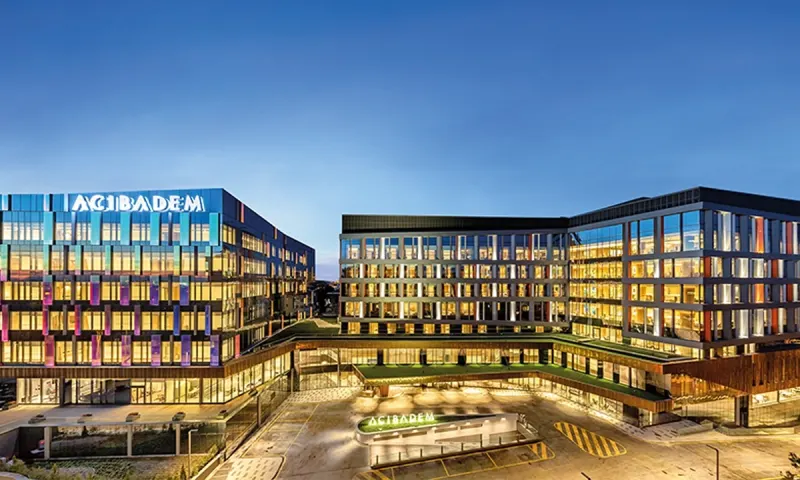
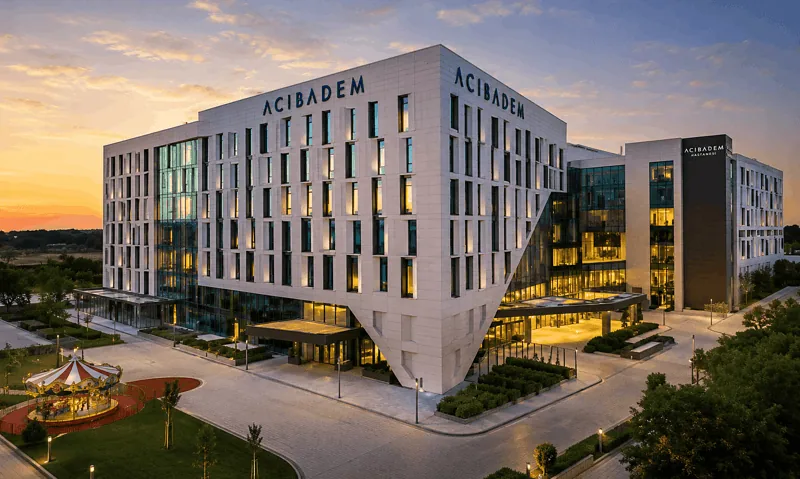
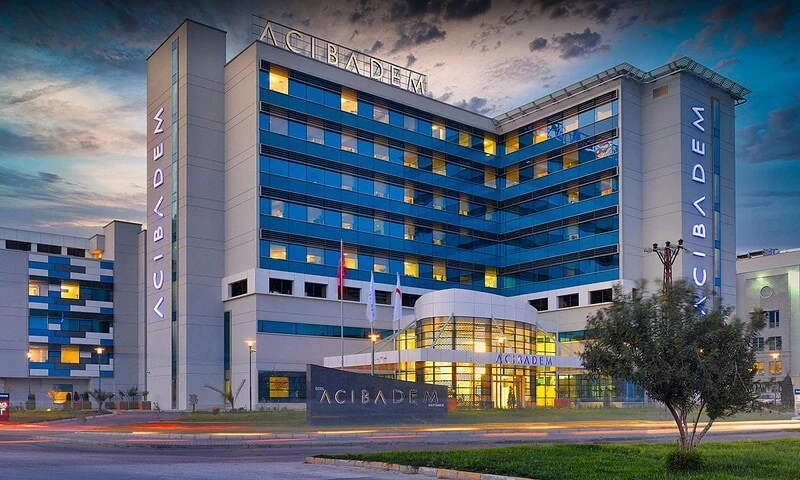
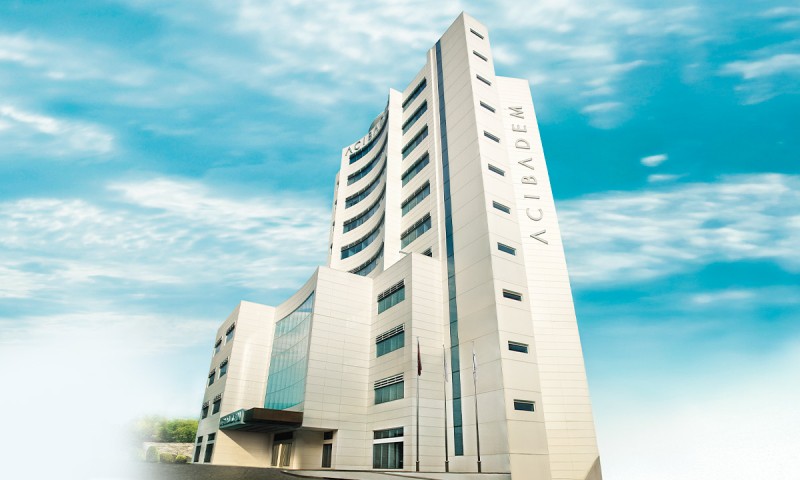
Acibadem provides dental care within a broader hospital environment. When appropriate, dental specialists can coordinate with physicians in areas such as endocrinology, cardiology, oncology, internal medicine, anaesthesiology and radiology. This collaborative structure is most relevant for patients with diabetes, heart disease, a cancer history, immune conditions, complex medication use or surgical risk factors — the same patients for whom a whole-person model matters most. For anxious patients or those needing longer procedures, options such as sedation dentistry can also be discussed within the same clinical framework.
Care follows evidence-based clinical protocols and individualised planning. The dental team evaluates your current condition, previous dental work, medical background, expectations and scheduling constraints before recommending a plan. In complex cases, specialist review or multidisciplinary discussion is used to settle sequencing and to strip out unnecessary procedures — a safeguard that matters particularly for full-mouth rehabilitation, implant treatment, periodontal therapy or the replacement of multiple restorations. Hospital systems for infection prevention, documentation and consent give the process structure: appointments, diagnostics, treatment steps, recovery instructions and follow-up are recorded and explained rather than improvised.
Diagnostic and planning technology — digital radiography, three-dimensional imaging where indicated, intraoral scanning, clinical photography and laboratory-supported restorative design — supports conservative planning and helps clinicians explain findings clearly. When a plan spans several appointments or requires input from more than one specialty, coordinated scheduling and shared records keep the sequence coherent, so that each stage builds on documented findings rather than starting from scratch.
A holistic consultation here is also a place for plain speaking. You should leave understanding which treatments are necessary, which are optional, which can be staged and which are not advisable at all. Where you arrive with an existing diagnosis, the clinical team can review whether the proposed treatment is consistent with your oral findings and long-term health — and say so either way.
Maintaining the Result
Holistic dentistry does not end when active treatment does. The final phase of any well-built plan is maintenance: risk-based recall intervals, professional cleaning, periodontal reassessment, bite monitoring, imaging when indicated, and adjustment of home care as your circumstances change. Restorations and implants are checked for wear, fit and hygiene access. New risks — a changed medication, a new medical diagnosis, a shift in habits — are folded back into the plan rather than discovered by accident years later.
This is where the whole-person framing earns its keep. Prevention, function, materials, comfort, aesthetics and the connection between the mouth and the rest of the body are not six separate projects; they are one plan, reviewed on a schedule that matches your actual risk. Whether your starting point is a second opinion, periodontal care, replacement of old restorations, implant planning or preventive guidance, the sequence is the same: careful diagnosis first, an honest discussion of the options second, and treatment — only as much as the evidence supports — third.
Preparation
- Before holistic dentistry care, the dentist reviews your medical history, medications, allergies, dental concerns, and previous dental materials. Digital imaging or oral examination may be recommended to assess teeth, gums, bite, and existing restorations. Patients should share any chronic conditions, pregnancy status, or sensitivities to materials.
Aftercare
- After routine holistic dental care, you can usually return to daily activities immediately. Follow the dentist’s instructions for oral hygiene, diet, and any recommended products or follow-up visits. If a filling, deep cleaning, or minor dental procedure is performed, temporary sensitivity may occur and should be monitored.
Turkey vs UK, Germany & USA
Holistic dentistry costs vary because treatment is personalised to oral health findings, material preferences and overall wellbeing goals. Comparing destinations can help international patients understand how hospital standards, clinician expertise, package inclusions and travel logistics may affect the overall experience.
The comparison below focuses on practical factors that can influence the cost and patient experience for holistic dentistry in different healthcare settings.
| Factor | Turkey | UK | Germany | USA |
|---|---|---|---|---|
| Price drivers | Often influenced by dental clinic setting, specialist input, biocompatible materials, diagnostic imaging and whether multiple treatments are combined in one plan. | Costs may vary by private clinic location, dentist experience, laboratory fees and whether care is outside public dental coverage. | Costs may reflect regulated clinical pathways, laboratory standards, specialist involvement and material selection. | Costs can vary widely by state, private practice setting, insurance coverage, material choice and specialist referrals. |
| Hospital and dentist factors | International hospital groups may offer multidisciplinary support, coordinated appointments and dentists experienced with international patients. | Care is commonly delivered through private dental practices or specialist clinics, with referrals when needed. | Care may involve structured diagnostics, dental specialists and laboratory collaboration, particularly for restorative planning. | Care may be delivered through general dentists, biological dentistry practices or specialists, depending on the case. |
| Accreditation and quality | Patients may choose internationally accredited hospitals, including JCI-accredited facilities, with established safety and infection-control processes. | Quality is supported by national professional regulation and clinic standards, with private options available. | Quality is supported by professional regulation, technical standards and established dental laboratory systems. | Quality is supported by state licensing, professional bodies and clinic-level safety protocols. |
| Waiting times | International patient teams may help arrange consultations, diagnostics and treatment planning within a coordinated travel schedule. | Private appointments may be scheduled faster than public pathways, depending on clinic availability. | Appointment timing depends on practice availability, specialist access and laboratory workflow. | Timing varies by location, provider availability, insurance processes and specialist scheduling. |
| Travel and language logistics | International departments may support language assistance, airport transfers, appointment coordination and hotel guidance. | Less travel support may be needed for local patients; international patients usually arrange logistics separately. | International patients may need to plan translation, travel and follow-up coordination in advance. | Travel distances and local transport can be significant; language support depends on the provider. |
| Package inclusions | Packages may include consultation, diagnostics, treatment planning, selected procedures and patient coordination, depending on the quote. | Fees are often itemised by consultation, imaging, treatment and laboratory work. | Quotes may separate diagnostics, clinical procedures, materials and dental laboratory services. | Quotes may be itemised and affected by insurance approvals, exclusions and provider network rules. |
What affects your final cost
- Type and complexity of dental treatment required.
- Need for imaging, laboratory work, periodontal care or restorative procedures.
- Choice of biocompatible, ceramic, zirconia or other materials.
- Whether old restorations, amalgam fillings or infections need management.
- Specialist involvement, sedation requirements and follow-up needs.
- Travel, accommodation, translation and appointment coordination preferences.
Compare your options
Holistic dentistry is not a single procedure; it is an approach that may combine preventive, restorative and supportive dental options. Suitability is decided by a specialist after examination and diagnostic assessment.
| Option | What it is | Typical use | Key considerations |
|---|---|---|---|
| Comprehensive holistic dental assessment | A detailed review of oral health, medical history, lifestyle factors, bite function, gum health and existing dental materials. | Used to create an individual treatment plan that considers both dental findings and patient preferences. | May involve imaging and collaboration with other clinicians when general health factors are relevant. |
| Preventive and minimally invasive care | Conservative treatments focused on preserving natural tooth structure and reducing future disease risk. | Used for early decay, sensitivity, enamel wear, gum health support and long-term maintenance. | Requires patient participation through home care, nutrition guidance and regular follow-up. |
| Biocompatible restorative dentistry | Use of selected filling, crown, inlay or onlay materials chosen with attention to durability, aesthetics and tissue compatibility. | Used when teeth need repair after decay, fracture, wear or replacement of older restorations. | No material is suitable for every patient; allergies, bite forces, aesthetics and clinical evidence must be considered. |
| Metal-free dentistry | Restorations using ceramic, zirconia or composite materials where clinically appropriate. | Used for patients who prefer non-metal restorations or need highly aesthetic dental work. | Material choice depends on tooth position, strength requirements, gum health and laboratory quality. |
| Amalgam filling replacement | Removal of existing amalgam restorations and replacement with alternative materials when clinically indicated. | Considered for failed, cracked, leaking or patient-requested replacement of old fillings. | Removal should be planned carefully with isolation, suction and protective measures; unnecessary removal may not be recommended. |
| Gum and oral inflammation management | Assessment and treatment of gum disease, plaque control, oral hygiene habits and inflammation risk factors. | Used when bleeding gums, bone loss, bad breath, mobility or implant planning concerns are present. | Long-term success depends on maintenance care and controlling contributing factors. |
| Implant and tooth replacement planning | Evaluation of options such as ceramic or titanium implants, bridges or removable solutions. | Used when teeth are missing or cannot be saved. | Bone volume, gum health, bite, medical history and material preference all influence the recommendation. |
General information only — not medical or financial advice. Final costs depend on the factors above and your individual case; request a free, personalised quote.
Frequently Asked Questions
What affects the cost of holistic dentistry?
The final cost depends on the diagnosis, the number and type of treatments needed, material selection, laboratory work, imaging, specialist involvement and whether old restorations or gum problems need treatment. A personalised plan is required before an accurate quote can be prepared.
How can I get a quote from Acibadem International?
You can request a free consultation by sharing your dental concerns, available X-rays or scans, medical history and preferred travel timing. The clinical team can then review your case and provide a personalised treatment plan and quote.
Are biocompatible or metal-free materials more expensive?
They can affect the overall cost because material type, laboratory work, durability requirements and aesthetic expectations vary. Your dentist will explain suitable options and why a specific material is recommended for your case.
Does a holistic dentistry package include travel services?
Package contents vary by treatment plan. For international patients, coordination may include appointment scheduling, language support and guidance on travel or accommodation, but inclusions should be confirmed in your written quote.
Can all dental work be completed in one trip?
Some treatments can be planned within a single travel period, while others require healing, laboratory stages or follow-up visits. The timeline depends on your oral health, the procedures selected and the specialist’s recommendation.
Is holistic dentistry suitable for everyone?
Holistic dentistry is personalised, but not every option is appropriate for every patient. A dentist or relevant specialist must assess your teeth, gums, bite, medical history and treatment goals before recommending care.
Medically reviewed by the Acıbadem International Medical Board — August 30, 2026
See our medical review board →
Update history
- PublishedJune 8, 2026
- Medical review approvedAugust 30, 2026
- Last content updateAugust 30, 2026
Trusted care for international patients
Doctors Performing This Treatment

Assoc. Prof. Dr. Ferit Bayram
Oral & Dental Health
Dr. Ezgi Gülüm
Oral Dental & Maxillofacial Surgery
Dr. Emre Çengelli
Oral Dental & Maxillofacial Surgery
Dr. Arzu Morçiçek
Oral & Dental HealthDr. Deniz Turgut
Oral & Dental Health
Dr. Ceyda Sabancı
Oral & Dental Health
Dr. Çağla Su Doğangün Ayduk
Oral & Dental Health
Dr. Begüm Öykü Kesim
Oral & Dental Health
Dr. Eylül Türsen
Oral & Dental Health
Dr. Zeynep Ezgi Akan
Oral & Dental Health
Dr. Metin Kınacı
Oral & Dental Health
Dr. Duygu Yavuzer Karadeniz
PeriodontolgyDr. Ali Riza Özdurmuş
Oral & Dental Health
Dr. Bedii Ender Topçu
Oral & Dental Health
Dr. Sebiha Nihal Yılmaz
Oral Dental & Maxillofacial SurgeryDr. Seda Saygılı Özaydın
Oral & Dental Health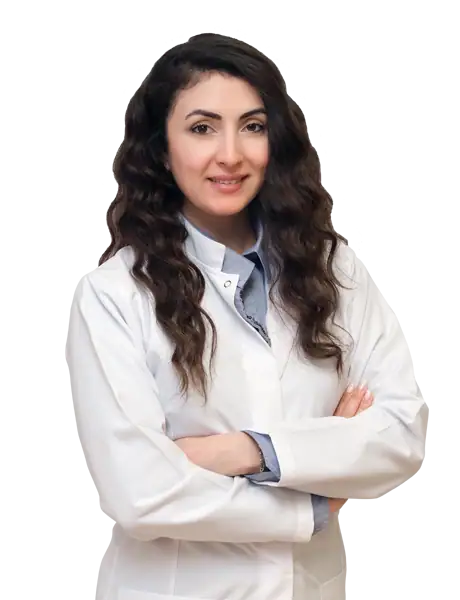
Dr. Zeynep Ekin Kılınç
Oral & Dental Health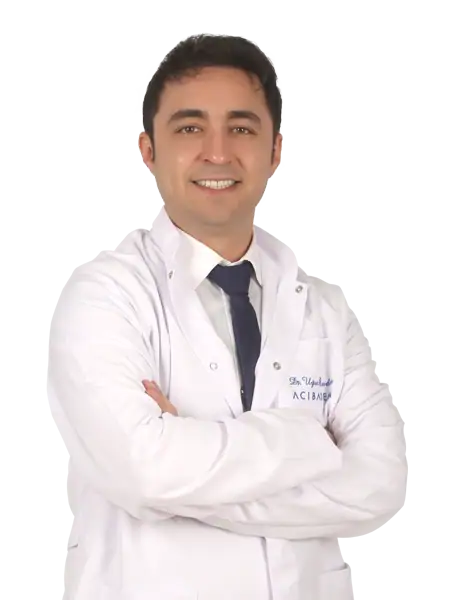
Dr. Uğur Önder
Oral & Dental Health
Dr. Helin Kuşsever Topçu
Oral & Dental Health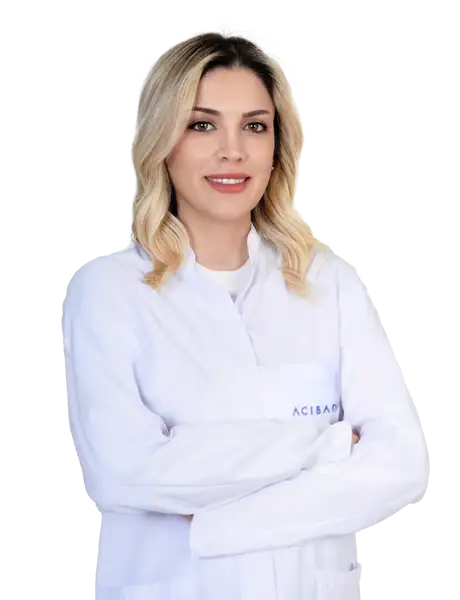
Dr. Pelin Açık
Oral & Dental Health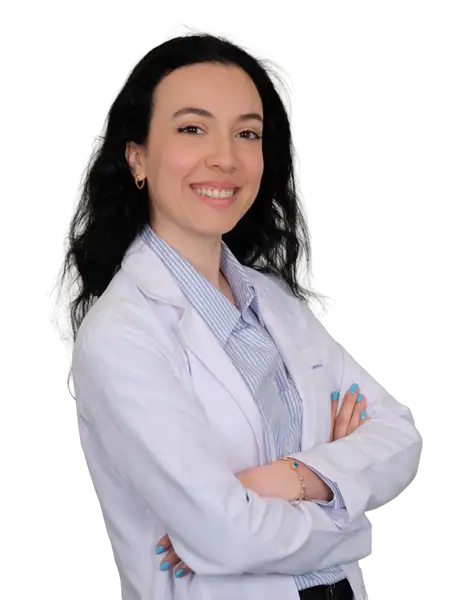
Dr. İpek Saygılı
Oral & Dental Health
Dr. Halime Bayram
Oral & Dental Health
Dr. Havva Gölalan
Oral & Dental Health
Dr. Merve Ağartıoğlu
Oral & Dental HealthMedical Units
Available at These Hospitals