Neurosport Medicine
Neurosport Medicine evaluates and manages sports-related neurological issues such as concussion, nerve injuries, balance problems and return-to-play readiness through multidisciplinary assessment and rehabilitation.
Quick answer
Neurosport medicine is a specialised field that evaluates and treats neurological problems caused or aggravated by sport, including concussion, persistent post-concussion symptoms, peripheral nerve injuries, balance and vestibular disorders, and exertional headaches. Care typically involves a detailed neurological assessment, selective testing such as imaging or nerve studies, symptom-targeted rehabilitation, and a graded, medically supervised plan for returning to school, work, training or competition.
What Is Neurosport Medicine?
Neurosport medicine is a specialised field that evaluates, treats and monitors neurological problems caused or aggravated by athletic activity. It looks at the nervous system as it functions in real life — during movement, exertion, balance, coordination, visual tracking, decision-making and competition — rather than only at rest in a clinic room. It is for anyone whose neurological symptoms are connected to sport or exercise: the concussed footballer, the cyclist with tingling hands, the runner with headaches triggered by exertion, the teenager whose dizziness will not settle after a fall.
The field draws on several disciplines at once. Neurosport medicine combines principles from neurology, sports medicine, physical medicine and rehabilitation, neuropsychology, physiotherapy, vestibular therapy and radiology, and brings in neurosurgery or orthopaedic care when necessary. No single specialty can answer every question a sports-related neurological injury raises. A neurologist may identify the injury; a physiotherapist may treat the balance disturbance it caused; a neuropsychologist may measure the cognitive load it can tolerate; a sports physician may judge when the demands of a specific sport can be met again. The value of neurosport medicine lies in bringing those perspectives together into one coherent plan.
The most familiar condition in this field is sport-related concussion. A concussion is a mild traumatic brain injury caused by a direct blow to the head, face, neck or body that transmits force to the brain. It does not always involve loss of consciousness — many concussed athletes never black out. In many cases, routine CT or MRI scans show no structural injury, yet the athlete experiences significant symptoms, because concussion primarily affects how the brain functions rather than how it looks on a scan.
Neurosport medicine also addresses nerve and movement-related problems well beyond concussion. Examples include brachial plexus “stingers” or “burners” in contact sports, peripheral nerve compression, cervical spine-related symptoms, balance disorders after head or neck trauma, headaches triggered by exertion, and neurological symptoms that mimic or overlap with musculoskeletal injury. The clinical task is to distinguish what is benign and recoverable from what needs urgent evaluation or a different pathway of care — and that distinction is not always obvious from symptoms alone.
A modern assessment usually includes a detailed history, a neurological examination, balance and coordination testing, cognitive and symptom assessment, and a review of the athlete’s training demands. Depending on the situation, additional investigations may include brain or spine imaging, nerve conduction studies, electromyography, vestibular testing, neuropsychological evaluation, visual function assessment or laboratory tests. The findings are then translated into a practical plan: relative rest, symptom-targeted rehabilitation, academic or work adjustments, graded exercise, nerve recovery strategies, pain control, and a staged return-to-play progression.
Is neurosport medicine only for professional athletes?
No. Neurosport medicine serves anyone whose neurological symptoms relate to physical activity, not only elite competitors. It is for children in school sports, recreational runners and cyclists, martial artists, skiers, football and basketball players, gym users, dancers and equestrians. The level of competition changes the practical questions — a professional may face contractual pressure to return, a schoolchild may need exam accommodations — but the medical principles remain the same at every level: accurate diagnosis, patient safety, measured progression and careful decision-making. A weekend runner’s brain deserves the same caution as a professional’s.
When a Sports-Related Neurological Problem Changes the Game
A head impact, a fall, a collision, sudden numbness in the arm, dizziness after training, or headaches that do not resolve as expected can quickly turn an active life into a period of uncertainty. For athletes, coaches and families, the question is rarely only “What is the diagnosis?” It is also “When is it safe to return?”, “Could playing too soon cause harm?”, “Why do symptoms persist when imaging looks normal?” and “Who can evaluate the brain, nerves, balance and performance together?”
Neurosport medicine exists for exactly these concerns. Its scope covers concussion, post-concussion symptoms, peripheral nerve injuries, balance and vestibular disorders, exertional headaches, visual-motor symptoms and return-to-play readiness. The goal is not simply to clear an athlete quickly. It is to understand the injury, protect neurological health, guide recovery, and support a safe and individualised return to school, work, training or competition.
Sports-related neurological issues can be complex because symptoms may be subtle, delayed, fluctuating or affected by exertion. A player may pass a standard scan but still have headaches, light sensitivity, concentration problems or dizziness. Another athlete may have weakness, tingling or pain from a nerve injury that affects throwing, grip, running stride or balance. Children and adolescents require particular care because their developing brains and school demands may influence recovery. Professional and competitive athletes may also face pressure to return before symptoms have fully stabilised — pressure that can come from schedules, teams, sponsors or the athlete’s own fear of losing form.
At Acibadem, neurosport medicine brings together neurological assessment, sports medicine expertise, rehabilitation planning and, when needed, input from related specialties. For international patients, this coordinated model matters in a practical way: a clear diagnosis, a documented treatment plan and structured follow-up help patients make informed decisions while receiving care away from home, and give the clinicians who continue that care afterwards something solid to work from.
Who May Need Neurosport Medicine?
Neurosport medicine is relevant when neurological symptoms follow a sports injury, when symptoms are not resolving as expected, or when a return-to-activity decision requires expert medical judgement. Many patients come to this field after a concussion, but others arrive because of numbness, weakness, balance difficulty, neck-related nerve symptoms, recurrent headaches during exertion, or performance changes that cannot be explained by orthopaedic injury alone. The common thread is that the nervous system — brain, spinal cord, nerve roots or peripheral nerves — is suspected of being part of the problem.
What are the symptoms of a sports-related concussion?
Common symptoms after a sports-related neurological injury include headache, dizziness, nausea, blurred vision, sensitivity to light or sound, fatigue, sleep disturbance, difficulty concentrating, memory problems, irritability, anxiety, reduced exercise tolerance and simply feeling “not right.” Some athletes have symptoms immediately. Others notice them hours later or the next day, especially after school, screen use, travel, training or mental effort. This delayed pattern is one reason a sideline assessment on the day of injury does not always tell the whole story, and why symptoms should be tracked over time rather than judged from a single moment.
What does a stinger or burner feel like?
A stinger or burner typically causes a brief episode of electric or burning pain shooting down one arm after a tackle or collision, often with temporary weakness, tingling or numbness in the hand. It usually represents a traction injury to the brachial plexus — the network of nerves between the neck and shoulder — and is particularly common in collision sports. Nerve-related symptoms can present in other ways too: an athlete may describe weakness when gripping, foot drop, shooting pain from the neck or back, or loss of coordination. Some episodes resolve within minutes, but recurrent episodes, persistent weakness or symptoms in both arms carry a different clinical meaning: bilateral symptoms can point to the cervical spine or spinal cord rather than a single nerve, which changes the diagnostic pathway entirely.
How is a sports-related neurological injury diagnosed?
Diagnosis begins with listening closely to the event and the symptom pattern. The clinician will ask how the injury occurred, whether there was loss of consciousness, confusion, a memory gap, seizure-like activity, vomiting, worsening headache or neck pain, and will review previous concussions, migraine history, learning difficulties, mood symptoms, medications and sports demands. For children and adolescents, school performance and sleep are also important. For adult athletes, occupational duties, travel schedules and training goals influence the plan.
The neurological examination may assess eye movements, pupils, strength, reflexes, sensation, coordination, gait, balance, neck function and cognitive status. Symptom scales and standardised concussion tools help track progress over time — repeated measurement is often more informative than a single test. If there are red flags or unclear findings, imaging may be recommended. CT may be used urgently when bleeding or skull injury is a concern, while MRI can provide more detailed evaluation of the brain, spine or nerves in selected cases. Nerve conduction studies and electromyography may help identify the location and severity of a peripheral nerve injury.
Patients also seek neurosport medicine for second opinions. This may happen when symptoms persist beyond the expected recovery period, when several specialists have given different recommendations, when a team or school requires medical clearance, or when a family wants a more structured plan before returning to international travel, training camp or competition. A second opinion is not a criticism of previous care; it is a way of testing whether the diagnosis holds and whether the plan fits the athlete’s actual circumstances.
Conditions and Indications Addressed by Neurosport Medicine
Neurosport medicine covers a broad spectrum of sports-related neurological concerns. Some are acute and require immediate assessment. Others are subacute or chronic, where the priority is to identify why recovery is slow and what interventions may help. The most common indications include:
- Sport-related concussion: evaluation and management after a head or body impact causing neurological symptoms, with guidance for cognitive rest, physical activity and return to play.
- Persistent post-concussion symptoms: ongoing headache, dizziness, cognitive fatigue, sleep disturbance, visual symptoms or mood changes after the initial recovery period.
- Vestibular and balance problems: dizziness, imbalance, motion sensitivity or visual vertigo after concussion, whiplash or other trauma.
- Post-traumatic headache and migraine-like symptoms: head pain triggered by injury, exertion, light, screen use or neck dysfunction.
- Peripheral nerve injuries: numbness, tingling, burning pain or weakness involving nerves in the arm, shoulder, leg or foot.
- Brachial plexus stingers or burners: electric pain, weakness or numbness down the arm after contact injury, particularly in collision sports.
- Cervical spine-related neurological symptoms: neck injuries that may irritate nerve roots or cause symptoms requiring careful differentiation from concussion.
- Exercise-related neurological symptoms: dizziness, visual disturbance, weakness, headache or unusual sensory symptoms occurring during exertion.
- Return-to-play uncertainty: medical assessment when symptoms have improved but risk, readiness and sport-specific demands need expert review.
- Neurological screening after repeated head impacts: evaluation for athletes with a history of multiple concussions or concerning changes in function, sometimes organised alongside broader preventive check-up programmes.
Not every symptom after sport is caused by a neurological injury, and not every neurological symptom is caused by concussion. That is why a structured assessment matters. Dizziness, for example, may arise from inner ear disturbance, vestibular migraine, neck injury, low blood pressure, anxiety, medication effects or concussion-related impairment. Arm weakness may come from a nerve root, the brachial plexus, a peripheral nerve, a muscle injury or a spinal cord concern. Each of those sources calls for a different treatment, so effective care begins with identifying the correct one rather than treating the symptom label.
How Neurosport Medicine Care Is Performed
Neurosport medicine is organised as a step-by-step pathway rather than a single procedure. The pathway begins with diagnosis and risk assessment, then moves toward symptom control, rehabilitation, exercise progression and return-to-play decision-making. The sequence is personalised, because a teenage football player with a first concussion, a professional athlete with repeated head impacts and a cyclist with a nerve injury all require different plans — even if their symptom lists look similar on paper.
Preparation Before the Appointment
Before a consultation, it helps to gather information about the injury and the medical background. Useful material includes previous emergency records, imaging results and the images themselves where possible, concussion evaluations, medication lists, neuropsychological test results, school or team reports, and any video of the injury if available. Details about how symptoms have behaved over time are valuable: what worsens them, what improves them, whether they fluctuate with exertion, screens, sleep or stress. A simple symptom diary kept in the days before the appointment can be more informative than an athlete’s memory of a difficult period.
If the injury is recent, returning to sport waits until a medical assessment has taken place. In the meantime, it helps to note the date of the injury, how long any confusion or memory gap lasted, whether symptoms appeared immediately or hours later, and how they have changed day by day — these details anchor the clinical assessment and make the first consultation far more productive.
Initial Clinical Evaluation
The first assessment is detailed and often multidisciplinary. A physician experienced in neurological sports injury reviews the mechanism of injury, the symptom timeline, previous concussions, neurological history, migraine tendency, sleep, mood, current medications and athletic goals. The examination may include cognitive screening, balance testing, coordination tasks, eye movement assessment, strength and sensation testing, reflex evaluation and gait analysis. None of these tests is dramatic on its own; together they build a picture of which systems are affected and how heavily.
For concussion, the clinician may evaluate domains such as headache pattern, vestibular symptoms, visual tracking, cognitive fatigue, sleep disturbance and emotional regulation, because concussion rarely affects only one domain and treatment is more effective when it targets the dominant ones. For nerve injuries, the focus may include muscle strength in specific movements, sensory distribution, reflexes, neck and shoulder mechanics, and whether the pattern of symptoms points to a nerve root, the brachial plexus or a peripheral nerve — three locations that require quite different management.
Do I need an MRI or CT scan after a sports concussion?
Not always — imaging is used selectively, to answer specific clinical questions rather than as a routine step. Brain imaging may be recommended if the history or examination suggests structural injury, bleeding, fracture, persistent unexplained symptoms or a diagnosis other than concussion. CT may be used in acute settings when urgent evaluation is needed; MRI can be useful for detailed brain, spine or nerve assessment in selected patients. A concussion itself typically does not appear on either scan, which is why a normal result does not rule the diagnosis in or out.
For nerve symptoms, nerve conduction studies and electromyography can help identify which nerve is affected, how severe the injury is and whether recovery is occurring — information that is difficult to obtain any other way. Ultrasound or MRI may be used in certain peripheral nerve or soft tissue cases. Balance platforms, vestibular assessment tools and computerised testing can measure postural stability, eye-head coordination and symptom triggers with more precision than bedside observation. Neuropsychological testing is useful when cognitive symptoms persist, when academic or professional demands are high, or when return-to-play decisions require more detailed information about attention, memory and processing speed.
These tools do not replace clinical judgement. In neurosport medicine, test results are interpreted alongside the athlete’s symptoms, examination, sport, position, previous history and recovery pattern. A normal scan does not automatically mean the brain is ready for collision or high-speed activity. Equally, persistent symptoms do not always mean there is permanent injury. The value of testing lies in placing each finding in context.
Treatment and Rehabilitation Planning
Treatment depends on the diagnosis. For concussion, early care often includes relative rest for a brief period, followed by gradual return to light cognitive and physical activity as tolerated. Prolonged complete rest is generally avoided unless there is a specific medical reason, because carefully dosed activity can support recovery — the old advice to sit in a dark room for weeks has given way to structured, symptom-guided progression. The plan may include sleep regulation, hydration, headache management, reduction of symptom triggers, school or work accommodations, and progressive aerobic exercise.
If dizziness, imbalance or visual symptoms are prominent, vestibular and oculomotor rehabilitation may be recommended. This involves exercises for gaze stabilisation, balance, motion tolerance and coordination between the eyes, head and body, typically progressed session by session. If neck pain contributes to headaches or dizziness, cervical physiotherapy may be included, often delivered through a physical medicine and rehabilitation programme. When headaches dominate the picture — particularly when a migraine tendency has been activated by the injury — dedicated headache medicine input can refine the treatment. When mood, anxiety or sleep disturbance is significant, psychological support or sleep medicine assessment may become part of the plan, because poor sleep prolongs almost every other post-concussion symptom.
For nerve injuries, treatment may include activity modification, physiotherapy, strengthening, mobility work, pain control and monitoring of nerve recovery over time. Some nerve injuries improve with conservative care alone. Others require more detailed evaluation, especially if weakness persists, symptoms recur, or there is evidence of compression or structural damage. In selected cases, surgical consultation may be appropriate, but many patients are managed without surgery. The decision usually rests on serial examination and electrophysiological findings rather than a single snapshot.
Return-to-Learn, Return-to-Work and Return-to-Play
For children and students, return-to-learn is as important as return-to-play. The brain may tolerate light activity before it tolerates full school days, exams, long screen exposure or noisy environments. Academic accommodations may include shortened days, rest breaks, reduced screen time, postponed testing or gradual workload increases. These measures are usually temporary and are adjusted as symptoms improve — the aim is to keep the student engaged without provoking symptom flare-ups.
Return-to-work planning may be needed for adults whose jobs involve screens, travel, driving, decision-making, machinery or physical risk. Competitive athletes typically follow a sport-specific progression, with each stage attempted only when the previous one has been tolerated without symptom worsening:
- Light aerobic activity — walking or stationary cycling that raises heart rate without risk of impact.
- Moderate, sport-related exercise — running drills or movement patterns without head impact risk.
- Sport-specific, non-contact drills — more complex training, coordination and decision-making demands.
- Non-contact then full training — resuming normal practice, initially without collision exposure.
- Full practice — complete participation, following medical review where risk is significant.
- Return to competition — once each earlier stage has been completed without recurrence of symptoms.
Each stage should be symptom-guided and medically supervised when the risk is significant. Progression is not a race: repeating a stage after a symptom flare is a normal part of the process, not a failure.
How long does the assessment take?
The duration varies with complexity. A straightforward consultation may take part of a day, while complex cases involving imaging, neuropsychological testing, vestibular evaluation or multiple specialists may require a longer schedule spread across several appointments. Recovery time is also variable. Many uncomplicated concussions improve within days to a few weeks, while persistent symptoms, prior concussions, migraine history, vestibular involvement, sleep disturbance and psychological stress can extend recovery. Nerve injuries may recover over weeks to months depending on severity and location, because nerve tissue regenerates slowly and along its own timetable.
Why Acting Early Matters
Early evaluation after a sports-related neurological injury helps identify warning signs, prevent premature return, and direct treatment toward the symptoms most likely to slow recovery. It also helps athletes, families and teams avoid a long period of uncertainty. When symptoms are dismissed or managed only with rest, treatable contributors — vestibular dysfunction, cervical injury, migraine activation, sleep disruption, anxiety — may quietly persist and keep the athlete symptomatic long after the original injury has settled.
What happens if you return to play too soon after a concussion?
Returning too soon can increase the risk of another injury, especially while reaction time, balance, vision and decision-making are not fully recovered — an athlete who cannot track the ball or judge a collision normally is more exposed than usual. A second impact during this vulnerable period may lead to more severe symptoms and a longer recovery. Although catastrophic outcomes are uncommon, the potential consequences are serious enough that return-to-play decisions deserve genuine care rather than optimism.
Delaying evaluation also affects school, work and emotional health. A student who struggles with concentration may fall behind academically. An adult may have difficulty driving, working on screens or travelling. An athlete with nerve symptoms may compensate mechanically, altering technique in ways that create additional strain or repeated injury elsewhere. Persistent symptoms breed frustration, fear and pressure from teams and schedules. A structured medical plan reduces that confusion and gives everyone involved — athlete, family, coach, school — the same map to work from.
Early care does not always mean aggressive intervention. Often it means the right level of activity, the right restrictions, the right rehabilitation and the right monitoring. Just as importantly, it means recognising when symptoms are not following the expected course and when additional testing or specialist input is needed, rather than waiting to see whether time alone will solve the problem.
Potential Benefits of Neurosport Medicine
The benefits of neurosport medicine come from accurate diagnosis, coordinated care and a return-to-activity plan based on neurological recovery rather than guesswork or the calendar alone.
| Benefit | What It Means for You |
|---|---|
| Clearer diagnosis | A structured evaluation helps distinguish concussion, vestibular dysfunction, cervical injury, nerve injury, migraine activation and other causes of symptoms. |
| Safer return-to-play decisions | Readiness is assessed through symptoms, examination findings, exertion tolerance and sport-specific risk rather than time alone. |
| Targeted rehabilitation | Treatment can focus on the systems involved, such as balance, vision, neck function, aerobic tolerance, nerve recovery or cognitive fatigue. |
| Support for school and work | Temporary adjustments can help patients remain engaged while reducing symptom flare-ups during recovery. |
| Reduced risk of repeated setbacks | A graded plan helps avoid doing too much too soon, which can prolong symptoms or increase the chance of another injury. |
| More informed long-term decisions | Patients with repeated concussions or persistent neurological symptoms can discuss future sports participation with experienced clinicians. |
Recovery Timeline After a Sports-Related Neurological Injury
Recovery varies by diagnosis, injury severity, medical history and sport demands, but many patients follow a staged pathway from symptom stabilisation to progressive activity. The table below describes a typical course, not a promise — individual recoveries run faster and slower than any schedule.
| Time Period | What Patients Can Expect |
|---|---|
| Day 1 | Initial assessment focuses on excluding emergency warning signs, documenting symptoms and avoiding further risk. Relative rest and medical guidance are usually recommended. |
| First Week | Light daily activity may be introduced as tolerated. Symptoms are monitored, and school, work or training adjustments may be made. Some patients begin targeted therapy if dizziness, neck pain or visual symptoms are present. |
| First Month | Many uncomplicated cases improve significantly. Patients may progress through graded exercise and sport-specific steps if symptom-free at each stage. Persistent symptoms may require further testing or multidisciplinary rehabilitation. |
| Longer Term | Complex concussion, recurrent head injury or nerve damage may require ongoing follow-up. The focus becomes restoring function, prevention strategies and careful decisions about future participation. |
Why do symptoms sometimes last longer than expected?
Prolonged symptoms usually reflect treatable contributors rather than ongoing brain damage. Vestibular dysfunction, cervical spine involvement, an activated migraine tendency, disrupted sleep, deconditioning from prolonged rest, anxiety about the injury, and heavy cognitive or physical demands can each keep symptoms alive after the original injury has settled. Identifying which of these is driving the picture — often more than one — is the central task of a persistent-symptom assessment, and it is why patients who felt “stuck” often begin to improve once rehabilitation targets the right system.
What Influences Outcomes and a Good Result?
A good result in neurosport medicine is not defined only by symptom relief. It also includes restored function, safe participation, confidence in movement, appropriate academic or work performance, and an informed understanding of future risk. Several factors influence how recovery unfolds.
Timing of assessment matters. Early recognition and appropriate restriction from risk can reduce the chance of repeat injury. Early identification of vestibular, visual, cervical or migraine-related contributors shortens the period of uncertainty and directs rehabilitation more effectively, so that effort goes where it will actually help.
Previous injury history is important. Patients with multiple prior concussions, short intervals between injuries or longer recoveries in the past may need a more cautious plan. A history of migraine, attention difficulties, learning differences, anxiety, depression or sleep problems may also influence symptom duration and treatment strategy — none of these makes recovery impossible, but each shapes how the plan should be built.
Age and developmental stage affect recovery. Children and adolescents may require more structured school accommodations and closer return-to-play supervision, and their symptoms may become more apparent with cognitive demands, screens or busy environments. Adult athletes face different challenges related to work, travel and family responsibilities, which can make pacing harder to enforce even when the medical plan is clear.
The symptom profile helps guide care. Dizziness and visual-motion sensitivity often respond to vestibular and oculomotor rehabilitation. Headaches may require evaluation of migraine tendency, neck dysfunction, sleep, hydration and exertion thresholds. Cognitive fatigue may improve with pacing, sleep management and gradual workload progression. Nerve injuries require attention to severity, location and evidence of ongoing recovery on serial testing.
Adherence to the plan is central. Athletes often feel pressure to test themselves early, especially when symptoms improve at rest. Neurological recovery, however, must be confirmed under increasing levels of cognitive and physical load — feeling fine on the sofa is not the same as being ready for a tackle. A graded plan identifies readiness honestly and prevents avoidable setbacks.
Sport-specific demands shape the final decision. Returning to swimming, running, football, basketball, skiing, combat sports or gymnastics involves different risks. Collision, speed, rotation, aerial movement and high decision-making demands may each require additional steps before full clearance. The question is never simply “is the athlete better?” but “is the athlete ready for this sport, in this position, at this level?”
Communication among the patient, family, physician, physiotherapist, school, employer, coach and team medical staff improves consistency, because a plan that only the doctor knows about is a plan that will not be followed. For international patients, clear documentation in a language the patient understands is especially valuable for continuing care after returning home.
Neurosport Medicine at Acibadem
International patients weighing up care abroad usually need more than a single appointment. They need reliable coordination, careful medical review, access to relevant diagnostic services, and clinicians who understand both the neurological and practical realities of returning to sport, school, work and travel. Acibadem’s approach to neurosport medicine is built around multidisciplinary assessment and individualised planning rather than a fixed protocol applied to every athlete.
Depending on the case, care may involve neurologists, sports medicine physicians, physical medicine and rehabilitation specialists, physiotherapists, radiologists, neuropsychology professionals, neurosurgeons, orthopaedic specialists and other clinicians. In complex cases, multidisciplinary boards or specialist discussions help align diagnosis and treatment recommendations. This is particularly valuable when symptoms overlap across concussion, cervical injury, vestibular dysfunction, nerve injury or musculoskeletal trauma — situations where a single-specialty view can miss part of the picture.
Diagnostic pathways support careful decision-making. Depending on clinical need, patients may have access to advanced imaging, electrophysiological studies for nerve function, balance and vestibular assessment, cognitive evaluation, and rehabilitation technologies that help measure function and guide progression. The purpose of this technology is not to replace the clinical examination; it is to clarify the diagnosis, track recovery and support safer decisions about load and clearance.
For patients travelling from abroad, Acibadem International provides support with appointment planning, medical record transfer, interpretation, travel-related coordination and communication between departments. When a patient is travelling for a second opinion or has a short evaluation window, efficient scheduling and clear documentation matter as much as the consultation itself. Practical guides — for example on keeping regular medicines on schedule during medical travel — can help patients prepare for the visit.
Experienced physicians also understand the emotional weight of sports-related neurological injury. Athletes may fear losing their season, scholarship, professional role or identity. Parents worry about long-term brain health. Recreational athletes may simply want to return to an active life without provoking symptoms. A careful consultation addresses these concerns directly, with recommendations that are medically sound and practical for the patient’s real circumstances — including honesty when the safest answer is “not yet.”
Personalised treatment plans matter in neurosport medicine because two patients with the same diagnosis may need different paths. One concussion may be dominated by headache and sleep disruption; another by dizziness and motion sensitivity. One nerve injury may recover with monitoring and physiotherapy; another may require more advanced testing or a surgical opinion. A coordinated structure allows the care plan to be shaped around the patient’s findings, sport, timeline and safety considerations rather than a template.
Patients travelling from abroad often ask whether evaluation can be completed within a limited period. In many cases, initial assessment and key diagnostic tests can be organised within a planned visit, although the exact schedule depends on medical urgency, test availability and case complexity. Rehabilitation may begin during the stay and continue through recommendations for follow-up at home. When appropriate, the medical team can provide written guidance for local physicians, therapists, schools or sports organisations, so that the plan built during the visit survives the journey home — which, in the end, is the measure of whether care abroad was worth the trip.
Preparation
- Bring previous imaging, test results, medication lists and details of the sports injury or symptoms. Patients may be asked about concussion history, training load, balance, sleep and cognitive symptoms. Wear comfortable clothing suitable for movement and neurological or functional testing.
Aftercare
- After assessment, patients receive an individualized treatment, rehabilitation and return-to-sport plan. Follow activity restrictions, rest guidance and exercise prescriptions carefully, especially after concussion. Follow-up visits monitor neurological recovery, performance readiness and symptom progression.
Turkey vs UK, Germany & USA
Neurosport Medicine costs vary because assessment may involve sports neurologists, imaging, neuropsychology, balance testing and rehabilitation. Comparing destinations can help patients understand how care pathways, logistics and package content may affect the overall experience.
The overall value of Neurosport Medicine depends on how quickly a multidisciplinary team can assess the athlete, identify neurological risks and plan safe rehabilitation or return-to-play decisions.
| Factor | Turkey | UK | Germany | USA |
|---|---|---|---|---|
| Care pathway | Private hospital pathways often combine neurology, sports medicine, physiotherapy and imaging in a coordinated visit. | Public access may require referral; private pathways may offer more direct specialist access. | Specialist clinics may provide structured diagnostics with referral-based coordination. | Care often depends on provider network, insurance rules and access to sports neurology services. |
| Hospital and specialist factors | Costs are influenced by hospital category, JCI accreditation status, specialist experience and availability of advanced diagnostics. | Costs vary by private clinic, consultant seniority, hospital setting and whether testing is billed separately. | Costs depend on clinic type, specialist credentials, diagnostic scope and rehabilitation setting. | Costs can vary widely by hospital system, specialist network, insurance coverage and facility fees. |
| Typical waiting experience | International patient teams may help coordinate appointments, tests and rehabilitation scheduling. | Waiting times vary between public and private routes, referral urgency and local service capacity. | Scheduling depends on clinic availability, referrals and diagnostic service access. | Timing may be affected by insurance authorization, specialist availability and regional demand. |
| Package content | Packages may include consultation planning, selected diagnostic tests, rehabilitation sessions, translation and care coordination. | Consultations, imaging, neuropsychology and rehabilitation may be arranged and billed through separate providers. | Assessment, imaging and rehabilitation may be coordinated, but package structure varies by clinic. | Services may be itemised, with separate billing for consultations, facility use, diagnostics and therapy. |
| Travel and language logistics | International departments may support airport transfers, accommodation guidance and interpreter assistance. | Travel support is usually arranged privately unless offered by a private provider. | Language support may be available in larger international clinics, but should be confirmed in advance. | International patient services may be available in major centres, with travel logistics usually separate. |
What affects your final cost
- Initial specialist assessment and complexity of symptoms after concussion or neurological injury.
- Need for brain imaging, nerve testing, balance assessment, eye movement testing or cognitive evaluation.
- Number and type of rehabilitation visits recommended by the clinical team.
- Whether care is delivered in an accredited hospital, specialist clinic or rehabilitation centre.
- Need for interpreter support, medical reports, travel coordination and follow-up planning.
- Whether return-to-play clearance requires input from neurology, sports medicine, physiotherapy and psychology.
Compare your options
Neurosport Medicine may include several clinical options, depending on the athlete’s symptoms, sport, injury history and goals. Suitability is decided by a specialist after assessment.
| Option | What it is | Typical use | Key considerations |
|---|---|---|---|
| Concussion assessment | Clinical evaluation of symptoms, neurological function, cognition, balance and recovery status. | Used after a suspected sports-related concussion or repeated head impacts. | Return-to-play decisions should be cautious and based on symptom recovery, examination findings and specialist guidance. |
| Neuropsychological evaluation | Assessment of attention, memory, processing speed and related cognitive functions. | Helpful when symptoms persist or when cognitive readiness for sport, school or work is unclear. | Results are interpreted alongside clinical findings rather than used alone. |
| Vestibular and balance rehabilitation | Targeted therapy for dizziness, balance problems, visual motion sensitivity and coordination issues. | Often used after concussion, inner ear involvement or sports-related balance complaints. | Progression depends on symptom tolerance and therapist-led monitoring. |
| Peripheral nerve injury assessment | Evaluation of nerve symptoms such as numbness, weakness, tingling or radiating pain. | Used for sports injuries involving impact, traction, compression or overuse. | May require imaging or nerve studies, and treatment may include rehabilitation, bracing or specialist referral. |
| Return-to-play planning | A structured, medically supervised plan for gradual activity progression. | Used when an athlete is recovering from concussion or another neurological sports injury. | Clearance depends on clinical recovery, sport-specific demands and risk of re-injury. |
| Multidisciplinary rehabilitation | Combined input from neurology, sports medicine, physiotherapy, psychology and related professionals. | Useful for persistent symptoms, complex injuries or athletes needing coordinated recovery goals. | The plan is personalised and may change as symptoms and performance improve. |
General information only — not medical or financial advice. Final costs depend on the factors above and your individual case; request a free, personalised quote.
Frequently Asked Questions
What affects the cost of Neurosport Medicine?
Cost is influenced by the complexity of symptoms, the specialists involved, diagnostic tests, rehabilitation needs, hospital setting and whether international patient services such as translation or care coordination are included.
How can I get a personalised quote?
You can request a free consultation and share medical reports, imaging results, symptom history and sport-related details. The clinical team can then suggest the appropriate assessment pathway and provide a personalised quote.
Are diagnostic tests always included in the package?
Not always. Some patients need only specialist assessment and rehabilitation planning, while others may need imaging, nerve testing, balance assessment or cognitive evaluation. The final package depends on the specialist’s recommendation.
Does return-to-play clearance change the cost?
It can. Return-to-play decisions may require repeated clinical review, rehabilitation follow-up and input from several disciplines, especially after concussion or persistent neurological symptoms.
Is treatment abroad suitable for sports-related neurological issues?
It may be suitable for patients who can travel safely and need coordinated private assessment. A specialist should review the case first, especially if there are ongoing symptoms, recent head injury concerns or urgent neurological signs.
Medically reviewed by the Acıbadem International Medical Board — September 1, 2026
See our medical review board →
Update history
- PublishedJune 8, 2026
- Medical review approvedSeptember 1, 2026
- Last content updateSeptember 1, 2026
Trusted care for international patients
Doctors Performing This Treatment

Prof. Dr. Cihan Aksoy
Physical Medicine & Rehabilitation
Prof. Dr. İlker Yağcı
Physical Medicine & Rehabilitation
Prof. Dr. Ayhan Aşkın
Physical Medicine & Rehabilitation
Prof. Dr. Halil Koyuncu
Physical Medicine & Rehabilitation
Prof. Dr. Emel Özcan
Physical Medicine & Rehabilitation
Prof. Dr. Ece Aydoğ
Physical Medicine & Rehabilitation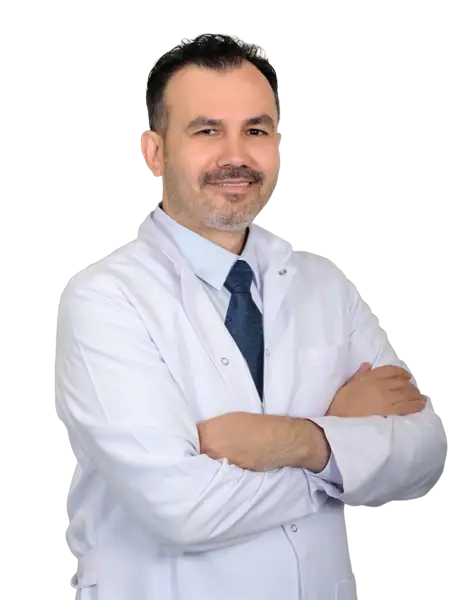
Assoc. Prof. Dr. Gökşen Gökşenoğlu
Physical Medicine & Rehabilitation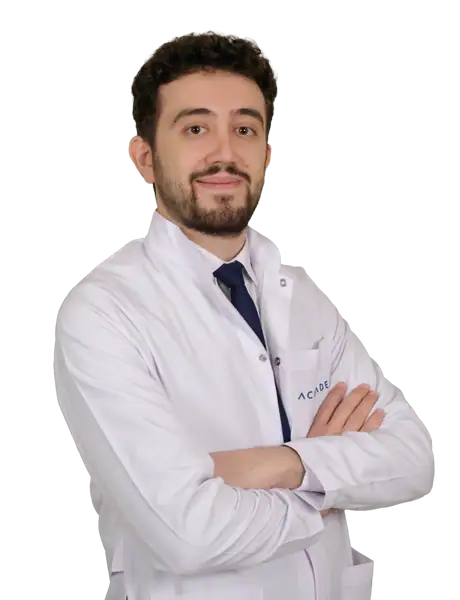
Dr. Mukhtar Shahgaldıyev
Physical Medicine & Rehabilitation
Dr. Aynur Göksel
Physical Medicine & Rehabilitation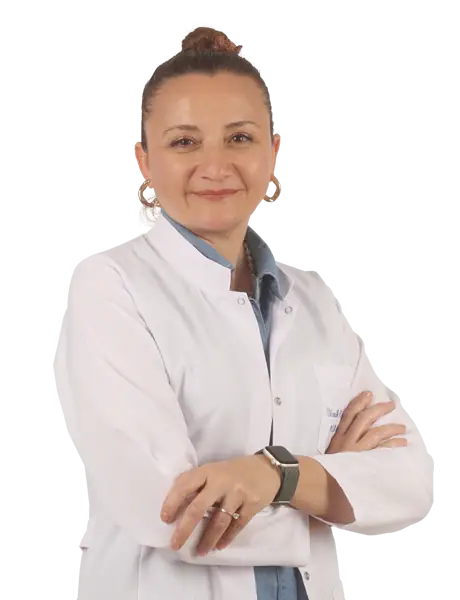
Dr. R.Şirin Atlığ
Physical Medicine & Rehabilitation
Dr. Nesrin Yılmaz Baıramov
Physical Medicine & Rehabilitation
Dr. Ufuk Güngör
Physical Medicine & Rehabilitation
Dr. Sema Çetin
Physical Medicine & Rehabilitation
Fzt. Perihan Yıldız
Physical Medicine & Rehabilitation
Fzt. Serkan Başkurt
Physical Medicine & Rehabilitation
Fzt. Mert Vural
Physical Medicine & Rehabilitation
Fzt. Erdem Terzi
Physical Medicine & Rehabilitation
Fzt. Gizem Aydın
Physical Medicine & Rehabilitation
Fzt. Necla Aleyna Yiğit
Physical Medicine & Rehabilitation
Fzt. Busenur Sezer
Physical Medicine & Rehabilitation
Fzt. Elif Tokgöz Nizam
Physical Medicine & Rehabilitation
Fzt. Yaren Yıldız
Physical Medicine & Rehabilitation
Fzt. Gizem Sevimli
Physical Medicine & Rehabilitation
Fzt. Ece Burçak Özuyguntaş
Physical Medicine & RehabilitationMedical Units
Available at These Hospitals