Prosthodontics
Prosthodontics restores damaged or missing teeth with crowns, bridges, dentures, veneers, and implant-supported prostheses to improve chewing, speech, comfort, and smile aesthetics.
Quick answer
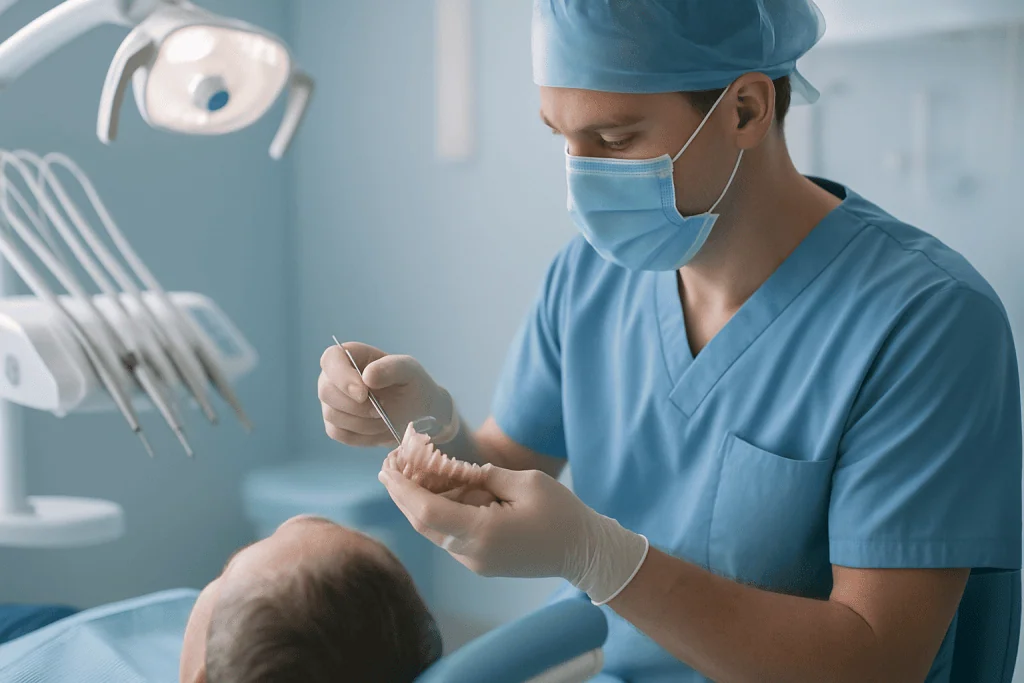
Prosthodontics is the dental specialty that restores damaged teeth and replaces missing ones using custom-made restorations such as crowns, bridges, veneers, dentures and implant-supported prostheses. A prosthodontist evaluates the teeth, gums, bite and jaw joints together, then designs restorations that rebuild chewing function, protect remaining teeth and look natural. Treatment ranges from a single crown to full-mouth rehabilitation and usually involves several planned stages.
Prosthodontics: Restoring Teeth, Comfort and Confidence
Prosthodontics is the dental specialty concerned with restoring damaged teeth and replacing missing ones using custom-made restorations. A prosthodontist plans and delivers this work: crowns that strengthen weakened teeth, bridges and implant-supported prostheses that close gaps, veneers that reshape the visible surfaces of teeth, and dentures that replace many or all teeth. Prosthodontic treatment is for anyone whose teeth are broken, worn down, loose, missing or no longer functioning comfortably — whether the problem developed gradually or followed an injury, gum disease or extensive earlier dental work.
When teeth are damaged or lost, the effects are rarely limited to appearance. Many patients first notice difficulty chewing certain foods, changes in speech, sensitivity, jaw fatigue, or the feeling that the bite no longer fits together comfortably. Others are troubled by a visible gap, an old crown that no longer looks natural, dentures that move when speaking, or a smile that has changed over the years. These concerns are practical, but they are also deeply personal. Teeth influence how you eat, how you speak, how you smile and how you interact with other people.
For international patients weighing up treatment abroad, the decision usually involves an extra layer of questions. How many visits will be needed? Will the results look natural? Can several dental problems be treated within one plan? How long will recovery take? What happens if dental implants are required? A well-planned prosthodontic pathway answers these questions before treatment begins, not after — and a good prosthodontist will tell you plainly which parts of your case are straightforward and which carry uncertainty.
The goal of prosthodontics is never simply to “cover” a damaged tooth or fill a visible space. It is to rebuild a healthy bite, protect the remaining teeth, support facial balance, and create restorations that feel stable in daily use and look appropriate for your face and age. A restoration that looks impressive but concentrates chewing forces in the wrong place will fail early. A restoration designed around the biology and mechanics of your whole mouth has a far better chance of serving you for years.
At Acibadem, prosthodontic care sits within the wider dental and oral health service and is planned with careful diagnosis and a personalised approach. Depending on your needs, treatment may involve crowns, bridges, veneers, removable dentures, implant-supported prostheses, or a combination of these. For patients with complex dental histories, medical conditions, bone loss or previous unsuccessful treatment, coordinated care among dental specialists is especially important. The right plan can improve chewing comfort, speech, oral health and the appearance of the smile, while helping to prevent further deterioration of the teeth that remain.
What Is Prosthodontics?
Prosthodontics is a specialised field of dentistry that restores teeth and replaces missing teeth using custom-made dental prostheses. These restorations may be fixed permanently in the mouth, removable by the patient, or supported by dental implants placed in the jawbone. The specialty covers everything from a single crown to complete rehabilitation of both jaws, and it draws on biology, materials science, bite mechanics and aesthetics at the same time. Because each mouth is different, prosthodontic treatment is not one standard procedure. It is a treatment pathway, chosen and sequenced for the individual.
Modern prosthodontics also includes planning for patients with severe tooth wear, bite collapse, congenital tooth differences, trauma-related tooth loss, or oral rehabilitation needs after cancer surgery. In these situations treatment is far more than a cosmetic procedure. It is a structured rebuilding of oral function, comfort and appearance, often carried out in stages and often involving more than one specialist.
What is a prosthodontist?
A prosthodontist is a dentist who has completed additional formal specialty training in restoring and replacing teeth. That training covers crowns, bridges, veneers, complete and partial dentures, implant-supported restorations, the management of worn or collapsed bites, and the rehabilitation of complex or previously failed dental work. Because complete and partial dentures form a core part of the training, a prosthodontist is sometimes informally described as a dentures specialist — but the scope is considerably broader than dentures alone. Prosthodontists are trained to evaluate how the teeth, gums, jaw joints, facial muscles and smile work together, and then to design restorations that support both function and appearance over the long term.
What is the main difference between a dentist and a prosthodontist?
The main difference is training and scope: a general dentist provides broad care across prevention, fillings, extractions and routine restorations, while a prosthodontist has completed further specialty education focused specifically on restoring and replacing teeth. General dentists place crowns and simple bridges every day, and for straightforward cases that is entirely appropriate. Prosthodontists tend to be involved when cases are more demanding — multiple missing teeth, severely worn dentitions, full-arch implant work, difficult aesthetics, or restorations that have already failed once. Many patients reach a prosthodontist by referral from their own dentist when the planning stage needs specialist input.
What exactly does a prosthodontist do?
A prosthodontist diagnoses the condition of your teeth, gums, bite and jaw joints, designs a restoration or a full treatment plan, and then delivers and maintains the finished work. In practical terms, that includes preparing teeth for dental crowns, designing a dental bridge to replace missing teeth, fitting veneers, making and adjusting removable dentures, and restoring dental implants with crowns, bridges or full-arch prostheses. Prosthodontists also manage the less visible parts of treatment: deciding which teeth can be saved, how the bite should close, which materials suit the forces in your mouth, and how the laboratory should build each restoration.
A prosthodontic restoration is designed to fit your mouth precisely. The shape, size, colour, bite contact, gum relationship and material are all considered before anything is made. Digital imaging, intraoral scanning, three-dimensional planning and close laboratory collaboration are commonly used to improve precision and communication. The result should look natural in the context of your face and, just as importantly, function comfortably during daily use — chewing, speaking, laughing.
Some patients need a single crown after root canal therapy or a tooth fracture. Others need complete mouth rehabilitation because of advanced wear, multiple missing teeth, periodontal disease or failed older restorations. A careful diagnostic phase determines which category you fall into and which option is safest and most durable. Rushing past this phase is the most common cause of disappointing results.
Who May Need Prosthodontic Treatment?
You may benefit from prosthodontic care if one or more teeth are damaged, missing, weakened, worn, unaesthetic or no longer functioning comfortably. Some patients seek treatment after years of gradual change. Others need care after a sudden event, such as dental trauma, a cracked tooth, or the loss of a crown or bridge that had been in place for years.
Typical signs that a prosthodontic evaluation may be worthwhile include:
- Missing teeth, whether visible when smiling or not
- Loose, unstable or uncomfortable dentures
- Cracked or broken teeth, or large old fillings that are failing
- Teeth that look short or flat because of wear or grinding
- Difficulty chewing, or jaw soreness related to an uneven bite
- Spaces between teeth that have changed or widened over time
- Crowns or bridges that no longer fit, trap food or irritate the gums
- Changes in speech, or a smile that appears aged by tooth loss or worn edges
Diagnosis begins with a detailed dental and medical history. Your dentist or prosthodontist will ask about symptoms, previous dental treatment, current medications, medical conditions, smoking history, gum health and your expectations. Records from earlier dental care — X-rays, photographs, implant details or treatment summaries — are genuinely useful at this stage, because they show how the mouth has changed over time and what previous work involved. Honest expectations matter on both sides: some problems have quick solutions, others do not.
A clinical examination assesses the teeth, gums, bite, jaw movement, existing restorations, facial proportions, smile line and oral hygiene. Imaging may include panoramic X-rays, small periapical X-rays and three-dimensional scans when implants, bone quality, sinus position or complex anatomy must be evaluated. Intraoral digital scans or conventional impressions create accurate models of the teeth. Photographs help the team analyse tooth colour, smile symmetry, gum display and how the smile relates to the rest of the face.
In more complex cases, the diagnostic phase may include wax-ups or digital smile and bite simulations. These tools let the dental team preview proposed changes before any tooth is touched. They are especially helpful when several teeth are being restored at once, when the bite height needs to be rebuilt, or when aesthetics are a central concern. Seeing a trial version of the result — physically or on screen — gives you a realistic basis for deciding whether to proceed.
Situations that commonly lead to prosthodontic treatment include tooth loss from gum disease, extensive decay, failed root canal-treated teeth, dental trauma, congenitally missing teeth, severe grinding or erosion, oral cancer reconstruction, and dissatisfaction with older dental work. Some patients are referred by other dental specialists because prosthodontic planning is needed before implant surgery, orthodontic movement, gum treatment or full-mouth rehabilitation can be sequenced sensibly.
Conditions and Indications Prosthodontics Can Address
Prosthodontics covers a wide range of dental and oral rehabilitation needs. The plan for any individual is chosen according to the condition of the remaining teeth, gum and bone support, bite forces, aesthetic goals, medical history and personal preference. No single option is right for everyone, and a responsible clinician will explain the trade-offs of each.
One of the most common indications is a tooth that has lost significant structure to decay, fracture or a large filling. Here a crown can protect what remains and restore chewing function. If a tooth is already missing, a bridge or an implant-supported restoration can prevent neighbouring teeth from drifting into the gap and help restore a balanced chewing pattern before secondary problems develop.
For patients missing several teeth, options may include removable partial dentures, fixed bridges, implant-supported bridges, or a combination of approaches. For patients missing all teeth in one or both jaws, complete dentures or implant-supported full-arch prostheses may be considered. Implant support improves stability and chewing efficiency for many patients, although suitability depends on bone volume, general health and careful surgical planning — you can read more on our dental implants page. Where bone volume is insufficient, dental bone grafts may make implant treatment possible in selected cases.
Prosthodontics is also central for patients with severe tooth wear. Teeth become shorter or flatter through grinding, acid erosion, reflux, dietary acids or age-related change. When wear is advanced, the bite itself changes and the teeth become sensitive or fragile. A prosthodontic plan can rebuild the worn surfaces, protect the underlying teeth and restore facial support — but rebuilding a collapsed bite is technically demanding and is usually staged, with trial restorations first.
Veneers and aesthetic crowns may be used when teeth are discoloured, misshapen, uneven, slightly spaced or affected by enamel defects. These treatments demand careful planning, because preserving natural tooth structure is a priority that lasts a lifetime. In some cases, orthodontics, whitening or gum contouring is recommended before prosthodontic work, precisely because it allows a more conservative and better-balanced final result. A prosthodontist who suggests less drilling, not more, is usually acting in your long-term interest.
Patients with existing crowns, bridges or dentures may need prosthodontic revision if the restorations are failing, unaesthetic, loose, uncomfortable, or associated with decay or gum inflammation. Revision treatment is often more complex than first-time treatment, because the underlying teeth, implants and soft tissues must be assessed carefully before deciding whether to repair, replace or completely redesign the restoration. What failed once will fail again unless the cause is identified.
In reconstructive settings, prosthodontics supports patients who have lost teeth, bone or oral structures after trauma or tumour surgery. These cases typically involve collaboration with oral and maxillofacial surgeons, periodontists, implant clinicians, restorative dentists and sometimes speech or nutrition specialists. The aim is to restore the best achievable function, comfort and appearance within the patient’s medical and anatomical situation — an honest goal, stated honestly.
Types of Dental Prosthesis: Fixed, Removable and Implant-Supported
Before recommending any prosthesis, dental teams weigh three broad categories: fixed restorations that stay in the mouth permanently, removable appliances the patient takes out for cleaning, and implant-supported designs that anchor to titanium fixtures in the jawbone. Each category has honest strengths and honest limitations, and many treatment plans combine more than one.
What is fixed prosthodontics?
Fixed prosthodontics refers to restorations that are cemented or bonded permanently onto teeth or implants and cannot be removed by the patient — principally crowns, bridges, veneers, inlays and onlays. Fixed restorations feel closest to natural teeth in daily use, because they do not move during eating or speaking. Their limitation is that they depend on the strength of whatever supports them: a bridge is only as sound as its anchor teeth, and a crown is only as sound as the root beneath it. That is why the diagnostic phase examines the foundations before the visible work is designed.
Removable prosthodontics: partial and complete dentures
Removable prosthodontics covers partial dentures, which replace some teeth and clip to those remaining, and complete dentures, which replace a full arch. Removable options are less invasive and generally simpler to adjust or repair, but they rely on the gums and remaining bone for stability, and they require a period of adaptation. A well-made denture is a precise piece of engineering: the fit of the base, the position of each tooth and the way the bite closes all determine whether it stays stable when you chew and speak.
Implant-supported prostheses
Implant-supported prostheses attach crowns, bridges or full-arch restorations to dental implants rather than to natural teeth or gums. They can be fixed in place with screws or cement, or designed as removable overdentures that clip onto implant attachments. Implant support avoids cutting down healthy neighbouring teeth and gives removable appliances markedly better stability for many patients. It also involves surgery, healing time and a stricter maintenance routine — factors that belong in any honest discussion of the option.
How Prosthodontic Treatment Is Performed
Prosthodontic care begins with planning, because the visible restoration is only the final part of treatment. Before a crown, bridge, denture, veneer or implant-supported prosthesis is made, the team must understand the condition of the mouth and the forces that will act on the restoration for years afterwards. A typical pathway runs through these stages:
- Consultation and diagnosis. Your concerns, expectations, dental history and medical background are reviewed. Clinical examination and imaging assess teeth, gums, roots, jawbone, bite and existing restorations. If implants may be involved, three-dimensional imaging evaluates bone volume and nearby anatomical structures. Digital scans or impressions record the exact shape of your teeth and gums.
- Treatment planning. The plan sets out which teeth can be preserved, which need root canal or periodontal treatment first, whether extractions are required, whether implants are appropriate, and what type of prosthesis is recommended. Timing is agreed: some care is completed in a few visits, while complex rehabilitation is staged over weeks or months. For international patients, stages can be organised around travel dates when this is clinically appropriate.
- Foundation work. Gum treatment, fillings, root canal therapy, extractions or grafting are completed where needed, so the final restorations sit on healthy foundations.
- Preparation. For a crown, the tooth is shaped so the restoration fits securely; extensively damaged teeth may need a core build-up first. For a bridge, the neighbouring teeth or implants are prepared to carry the replacement teeth. For veneers, a minimal amount of enamel may be reshaped, depending on the case. For dentures, impressions and bite records guide the design of teeth and gum-coloured bases. For implant-supported prostheses, implant placement and a healing period usually come before the final restoration. Local anaesthesia is routinely used for preparation stages.
- Temporary restorations. Temporaries protect prepared teeth, maintain appearance and let you function while the final work is made. In larger cases they also serve as a live test of the planned bite, tooth shape and aesthetics. Your feedback at this stage genuinely shapes the outcome — comfort, speech and appearance can all be refined before final fabrication.
- Fabrication and try-in. The dental laboratory builds the restoration to the agreed design. Fit, bite contact and appearance are checked in the mouth, and adjustments are made before anything is fixed permanently.
- Final fitting. Crowns, bridges and veneers are bonded or cemented once fit, bite and appearance are confirmed. Implant-supported crowns or bridges are attached with screws or cement, depending on the design. Dentures are fitted and adjusted for stability and comfort. Full-arch implant prostheses require careful verification of implant positions and bite records before final placement.
- Review and maintenance. Follow-up appointments fine-tune the bite, check the gums and set out a long-term care routine.
Technology supports several of these stages. Digital intraoral scanners capture detailed impressions without conventional trays for many patients. Three-dimensional imaging assists implant planning. Computer-aided design and manufacturing help produce restorations with precise shapes and consistent material quality. Digital smile analysis and trial restorations improve communication between you, the clinician and the laboratory. None of this replaces clinical judgement — it supports accuracy, planning and your own understanding of what is proposed.
Duration depends entirely on complexity. A single crown or veneer needs a limited number of appointments. Multiple crowns, bridges, dentures or implant-supported restorations require more visits for planning, preparation, temporaries, try-ins and final placement. If extractions, gum treatment, bone grafting or implant healing are necessary, the overall timeline lengthens accordingly. Your team should tell you clearly which stages can be completed in one visit or one trip, and which cannot — and you should be wary of any plan that promises everything at once.
Recovery is usually manageable, but it differs by treatment. After tooth preparation, temporary sensitivity or gum tenderness can occur. After implant surgery or extractions, swelling, bruising and some discomfort are expected for several days, depending on the procedure. Dentures often need adjustment as the gums adapt. New crowns, bridges or full-mouth restorations can feel unfamiliar at first, simply because the bite and tooth contours have changed. Follow-up adjustments are a normal part of reaching comfort, not a sign that something has gone wrong.
Why Acting Early Matters
Dental problems that end in prosthodontic care usually progress gradually. A missing tooth may not seem urgent, especially if it does not show when you smile. Over time, however, neighbouring teeth tilt into the empty space, the opposing tooth drifts, and chewing forces become uneven. Each of these changes makes future treatment more complex and more expensive in effort, time and tooth structure.
Cracked, heavily filled or weakened teeth are similarly vulnerable. If treatment is delayed, a tooth that could have been restored with a crown may fracture below the gumline and need extraction instead. Decay can spread beneath old crowns and bridges without obvious symptoms. Gum inflammation around poorly fitting prostheses can lead to discomfort, bone loss or the failure of supporting teeth — often quietly.
For denture wearers, unstable dentures cause sore spots, difficulty eating and progressive changes in chewing patterns. When all teeth are missing, jawbone volume naturally decreases over time. This affects denture fit and may limit future implant options, although grafting can help in selected cases. The earlier the situation is assessed, the more options remain open.
Early evaluation does not always mean immediate extensive treatment. Sometimes the best first step is monitoring, professional cleaning, bite protection, a repair or a conservative restoration. But timely diagnosis gives you choices. It lets the team preserve natural teeth where possible, plan implants before severe bone loss occurs, and reduce the likelihood of a dental emergency while travelling or living abroad.
Benefits of Prosthodontic Treatment
When prosthodontic treatment is carefully planned and properly maintained, it can improve daily function, oral health and confidence in social and professional life. The table below summarises what each benefit means in practice.
| Benefit | What It Means for You |
|---|---|
| Improved chewing function | Restored teeth or replacement teeth can help you bite and chew a wider range of foods more comfortably. |
| More stable bite | Replacing missing teeth and rebuilding worn surfaces can help distribute chewing forces more evenly. |
| Natural-looking smile | Custom shade, shape, and contour planning can create restorations that blend with your face and remaining teeth. |
| Support for speech and facial balance | Teeth help guide pronunciation and support the lips and cheeks, especially when several teeth are missing. |
| Protection of remaining teeth | Crowns, bridges, and bite rehabilitation can help protect weakened teeth and reduce strain on other teeth. |
| Better denture comfort or implant stability | Properly fitted dentures or implant-supported prostheses may improve confidence while eating and speaking. |
Recovery Timeline After Prosthodontic Treatment
Recovery varies with the procedure, but most patients should expect a period of adaptation as the mouth adjusts to new restorations. The outline below describes a typical course; your own sequence depends on which treatments your plan includes.
| Time Period | What Patients Can Expect |
|---|---|
| Day 1 | Mild tenderness, numbness from local anaesthesia, or sensitivity may occur after tooth preparation, fitting, extractions, or implant-related procedures. Soft foods may be recommended. |
| First Week | The bite may feel different. Temporary restorations or dentures may need minor adjustments. If surgery was performed, swelling and soreness usually begin to improve. |
| First Month | Most patients adapt to the new tooth shape, bite, and speech patterns. Final restorations may be placed or adjusted depending on the treatment sequence. |
| Implant Healing Period | If implants are used, the jawbone needs time to integrate with the implant before some final prostheses can be attached. The duration varies by bone quality, grafting needs, and clinical plan. |
| Longer Term | Regular checkups, professional cleaning, careful home care, and protective night guards when indicated help preserve the function and appearance of restorations. |
What Influences the Outcome of Prosthodontic Treatment?
A good prosthodontic result depends on more than the material the restoration is made from. The foundation must be healthy, the plan must be realistic, and the restoration must be designed for the way you actually use your teeth — not the way an idealised patient might.
Oral health is the most important single factor. Gum disease, untreated decay, infection and poor plaque control can undermine crowns, bridges, dentures and implants alike. In many cases, periodontal therapy or restorative groundwork is needed before definitive prosthodontic treatment begins. That can feel like an extra step, but it protects everything built afterwards. Consistent dental hygiene at home carries the same weight after treatment as clinical skill does during it.
Bite forces matter just as much. Patients who grind or clench place higher stress on every restoration. This does not rule out successful treatment, but it influences material selection, tooth design, implant number and position, and the need for a protective night guard. Severe wear cases require particular care, because rebuilding tooth height changes how the jaw closes and how the muscles adapt — a change that must be tested before it is made permanent.
The amount and quality of remaining tooth structure shape the prognosis. A crown on a tooth with strong remaining structure has a different outlook from a crown on a tooth with deep cracks, limited root support or extensive decay. Sometimes removing a questionable tooth and replacing it with an implant-supported restoration is the more predictable route; sometimes preserving the natural tooth is clearly preferable. There is no universal answer — the decision must be individualised, and you are entitled to hear the reasoning behind it.
For implant-supported prostheses, bone volume, gum thickness, implant position, medical conditions and smoking status all influence the result. Diabetes control, certain medications, a history of radiation therapy and immune-related conditions can affect healing. These issues should be raised openly during planning — with your treating doctor managing any medication questions — so that the dental team can reduce risk where reduction is possible and tell you plainly where it is not.
Aesthetic outcomes depend on tooth colour, translucency, gum levels, smile line, lip movement, facial proportions and your own expectations. The most natural result is rarely the whitest or most uniform smile. For many adults, the best restoration is one that looks healthy, balanced and believable in their own face. Shade selection, trial fittings and clear communication with the dental laboratory are how that is achieved. And your participation matters throughout: careful brushing, cleaning between teeth, attending maintenance appointments, following dietary advice after surgery and reporting discomfort early all help preserve the result. Restorations are durable, but they are not maintenance-free — they function in a living mouth where gums, bone, muscles and habits keep changing.
Cost of Prosthodontic Treatment: What Drives the Price
The cost of prosthodontic care varies more widely than almost any other area of dentistry, because the term covers everything from a single crown to full-mouth implant rehabilitation. No figure is meaningful until a clinician has examined your mouth, reviewed your imaging and defined a plan — which is why responsible providers give itemised quotations after diagnosis, not headline prices before it.
How expensive is a prosthodontist?
Specialist prosthodontic care generally costs more than equivalent work by a general dentist, reflecting the additional training involved and the complexity of the cases prosthodontists typically manage. What drives the total for any individual patient is the plan itself: how many teeth are involved, whether implants and grafting are needed, which materials are chosen, how much laboratory work the design requires, whether foundation treatment such as gum or root canal therapy comes first, and how many visits the sequence demands. Revision of failed earlier work usually costs more than first-time treatment, because the causes of failure must be diagnosed and corrected. Insurance handling also varies: policies commonly distinguish between basic restorative work and major prosthodontic work, and coverage depends entirely on the individual insurer and plan, so the classification should be confirmed with your insurer before treatment begins.
Prosthodontic Care at Acibadem
Patients travelling for prosthodontic treatment usually want more than a technically correct restoration. They want clarity about the plan, coordination between the specialists involved, and honest communication before committing to travel. At Acibadem, prosthodontic care is delivered within a hospital-based healthcare environment, which matters most for patients with medical conditions, complex treatment needs or previous dental complications: medical review, infection control practices, structured documentation and access to broader medical expertise sit alongside the dental work itself.
Multidisciplinary collaboration is particularly valuable in complex oral rehabilitation. A prosthodontic plan may involve restorative dentists, oral and maxillofacial surgeons, periodontists, endodontists, orthodontists, radiologists and anaesthesiology teams where appropriate. Reviewing decisions across specialties means implant placement, gum health, bite reconstruction and final aesthetics are considered together rather than as disconnected steps — the difference between a series of procedures and an actual plan.
Diagnostic and treatment technology supports precision throughout: digital imaging for bone and root anatomy, intraoral scanning for more comfortable and accurate impressions in many cases, computer-guided implant planning, and digital design tools that help visualise tooth proportions and communicate with the laboratory. These resources are most useful as part of a considered clinical plan; they are never a substitute for experience or judgement.
Acibadem’s international patient services coordinate the practical side of care: appointment scheduling, medical record review, interpreting in multiple languages, and communication between patient and clinical team across stages of treatment. For prosthodontics this coordination carries real weight, because many treatments involve multiple stages, temporary restorations, laboratory work and follow-up adjustments that must be sequenced around travel.
Second opinions are a normal and healthy part of prosthodontic decision-making. Reviewing existing X-rays, photographs, scans and treatment recommendations can clarify whether a proposed plan is necessary, whether alternatives exist and what sequence of care makes most sense — a review that is especially worthwhile before teeth are removed, multiple crowns are replaced, or full-arch implant treatment is undertaken. Decisions of that scale deserve more than one perspective.
Living With a Dental Prosthesis: Long-Term Care
Prosthodontic treatment can restore far more than a smile. It can help you eat comfortably, speak with ease, protect your remaining teeth and feel at ease in daily life. What determines how long that result lasts is largely what happens after the final fitting.
Daily cleaning adapted to your specific restoration — including under bridges and around implants, where ordinary brushing does not reach — is the single most protective habit. Regular checkups let small problems be corrected while they are still small: a worn contact, an early gum change, a loosening screw. Patients who grind their teeth should use the night guard their clinician recommends, because grinding forces damage restorations exactly as they damage natural teeth. Smoking and poorly controlled diabetes work against gum and bone health around both teeth and implants, and are worth raising honestly at every review.
A well-made prosthesis is not the end of dental care; it is a new phase of it. The mouths that keep their restorations longest belong to patients who treat maintenance as part of the treatment — because it is.
Preparation
- A dentist evaluates oral health, bite, gums, and remaining teeth with an examination and dental imaging when needed. Existing decay or gum disease may be treated first. Digital or conventional impressions are taken to plan custom restorations that match function and appearance.
Aftercare
- Mild sensitivity or pressure is common after new crowns, bridges, or dentures and usually improves as the mouth adapts. Patients should maintain careful brushing, flossing, and regular dental check-ups. Hard or sticky foods may need to be avoided temporarily, and any discomfort or looseness should be reported to the dentist.
Turkey vs UK, Germany & USA
Prosthodontics can restore damaged or missing teeth with fixed or removable dental restorations, improving function, comfort, speech, and appearance. Costs and patient experience vary by treatment plan, material choice, laboratory work, clinic standards, and travel arrangements.
The comparison below highlights common factors that may influence the overall cost and experience of prosthodontic care in different destinations.
| Factor | Turkey | UK | Germany | USA |
|---|---|---|---|---|
| Price drivers | Often influenced by material selection, dental laboratory work, imaging, specialist involvement, and whether care is arranged as an international patient package. | Private care costs are shaped by clinician fees, laboratory fees, material choice, and whether treatment is outside public coverage. | Costs vary by clinic setting, specialist input, insurance status, laboratory standards, and chosen materials. | Pricing commonly reflects provider fees, laboratory costs, insurance arrangements, location, materials, and treatment complexity. |
| Hospital and dentist factors | International hospitals and dental clinics may offer coordinated prosthodontic planning, multilingual teams, and collaboration with oral surgeons or implant specialists when needed. | Care may be provided through private dental practices, specialist referral pathways, or hospital-based services depending on complexity. | Specialist and multidisciplinary care is available, with planning often shaped by practice type, referral requirements, and insurance pathways. | Patients may access general dentists, prosthodontists, implant teams, and hospital-based services, with wide variation by region and provider network. |
| Accreditation and quality systems | Some hospitals, including JCI-accredited providers such as Acibadem, follow international patient safety, hygiene, and care coordination standards. | Clinics and hospitals operate under national professional regulation and quality requirements. | Providers follow national healthcare regulation, professional standards, and clinic-level quality systems. | Quality oversight varies by state, provider type, accreditation status, and professional board requirements. |
| Typical waiting times | International patient departments may help coordinate appointments, imaging, and treatment planning within a shorter travel-focused schedule when clinically suitable. | Private appointments may be scheduled relatively directly, while public or specialist referral pathways can involve longer waits. | Timing depends on clinic availability, specialist referrals, insurance approvals, and laboratory production. | Scheduling varies widely by region, provider network, insurance approval, and specialist availability. |
| Travel and language logistics | International teams often support airport transfers, accommodation guidance, interpreter services, and appointment coordination. | Travel logistics are usually self-arranged unless using a private international patient service. | Language support may be available in larger clinics or hospitals, but arrangements depend on the provider. | International patients may need to coordinate travel, insurance, payment, and follow-up directly with the clinic. |
| What a package may include | Packages may include consultation, digital imaging, treatment planning, selected restorations, temporary teeth when indicated, translation support, and follow-up planning. | Private treatment is often itemised, with separate fees for consultations, imaging, laboratory work, restorations, and reviews. | Packages or itemised plans may include diagnostics, laboratory work, materials, clinical appointments, and aftercare depending on the provider. | Care is commonly itemised, and insurance coverage may affect what is included or billed separately. |
What affects your final cost
- Type of restoration, such as crown, bridge, denture, veneer, or implant-supported prosthesis.
- Number and location of teeth being treated.
- Material choice, such as ceramic, zirconia, porcelain-fused, composite, acrylic, or metal framework.
- Need for additional care, such as extractions, gum treatment, root canal therapy, bone grafting, or implant placement.
- Digital planning, impressions, temporary restorations, and dental laboratory complexity.
- Specialist involvement, anaesthesia needs, follow-up visits, and travel-related services.
Compare your options
Prosthodontic treatment is tailored to oral health, bite, bone support, aesthetic goals, and long-term maintenance needs. Suitability is decided by a specialist after examination and diagnostic planning.
| Option | What it is | Typical use | Key considerations |
|---|---|---|---|
| Crowns | A custom cap that covers and protects a damaged or weakened tooth. | Used after large fillings, fractures, root canal treatment, wear, or cosmetic reshaping. | Requires adequate tooth structure or build-up support; material choice affects appearance, durability, and cost. |
| Bridges | A fixed restoration that replaces a missing tooth by anchoring to neighbouring teeth or implants. | Used when a gap needs a fixed solution and surrounding support is suitable. | May involve preparation of adjacent teeth; hygiene access and bite forces are important. |
| Removable dentures | Removable prostheses that replace missing teeth and supporting tissues. | Used for partial or complete tooth loss, especially when fixed treatment is not preferred or not suitable. | Fit, comfort, speech, chewing adaptation, maintenance, and periodic adjustment are important. |
| Veneers | Thin restorations bonded to the visible tooth surface. | Used for selected aesthetic concerns such as shape, colour, spacing, or minor surface defects. | Requires careful case selection, healthy gums, stable bite, and realistic aesthetic planning. |
| Implant-supported prostheses | Crowns, bridges, or dentures attached to dental implants. | Used when missing teeth need stable support and bone conditions are appropriate. | May require surgical planning, healing time, bone assessment, and long-term implant maintenance. |
| Full-mouth rehabilitation | A comprehensive plan combining several prosthodontic and restorative procedures. | Used for complex wear, multiple missing teeth, bite problems, or extensive aesthetic and functional concerns. | Requires detailed diagnostics, staged treatment, specialist coordination, and ongoing maintenance. |
General information only — not medical or financial advice. Final costs depend on the factors above and your individual case; request a free, personalised quote.
Frequently Asked Questions
What affects the cost of prosthodontics?
The final cost depends on the type of restoration, materials, number of teeth involved, laboratory work, imaging, need for gum or implant procedures, specialist input, and follow-up requirements. A personalised plan is needed before an accurate quote can be prepared.
How can I get a personalised quote from Acibadem?
You can request a free consultation and share dental photographs, recent X-rays if available, medical history, and your treatment goals. The dental team can then review your case and explain suitable options, expected stages, and an individual cost estimate.
Are prosthodontic packages in Turkey usually all-inclusive?
Some international patient packages may include consultation, imaging, selected dental procedures, temporary restorations when needed, translation support, and care coordination. Inclusions vary by case, so it is important to confirm what is covered before travelling.
Will I need more than one visit for prosthodontic treatment?
Some treatments can be planned within a travel-focused schedule, while others need staged care, healing time, laboratory production, or implant integration. The required visit pattern depends on the treatment option and the specialist assessment.
Does material choice change the cost and outcome?
Yes. Ceramic, zirconia, porcelain-fused, acrylic, composite, and metal-supported options differ in aesthetics, strength, laboratory requirements, and suitability for different areas of the mouth. Your dentist will recommend materials based on function, appearance, and oral health.
Is prosthodontics abroad safe for international patients?
Safety depends on proper diagnosis, qualified clinicians, infection control, transparent treatment planning, and reliable follow-up. Choosing a regulated provider with international patient coordination and recognised quality systems, such as JCI-accredited hospital services, can support a more organised care experience.
Medically reviewed by the Acıbadem International Medical Board — August 30, 2026
See our medical review board →
Update history
- PublishedJune 8, 2026
- Medical review approvedAugust 30, 2026
- Last content updateAugust 30, 2026
Trusted care for international patients
Doctors Performing This Treatment

Assoc. Prof. Dr. Ferit Bayram
Oral & Dental Health
Dr. Ezgi Gülüm
Oral Dental & Maxillofacial Surgery
Dr. Emre Çengelli
Oral Dental & Maxillofacial Surgery
Dr. Arzu Morçiçek
Oral & Dental HealthDr. Deniz Turgut
Oral & Dental Health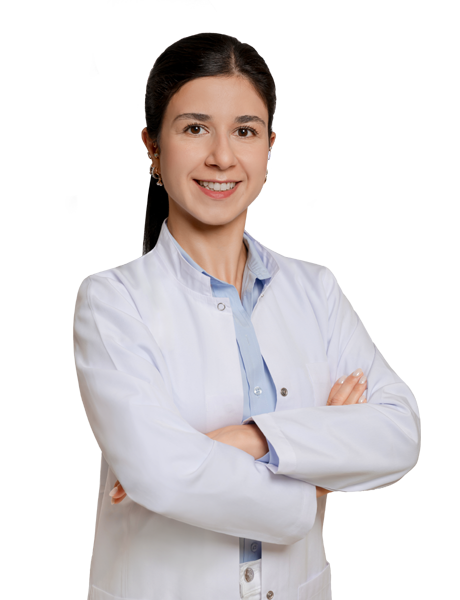
Dr. Ceyda Sabancı
Oral & Dental Health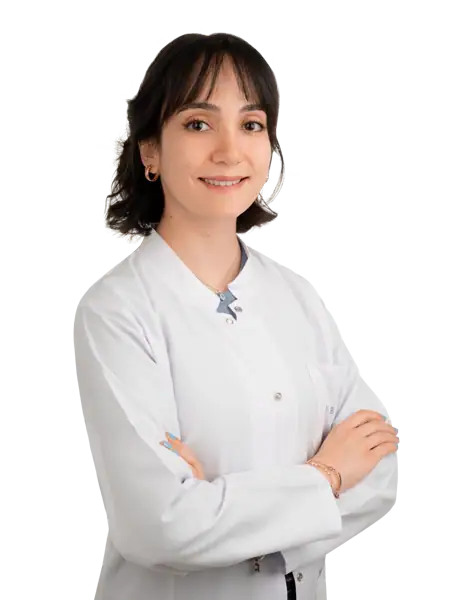
Dr. Çağla Su Doğangün Ayduk
Oral & Dental Health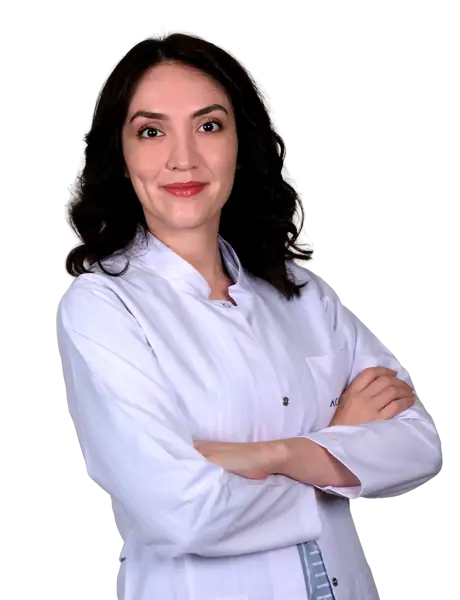
Dr. Begüm Öykü Kesim
Oral & Dental Health
Dr. Eylül Türsen
Oral & Dental Health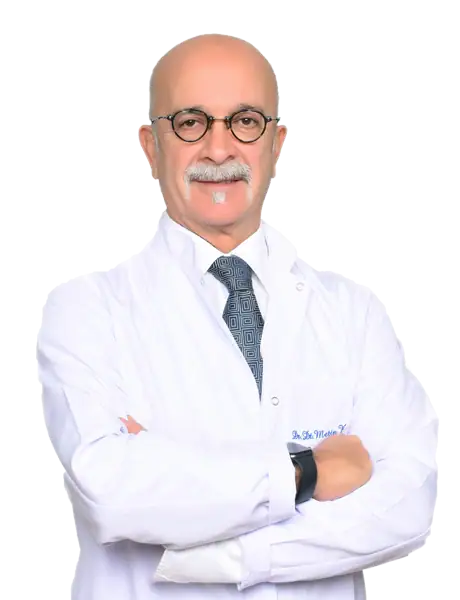
Dr. Metin Kınacı
Oral & Dental Health
Dr. Duygu Yavuzer Karadeniz
PeriodontolgyDr. Ali Riza Özdurmuş
Oral & Dental Health
Dr. Bedii Ender Topçu
Oral & Dental Health
Dr. Sebiha Nihal Yılmaz
Oral Dental & Maxillofacial SurgeryDr. Seda Saygılı Özaydın
Oral & Dental Health
Dr. Zeynep Ekin Kılınç
Oral & Dental Health
Dr. Uğur Önder
Oral & Dental Health
Dr. Helin Kuşsever Topçu
Oral & Dental Health
Dr. Pelin Açık
Oral & Dental Health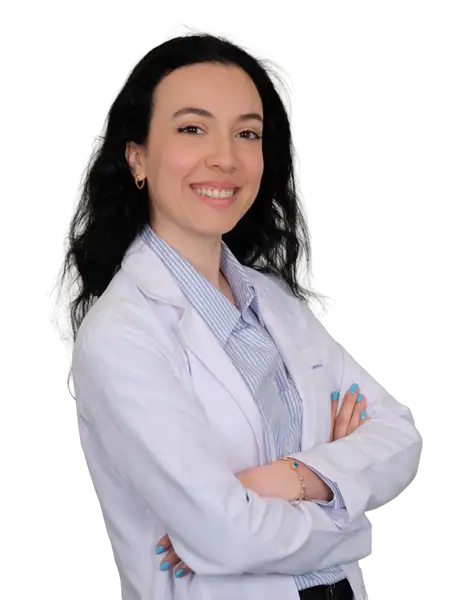
Dr. İpek Saygılı
Oral & Dental Health
Dr. Halime Bayram
Oral & Dental Health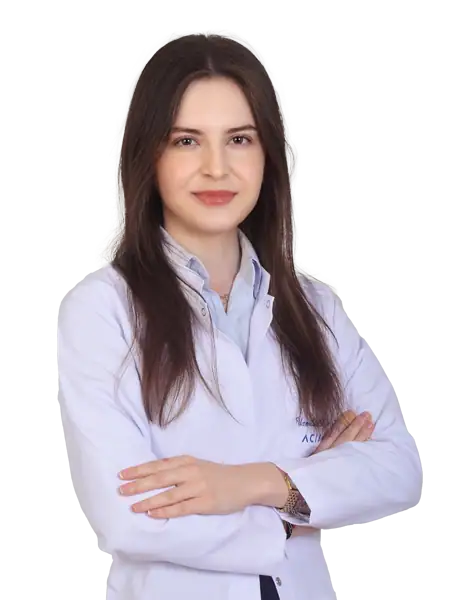
Dr. Havva Gölalan
Oral & Dental Health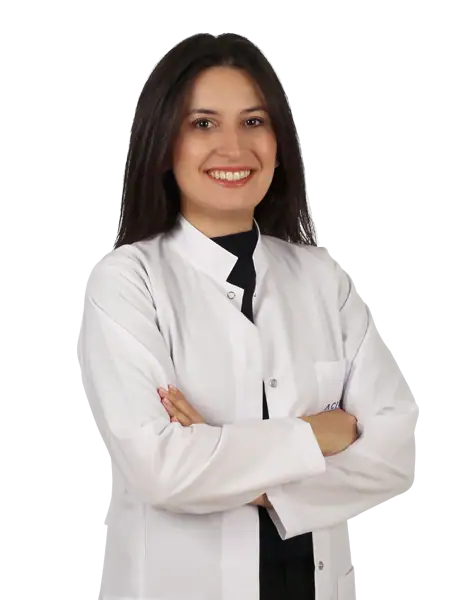
Dr. Merve Ağartıoğlu
Oral & Dental Health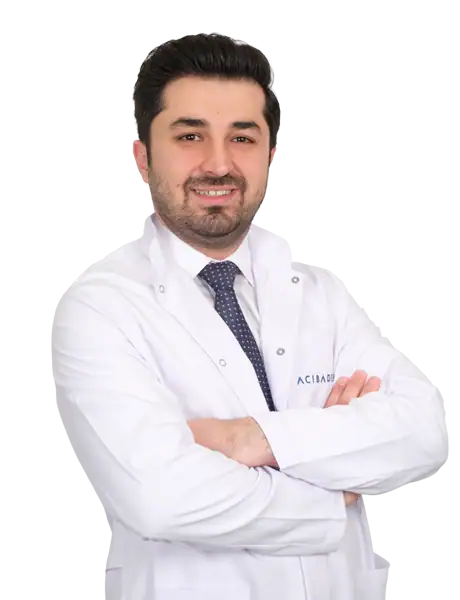
Dr. Mücahit Güner
Oral & Dental HealthMedical Units
Available at These Hospitals