Stroke Risk From Atrial Fibrillation: Who Needs Blood Thinners?
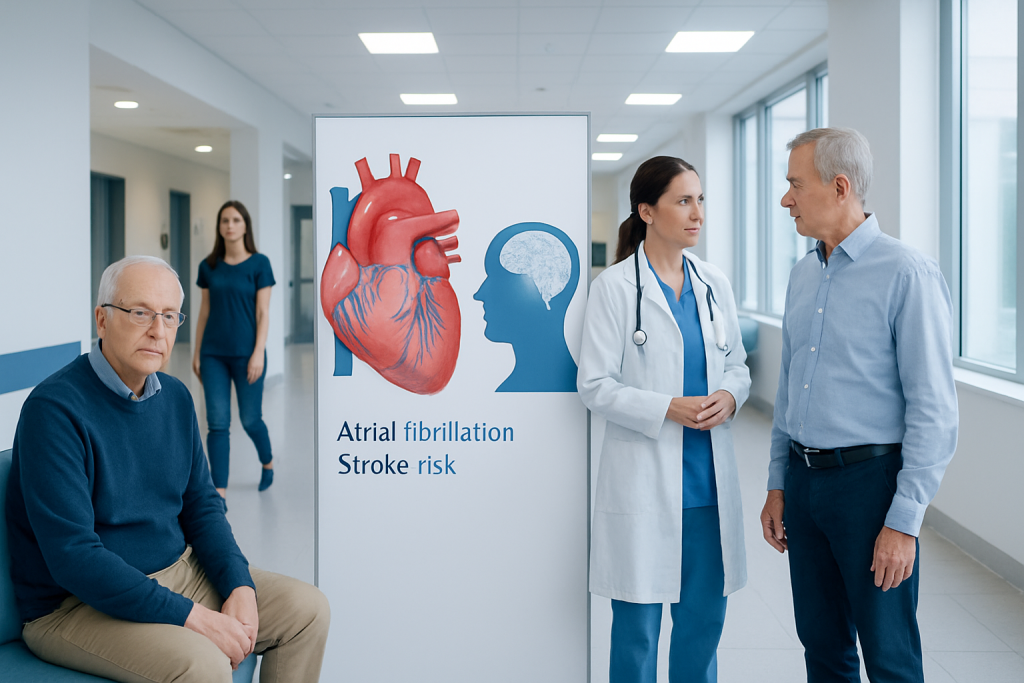
Atrial fibrillation raises stroke risk by allowing blood clots to form in the heart. Not everyone with AFib needs the same treatment; doctors balance stroke risk against bleeding risk.
Key Takeaways
- Atrial fibrillation raises stroke risk by allowing blood clots to form in the heart.
- Not everyone with AFib needs the same treatment; doctors balance stroke risk against bleeding risk.
- Risk assessment tools, such as CHA2DS2-VASc, help identify who is more likely to benefit from blood thinners.
- Blood thinners reduce clot-related stroke risk but require regular review, especially before surgery or after bleeding.
- Healthy lifestyle changes and treatment of related conditions also support stroke prevention in AFib.
Atrial fibrillation can increase the risk of stroke because blood may pool and form clots in the heart. Blood thinners help many people with AFib, but the decision depends on individual stroke risk, bleeding risk, age, and other medical conditions.
Overview: How Atrial Fibrillation Raises Stroke Risk
Atrial fibrillation, often called AFib, is a common heart rhythm disorder in which the upper chambers of the heart beat in a fast, disorganized way. Instead of squeezing efficiently, the atria may quiver. When this happens, blood can move more slowly and collect inside part of the atrium, especially in a small pouch called the left atrial appendage.
Slow-moving blood is more likely to clot. If a clot forms in the heart and then travels to the brain, it can block blood flow and cause a stroke. This is why stroke prevention is a central part of AFib care. For many patients, reducing stroke risk is just as important as controlling symptoms such as palpitations, shortness of breath, or fatigue.
Blood thinners, also known as anticoagulants, do not actually make the blood thinner. Instead, they reduce the blood’s ability to form harmful clots. These medicines can greatly lower the chance of stroke in people whose AFib puts them at meaningful clot risk. However, because they also increase the chance of bleeding, they are prescribed after careful individual assessment.
Some people have AFib that comes and goes, while others have it continuously. Stroke risk can still be present even when episodes are brief or symptoms are mild. This is why the decision about blood thinners is based less on how noticeable AFib feels and more on the person’s overall medical risk profile.
Who Is More Likely to Need Blood Thinners?

Doctors usually estimate stroke risk in AFib using a scoring system called CHA2DS2-VASc. This tool looks at factors known to increase the chance of a stroke, including heart failure, high blood pressure, age, diabetes, prior stroke, vascular disease, and sex. A higher score generally means a stronger reason to consider anticoagulation.
People with a previous stroke or transient ischemic attack are among those most likely to benefit from blood thinners because their future stroke risk is higher. Older adults, especially those aged 65 and above, often need careful review because risk rises with age. Conditions such as hypertension, diabetes, and vascular disease also add to the need for prevention.
For some patients at very low risk, a doctor may decide that blood thinners are not necessary. In others, the benefit is clear. There is also a middle group where the decision depends on a fuller discussion of values, lifestyle, medical history, and the balance between stroke prevention and bleeding concerns.
Importantly, blood thinners are not chosen based only on whether AFib causes symptoms. A person may feel perfectly well and still have a stroke risk high enough to warrant treatment. Likewise, someone with troubling palpitations may not automatically need anticoagulation if their stroke risk is otherwise very low.
Factors Doctors Consider Before Prescribing Anticoagulants

Stroke risk is only one side of the decision. Doctors also assess bleeding risk, kidney and liver function, falls risk, prior bleeding, stomach ulcers, alcohol use, and other medicines that may increase bleeding. The goal is not simply to avoid all risk, but to choose the safest and most effective strategy for the individual patient.
One concern many patients raise is whether they are “too old” or “too frail” for blood thinners. In many cases, older age increases stroke risk more than it increases bleeding risk, meaning anticoagulation may still be beneficial. Even so, treatment needs a thoughtful plan, especially when memory problems, frequent falls, or multiple medications are involved.
The type of AFib also matters in some situations, but less than many people expect. Whether AFib is paroxysmal, persistent, or permanent, clot risk can still be important. In contrast, people with certain valve problems or mechanical heart valves may need a different anticoagulation approach from those with non-valvular AFib.
Other practical questions are also part of the decision-making process:
- Can the patient take medicine consistently every day?
- Are there kidney problems that affect drug choice?
- Will monitoring be needed?
- Are upcoming dental, surgical, or invasive procedures planned?
- Has the person had significant bleeding before?
When these factors are reviewed together, the treatment plan becomes more personalized and safer.
Types of Blood Thinners Used in AFib
Several anticoagulants are used to lower stroke risk from atrial fibrillation. In many people with non-valvular AFib, direct oral anticoagulants are commonly considered because they work predictably and usually do not require the regular blood test monitoring that older medicines do. Warfarin is another well-established option and remains important for some patients, especially in specific valvular conditions.
Each medicine has advantages and limitations. Some are taken once daily, others twice daily. Some are more affected by kidney function, while warfarin can be influenced by diet and interactions with other medicines. The best choice depends on medical history, the presence of valve disease, cost and availability, bleeding history, and how easily follow-up can be arranged.
Patients sometimes confuse anticoagulants with antiplatelet medicines such as aspirin. These are not the same. For AFib-related stroke prevention, anticoagulants are usually much more effective than aspirin alone. Aspirin may still have a role for other cardiovascular reasons, but it is not generally considered an adequate substitute for anticoagulation when AFib stroke risk is high.
For some people who cannot take long-term anticoagulants because of serious bleeding concerns, doctors may discuss other options. These can include procedures aimed at closing the left atrial appendage, where many AFib-related clots form. In selected patients, a broader cardiology evaluation can help determine whether medication, rhythm treatment, or a structural approach is most appropriate.
Diagnosis and Ongoing Risk Assessment
Before deciding on blood thinners, the diagnosis of AFib should be confirmed, often with an electrocardiogram, heart monitor, or wearable recording device. Some patients are diagnosed after symptoms such as racing heartbeats, while others learn they have AFib during routine screening or after a stroke evaluation. Because AFib may be intermittent, longer monitoring is sometimes needed.
Doctors also look for conditions linked to AFib and stroke, including high blood pressure, diabetes, sleep apnea, thyroid disorders, and structural heart disease. Blood tests and imaging such as echocardiography may be used to understand heart function and identify factors that influence treatment choices. This evaluation helps distinguish who needs medication, who may benefit from a rhythm procedure, and who requires combined care.
Risk assessment is not a one-time event. A person who did not need anticoagulation at age 58 may need it at 68 if new risk factors develop. Similarly, bleeding risk can change over time due to ulcers, kidney disease, falls, or new medications. Regular follow-up helps ensure that treatment remains appropriate.
If AFib is discovered during a stroke workup, neurologists and cardiologists often work together. This is especially relevant when planning secondary prevention after a stroke or a transient ischemic attack. In some cases, patients may also need assessment through neurology care to clarify the cause of symptoms and reduce future risk.
Treatment Options Beyond Blood Thinners
Although anticoagulation is central to preventing AFib-related stroke, it is only one part of treatment. Many patients also need rate control or rhythm control to reduce symptoms and support heart function. Medicines may slow the heart rate, while rhythm-focused treatment aims to restore or maintain a normal heartbeat. The best strategy depends on symptoms, duration of AFib, heart structure, and overall health.
In selected patients, catheter ablation may be recommended if medicines do not control symptoms well or are not tolerated. This procedure targets areas of heart tissue involved in triggering or maintaining the abnormal rhythm. While ablation may improve quality of life and reduce AFib episodes, it does not automatically remove the need for blood thinners. Anticoagulation decisions usually continue to depend on stroke risk factors rather than symptom improvement alone.
Patients with significant carotid artery disease, prior stroke, or other vascular problems may need additional evaluation for overlapping causes of stroke. In certain situations, a doctor may recommend interventional neuroradiology assessment or vascular imaging to understand whether more than one source of stroke risk is present.
Near the end of the care pathway, shared decision-making becomes especially important. Patients should understand why a blood thinner is being advised, what signs of bleeding to watch for, and how to take the medicine safely. At Acibadem International, multidisciplinary specialists in JCI-accredited hospitals care for international patients with AFib and stroke risk concerns using coordinated cardiology and neurology expertise.
Prevention, Self-care, and Safe Use of Blood Thinners
Medication works best when it is taken consistently and as prescribed. Missing doses can allow clot risk to rise again. Patients should not stop an anticoagulant on their own, even if they feel well, unless a doctor specifically instructs them to do so. If a procedure or surgery is planned, the medical team should advise how and when to pause or restart treatment safely.
Self-care also includes reducing the factors that make AFib and stroke more likely. Managing blood pressure, blood sugar, cholesterol, sleep apnea, excess weight, and smoking can all support better long-term outcomes. Limiting heavy alcohol intake and staying physically active within medical guidance may also help reduce AFib burden and improve heart health.
People taking blood thinners should inform all healthcare providers, including dentists and pharmacists. They should ask before starting over-the-counter pain relievers, herbal products, or supplements, because some can increase bleeding or interfere with treatment. It is also helpful to know what to do after a missed dose and when urgent advice is needed.
Practical safety tips may include:
- Taking medicine at the same time each day
- Using a pill organizer or reminder app
- Reporting unusual bruising, black stools, vomiting blood, or prolonged bleeding
- Reducing fall risks at home if balance is poor
- Keeping follow-up appointments for review of kidney function or monitoring needs
When to See a Doctor
Anyone with known or suspected AFib should speak with a doctor about stroke prevention, even if symptoms seem minor. A medical review is especially important after a new diagnosis, after a transient ischemic attack, after a stroke, or when major risk factors such as high blood pressure, diabetes, or older age are present. Prompt evaluation can help prevent future complications.
People already taking blood thinners should seek medical advice if they notice signs of bleeding, frequent falls, or changes in kidney function or other health conditions. They should also ask for guidance before surgery, dental work, or starting new medicines. A change in circumstances may lead to a change in the safest treatment plan.
Emergency care is needed for symptoms of stroke, such as sudden weakness on one side, facial drooping, trouble speaking, severe unexplained dizziness, or sudden vision loss. Rapid treatment can limit brain injury and improve recovery. Sudden chest pain, fainting, or severe shortness of breath also need urgent assessment.
Regular follow-up helps patients and clinicians review whether the benefits of anticoagulation still outweigh the risks. For many people with AFib, this ongoing partnership is the best way to stay protected from stroke while using treatment safely and confidently.
Frequently asked questions
Does everyone with atrial fibrillation need a blood thinner?
No. The decision depends on individual stroke risk, which is often estimated using factors such as age, prior stroke, high blood pressure, diabetes, and vascular disease. People at very low risk may not need anticoagulation, while those with higher risk often benefit clearly.
Why does atrial fibrillation increase the chance of stroke?
In AFib, the upper chambers of the heart do not contract effectively, so blood can pool and form clots. If a clot travels from the heart to the brain, it can block blood flow and cause a stroke.
Are blood thinners the same as aspirin?
No. Aspirin is an antiplatelet medicine, while AFib stroke prevention usually requires an anticoagulant. For many patients with AFib, anticoagulants are more effective than aspirin alone at reducing clot-related stroke risk.
If AFib comes and goes, is stroke risk still present?
Yes. Even intermittent or symptom-free AFib can carry a meaningful risk of stroke. Doctors usually base treatment more on overall risk factors than on how often symptoms occur.
What are the main risks of taking blood thinners?
The main concern is bleeding, which can range from mild bruising to more serious internal bleeding. That is why doctors balance stroke prevention benefits against bleeding risk and review treatment regularly.
Can someone stop blood thinners after AFib treatment or ablation?
Not always. Even if AFib symptoms improve after treatment, stroke risk may remain because it depends largely on age and other medical conditions. Any decision to stop anticoagulation should be made with a qualified doctor.
References
- American Heart Association
- American Stroke Association
- European Society of Cardiology
- National Heart, Lung, and Blood Institute
- National Institute for Health and Care Excellence
This article is for general information only and is not a substitute for professional medical advice. Please consult a qualified doctor about your individual situation.
Heart care in Turkey — expert evaluation and treatment
JCI-accredited · board-certified surgeons · reply within 24h
Add us as a Preferred Source to see more of our trusted health content across Google Search, AI Overviews and Discover.
Check your numbers in seconds
BMI, calories, due date, blood pressure and 30+ more clinical calculators — free, instant, doctor-reviewed ranges.