Herpes: What Patients Need to Know

Herpes is usually caused by herpes simplex virus type 1 (HSV-1) or type 2 (HSV-2). Many people with herpes have mild symptoms or no symptoms at all.
Key Takeaways
- Herpes is usually caused by herpes simplex virus type 1 (HSV-1) or type 2 (HSV-2).
- Many people with herpes have mild symptoms or no symptoms at all.
- Herpes can spread even when no sores are visible, though antiviral treatment can lower the risk.
- Diagnosis may involve a physical exam, swab testing from a sore, or blood tests in selected cases.
- There is no cure that removes HSV from the body, but treatment can reduce symptoms and recurrences.
- Pregnancy, eye symptoms, severe pain, or a first outbreak should be discussed promptly with a doctor.
Herpes is a common viral infection caused by herpes simplex virus (HSV). It can affect the mouth, lips, genitals, or nearby skin, and while it stays in the body for life, symptoms can often be controlled and outbreaks may become less frequent over time.
Overview: what herpes is and what it means
Herpes is a common infection caused by the herpes simplex virus, usually HSV-1 or HSV-2. HSV-1 more often affects the mouth and lips, while HSV-2 more often affects the genital area, but either type can infect either location. The virus spreads through close skin-to-skin contact, including kissing and sexual contact.
For many patients, the most important thing to know is that herpes is manageable. Some people develop painful blisters or sores, while others notice only mild irritation or never realize they have the virus. After the first infection, HSV remains in the body in a resting state and can reactivate later, causing recurrent symptoms in some people.
Herpes is different from other viruses that belong to the larger herpes family, such as the virus that causes chickenpox. In everyday medical use, when people say “herpes,” they usually mean oral herpes or genital herpes caused by HSV. A doctor can help distinguish HSV from conditions that may look similar, including human papillomavirus (HPV), mouth ulcers, fungal infections, or skin irritation.
How herpes can appear: symptoms and patterns
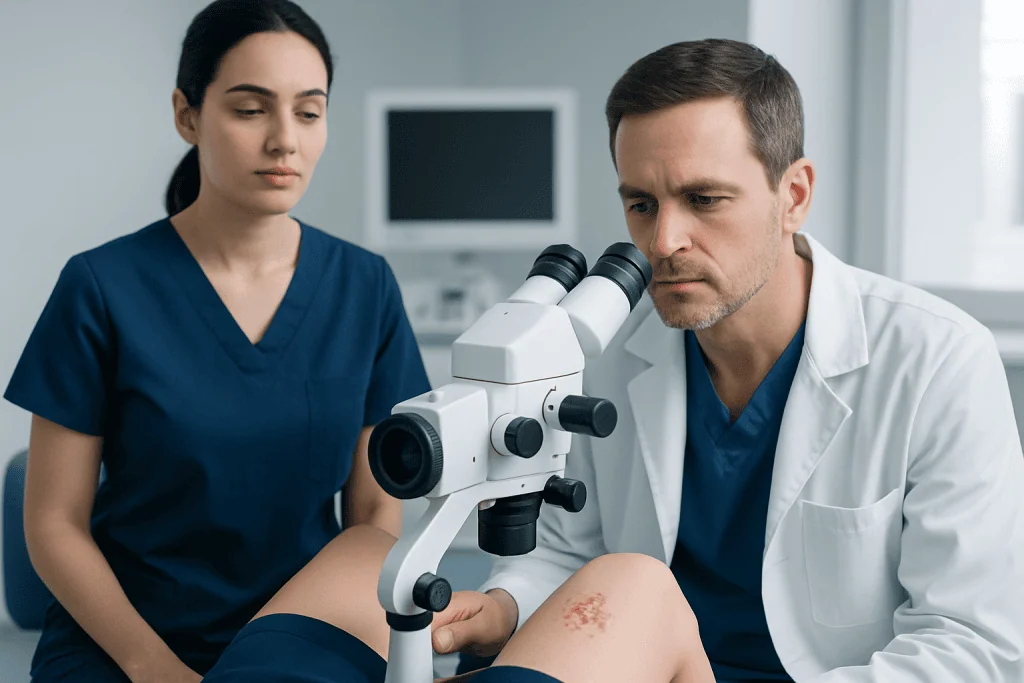
Herpes symptoms can vary widely. A first outbreak may cause clusters of small blisters, open sores, burning, itching, tingling, or pain. Some patients also develop fever, swollen lymph nodes, body aches, or fatigue during the initial episode, especially if the infection is new to the body.
Oral herpes often appears around the lips or mouth and may be called a cold sore. Genital herpes can affect the vulva, vagina, cervix, penis, scrotum, buttocks, anus, or surrounding skin. Some people notice warning sensations such as tingling or burning before a sore appears, while others have fissures, redness, or discomfort without obvious blisters.
Recurrent outbreaks are often milder and shorter than the first one. Triggers may include illness, emotional stress, friction, ultraviolet light, menstruation, or a weakened immune system. It is also possible to carry HSV and have no visible symptoms at all, which is one reason the infection can spread without being recognized.
- Oral symptoms: lip blisters, mouth sores, tenderness, crusting
- Genital symptoms: itching, burning, painful urination, sores or cracks in the skin
- General symptoms in first episodes: fever, aches, swollen glands
- Asymptomatic infection: no symptoms despite carrying the virus
Transmission, causes, and risk factors

Herpes is caused by direct contact with infected skin, mucous membranes, saliva, or genital secretions. The virus can spread during kissing, oral sex, vaginal sex, anal sex, or close contact with an active lesion. It can also spread when no sore is visible because the virus may be released from the skin intermittently, a process called asymptomatic shedding.
HSV-1 is commonly acquired through nonsexual contact in childhood or adolescence, but it can also cause genital infection through oral-genital contact. HSV-2 is more strongly associated with genital herpes. Having one type of HSV does not fully prevent infection with the other type, although prior exposure may sometimes affect how symptoms appear.
Certain factors can increase the likelihood of getting or transmitting herpes. These include unprotected sexual contact, having multiple partners, a partner known to have HSV, and conditions that weaken the immune system. Breaks in the skin may also make transmission easier. Because other sexually transmitted infections can occur at the same time, doctors may recommend screening for conditions such as HIV infection when appropriate.
How doctors diagnose herpes
Diagnosis starts with a medical history and examination of the affected area. If a patient has fresh blisters or sores, the most useful test is often a swab taken directly from the lesion. Laboratory methods such as PCR testing can identify HSV and may also determine whether it is HSV-1 or HSV-2.
Blood tests can look for antibodies to HSV, but they are not always needed for everyone. They may be considered when symptoms are unclear, when a person has a partner with herpes, or when a clinician needs more information to guide counseling. Blood tests are less helpful for pinpointing the cause of a specific sore at a specific moment unless they are interpreted in the right clinical context.
Because several conditions can mimic herpes, doctors may consider other causes of genital or oral lesions. These can include friction injuries, aphthous ulcers, bacterial infections, fungal infections, syphilis, or inflammatory skin diseases. In selected cases, a specialist may recommend additional evaluation, especially if symptoms are persistent, unusual, or severe.
Treatment options and long-term management
There is no treatment that removes herpes simplex virus from the body permanently, but antiviral medicines can make a meaningful difference. They may shorten an outbreak, help sores heal sooner, reduce pain, and lower the chance of future recurrences. Treatment is often most effective when started early, especially at the first sign of tingling, burning, or new sores.
Doctors generally use antiviral therapy in two main ways: episodic treatment for individual outbreaks and suppressive treatment for patients with frequent recurrences or concerns about transmission. Suppressive therapy may reduce outbreak frequency and may also lower the risk of passing the virus to a partner, although it does not eliminate that risk entirely. General supportive care can also help, such as staying hydrated, avoiding irritating products, and keeping the affected area clean and dry.
Patients with severe symptoms, extensive sores, or complications may need more specialized care. If symptoms involve the urinary tract, eyes, nervous system, or pregnancy-related concerns, prompt assessment is important. Depending on the situation, a care team may coordinate evaluation through specialties related to infectious diseases care, dermatology evaluation, or obstetrics and gynecology support.
Living with herpes: prevention, relationships, and self-care
Daily life with herpes often becomes easier once patients understand how the infection behaves. During an active outbreak, avoiding kissing or sexual contact involving the affected area helps reduce spread. Barrier methods such as condoms and dental dams can lower risk, but they do not cover all potentially infectious skin, so they are helpful rather than perfect protection.
Self-care during an outbreak focuses on comfort and skin protection. Loose clothing, gentle cleansing, and avoiding harsh soaps or fragranced products may reduce irritation. Some people find that recognizing triggers such as stress, sun exposure, or friction helps them prepare for or reduce future flare-ups. Adequate sleep, balanced nutrition, and routine medical care support overall health, though they do not replace antiviral treatment when needed.
Herpes can also affect emotional wellbeing and intimate relationships. Open, respectful communication with partners is important. A clinician can explain transmission risk, testing options, and practical steps to protect partners. If symptoms are frequent, diagnosis is uncertain, or the condition is affecting quality of life, multidisciplinary specialists at Acibadem International and its JCI-accredited hospitals can evaluate and treat herpes for international patients.
When to seek medical care
Patients should seek medical advice if they think they may have a first episode of herpes, especially if sores are painful, widespread, or associated with fever, swollen glands, or difficulty urinating. Early diagnosis can improve comfort and helps clarify whether symptoms are truly due to HSV or another condition that needs different treatment.
Prompt medical attention is especially important during pregnancy, because herpes near the time of delivery may affect care planning. Anyone with eye redness, eye pain, vision changes, severe headache, confusion, or weakness should be evaluated urgently, since herpes can occasionally involve the eyes or nervous system. People with weakened immune systems should also contact a doctor quickly if sores appear.
Medical review is also a good idea when outbreaks are frequent, symptoms are not improving, or a patient wants guidance on protecting a partner. In some cases, clinicians may coordinate testing or treatment through services such as a medical check-up to review overall sexual health, recurrence patterns, and related concerns.
Frequently asked questions
Can herpes go away completely?
Herpes simplex virus usually stays in the body for life after infection. Even so, many people have long periods without symptoms, and treatment can help reduce outbreaks and discomfort.
Is herpes always sexually transmitted?
No. Oral herpes, especially HSV-1, can spread through nonsexual close contact such as kissing. Genital herpes is commonly spread through sexual contact, including oral, vaginal, and anal sex.
Can someone spread herpes without having sores?
Yes. Herpes can spread even when no visible sores are present because the virus may shed from the skin or mucous membranes. This is why transmission can happen even when a person feels well.
What is the difference between HSV-1 and HSV-2?
HSV-1 more often causes oral herpes, and HSV-2 more often causes genital herpes. However, either type can infect the mouth or the genital area, so testing may be needed to tell them apart.
How is herpes tested?
If sores are present, doctors often prefer a swab test from the lesion because it can directly identify the virus. Blood tests may be used in selected situations, but they are not always necessary for every patient.
Should a person tell a partner if they have herpes?
Yes. Honest communication helps partners make informed decisions about testing, protection, and treatment. A clinician can also explain ways to reduce transmission risk, including barrier protection and suppressive antiviral therapy.
References
- World Health Organization
- Centers for Disease Control and Prevention
- National Institute of Allergy and Infectious Diseases
- American College of Obstetricians and Gynecologists
- Mayo Clinic
This article is for general information only and is not a substitute for professional medical advice. Please consult a qualified doctor about your individual situation.
Explore treatments in Turkey — costs, top hospitals & a free quote
JCI-accredited · board-certified surgeons · reply within 24h
Add us as a Preferred Source to see more of our trusted health content across Google Search, AI Overviews and Discover.

More from the Health Library



Related Specialists

Assoc. Prof. Dr. Berkin Toker
Orthopedic Surgery & Traumatology
Prof. Dr. A. Çağrı Büke
Infectious Diseases & Clinical Microbiology
Dr. Özlem Karaahmet
Gynecology & Obstetrics
Dr. Cenk Şahan
Anesthesiology