Ectopic Pregnancy: A Complete Clinical Guide for Patients

An ectopic pregnancy happens when a fertilized egg implants outside the uterus, usually in a fallopian tube. Common warning signs include one-sided pelvic pain, vaginal bleeding, shoulder pain, dizziness, or fainting.
Key Takeaways
- An ectopic pregnancy happens when a fertilized egg implants outside the uterus, usually in a fallopian tube.
- Common warning signs include one-sided pelvic pain, vaginal bleeding, shoulder pain, dizziness, or fainting.
- Diagnosis usually involves pelvic examination, blood tests for hCG, and transvaginal ultrasound.
- Treatment may include careful monitoring in select cases, medication such as methotrexate, or surgery.
- Severe pain, heavy bleeding, fainting, or signs of shock require urgent emergency care.
Ectopic pregnancy is a pregnancy that implants outside the uterus, most often in a fallopian tube. It cannot develop normally and requires prompt diagnosis and treatment to prevent serious complications and support future reproductive health.
Overview
Ectopic pregnancy means a pregnancy has implanted outside the uterus. In most cases, it develops in a fallopian tube, which is why it is also called a tubal pregnancy. Less commonly, it can implant in the ovary, cervix, cesarean scar, or abdominal cavity. Because these locations cannot safely support a growing pregnancy, an ectopic pregnancy cannot continue normally.
This condition needs prompt medical attention. Early diagnosis helps reduce the risk of internal bleeding and can allow less invasive treatment. Just as importantly, timely care can help protect future fertility and overall reproductive health.
Many people first learn about ectopic pregnancy because of pain or bleeding in early pregnancy, but symptoms can vary. Some people have very mild symptoms at first, and others may not realize they are pregnant. For this reason, any unexpected pelvic pain or bleeding during early pregnancy should be discussed with a qualified clinician.
How ectopic pregnancy develops
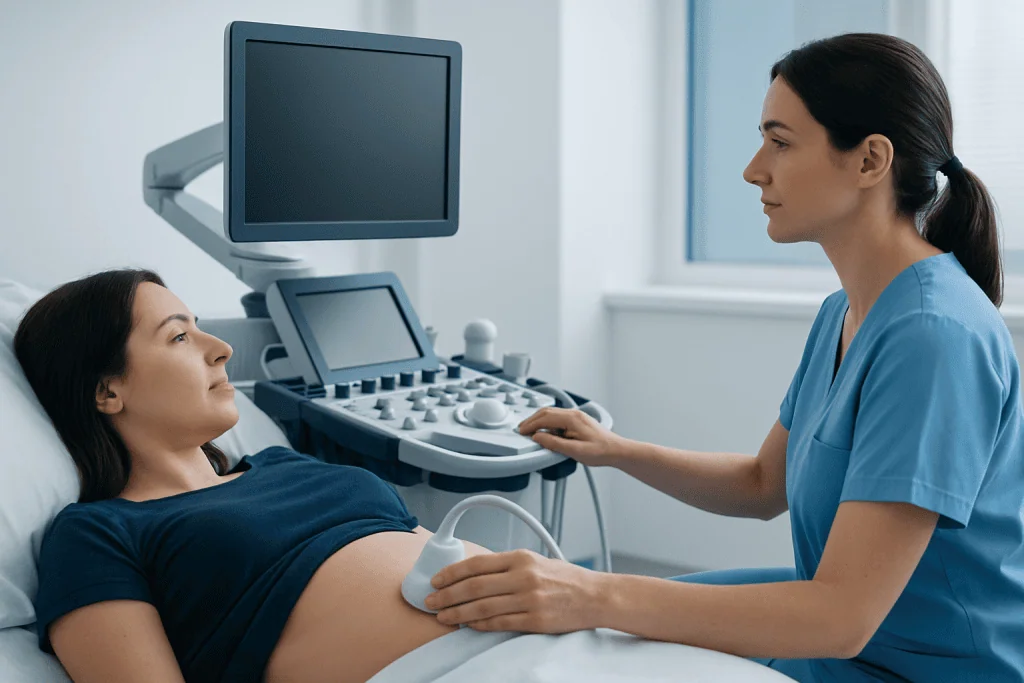
After fertilization, the embryo normally travels through the fallopian tube and implants in the lining of the uterus. In an ectopic pregnancy, that journey is interrupted and implantation happens before the embryo reaches the uterus. The fallopian tube is the most common site because it is narrow and delicate, making it vulnerable if the embryo cannot pass through easily.
As pregnancy tissue grows, it can stretch surrounding structures and cause pain or bleeding. Unlike the uterus, the tube and other ectopic locations are not built to expand enough to support a developing pregnancy. Without treatment, the tissue can damage nearby structures and may lead to rupture, which can cause significant internal bleeding.
Ectopic pregnancy is different from miscarriage, although the symptoms can overlap. A miscarriage involves a pregnancy that implanted in the uterus but is no longer developing. In contrast, an ectopic pregnancy is located outside the uterus from the beginning, so management and risks are different. Related reproductive conditions, such as endometriosis, may also affect pelvic health and fertility and can sometimes increase the risk of tubal problems.
Symptoms and warning signs
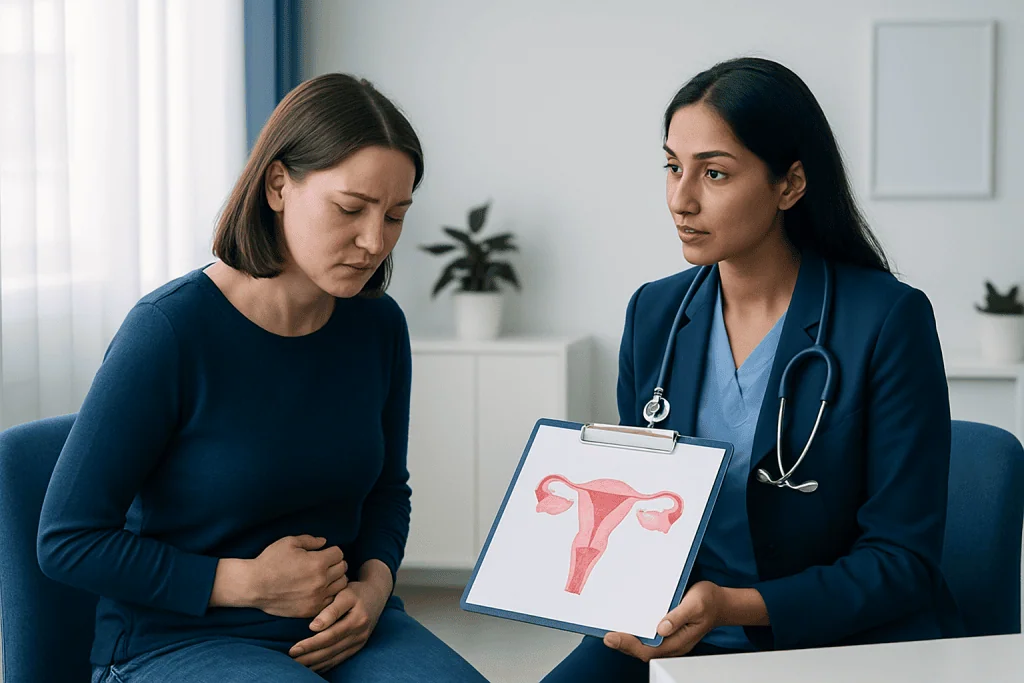
Symptoms of ectopic pregnancy often begin between the fourth and twelfth week of pregnancy, but timing can vary. Early symptoms may resemble a normal pregnancy, including a missed period, breast tenderness, nausea, or fatigue. This can make the condition difficult to recognize without testing.
The most common concerning symptoms are pelvic or lower abdominal pain and vaginal bleeding or spotting. Pain may be sharp or dull, and it is often stronger on one side. Some people describe a sense of pressure in the pelvis, while others notice pain that comes and goes.
If bleeding occurs inside the abdomen, symptoms can become more urgent. These may include shoulder-tip pain, weakness, dizziness, fainting, paleness, or trouble breathing. These signs can suggest rupture and internal bleeding, which is a medical emergency.
- One-sided pelvic or abdominal pain
- Vaginal spotting or bleeding
- Pain with movement or bowel movements
- Shoulder pain
- Dizziness or fainting
- Severe weakness or collapse
Causes and risk factors
An ectopic pregnancy happens when a fertilized egg cannot move normally into the uterus or when the environment of the tube encourages implantation too early. In many cases, the underlying issue involves damage, inflammation, scarring, or changes in the fallopian tube. Sometimes no clear cause can be found, and the condition can occur even in people with no known risk factors.
Factors that may increase risk include prior ectopic pregnancy, previous tubal surgery, pelvic inflammatory disease, sexually transmitted infections that affect the tubes, infertility, and some fertility treatments. Smoking has also been associated with a higher risk. Pelvic conditions that alter anatomy, including ovarian cysts in some situations or scar tissue from surgery, may make evaluation more complex, even if they are not direct causes.
Pregnancy after tubal sterilization is uncommon, but when it happens, there is a higher chance that it may be ectopic. Conception with an intrauterine device in place is also rare, yet if pregnancy occurs, ectopic pregnancy must be ruled out. People who have had previous pelvic surgery, appendicitis with complications, or congenital differences in tubal structure may also have a higher risk.
Diagnosis
Diagnosis is based on symptoms, examination, blood tests, and imaging. A clinician will ask about the timing of the last menstrual period, pregnancy test results, pain, and bleeding. They may also ask about prior ectopic pregnancy, infections, surgeries, fertility treatment, or other conditions that affect reproductive organs.
Blood testing usually includes measurement of human chorionic gonadotropin, or hCG. In a typical early intrauterine pregnancy, hCG often rises in a predictable pattern. In ectopic pregnancy, the rise may be slower, plateau, or fall, although blood tests alone cannot confirm the diagnosis.
Transvaginal ultrasound is a key test because it can help show whether a pregnancy is inside the uterus and whether there is evidence of an ectopic pregnancy or internal bleeding. Sometimes the first scan is not definitive, especially very early in pregnancy, so repeat blood tests and follow-up ultrasound may be needed over several days. If the diagnosis remains uncertain but symptoms worsen, urgent evaluation is necessary. Depending on the situation, clinicians may also assess for related conditions such as uterine fibroids or other pelvic causes of pain and bleeding.
Treatment options
Treatment depends on symptoms, the size and location of the ectopic pregnancy, hCG levels, ultrasound findings, and whether there is rupture or internal bleeding. The main goals are to protect the person’s health, stop the ectopic pregnancy from progressing, and preserve fertility whenever possible. The treating team will also consider whether the patient is stable and able to return for close follow-up.
In selected cases, medication may be used. Methotrexate is the most common medical treatment for a stable, unruptured ectopic pregnancy. It stops pregnancy tissue from growing so the body can gradually absorb it. This option usually requires follow-up blood tests until hCG levels return to non-pregnant levels, and patients are given specific guidance about activity, symptoms to watch for, and when to return urgently.
Surgery may be needed if the ectopic pregnancy is large, causing significant symptoms, has ruptured, or is not suitable for medical management. A minimally invasive approach is often possible with laparoscopic surgery, although open surgery may be necessary in emergencies. Depending on findings, the surgeon may remove the pregnancy from the tube or remove the affected tube if it is badly damaged. In complex situations involving fertility planning, a specialist in IVF treatment or reproductive medicine may be involved later to discuss future options.
After treatment, emotional recovery matters too. Many people experience grief, anxiety, or fear about future pregnancy. Follow-up care may include counseling, guidance on when to try to conceive again, and review of fertility if there have been previous ectopic pregnancies or other risk factors.
Recovery, future fertility, and prevention
Recovery varies according to the type of treatment. After methotrexate, follow-up is essential until blood tests confirm resolution. After surgery, recovery time depends on whether the operation was laparoscopic or open and whether there were complications such as rupture or heavy bleeding. A clinician will explain physical activity limits, symptom monitoring, and timing of repeat visits.
Many people can go on to have healthy pregnancies after an ectopic pregnancy. Future fertility depends on several factors, including the health of the remaining tube, age, underlying reproductive conditions, and whether there was infection or scarring beforehand. Because the risk of another ectopic pregnancy is higher than average, early assessment in the next pregnancy is important.
Not all ectopic pregnancies can be prevented, but some steps may reduce risk. Prompt treatment of sexually transmitted infections, avoiding smoking, and discussing pelvic symptoms early may help protect tubal health. People with infertility or previous tubal disease may benefit from specialist care, and in some cases evaluation through gynecology care or fertility services can support planning for a future pregnancy.
For international patients who need coordinated evaluation, Acibadem International’s multidisciplinary specialists and JCI-accredited hospitals provide diagnosis and treatment for ectopic pregnancy and related women’s health conditions.
When to seek medical care
Medical care should be sought promptly for any positive pregnancy test combined with pelvic pain, one-sided abdominal pain, or unusual vaginal bleeding. Even mild symptoms can become more serious quickly, so early contact with a doctor or emergency department is important. This is especially true for anyone with prior ectopic pregnancy, tubal surgery, pelvic infection, or fertility treatment.
Emergency care is needed right away if there is severe abdominal pain, shoulder pain, fainting, heavy bleeding, marked dizziness, or signs of shock such as confusion, clammy skin, or rapid breathing. These symptoms may suggest rupture and internal bleeding. It is safest not to drive if feeling faint or very unwell.
Anyone who is unsure whether symptoms are urgent should err on the side of getting evaluated. A pregnancy located outside the uterus cannot be managed safely at home. Prompt assessment by a qualified healthcare professional offers the best chance for safe treatment and recovery.
Frequently asked questions
What is an ectopic pregnancy?
An ectopic pregnancy is a pregnancy that implants outside the uterus, most often in a fallopian tube. It cannot develop normally and needs medical care because it can cause serious bleeding if it grows or ruptures.
Can an ectopic pregnancy be saved or moved into the uterus?
No. Current medical treatment cannot move an ectopic pregnancy into the uterus or allow it to continue safely. The focus of care is to protect the patient’s health and reduce the risk of complications.
What are the first signs of ectopic pregnancy?
Early signs often include pelvic or lower abdominal pain and vaginal spotting or bleeding after a positive pregnancy test. Some people also have common early pregnancy symptoms such as nausea or breast tenderness, which can make ectopic pregnancy harder to recognize at first.
How is ectopic pregnancy diagnosed?
Doctors usually diagnose ectopic pregnancy using a combination of blood tests for hCG and transvaginal ultrasound. Sometimes repeat testing over several days is needed if the pregnancy is very early or the first scan is inconclusive.
Can someone get pregnant again after an ectopic pregnancy?
Yes, many people have healthy pregnancies after an ectopic pregnancy. However, the risk of another ectopic pregnancy is higher than average, so early monitoring in the next pregnancy is usually recommended.
When is ectopic pregnancy an emergency?
It is an emergency if there is severe abdominal pain, shoulder pain, fainting, heavy bleeding, or symptoms of shock such as extreme dizziness or weakness. These may be signs of rupture and internal bleeding, which need urgent treatment.
References
- American College of Obstetricians and Gynecologists
- National Health Service
- Mayo Clinic
- Merck Manual Consumer Version
- Royal College of Obstetricians and Gynaecologists
This article is for general information only and is not a substitute for professional medical advice. Please consult a qualified doctor about your individual situation.
Explore treatments in Turkey — costs, top hospitals & a free quote
JCI-accredited · board-certified surgeons · reply within 24h
Add us as a Preferred Source to see more of our trusted health content across Google Search, AI Overviews and Discover.

Related Treatments
Related Conditions
More from the Health Library



Related Specialists

Prof. Dr. Bülent Tıraş
Gynecology & Obstetrics
Prof. Dr. Mete Güngör
Gynecology & Obstetrics
Prof. Dr. Faruk Suat Dede
Gynecology & Obstetrics
Prof. Dr. Tansu Küçük
Gynecology & Obstetrics