Lymphatic Drainage Massage — Explained by Medical Evidence, Not Myths
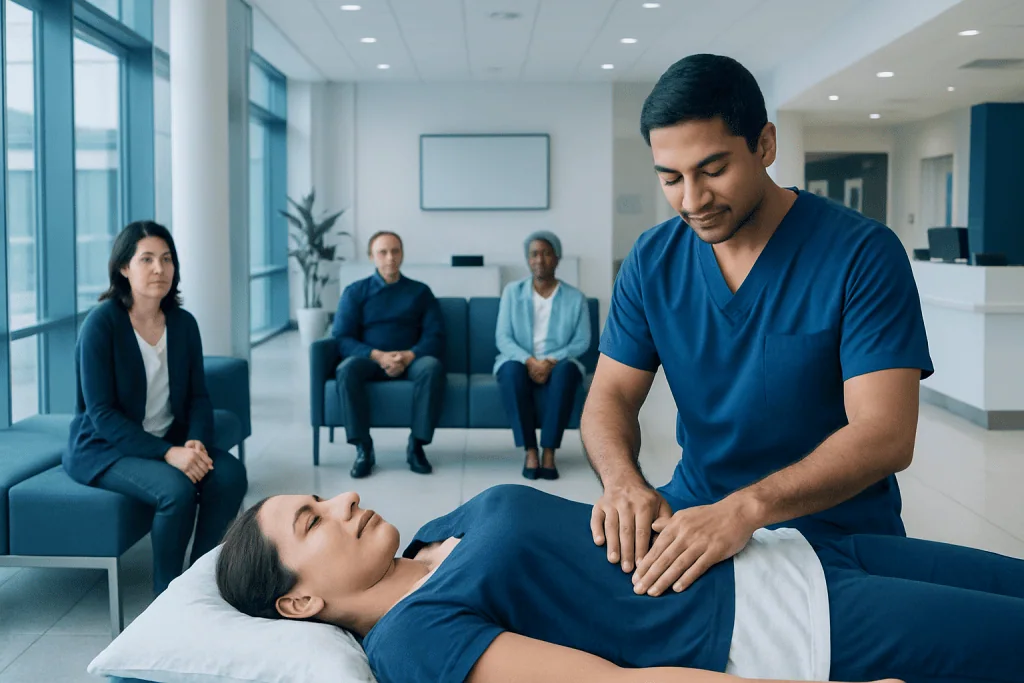
Lymphatic drainage massage uses light, rhythmic movements to support lymph flow rather than deep tissue pressure. Its clearest medical role is in managing lymphedema, usually as part of complete decongestive therapy.
Key Takeaways
- Lymphatic drainage massage uses light, rhythmic movements to support lymph flow rather than deep tissue pressure.
- Its clearest medical role is in managing lymphedema, usually as part of complete decongestive therapy.
- It is not a general detox treatment and should not be presented as a cure for chronic disease or weight loss.
- Some people should avoid it or seek medical advice first, including those with infection, blood clots, or uncontrolled heart failure.
- Best results usually come from assessment and guidance by a trained healthcare professional.
Lymphatic drainage massage is a gentle, medically recognized technique designed to encourage the movement of lymph fluid through the body. It can be helpful in specific situations, especially lymphedema care, but medical evidence does not support the many exaggerated claims often seen online.
What lymphatic drainage massage is — and what it is not
Lymphatic drainage massage is a gentle manual technique intended to help lymph fluid move through lymph vessels and lymph nodes more efficiently. In medical settings, it is often called manual lymphatic drainage. The method uses very light, slow, and rhythmic skin-stretching movements rather than firm pressure. This is because lymph vessels lie close to the skin and can be affected by delicate, precise touch.
Medical evidence supports lymphatic drainage massage most clearly for selected patients with swelling caused by lymphatic system problems, especially lymphedema. It may also be used in some postoperative recovery plans when a surgeon or rehabilitation specialist recommends it. However, it should not be confused with a general wellness trend that promises to “flush toxins,” melt fat, or cure a wide range of illnesses.
The lymphatic system is part of the immune and fluid-balance systems. It helps return excess fluid from tissues back to the bloodstream and carries immune cells through the body. When this system is damaged, blocked, or overwhelmed, fluid can collect in an arm, leg, breast, face, or other area. In that setting, a structured therapy plan may include lymphatic drainage massage, compression, exercise, and skin care.
How it works in the body
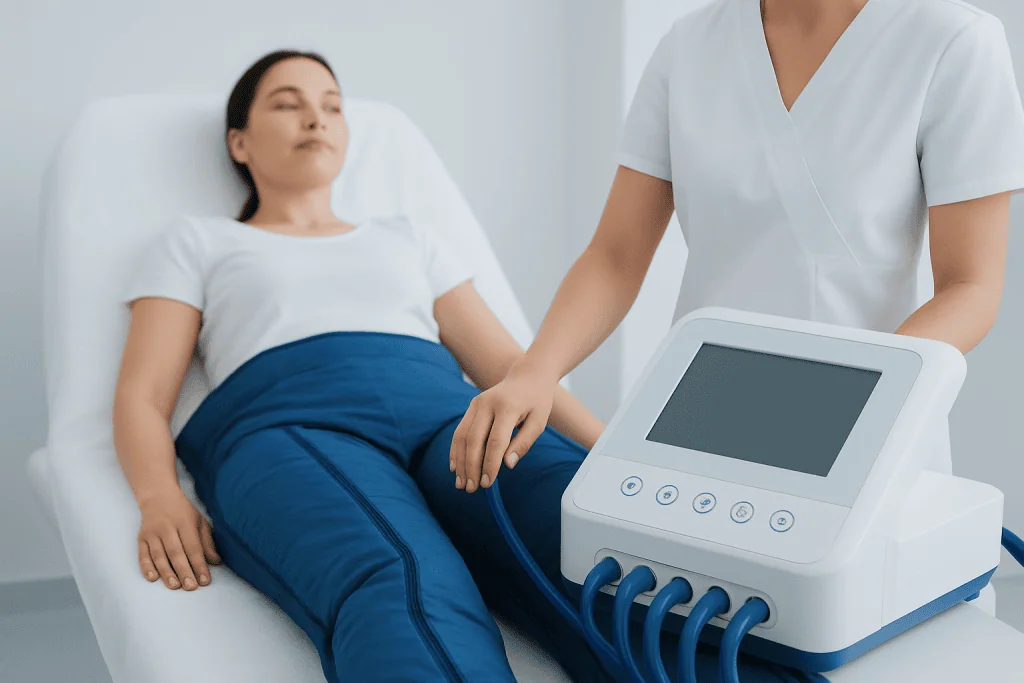
Lymph moves differently from blood. It does not have a heart pumping it through the body. Instead, lymph flow depends on muscle movement, breathing, vessel contractions, and one-way valves inside the lymphatic channels. When flow slows down or drainage pathways are disrupted, fluid may build up in tissues and cause swelling, heaviness, tightness, or discomfort.
Lymphatic drainage massage aims to stimulate superficial lymph vessels and guide fluid toward functioning drainage areas. A trained practitioner typically begins near central lymph node regions to “clear” space before working on the swollen area. This sequence matters, because the goal is not simply to press on swelling but to redirect fluid in a purposeful way.
People often assume that stronger pressure works better, but this is not the case. Deep or forceful massage may irritate tissues or worsen symptoms in some people with swelling. Evidence-based lymphatic drainage is usually calm, methodical, and customized to the person’s anatomy, diagnosis, and treatment goals.
What the evidence says about benefits
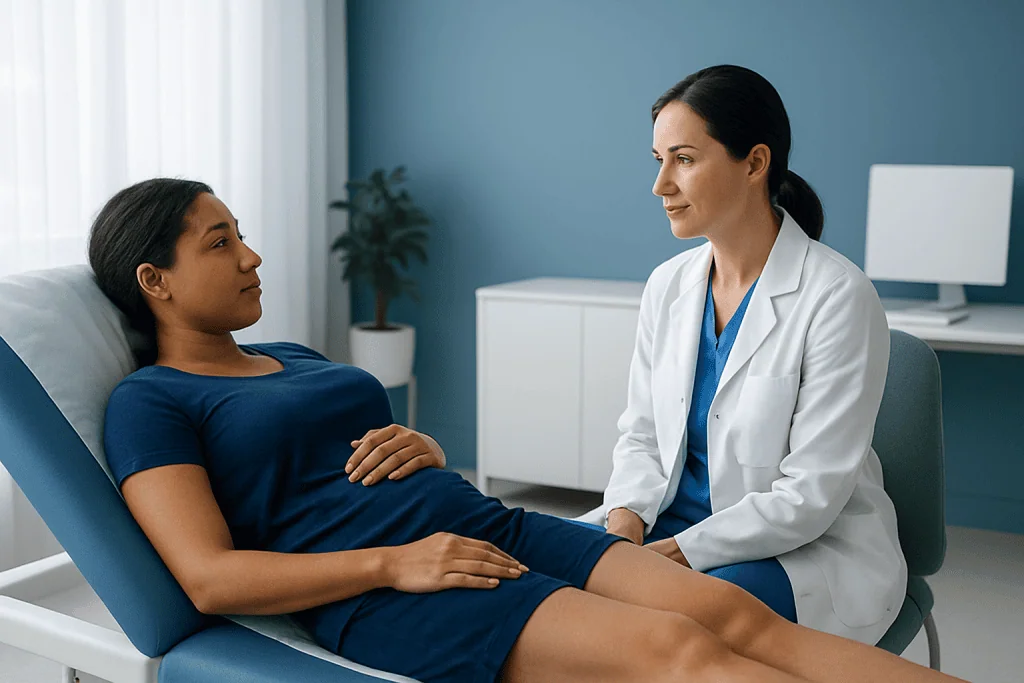
The strongest evidence for lymphatic drainage massage is in the management of lymphedema, especially after cancer treatment or surgery affecting lymph nodes. In this setting, it is commonly one part of complete decongestive therapy, which may also include physical therapy and rehabilitation, compression bandaging or garments, movement, and skin protection. For many patients, combining these approaches is more effective than massage alone.
Some patients report temporary relief of tightness, heaviness, or discomfort after treatment. In certain postoperative situations, clinicians may recommend gentle lymphatic techniques to support recovery from swelling, though timing and suitability depend on the procedure and the surgeon’s advice. This is why self-booking massage soon after surgery is not always appropriate.
Claims that lymphatic drainage massage can detox the body, boost immunity in a broad way, or produce meaningful fat loss are not well supported by medical evidence. The liver, kidneys, digestive tract, and other organs already perform the body’s main detoxification functions. Lymphatic massage is best understood as a targeted supportive therapy for selected conditions, not a universal health cure.
People interested in symptom relief from swelling related to vein or circulation problems should also know that not all swelling is lymphatic. A medical assessment may be needed to distinguish lymphedema from venous disease, heart, kidney, or other causes. In some cases, a clinician may evaluate for varicose veins or other vascular conditions before recommending any manual therapy.
Who may benefit most
Lymphatic drainage massage is most often considered for people with diagnosed or suspected lymphedema. This may happen after breast cancer treatment, gynecologic cancer treatment, melanoma surgery, radiation therapy, trauma, or congenital problems affecting lymphatic development. It can also be relevant after some orthopedic or reconstructive procedures, but only when included in a clinician-guided recovery plan.
Symptoms that may prompt evaluation include persistent swelling in an arm or leg, a feeling of heaviness, skin tightness, reduced flexibility, rings or clothing feeling tighter on one side, or repeated skin infections in a swollen area. A person does not need severe swelling to benefit from early evaluation; prompt treatment can help prevent progression.
Not everyone with puffiness or bloating needs lymphatic drainage massage. Temporary swelling from heat, prolonged sitting, salt intake, hormonal shifts, or minor injury may improve with movement, hydration, limb elevation, or time. If swelling is recurrent, one-sided, unexplained, or worsening, it is safer to look for the cause before trying massage.
Safety, risks, and when it may be unsuitable
When performed correctly for the right person, lymphatic drainage massage is generally gentle and well tolerated. Still, it is not suitable for everyone. It should usually be avoided or postponed in people with acute infection, fever, cellulitis, untreated blood clots, active bleeding, or uncontrolled heart failure, because moving fluid could worsen the underlying problem or delay urgent treatment.
Medical advice is also important for people with severe kidney disease, unexplained swelling, cancer that is being actively assessed, or significant pain during touch. If there is sudden swelling in one leg, chest pain, shortness of breath, redness with warmth, or rapidly spreading skin changes, urgent medical evaluation is more important than massage.
Bruising and soreness are less common with proper lymphatic techniques than with deep tissue massage, because the pressure should be light. If a session is painful, leaves the area more inflamed, or causes persistent worsening of symptoms, the technique may not be appropriate, or another diagnosis may be present. This is one reason treatment by a trained professional matters.
In complex cases, care may involve more than one specialty. At Acibadem International, multidisciplinary specialists in JCI-accredited hospitals evaluate swelling disorders and can coordinate rehabilitation, imaging, and treatments for international patients when needed.
How doctors diagnose lymph-related swelling
A clinician begins by asking when the swelling started, whether it affects one or both sides, what makes it better or worse, and whether there has been recent surgery, radiation, infection, travel, or injury. The physical examination looks at the pattern of swelling, skin quality, tenderness, pulses, and signs suggesting venous, cardiac, kidney, or inflammatory causes.
Diagnosis is often clinical, but imaging or other tests may be needed when the cause is uncertain. These can include ultrasound to look for vein problems or blood clots, or advanced scans in selected cases to assess lymphatic anatomy and flow. If doctors suspect another medical reason for swelling, blood tests or heart and kidney evaluations may also be appropriate.
Because treatment depends on the cause, self-diagnosing “poor lymph drainage” from social media or wellness content can be misleading. A proper evaluation helps identify whether swelling is due to lymphedema, venous disease, postoperative healing, infection, medication side effects, or another condition entirely. In some people, management may also involve cardiovascular surgery or vascular care if circulation problems are contributing.
What treatment usually involves beyond massage
For confirmed lymphedema, lymphatic drainage massage is often only one part of a broader plan. Complete decongestive therapy commonly includes manual lymphatic drainage, compression bandaging or garments, tailored exercise, breathing techniques, and skin care to lower the risk of infection. Education is important so the person can continue self-management at home.
Compression often plays a central role because it helps prevent fluid from reaccumulating after drainage. Exercise supports the muscle pump that moves lymph, and careful skin care reduces the chance of cellulitis. Some people may also benefit from specialist procedures or surgery in selected cases, but conservative treatment is usually the first step.
If a doctor suspects swelling after surgery is outside the normal healing process, further treatment may be needed rather than massage alone. Depending on the cause, management could include oncology follow-up, vascular care, infection treatment, medication adjustment, or rehabilitation. The most effective plan is individualized and based on diagnosis, not trends.
Self-care, realistic expectations, and when to seek medical care
Simple habits can support healthy fluid movement in everyday life. Regular walking or light exercise, changing position during long periods of sitting, gentle stretching, staying within a healthy weight range, and following clinician advice on compression garments can all help. Good skin care is especially important for anyone with lymphedema, because cuts, burns, and infections can worsen swelling.
People who have been taught self-manual lymphatic drainage by a qualified therapist should follow the exact technique, sequence, and frequency given to them. More pressure is not better, and online demonstrations may not match an individual’s condition. If symptoms change, it is wise to ask for reassessment before continuing.
Medical care should be sought promptly for sudden swelling, swelling in one limb with pain, redness or warmth, fever, shortness of breath, chest pain, or any rapidly worsening symptoms. A doctor should also assess swelling that persists, returns frequently, or develops after cancer treatment or surgery. Early evaluation can clarify the cause and help prevent complications.
Lymphatic drainage massage can be a helpful supportive therapy when used for the right reason, with the right technique, and under the right guidance. Its value is greatest when it is part of evidence-based care rather than marketed as a cure-all.
Frequently asked questions
Does lymphatic drainage massage really work?
It can help in specific medical situations, especially lymphedema, when it is used as part of a broader treatment plan. It is less supported for the broad wellness claims often seen online, such as detoxifying the body or causing major weight loss.
Is lymphatic drainage massage the same as regular massage?
No. Lymphatic drainage massage uses very light, rhythmic movements aimed at superficial lymph vessels, while regular massage often focuses on muscles and may use deeper pressure. The goals and techniques are different.
Can lymphatic drainage massage reduce belly bloating?
It may not be the right answer for most bloating, because abdominal bloating often relates to digestion, hormones, or diet rather than lymphatic blockage. If bloating is persistent, painful, or new, a medical assessment is a better first step.
Who should avoid lymphatic drainage massage?
People with acute infection, untreated blood clots, uncontrolled heart failure, or unexplained sudden swelling should not start it without medical advice. A doctor may also recommend caution in certain kidney, cancer, or postoperative situations.
How often is lymphatic drainage massage needed?
The schedule depends on the diagnosis, severity of swelling, and whether it is part of a structured lymphedema program. Some people need a short course with a therapist, while others are taught self-care techniques for long-term management.
Can a person do lymphatic drainage massage at home?
Some people can, but only after proper instruction from a qualified clinician or therapist. The sequence and pressure matter, and using the wrong technique may be ineffective or uncomfortable.
References
- World Health Organization
- National Cancer Institute
- National Health Service
- International Society of Lymphology
- American Cancer Society
This article is for general information only and is not a substitute for professional medical advice. Please consult a qualified doctor about your individual situation.
Explore treatments in Turkey — costs, top hospitals & a free quote
JCI-accredited · board-certified surgeons · reply within 24h
Add us as a Preferred Source to see more of our trusted health content across Google Search, AI Overviews and Discover.