Trazodone — Explained by Medical Evidence, Not Myths

Trazodone is an antidepressant that affects brain chemicals involved in mood and sleep. It may be prescribed for depression and is also sometimes used off-label for insomnia.
Key Takeaways
- Trazodone is an antidepressant that affects brain chemicals involved in mood and sleep.
- It may be prescribed for depression and is also sometimes used off-label for insomnia.
- Common side effects include sleepiness, dizziness, dry mouth, and nausea.
- Trazodone can interact with alcohol, sedatives, and other medicines that affect serotonin or heart rhythm.
- It should not be stopped suddenly without medical advice, especially after regular use.
- Urgent medical care is needed for severe allergic reactions, chest symptoms, fainting, or thoughts of self-harm.
Trazodone is a prescription medicine mainly used to treat depression and, in some cases, sleep problems. Understanding what it does, what side effects to watch for, and when medical review is needed can help people use trazodone more safely and confidently.
Overview: what trazodone is and what it is used for
Trazodone is a prescription medicine that belongs to the antidepressant group. It is most commonly used to treat depression, but doctors may also prescribe it for other reasons, especially when sleep disturbance is part of the problem. In practical terms, trazodone is known for having both mood-related and sedating effects, which is why it is discussed so often in relation to sleep.
Medical evidence supports trazodone as a legitimate treatment option in selected patients, but it is not a “one-size-fits-all” medicine. It is not simply a sleeping pill, and it is not harmless just because it has been used for many years. Like all prescription medicines, its benefits and risks depend on the person’s symptoms, age, health conditions, and other medicines they take.
Trazodone works by affecting chemical signaling in the brain, particularly serotonin. Serotonin helps regulate mood, sleep, and other functions. Because brain and body responses vary, one person may feel meaningful improvement while another may notice side effects or limited benefit. This is one reason doctors usually review treatment after it starts and adjust the plan if needed.
How trazodone works in the body
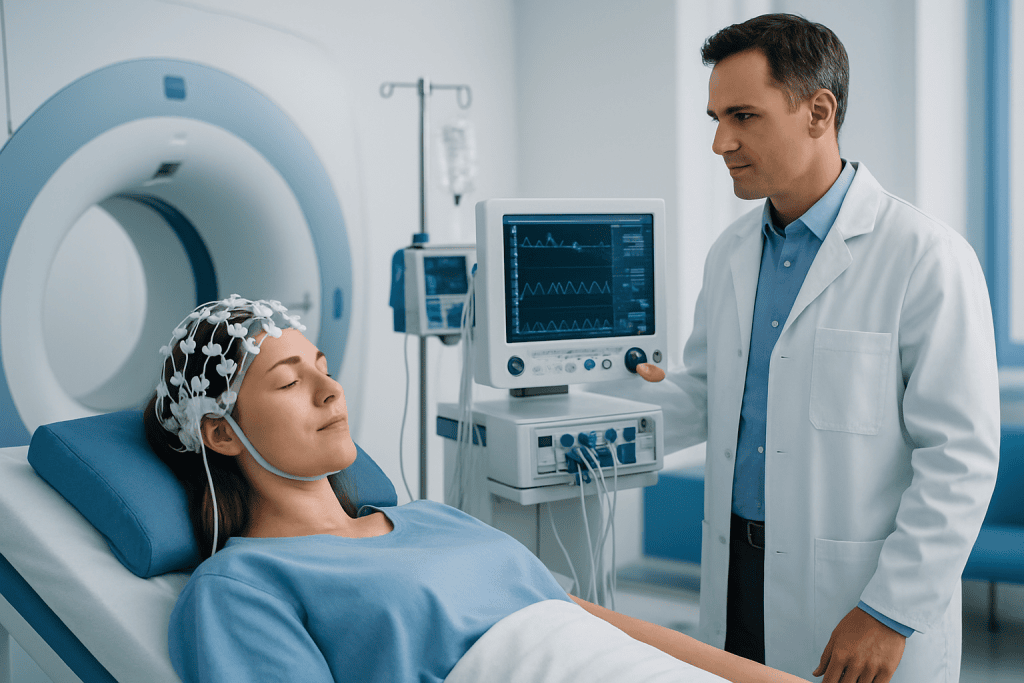
Trazodone is often described as an antidepressant with calming or sedating properties. It influences serotonin pathways in the brain and also has effects on certain receptors linked with alertness and blood vessel tone. These combined actions help explain why it may improve mood in some people while also causing drowsiness, especially early in treatment.
Its effects are not immediate in the same way as a painkiller or fever medicine. When trazodone is prescribed for depression, improvement in mood may take time, and sleep changes may happen before mood changes do. That pattern can be confusing, but it is common with many medicines that act on the brain.
Because trazodone can lower alertness, it may affect driving, work safety, and daily activities that require concentration. It can also affect blood pressure, especially when standing up. This is why clinicians usually advise caution during the first days or weeks of treatment and after dose changes.
Common uses, common side effects, and common myths

The main approved use of trazodone is depression. However, many people know it because it is sometimes prescribed off-label for insomnia, especially when poor sleep occurs alongside anxiety or low mood. Off-label use does not automatically mean inappropriate use; it means the doctor is using medical judgment based on the patient’s situation and available evidence.
Common side effects include sleepiness, dizziness, dry mouth, headache, nausea, constipation, blurred vision, and feeling unsteady. Some people notice morning grogginess or a “hungover” feeling, particularly if they are sensitive to sedating medicines. These effects may improve over time, but persistent or troublesome symptoms should be discussed with a doctor.
Several myths about trazodone can be misleading. One myth is that it is “just a sleep aid,” when in fact it is an antidepressant with wider effects on the brain and body. Another is that older medicines are automatically safer; in reality, any medicine can cause side effects or interactions. A third myth is that if a medicine helps sleep, it must be appropriate for everyone with insomnia. Sleep problems can have different causes, including stress, depression, pain, breathing disorders, or neurologic sleep conditions that need proper evaluation.
- Myth: Trazodone is non-medical or “mild.” Fact: It is a prescription medicine with important benefits and risks.
- Myth: If it causes sleepiness, more is always better for sleep. Fact: Dosing decisions must be individualized by a clinician.
- Myth: It can be started or stopped casually. Fact: Changes should be guided by a qualified doctor.
Risks, interactions, and who may need extra caution
Trazodone is not suitable for everyone. Extra caution may be needed in older adults, people with low blood pressure, heart rhythm problems, liver disease, kidney disease, bipolar disorder, glaucoma, or a history of falls. A clinician may also review whether symptoms are related to conditions such as depression or sleep disorders, because treatment may differ depending on the cause.
Drug interactions are an important safety issue. Trazodone can increase sleepiness when combined with alcohol, antihistamines, opioids, benzodiazepines, or other sedating medicines. It can also interact with medicines that affect serotonin, such as SSRIs, SNRIs, MAO inhibitors, triptans, and some pain medicines. In some combinations, this may raise the risk of serotonin syndrome, a rare but potentially serious reaction.
Another concern is heart rhythm. Trazodone may affect electrical activity in the heart in susceptible people, especially when used with other medicines that also affect rhythm. Fainting, palpitations, or unexplained dizziness should not be ignored. Men should also know that a prolonged and painful erection is a rare but urgent side effect requiring prompt care.
Pregnancy, breastfeeding, and adolescence require individualized review. Trazodone may still be appropriate in some situations, but the decision should weigh possible benefits and risks carefully. People should tell their doctor about all prescription medicines, over-the-counter products, herbal supplements, alcohol use, and recreational substances before starting treatment.
How doctors assess trazodone treatment
There is no single test that “diagnoses the need” for trazodone. Instead, a doctor evaluates symptoms, medical history, current medicines, sleep patterns, mental health history, and any coexisting conditions. The aim is to understand whether trazodone fits the overall picture and whether safer or more effective alternatives may be better.
When trazodone is considered for depression, the clinician may ask about mood, appetite, energy, concentration, anxiety, sleep, and thoughts of self-harm. When it is considered for sleep, the doctor may ask how long insomnia has lasted, what makes it worse, and whether there may be another cause such as sleep apnea, restless legs, pain, substance use, or a mood disorder.
In some cases, doctors may recommend additional evaluation or specialist care. This may include psychiatric assessment for persistent mood symptoms or sleep evaluation when insomnia seems linked to a broader sleep problem. The purpose is not to make treatment more complicated, but to match the treatment to the actual cause of symptoms.
Treatment planning, monitoring, and stopping safely
If trazodone is prescribed, doctors usually start with an individualized plan and monitor response over time. The first goals may include symptom relief, better sleep continuity, improved daytime function, and manageable side effects. Follow-up matters because the early weeks can show whether the medicine is helping, causing unwanted effects, or interacting with other treatments.
Trazodone is often only one part of care. For depression, treatment may also include therapy, lifestyle measures, and treatment of coexisting anxiety or sleep problems. For insomnia, good sleep habits and evaluation of underlying causes remain important even if medicine is used. Some patients may benefit from coordinated care involving primary care, psychiatry, neurology, or sleep specialists, and in selected cases a doctor may discuss services such as neurological evaluation if symptoms suggest a broader nervous system issue.
It is usually not advisable to stop trazodone suddenly without medical guidance, especially after regular use. Stopping abruptly may lead to return of symptoms or uncomfortable discontinuation effects in some people. A doctor may recommend a gradual reduction plan based on why the medicine was prescribed, how long it has been used, and how the person is feeling.
Near the end of the care pathway, some patients may seek evaluation at centers with coordinated specialty services. Acibadem International’s multidisciplinary specialists and JCI-accredited hospitals diagnose and treat related mood and sleep conditions for international patients when more detailed assessment is needed.
Self-care and when to seek medical care
People taking trazodone can support safer use with simple habits. It helps to take the medicine exactly as prescribed, avoid alcohol unless a doctor says otherwise, and be cautious with driving or operating machinery until individual effects are clear. Keeping an updated list of medicines and supplements can also prevent unsafe combinations.
Good self-care also means watching for patterns. A symptom diary may help track sleep quality, daytime drowsiness, mood changes, dizziness, or side effects. This can make follow-up visits more useful and can help a doctor decide whether trazodone is helping or whether another approach may be better.
Medical review should be arranged promptly if side effects are persistent, sleepiness interferes with daytime function, dizziness leads to near-falls, or symptoms of depression worsen. Urgent care is needed for chest pain, fainting, severe shortness of breath, a severe allergic reaction, unusual agitation, confusion, high fever with muscle stiffness, or thoughts of self-harm. Men should seek immediate medical care for a prolonged and painful erection.
Frequently asked questions
Is trazodone mainly for depression or for sleep?
Trazodone is primarily an antidepressant. However, doctors also sometimes prescribe it off-label for sleep problems, especially when insomnia occurs with mood symptoms or anxiety.
How long does trazodone take to work?
Its sedating effect may be noticed relatively early, sometimes sooner than mood improvement. When it is used for depression, fuller benefit may take longer, so regular follow-up with a doctor is important.
What are the most common trazodone side effects?
Common side effects include drowsiness, dizziness, dry mouth, headache, nausea, constipation, and blurred vision. Some people also feel groggy the next morning or lightheaded when standing up.
Can trazodone be taken with alcohol or sleep medicines?
It is generally safest to avoid alcohol and to be cautious with other sedating medicines unless a doctor specifically advises otherwise. Combining these substances can increase drowsiness, dizziness, and the risk of accidents or other adverse effects.
Can trazodone cause dependence?
Trazodone is not usually considered addictive in the same way as some sedative drugs. Even so, it should still be used only under medical supervision, and it should not be stopped abruptly without advice.
Who should talk to a doctor before using trazodone?
Anyone with heart rhythm problems, low blood pressure, liver or kidney disease, glaucoma, bipolar disorder, pregnancy, breastfeeding, or a history of falls should have a careful medical review first. This also applies to people taking antidepressants, pain medicines, sedatives, or herbal products.
References
- U.S. Food and Drug Administration
- National Institute of Mental Health
- MedlinePlus
- Mayo Clinic
- National Health Service
This article is for general information only and is not a substitute for professional medical advice. Please consult a qualified doctor about your individual situation.
Explore treatments in Turkey — costs, top hospitals & a free quote
JCI-accredited · board-certified surgeons · reply within 24h
Add us as a Preferred Source to see more of our trusted health content across Google Search, AI Overviews and Discover.
Check your numbers in seconds
BMI, calories, due date, blood pressure and 30+ more clinical calculators — free, instant, doctor-reviewed ranges.