Sarcoidosis: Symptoms, Causes, and Treatment Options

Sarcoidosis is caused by an overactive immune response that leads to granuloma formation in affected organs. The lungs are most commonly involved, but sarcoidosis can also affect the skin, eyes, heart, joints, liver, and nervous system.
Key Takeaways
- Sarcoidosis is caused by an overactive immune response that leads to granuloma formation in affected organs.
- The lungs are most commonly involved, but sarcoidosis can also affect the skin, eyes, heart, joints, liver, and nervous system.
- Some people have no symptoms and improve without treatment, while others need medicines and long-term monitoring.
- Diagnosis usually combines symptoms, imaging, lung tests, lab work, and often a biopsy to confirm granulomas and rule out similar conditions.
- Prompt medical review is important for eye symptoms, chest pain, fainting, worsening shortness of breath, or neurologic symptoms.
Sarcoidosis is an inflammatory condition in which tiny clusters of immune cells, called granulomas, form in one or more organs. It often affects the lungs and lymph nodes, but it can also involve the skin, eyes, heart, or nervous system, so diagnosis and follow-up are tailored to the organs involved.
Overview: what sarcoidosis is
Sarcoidosis is a condition in which the immune system becomes overactive and forms small areas of inflammation called granulomas. These granulomas can appear in different parts of the body and may interfere with how an organ works. The lungs and nearby lymph nodes are affected most often, but the skin, eyes, heart, liver, joints, and nervous system can also be involved.
For many people, sarcoidosis is mild and may settle on its own over time. Others have symptoms that last longer or inflammation that needs treatment to protect organ function. Because the condition can look different from one person to another, care is usually based on which organs are involved and how active the disease is.
Sarcoidosis is not a cancer and it is not considered a contagious infection. Even so, doctors usually need to rule out infections, autoimmune diseases, and other inflammatory conditions before confirming the diagnosis. This careful approach helps make sure the treatment plan matches the real cause of symptoms.
How sarcoidosis can affect the body
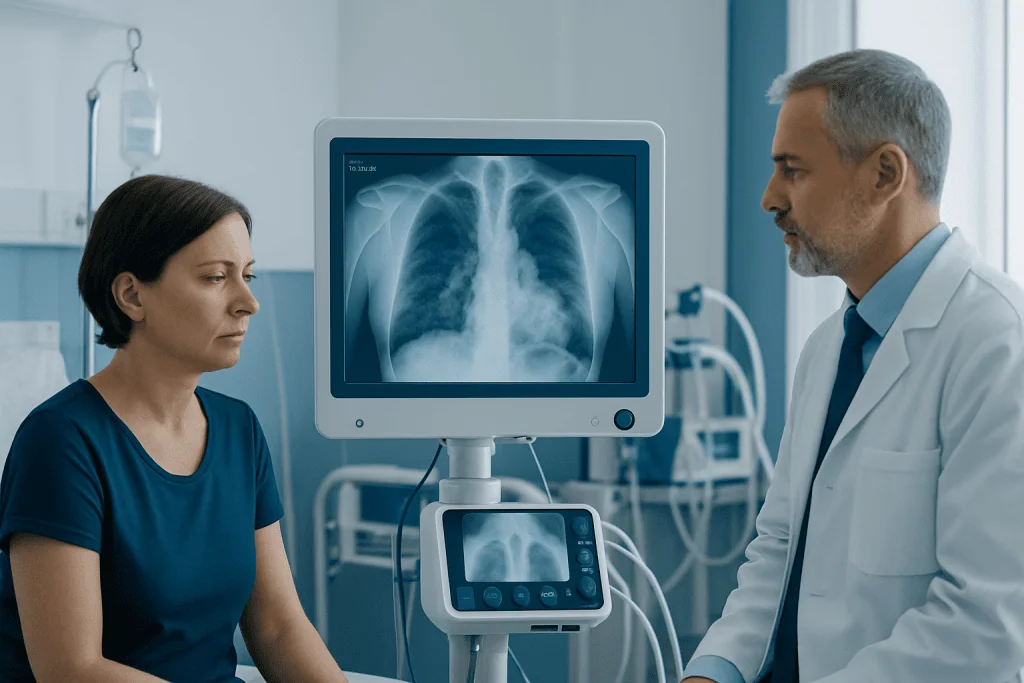
The lungs are the most common site of sarcoidosis. In pulmonary sarcoidosis, granulomas may form in lung tissue and in lymph nodes in the chest. This can lead to coughing, chest discomfort, wheezing, or shortness of breath. Some people are found to have sarcoidosis only after a chest X-ray or scan done for another reason.
Sarcoidosis can also affect organs outside the lungs. Skin involvement may cause tender red bumps, raised rashes, or darker or lighter patches. Eye involvement may lead to redness, pain, blurred vision, sensitivity to light, or a feeling of dryness. Joint pain and fatigue are also common and can affect daily life even when organ inflammation is limited.
Less commonly, sarcoidosis involves the heart or nervous system. Cardiac sarcoidosis can cause palpitations, dizziness, fainting, or symptoms related to abnormal heart rhythm. Nervous system involvement may cause facial weakness, headaches, numbness, or other neurologic symptoms. Because these forms can be more serious, they often need rapid assessment and closer follow-up.
Symptoms of sarcoidosis

Sarcoidosis symptoms vary widely. Some people have no symptoms at all, while others notice general signs of inflammation such as fatigue, fever, night sweats, weight loss, or swollen lymph nodes. The pattern often depends on which organs are affected and whether the disease is recent or long-standing.
Common lung-related symptoms include a dry cough, shortness of breath during activity, chest tightness, and chest pain. Skin symptoms may include painful red lumps on the shins, persistent rashes, or small bumps around scars or tattoos. Eye symptoms can include redness, pain, blurred vision, floaters, or increased sensitivity to light.
Other possible symptoms include joint pain, muscle aches, enlarged lymph nodes, irregular heartbeat, swelling in the legs, or tingling and weakness if nerves are involved. These symptoms are not unique to sarcoidosis, which is why medical evaluation is important. Doctors may also assess for conditions with overlapping features, such as lung cancer or chronic inflammatory lung disease, when the presentation is unclear.
- Dry cough or breathlessness
- Fatigue and reduced exercise tolerance
- Skin rashes or tender red bumps
- Eye redness, pain, or blurred vision
- Joint pain, fever, or swollen lymph nodes
Causes and risk factors
The exact cause of sarcoidosis is not fully understood. Experts believe it develops when the immune system reacts strongly to a trigger in someone who is genetically more likely to have the condition. Possible triggers may include environmental exposures, certain microorganisms, or inhaled substances, but no single cause explains every case.
Family history may increase susceptibility, and sarcoidosis appears to be more common in some populations than others. It is most often diagnosed in adults, although it can occur at different ages. A person’s job, home environment, and exposure history may be reviewed because these details can help doctors consider whether another condition could be causing similar inflammation.
It is important to know what sarcoidosis is not. It is not usually passed from person to person, and it is not simply the same as an infection or an allergy. Because symptoms can overlap with autoimmune diseases, fungal infections, tuberculosis, and other lung disorders, diagnosis focuses on finding the characteristic granulomas while excluding other explanations.
How sarcoidosis is diagnosed
Diagnosis begins with a medical history, a physical examination, and a review of symptoms affecting different organs. A doctor may ask about breathing symptoms, skin changes, eye complaints, palpitations, nerve symptoms, occupational exposures, and travel history. Blood tests can help assess inflammation and organ function, but they cannot confirm sarcoidosis on their own.
Imaging is often an important next step. A chest X-ray may show enlarged lymph nodes or changes in the lungs, and a CT scan can provide more detail when needed. Lung function tests may be used to see how well the lungs are working, especially if there is cough or breathlessness. Depending on symptoms, doctors may also request an ECG, echocardiogram, cardiac MRI, eye examination, or neurologic evaluation.
In many cases, a biopsy is needed to confirm the diagnosis. This means removing a small sample of tissue from an affected area, such as lymph nodes, lung tissue, or skin, to look for granulomas under a microscope. Procedures such as bronchoscopy may help obtain lung or lymph node samples. If imaging suggests chest involvement, chest disease evaluation and treatment may be part of the care pathway to confirm the diagnosis and exclude other causes.
Because sarcoidosis can resemble other disorders, diagnosis is often a step-by-step process rather than a single test. This can feel slow, but it is important for safe treatment decisions. Confirming organ involvement also helps doctors decide whether active treatment is necessary or careful observation is the best approach.
Treatment options and follow-up
Not everyone with sarcoidosis needs treatment right away. If symptoms are mild and there is no sign of important organ damage, doctors may recommend regular monitoring instead. This can include checkups, repeat imaging, lung function tests, and eye examinations to make sure the disease is improving or staying stable.
When treatment is needed, the goal is to reduce inflammation, ease symptoms, and protect affected organs. Corticosteroids are commonly used first because they can quickly lower inflammation. If sarcoidosis is persistent, relapsing, or difficult to control, doctors may use other immune-modulating medicines to reduce steroid exposure and support long-term management.
Treatment plans depend on the organs involved. Eye disease may require urgent ophthalmology care, while heart rhythm problems may need cardiology assessment and advanced testing. People with significant lung disease may benefit from specialized respiratory care, including lung transplant assessment in very advanced, selected cases, although this is uncommon. When symptoms or scans overlap with other inflammatory lung conditions, clinicians may also compare findings with diseases such as pulmonary fibrosis before finalizing treatment.
Follow-up matters even after symptoms improve. Sarcoidosis can become inactive and later return, or it can quietly affect an organ without causing obvious symptoms at first. Ongoing care helps detect changes early and adjust treatment safely.
Prevention, daily care, and living with sarcoidosis
There is no proven way to prevent sarcoidosis because its exact cause is still unclear. Even so, daily habits can support overall health and help people cope with symptoms. Avoiding smoking and secondhand smoke is especially important when the lungs are involved. Staying active within personal limits, getting enough rest, and following a balanced diet may also support recovery and energy levels.
Self-care should also include keeping scheduled follow-up visits. Eye checks, lung testing, or heart monitoring may be advised even if a person feels well, depending on the pattern of disease. People taking corticosteroids or other immune-modulating medicines should discuss side effects, vaccinations, and infection precautions with their doctor.
It can help to track symptoms such as breathlessness, cough, palpitations, vision changes, skin lesions, or unusual fatigue. A simple symptom diary may make it easier to notice patterns and explain changes during appointments. Patients should avoid stopping prescribed medication on their own, especially steroids, because treatment often needs careful adjustment.
When to seek medical care
Medical review is advisable if there is a persistent dry cough, unexplained shortness of breath, swollen lymph nodes, lasting fatigue, unexplained skin changes, or red and painful eyes. These symptoms do not always mean sarcoidosis, but they deserve proper evaluation, especially when they continue for weeks or affect daily activities.
Urgent care is important for chest pain, fainting, new palpitations, sudden worsening of breathing, severe eye pain, vision loss, facial weakness, or other new neurologic symptoms. These may suggest involvement of the heart, eyes, or nervous system and should not be ignored. Early assessment can help protect organ function and guide timely treatment.
People with confirmed sarcoidosis should also contact their doctor if symptoms return, medicines cause troublesome side effects, or a new problem develops that might reflect another organ becoming involved. Near the end of the care journey, some patients seek coordinated specialist review; Acibadem International’s multidisciplinary specialists in JCI-accredited hospitals diagnose and treat sarcoidosis for international patients when complex evaluation is needed.
Frequently asked questions
Is sarcoidosis a serious disease?
Sarcoidosis can be mild or more complex, depending on which organs are affected and how active the inflammation is. Many people recover or remain stable with monitoring, but some need treatment and long-term follow-up to protect organ function.
Can sarcoidosis go away on its own?
Yes, some cases improve without specific treatment, especially when symptoms are mild and organ function is preserved. Even then, follow-up is important because the condition can persist, recur, or affect another organ over time.
What organs does sarcoidosis usually affect?
The lungs and chest lymph nodes are affected most often. Sarcoidosis can also involve the skin, eyes, heart, liver, joints, and nervous system, which is why symptoms can differ so much from person to person.
How do doctors confirm sarcoidosis?
Doctors usually combine the person's symptoms, physical examination, imaging, and tests of organ function. A biopsy is often needed to show granulomas and to help rule out infections, cancer, and other inflammatory diseases that can look similar.
Is sarcoidosis contagious?
Sarcoidosis is not generally considered contagious. It is thought to result from an abnormal immune response rather than from a disease that spreads from person to person.
What is the main treatment for sarcoidosis?
Treatment depends on severity and organ involvement. Corticosteroids are commonly used first to reduce inflammation, while other immune-modulating medicines may be considered if disease is ongoing, severe, or difficult to control.
When should someone with sarcoidosis seek urgent help?
Urgent medical attention is important for chest pain, fainting, worsening shortness of breath, severe eye pain, vision changes, or new neurologic symptoms such as facial weakness. These symptoms may indicate heart, eye, or nervous system involvement and should be assessed promptly.
References
- National Heart, Lung, and Blood Institute
- American Lung Association
- National Institute of Arthritis and Musculoskeletal and Skin Diseases
- Mayo Clinic
- American Thoracic Society
This article is for general information only and is not a substitute for professional medical advice. Please consult a qualified doctor about your individual situation.
Sarcoidosis in Turkey — costs, top hospitals & a free quote
JCI-accredited · board-certified surgeons · reply within 24h
Add us as a Preferred Source to see more of our trusted health content across Google Search, AI Overviews and Discover.

More from the Health Library


Related Specialists
Prof. Dr. Hasan Uçmak
Clinical Laboratory
Prof. Dr. Arzu Tatlipinar
Otorhinolaryngology
Assoc. Prof. Dr. Gökhan Tosun
Gynecology & Obstetrics
Dr. Sedef Başgönül
Infectious Diseases & Clinical Microbiology