Postpartum Depression: A Complete Medical Overview
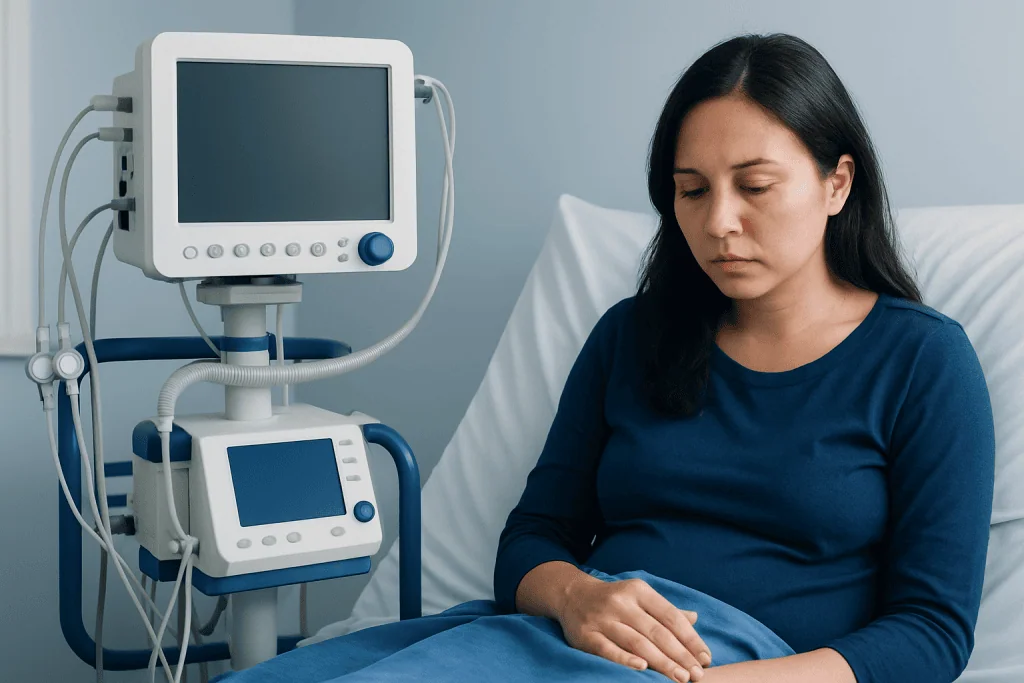
Postpartum depression is a medical condition, not a personal weakness or failure. Symptoms usually last longer and feel more intense than normal postpartum emotional changes.
Key Takeaways
- Postpartum depression is a medical condition, not a personal weakness or failure.
- Symptoms usually last longer and feel more intense than normal postpartum emotional changes.
- Early diagnosis and treatment can improve the health of both parent and baby.
- Treatment may include therapy, social support, lifestyle measures, and sometimes medication.
- Urgent medical help is needed for thoughts of self-harm, harming the baby, or loss of touch with reality.
Postpartum depression is a common, treatable mental health condition that can develop during pregnancy or after childbirth. It is more than the temporary "baby blues" and may affect mood, sleep, bonding, daily functioning, and overall wellbeing.
Overview
Postpartum depression is a mood disorder that develops during pregnancy or after childbirth, most often within the first few weeks or months after delivery. It can cause ongoing sadness, anxiety, irritability, emotional numbness, low energy, and difficulty coping with daily life. Unlike the short-lived emotional changes often called the baby blues, postpartum depression is more persistent and can interfere with sleep, self-care, relationships, and bonding with the baby.
This condition is common and treatable. It can affect anyone who has recently given birth, regardless of age, background, or whether the pregnancy was planned. Some people feel overwhelmed and tearful, while others mainly notice anxiety, anger, restlessness, or a sense of disconnection. Symptoms can range from mild to severe, and they deserve medical attention even if they do not seem dramatic.
Postpartum depression is part of a broader group of perinatal mental health conditions. It is not caused by a lack of love for the baby or by being a “bad parent.” Physical recovery from childbirth, sudden hormone changes, sleep disruption, previous mental health history, and the demands of caring for a newborn can all play a role. Recognizing it early helps families get support sooner and reduces the risk of complications.
How It Differs From the Baby Blues
Many new parents experience the baby blues in the first days after giving birth. This temporary state may include crying easily, mood swings, feeling emotionally sensitive, and being more easily overwhelmed. These symptoms usually begin within a few days after delivery and improve on their own within about two weeks.
Postpartum depression lasts longer, feels heavier, and affects daily functioning more clearly. Instead of brief emotional ups and downs, a person may feel persistently low, anxious, hopeless, empty, guilty, or unable to enjoy things that used to matter. They may struggle to care for themselves, find it hard to rest even when the baby sleeps, or feel disconnected from family life.
It is also important to distinguish postpartum depression from more severe but less common conditions such as postpartum psychosis. Psychosis can include confusion, delusions, hallucinations, extreme agitation, or behavior that seems out of touch with reality, and it is a medical emergency. Because symptoms can overlap or evolve, persistent emotional distress after childbirth should always be discussed with a qualified doctor.
Symptoms and Daily Impact
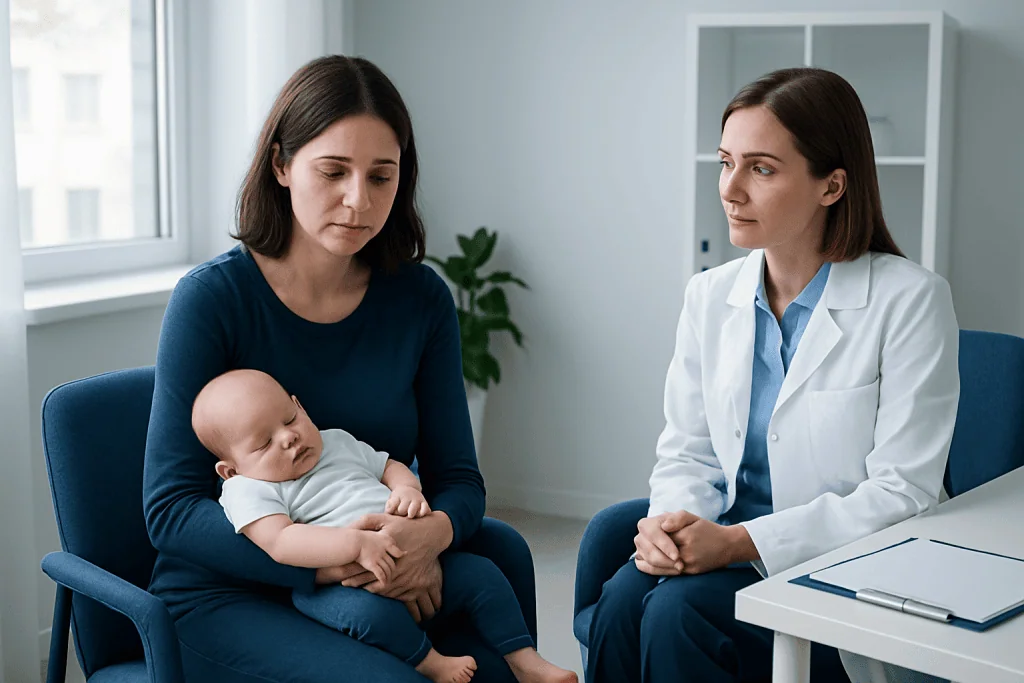
The symptoms of postpartum depression can appear gradually or begin more suddenly. Some people mainly notice sadness and crying, while others feel anxious, numb, or unusually irritable. Symptoms can affect emotional health, physical energy, concentration, sleep, appetite, and relationships. They may be present most of the day for many days in a row.
Common symptoms include:
- Persistent sadness, emptiness, or frequent crying
- Loss of interest or pleasure in usual activities
- Feeling hopeless, guilty, ashamed, or worthless
- Excessive worry, panic, or constant fear that something bad will happen
- Irritability, anger, or feeling emotionally overwhelmed
- Sleeping too little or too much, beyond normal newborn-related sleep loss
- Changes in appetite
- Fatigue, poor concentration, or trouble making decisions
- Difficulty bonding with the baby or feeling emotionally detached
- Thoughts of self-harm or of harming the baby
The daily impact can be significant. A parent may find it hard to complete routine tasks, attend appointments, maintain relationships, or ask for help. Some feel intense pressure to appear happy, which can delay diagnosis. Because postpartum depression can affect the whole family, timely support matters not only for the parent but also for infant care, feeding, sleep routines, and family wellbeing.
Causes and Risk Factors
There is no single cause of postpartum depression. It usually develops through a combination of biological, emotional, and social factors. After childbirth, hormone levels change rapidly, the body is healing, and sleep may become fragmented for weeks or months. These physical stresses can interact with personal vulnerability and life circumstances.
Risk factors do not guarantee that someone will develop postpartum depression, but they can increase the chance. Important examples include a personal or family history of depression, anxiety, bipolar disorder, or other mental health conditions; depression during pregnancy; traumatic childbirth; pregnancy or birth complications; chronic pain; breastfeeding difficulties; relationship stress; limited practical support; financial pressure; and caring for a baby with health problems or feeding challenges.
People can also develop symptoms after miscarriage, stillbirth, adoption, or a stressful neonatal period. Mental health after childbirth exists on a spectrum, and related conditions such as anxiety disorders may appear alongside depression. In some cases, severe exhaustion, panic, intrusive thoughts, or avoidance are more noticeable than sadness. This is one reason a broad medical assessment is helpful.
Diagnosis and Medical Evaluation
Diagnosis starts with a careful conversation about mood, anxiety, sleep, appetite, energy, thoughts, daily functioning, and the pregnancy and birth experience. A doctor may ask when symptoms began, how often they occur, whether they are improving or worsening, and how they affect care of the baby and personal safety. Standard screening questionnaires are often used to support diagnosis, but they do not replace a clinical assessment.
The medical team may also review physical symptoms and possible contributing factors such as thyroid problems, anemia, medication effects, severe sleep deprivation, or pain. Because mental health conditions can overlap, assessment may explore whether symptoms are more consistent with depression, panic, obsessive-compulsive symptoms, trauma-related distress, bipolar disorder, or psychosis. Correct diagnosis matters because treatment choices differ.
Evaluation should also include a gentle, direct discussion about safety. Asking about thoughts of self-harm or harm to the baby is a normal and important part of care. It helps clinicians understand urgency and offer the right level of support. If symptoms are severe, a person may be referred to a psychiatrist, psychologist, or a specialist in perinatal mental health, and additional support may include psychiatric care or structured counseling.
Treatment Options
Postpartum depression is treatable, and care is tailored to symptom severity, personal history, breastfeeding considerations, social support, and patient preference. For many people, a combination of psychological support, practical help, and medical treatment works best. The first step is often to reduce isolation and create a realistic plan for sleep, meals, infant care, and follow-up.
Talking therapies are a main treatment option. Evidence-based approaches such as cognitive behavioral therapy and interpersonal therapy can help people manage negative thought patterns, stress, role transitions, relationship strain, and the emotional demands of new parenthood. These may be offered through psychological counseling in individual, couple, or group settings.
Medication may be recommended when symptoms are moderate to severe, long-lasting, or not improving with therapy and support alone. A doctor will consider overall health, previous response to treatment, breastfeeding status, and potential side effects when discussing antidepressants or other medicines. In severe or complex situations, especially where bipolar disorder or psychosis is possible, specialist care is essential. Some patients may also benefit from coordinated follow-up involving obstetrics, primary care, and neurology evaluation if neurological symptoms or diagnostic uncertainty are present. Near the end of the care pathway, some international patients choose Acibadem International, where multidisciplinary specialists in JCI-accredited hospitals diagnose and treat postpartum mental health conditions as part of broader maternal care.
Self-care, Family Support, and Recovery
Professional treatment is important, but recovery is also supported by small, practical steps at home. Rest whenever possible, regular meals, hydration, gentle movement when medically appropriate, and a simple daily routine can help reduce strain. It also helps to lower expectations during the early postpartum period and focus on essential tasks rather than trying to “do everything.”
Support from partners, relatives, and friends can make a meaningful difference. Loved ones may help with feeding routines, household tasks, childcare for older children, transportation to appointments, or simply staying present and listening without judgment. People with postpartum depression often need reassurance that asking for help is appropriate and medically important.
Recovery can take time, and progress is not always linear. Some days may feel easier than others. Keeping follow-up appointments, taking medication as prescribed if one is used, and sharing any symptom changes early can improve outcomes. If emotional distress continues or worsens despite support, a doctor may reassess the diagnosis and treatment plan, especially if symptoms suggest related conditions such as major depression.
When to Seek Medical Care
Medical advice should be sought if low mood, anxiety, irritability, emotional numbness, or inability to cope lasts longer than two weeks after childbirth, begins during pregnancy, or interferes with sleep, eating, bonding, or daily responsibilities. It is also wise to speak with a doctor sooner if there is a personal history of depression, anxiety, bipolar disorder, or previous postpartum depression.
Urgent help is needed right away if there are thoughts of self-harm, thoughts of harming the baby, severe agitation, confusion, hearing or seeing things that others do not, or strongly held beliefs that are not based in reality. These can be signs of a psychiatric emergency and should not be handled alone. Family members should seek emergency assistance if the affected person cannot do so themselves.
Even milder symptoms deserve attention. Early care often shortens recovery, improves safety, and supports healthier family adjustment. A qualified doctor can help decide whether reassurance, counseling, medication, or specialist referral is the most appropriate next step.
Frequently asked questions
How long does postpartum depression last?
The duration varies from person to person. Some improve within weeks with support and treatment, while others may have symptoms for several months or longer if diagnosis is delayed. Early medical care often helps recovery begin sooner.
Can postpartum depression start months after birth?
Yes. Although symptoms often begin in the first few weeks after delivery, postpartum depression can appear later in the first year after birth. It can also begin during pregnancy as part of perinatal depression.
Is postpartum depression the same as the baby blues?
No. The baby blues are usually mild, start soon after birth, and improve within about two weeks without specific treatment. Postpartum depression lasts longer, feels more intense, and can interfere with functioning and bonding.
Can someone have postpartum depression even if they love their baby?
Yes. Postpartum depression is a medical condition and does not mean a person does not love their child. Many affected parents care deeply for their baby but still feel sad, anxious, detached, or overwhelmed.
Is medication always needed for postpartum depression?
Not always. Some people improve with therapy, practical support, and close follow-up, especially when symptoms are mild. Medication may be recommended when symptoms are moderate to severe, persistent, or affecting safety and daily functioning.
Can partners or family members help?
Yes. Practical help with meals, chores, infant care, and appointments can reduce stress and support recovery. Loved ones can also encourage the person to seek medical care and watch for warning signs that need urgent attention.
References
- American College of Obstetricians and Gynecologists
- National Institute of Mental Health
- World Health Organization
- Centers for Disease Control and Prevention
- Royal College of Psychiatrists
This article is for general information only and is not a substitute for professional medical advice. Please consult a qualified doctor about your individual situation.
Depression in Turkey — costs, top hospitals & a free quote
JCI-accredited · board-certified surgeons · reply within 24h
Add us as a Preferred Source to see more of our trusted health content across Google Search, AI Overviews and Discover.