Lymphatic System: A Complete Medical Overview
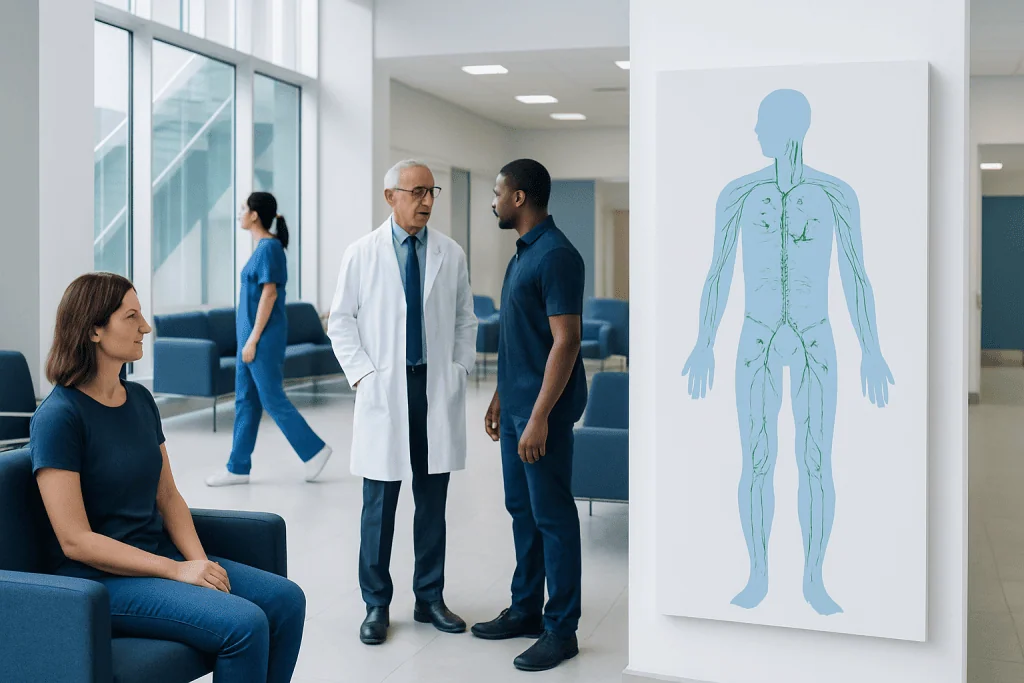
The lymphatic system returns excess tissue fluid to the bloodstream and supports immune function. Its main parts include lymph vessels, lymph nodes, the spleen, thymus, tonsils, and bone marrow-related immune cells.
Key Takeaways
- The lymphatic system returns excess tissue fluid to the bloodstream and supports immune function.
- Its main parts include lymph vessels, lymph nodes, the spleen, thymus, tonsils, and bone marrow-related immune cells.
- Common problems include lymphedema, swollen lymph nodes, and infections or cancers involving lymphatic tissues.
- Persistent swelling, unexplained enlarged lymph nodes, fever, or weight loss should be assessed by a doctor.
- Treatment depends on the cause and may include compression, physical therapy, medication, or cancer care when needed.
The lymphatic system is a body-wide network of vessels, nodes, and organs that helps maintain fluid balance, absorb certain nutrients, and support immune defense. When it does not work properly, people may notice swelling, frequent infections, or enlarged lymph nodes, and evaluation can help identify the underlying cause.
Overview: what the lymphatic system does
The lymphatic system is a network that runs throughout the body alongside blood vessels and between tissues. Its main jobs are to collect excess fluid that leaks from blood vessels, filter that fluid through lymph nodes, and return it to the bloodstream. This helps prevent fluid buildup in tissues and supports a healthy internal balance.
The lymphatic system also plays an important role in immunity. Lymph nodes and lymphatic organs help the body recognize germs, abnormal cells, and other foreign material. Immune cells travel through lymph fluid and gather in lymph nodes, where they can respond to infection or inflammation.
Another less widely known function is nutrient absorption. Specialized lymphatic vessels in the intestines absorb dietary fats and certain fat-soluble vitamins after meals. In this way, the lymphatic system is closely linked not only to immunity, but also to circulation and digestion.
How the lymphatic system is built
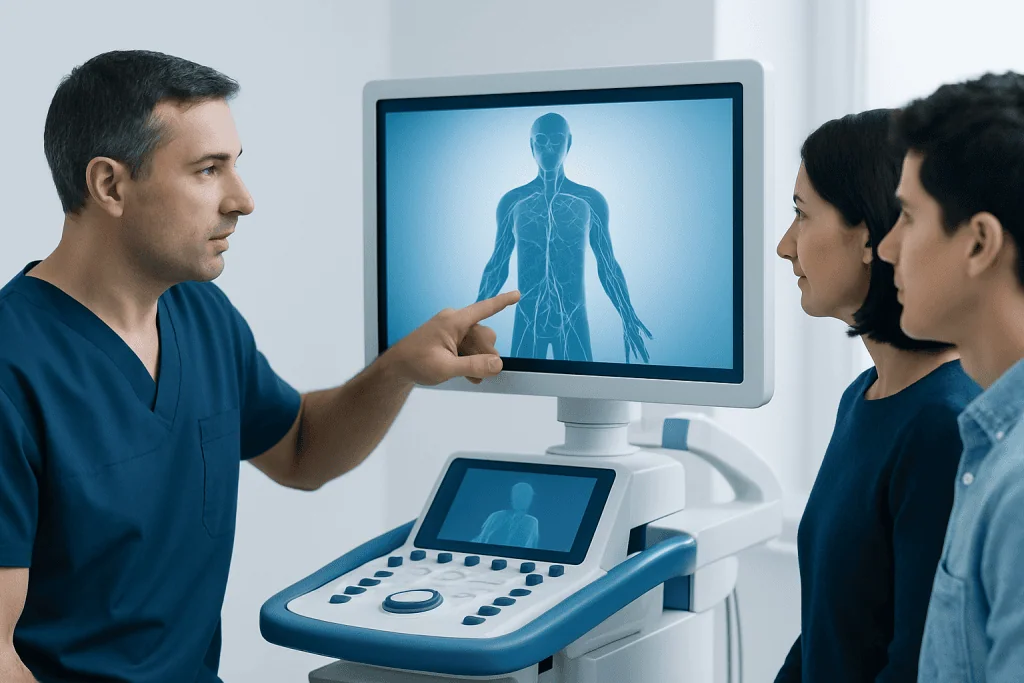
The system includes tiny lymph capillaries, larger lymphatic vessels, and clusters of filtering stations called lymph nodes. Lymph is the clear fluid that moves through these vessels. It contains water, proteins, fats, waste products, and immune cells. Unlike blood circulation, the lymphatic system does not have a central pump like the heart. Instead, lymph moves through muscle activity, breathing, and one-way valves inside the vessels.
Lymph nodes are found throughout the body, especially in the neck, armpits, chest, abdomen, and groin. They act like checkpoints, trapping germs and abnormal cells while allowing immune cells to monitor what is passing through. Nodes may become enlarged during infection, inflammation, or other illnesses.
Several organs are closely connected to the lymphatic system:
- Spleen: filters blood, helps fight infection, and removes old blood cells.
- Thymus: important for the development of certain immune cells, especially in childhood.
- Tonsils and adenoids: help detect germs entering through the mouth and nose.
- Bone marrow: produces many of the body’s blood and immune cells.
Together, these structures form a coordinated defense and drainage network that supports everyday health.
Symptoms and signs of lymphatic system problems

Lymphatic system disorders can cause different symptoms depending on which part is affected. A common sign is swelling, especially in an arm or leg, when lymph fluid cannot drain properly. This type of swelling is called lymphedema. It may begin as a feeling of heaviness or tightness before visible swelling appears.
Another frequent sign is enlarged lymph nodes. These may be felt as small or larger lumps in the neck, under the jaw, in the armpits, or in the groin. Enlarged nodes often happen during common infections, but they can also be linked to autoimmune conditions, medication reactions, or cancers affecting the lymphatic system such as lymphoma.
Other possible symptoms include:
- Repeated infections
- Pain or tenderness in swollen areas
- Redness or warmth over the skin
- Fatigue or malaise
- Fever or night sweats
- Unexplained weight loss
- A feeling of fullness in the abdomen if the spleen is enlarged
These symptoms do not always mean there is a serious condition, but persistent or unexplained changes should be evaluated by a qualified clinician.
What can affect the lymphatic system
Lymphatic problems may be temporary or long term. Infections are among the most common causes of swollen lymph nodes. Viral illnesses, sore throats, dental infections, skin infections, and other inflammatory conditions can all activate lymph nodes as the immune system responds.
Blockage or damage to lymph vessels can lead to lymphedema. This may happen after surgery, radiation therapy, trauma, infection, or cancer treatment that affects lymph nodes. Some people are born with lymphatic abnormalities, a form called primary lymphedema, while others develop secondary lymphedema later in life.
Less commonly, cancers can begin in or spread to lymphatic tissues. Lymphomas arise from immune cells within the lymphatic system, while other cancers may travel to lymph nodes from nearby or distant organs. For patients who need further evaluation of suspicious nodes or masses, imaging and tissue sampling may be recommended, and in some cases biopsy helps clarify the diagnosis.
Other factors that may influence lymphatic health include obesity, reduced mobility, repeated skin infections, venous disease, and some autoimmune or inflammatory conditions. Because symptoms can overlap, the exact cause should be identified before treatment begins.
How doctors diagnose lymphatic system conditions
Diagnosis begins with a medical history and physical examination. A doctor will ask about when swelling or enlarged lymph nodes started, whether symptoms are painful, whether there has been recent infection or injury, and whether there are associated symptoms such as fever, rash, night sweats, or weight loss. During the examination, they may assess the size, location, and texture of lymph nodes and look for signs of swelling, skin changes, or infection.
Blood tests may help look for infection, inflammation, or blood-related disorders. Imaging is often useful when symptoms are persistent, widespread, or difficult to explain. Depending on the situation, doctors may use ultrasound, CT, MRI, or nuclear medicine lymphatic imaging. In selected cases, PET-CT may be used to assess lymph node activity or help evaluate suspected cancer.
If a lymph node remains enlarged or appears concerning, tissue testing may be needed. A needle sample or surgical removal of part or all of a node can help determine whether the cause is infection, inflammation, or cancer. When fluid-related swelling is the main issue, doctors may also measure limb size and assess how advanced lymphedema is in order to guide treatment planning.
Treatment options and long-term management
Treatment depends on the underlying cause. Swollen lymph nodes from a mild infection often improve as the infection resolves. Bacterial infections may need antibiotics, while inflammatory conditions may require other medicines. Enlarged nodes caused by cancer or blood disorders are managed according to the specific diagnosis.
For lymphedema, the goal is to improve drainage, reduce swelling, protect the skin, and maintain function. Treatment may include compression garments, manual lymphatic drainage performed by trained professionals, exercise, skin care, and specialized physical therapy. Some people benefit from structured physical therapy and rehabilitation programs that focus on mobility, swelling control, and safe daily routines.
When cancer affects the lymphatic system, treatment may involve oncology and hematology specialists. Depending on the disease, options can include targeted medicines, immunotherapy, radiation therapy, or chemotherapy. Surgery may sometimes be used for diagnosis, staging, or treatment of related conditions.
Long-term follow-up can be important, especially for chronic swelling, recurrent infection, or conditions that require ongoing monitoring. Near the end of the care pathway, some patients may seek multidisciplinary support; Acibadem International’s specialists in JCI-accredited hospitals diagnose and treat lymphatic conditions for international patients when appropriate.
Prevention, self-care, and when to seek medical care
Not every lymphatic problem can be prevented, but general measures can support lymphatic health. Regular movement helps lymph circulate, since muscle activity assists fluid flow. Good skin care is also important because cuts, burns, and fungal infections can trigger or worsen swelling, especially in people at risk of lymphedema. Maintaining a healthy weight, staying hydrated, and following recovery advice after surgery or cancer treatment may also help.
For those who already have lymphedema or are at increased risk, self-care may include wearing prescribed compression garments, avoiding skin injury, treating infections promptly, and doing gentle exercises recommended by a clinician or therapist. It is best to avoid self-diagnosing persistent swollen nodes or unexplained limb swelling, because different conditions can look similar.
When to seek medical care: a person should see a doctor if swelling lasts more than a short time, worsens, affects only one limb, or is associated with pain, redness, or reduced movement. Medical care is also important for enlarged lymph nodes that persist, continue growing, feel hard or fixed, or occur with fever, night sweats, unexplained weight loss, or ongoing fatigue.
Urgent assessment is needed if swelling appears suddenly with shortness of breath, severe pain, rapid spreading redness, or signs of serious infection. A doctor can identify whether symptoms are related to the lymphatic system or another cause and recommend the most appropriate next steps.
Frequently asked questions
What is the main function of the lymphatic system?
The lymphatic system helps collect excess fluid from body tissues and return it to the bloodstream. It also supports immune defense by filtering lymph and helping immune cells detect infections and abnormal cells.
Are lymph nodes and the lymphatic system the same thing?
Not exactly. Lymph nodes are one part of the lymphatic system, which also includes lymph vessels, lymph fluid, the spleen, thymus, tonsils, and immune cells. Nodes act as filtering stations within this larger network.
Why do lymph nodes swell?
Lymph nodes often swell when the immune system is reacting to an infection or inflammation. They can also enlarge because of autoimmune conditions, medication reactions, or, less commonly, cancers involving the lymphatic system or spread from other organs.
What is lymphedema?
Lymphedema is swelling caused by poor lymph drainage, usually in an arm or leg. It can happen after surgery, radiation, infection, injury, or because of an inborn problem with the lymphatic vessels.
Can the lymphatic system repair itself?
Some temporary lymphatic problems improve when the underlying cause, such as an infection or inflammation, gets better. However, chronic damage to lymph vessels or nodes may require ongoing management to control symptoms and reduce complications.
How can someone support lymphatic health?
Regular physical activity, healthy weight management, skin care, and prompt treatment of infections can all help support lymphatic function. People at risk of lymphedema should follow their doctor's advice about compression, exercise, and protecting the affected area.
References
- World Health Organization
- National Cancer Institute
- National Institute of Diabetes and Digestive and Kidney Diseases
- MedlinePlus
- Centers for Disease Control and Prevention
This article is for general information only and is not a substitute for professional medical advice. Please consult a qualified doctor about your individual situation.
Explore treatments in Turkey — costs, top hospitals & a free quote
JCI-accredited · board-certified surgeons · reply within 24h
Add us as a Preferred Source to see more of our trusted health content across Google Search, AI Overviews and Discover.