Libido — Explained by Medical Evidence, Not Myths

Libido means sexual desire, and it varies widely from person to person. A change in libido is common and may be linked to stress, hormones, illness, medications, or relationship factors.
Key Takeaways
- Libido means sexual desire, and it varies widely from person to person.
- A change in libido is common and may be linked to stress, hormones, illness, medications, or relationship factors.
- Low libido is not always caused by aging and is not always a sign of a serious disease.
- Evaluation focuses on the whole person, including physical health, mental health, sleep, and relationship context.
- Treatment depends on the cause and may include lifestyle changes, counseling, medication review, or treatment of an underlying condition.
Libido is a person’s natural level of sexual desire, and it is not fixed or “normal” in one single way for everyone. Medical evidence shows that libido can rise or fall over time because of hormones, mood, stress, sleep, relationships, health conditions, and certain medications.
Overview: what libido really means
Libido is a person’s level of sexual desire or interest in sexual activity. It is influenced by the brain, hormones, emotions, physical health, life circumstances, and relationship experiences. In medical terms, libido is not judged by a universal standard. What matters most is whether a person’s level of desire feels comfortable to them and, if relevant, whether a change is causing distress.
Libido naturally changes over time. It may be higher or lower during different life stages, across the menstrual cycle, during pregnancy or after childbirth, during periods of stress, or with aging. Temporary changes are common and do not automatically mean there is a health problem. In many cases, the question is not whether libido is “good” or “bad,” but whether there has been a meaningful change and what factors may be contributing to it.
Myths often confuse this topic. Low libido is not simply a lack of willpower, and high libido is not always a problem. Sexual desire is shaped by biology and psychology together. A careful, nonjudgmental medical approach looks at the full picture rather than assuming one single cause.
How libido varies from person to person
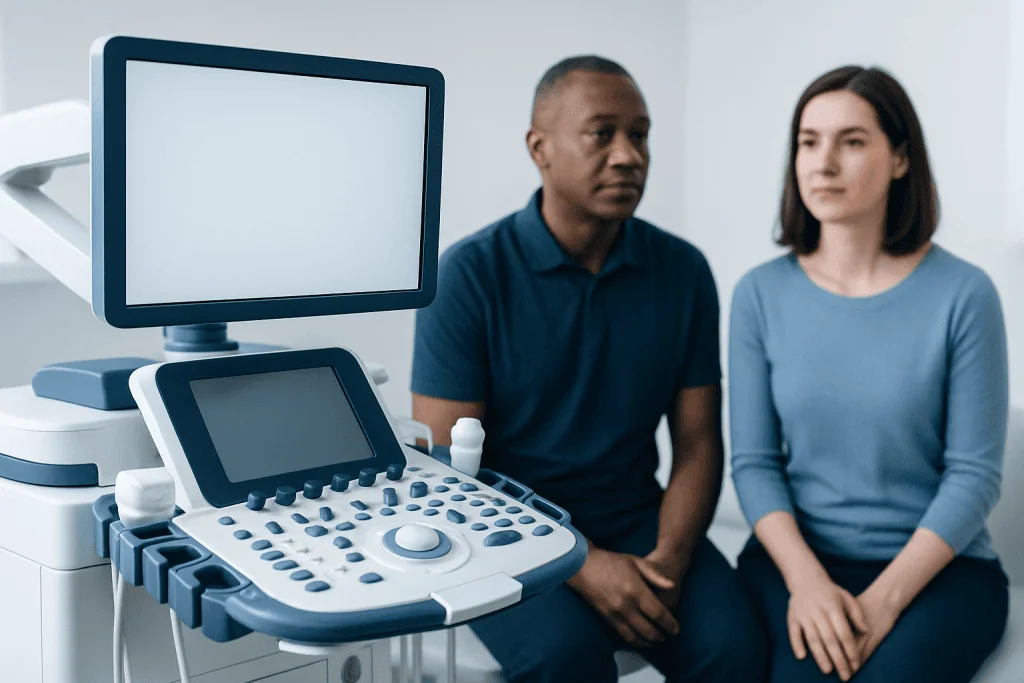
There is no single normal level of libido. Some people feel sexual desire often, some only occasionally, and some rarely. A healthy range can include all of these patterns as long as the person is comfortable and there is no distress, pain, coercion, or major disruption to daily life.
Desire can also be spontaneous or responsive. Spontaneous desire appears on its own, while responsive desire develops after emotional closeness, touch, or sexual stimulation. Many people, especially during long-term relationships or busy periods of life, notice that desire becomes less automatic and more dependent on context. This is a recognized pattern and not necessarily a disorder.
Libido can be affected by sleep quality, fatigue, body image, cultural beliefs, relationship satisfaction, privacy, and past experiences. Because so many factors interact, one person may notice lower desire during stress while another notices no change. Understanding this variation helps reduce shame and supports more accurate medical assessment.
- A steady level of low desire may be normal for one person.
- A sudden drop in desire may deserve attention if it causes concern.
- Changes matter most when they are persistent, distressing, or linked with other symptoms.
Common reasons libido changes

Hormonal shifts are one well-known cause of changes in libido, but they are not the only one. In women, desire may change during the menstrual cycle, pregnancy, breastfeeding, and menopause. In men, low testosterone can contribute to reduced sexual desire, though it is only one possible factor. Thyroid disorders and other endocrine conditions may also play a role.
Mental and emotional health are closely connected to libido. Stress, anxiety, depression, burnout, grief, and unresolved relationship conflict can all reduce sexual interest. Past trauma, including sexual trauma, may affect desire in complex ways and should be approached with sensitivity. Sleep problems and chronic exhaustion can also lower libido by affecting energy, mood, and hormone regulation.
Many medical conditions can influence sexual desire directly or indirectly. Chronic pain, diabetes, heart disease, obesity, neurological conditions, and reproductive health conditions may reduce libido through discomfort, fatigue, blood flow changes, or mood effects. Erectile dysfunction or pain during sex can lead to worry or avoidance, which may then lower desire over time. Related concerns such as erectile dysfunction or vaginismus sometimes need separate evaluation because addressing them can improve sexual wellbeing overall.
Medicines are another common factor. Some antidepressants, blood pressure medications, hormonal therapies, and other drugs may affect libido. Alcohol and recreational drugs can also change desire, sometimes in opposite ways in the short and long term. A person should not stop prescribed medicine on their own, but a doctor may be able to adjust treatment if side effects are suspected.
When lower libido may suggest an underlying issue
A lower libido does not always mean disease, but certain patterns can be clinically important. Medical evaluation is more useful when the change is new, persistent, distressing, or different from a person’s usual baseline. For example, a sudden loss of sexual desire together with fatigue, mood change, sleep problems, menstrual changes, erectile difficulties, or vaginal dryness may suggest a broader health issue worth exploring.
In men, low libido may occur along with symptoms of low testosterone such as reduced morning erections, low energy, or decreased muscle mass. In women, hormonal changes related to menopause or other reproductive conditions may affect desire, arousal, and comfort. Sexual pain, pelvic floor problems, and urinary symptoms may also reduce interest because sex becomes uncomfortable or stressful.
Sometimes libido changes are part of a larger picture involving fertility planning, postpartum recovery, or age-related hormonal transition. If hormone-related factors are suspected, a clinician may discuss reproductive endocrinology or menopause care. In selected cases, it may be helpful to assess whether symptoms connect to a condition such as menopause or to seek specialist input through services such as fertility evaluation and treatment when reproductive concerns are also present.
How doctors evaluate libido concerns
Assessment usually starts with a detailed history rather than a single test. A doctor may ask when the change began, whether it is constant or situational, how distressing it feels, whether there are relationship concerns, and whether there are symptoms such as pain, erection problems, vaginal dryness, low mood, poor sleep, or fatigue. This broader conversation helps identify likely contributors and prevents oversimplified explanations.
A physical examination may be advised depending on the symptoms. The doctor may also review menstrual history, pregnancy and postpartum history, medications, alcohol or substance use, and any chronic illnesses. In some cases, blood tests are used to look for thyroid problems, diabetes, anemia, or hormone-related issues. Tests are chosen based on symptoms rather than used routinely for everyone.
Evaluation can also include screening for sexual dysfunctions that overlap with libido concerns. For example, a person may describe low desire when the main issue is painful intercourse, difficulty with arousal, or persistent erectile problems. Identifying the specific barrier can make treatment more effective and more reassuring.
If needed, care may involve more than one specialty. Depending on the situation, input from gynecology, urology, endocrinology, mental health, or pelvic floor rehabilitation may be appropriate. This multidisciplinary approach is often helpful because libido is influenced by both body and mind.
Treatment options based on the cause
Treatment for libido concerns depends on the cause, not on myths or one-size-fits-all advice. If a medication appears to be contributing, a doctor may consider alternatives. If depression, anxiety, or chronic stress is involved, treatment may include counseling, stress management, or mental health care. If a hormonal disorder or chronic medical condition is present, treating that condition may improve sexual desire over time.
Relationship-focused strategies can also be valuable. When communication difficulties, resentment, mismatch in desire, or lack of privacy are part of the problem, couples counseling or sex therapy may help. These approaches do not assume that the issue is “all in the mind.” Instead, they recognize that sexual wellbeing often depends on emotional safety, realistic expectations, and reduced performance pressure.
For some women, treatment of vaginal dryness, genitourinary symptoms, or pelvic floor dysfunction can make sexual activity more comfortable and less stressful. For some men, treating erectile problems may reduce anxiety and restore confidence. Depending on the underlying need, supportive care may include gynecologic evaluation, urologic assessment, or, in selected pelvic pain cases, pelvic floor therapy.
Hormone treatment is appropriate only in certain situations and requires medical supervision. It is not suitable for everyone, and benefits must be weighed against risks. Over-the-counter supplements marketed for libido are not always effective, and some may interact with medicines or contain unreliable ingredients. It is safest to discuss any supplement with a qualified clinician before using it.
Self-care and lifestyle habits that support sexual wellbeing
Practical daily habits can support libido, especially when tiredness, stress, and poor general health are contributing factors. Regular physical activity, adequate sleep, balanced nutrition, limiting excess alcohol, and stopping smoking can all support mood, circulation, hormone balance, and energy. These changes do not create an instant result, but they can improve overall sexual wellbeing over time.
Stress reduction matters because chronic stress can suppress sexual interest even in otherwise healthy people. Helpful strategies may include relaxation practices, counseling, mindfulness, scheduling time for rest, or reducing pressure around sexual performance. In relationships, open communication about preferences, comfort, and timing can be just as important as medical treatment.
It can also help to focus less on “fixing” desire and more on understanding the conditions that help it return. Privacy, emotional connection, feeling safe in one’s body, and reducing pain or discomfort often matter more than trying to force libido. If self-care efforts do not help or symptoms continue, a medical review is appropriate.
When to seek medical care
A person should consider seeking medical care if a change in libido is sudden, lasts for several weeks or longer, causes distress, affects a relationship, or occurs with other symptoms. These symptoms may include erectile problems, painful sex, vaginal dryness, irregular periods, hot flashes, fatigue, low mood, major sleep problems, or signs of hormonal imbalance. Medical care is also important if there is concern about medication side effects or a chronic health condition.
Professional support can be especially helpful when libido changes after childbirth, during menopause, after major illness, or in the context of anxiety, depression, or past trauma. Care should always be respectful and individualized. A person does not need to wait until symptoms become severe to ask questions about sexual health.
For international patients who need coordinated assessment, Acibadem International’s multidisciplinary specialists in JCI-accredited hospitals evaluate and treat sexual health concerns with attention to medical, hormonal, and psychological factors.
Frequently asked questions
Is low libido always a medical problem?
No. Libido naturally differs from person to person and can change over time. It becomes more important to evaluate when the change is new, persistent, distressing, or linked with other symptoms such as pain, fatigue, mood changes, or hormonal concerns.
Can stress really lower libido?
Yes. Stress can affect the brain, sleep, mood, and hormone balance, all of which influence sexual desire. Many people notice that libido improves when stress, burnout, or sleep deprivation are addressed.
Does aging automatically cause low libido?
Not automatically. Sexual desire may change with age, but many people remain interested in sex throughout later life. When libido changes significantly, doctors look at overall health, medications, hormones, relationship factors, and comfort during sexual activity rather than blaming age alone.
Which medications can affect libido?
Some antidepressants, blood pressure medicines, hormonal treatments, and other drugs may reduce sexual desire in certain people. A person should not stop a prescribed medicine without medical advice, but a doctor may be able to review options if side effects are suspected.
Should hormone levels always be tested for low libido?
Not always. Hormone tests are usually ordered when symptoms suggest an endocrine or reproductive cause, such as menstrual changes, menopausal symptoms, erectile problems, or signs of low testosterone or thyroid disease. Evaluation is guided by the individual history rather than routine testing alone.
Can relationship issues affect libido even when there is no physical illness?
Yes. Emotional distance, unresolved conflict, poor communication, lack of privacy, and performance anxiety can all affect desire. These issues are real and medically relevant because libido is shaped by both psychological and physical factors.
References
- World Health Organization
- National Institutes of Health
- American College of Obstetricians and Gynecologists
- International Society for Sexual Medicine
- Mayo Clinic
This article is for general information only and is not a substitute for professional medical advice. Please consult a qualified doctor about your individual situation.
Explore treatments in Turkey — costs, top hospitals & a free quote
JCI-accredited · board-certified surgeons · reply within 24h
Add us as a Preferred Source to see more of our trusted health content across Google Search, AI Overviews and Discover.
Check your numbers in seconds
BMI, calories, due date, blood pressure and 30+ more clinical calculators — free, instant, doctor-reviewed ranges.

More from the Health Library



Related Specialists

Assoc. Prof. Dr. Işıl Fazilet Kartaloğlu
Physical Medicine & Rehabilitation
Dr. Çiğdem Benlice
General Surgery
Dr. Güliz Sidar
Gynecology & Obstetrics
Dt. Gökhan Töre
Oral & Dental Health