Pilates Reformer: A Complete Medical Overview
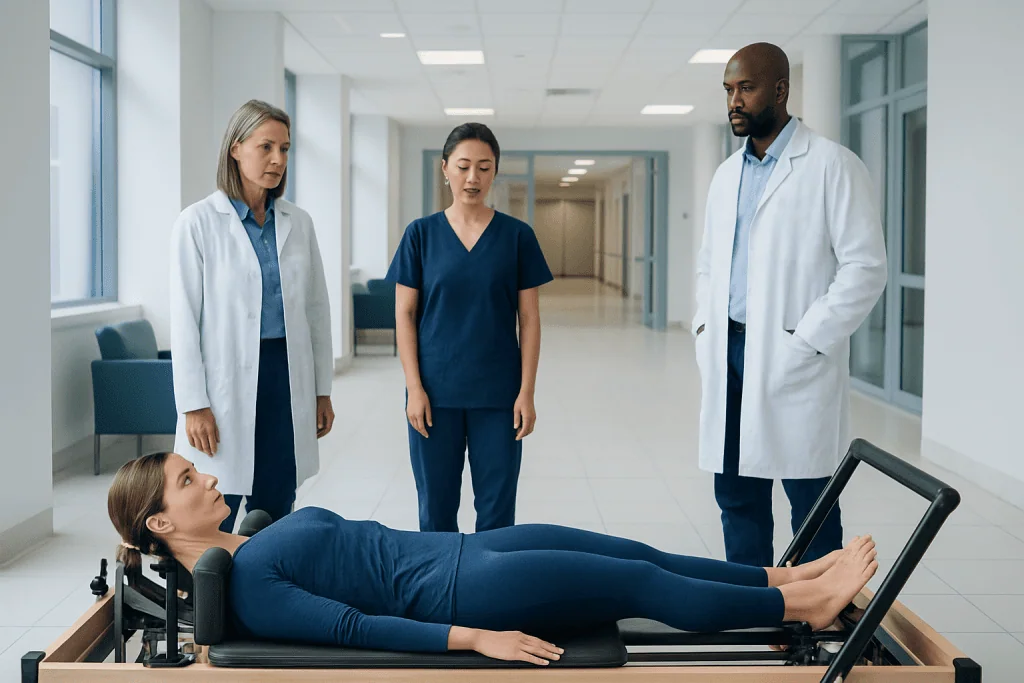
A pilates reformer uses springs, straps, and a moving carriage to provide adjustable resistance and guided movement. It may help improve core strength, posture, flexibility, balance, and movement control.
Key Takeaways
- A pilates reformer uses springs, straps, and a moving carriage to provide adjustable resistance and guided movement.
- It may help improve core strength, posture, flexibility, balance, and movement control.
- Proper setup, technique, and supervision matter, especially for beginners, older adults, and people with pain or injuries.
- Reformer exercise is not one-size-fits-all; some conditions require modification or medical advice before starting.
- Persistent pain, dizziness, shortness of breath, or worsening symptoms during exercise should be medically assessed.
Pilates reformer is a spring-based exercise method performed on a sliding carriage machine designed to build controlled strength, flexibility, balance, and body awareness. For many people, it can be a safe, low-impact form of exercise when instruction is appropriate and exercises are adapted to the individual’s health, fitness level, and any medical conditions.
Overview: what a pilates reformer is
A pilates reformer is a piece of exercise equipment used for a style of movement training called reformer Pilates. The machine usually includes a sliding carriage, springs that create adjustable resistance, straps for the hands or feet, and a footbar that supports different positions. Exercises are performed slowly and with control, with emphasis on alignment, breathing, and coordinated muscle activation.
From a medical and rehabilitation perspective, the pilates reformer is often described as a low-impact conditioning tool rather than simply a fitness trend. Because resistance can be increased or reduced, many movements can be adapted for beginners, active adults, older people, and some individuals recovering from musculoskeletal problems. The main goal is not only stronger muscles, but also more efficient movement patterns.
Pilates reformer exercise differs from general gym training because it usually focuses on precision rather than heavy loading or speed. Sessions often target trunk stability, hip and shoulder control, spinal mobility, and balance. This can make reformer work appealing to people who want structured exercise that supports posture and joint-friendly movement.
How it works and what it may help with
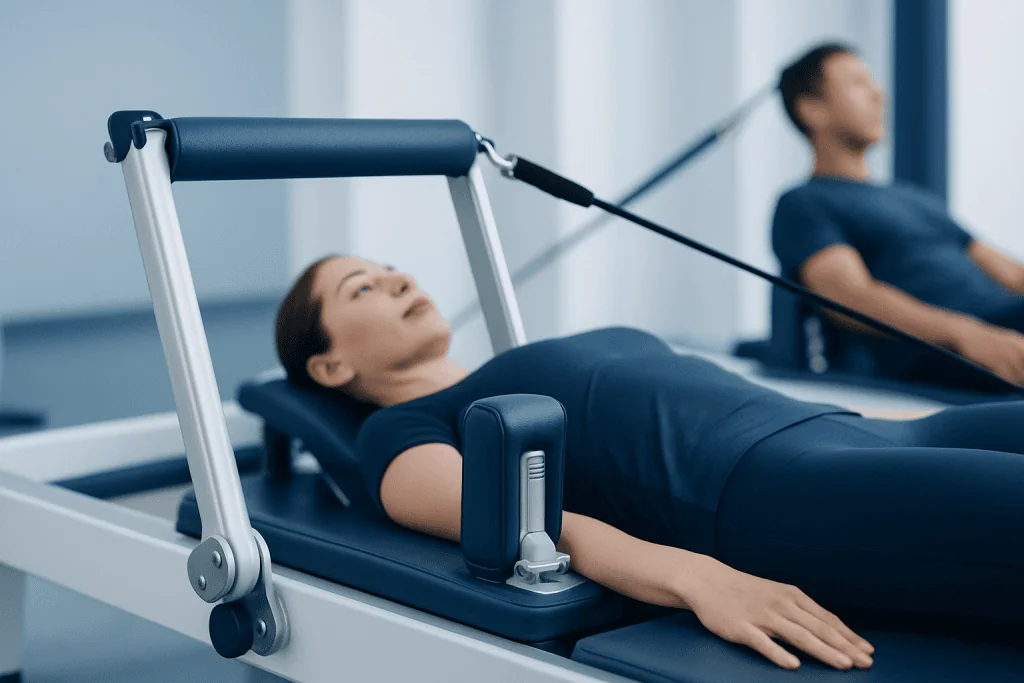
The reformer works by creating resistance through springs while the carriage moves back and forth. That moving platform changes how the body recruits muscles, especially the deep stabilizing muscles of the trunk, hips, and shoulders. In practical terms, this means that many exercises challenge strength and control at the same time.
Potential benefits of pilates reformer training may include improved core strength, better postural awareness, increased flexibility, enhanced balance, and smoother coordination. Some people also notice better body awareness in daily life, such as sitting, standing, lifting, or walking with more control. These changes can support overall physical function, especially when training is regular and tailored to the individual.
For people with sedentary lifestyles, the reformer can provide a gradual way to reintroduce movement. For athletes, it may be used to supplement other training by focusing on mobility, symmetry, and movement quality. In some cases, clinicians and physical rehabilitation professionals use Pilates-based approaches as part of broader care for issues related to the back pain or joint mechanics, although the exact role depends on the diagnosis and the person’s symptoms.
- Adjustable resistance for different strength levels
- Low-impact exercise that can be gentler on joints than jumping or running
- Emphasis on breathing, alignment, and controlled movement
- Useful as part of general conditioning, wellness, or selected rehabilitation plans
Who may benefit most from reformer Pilates
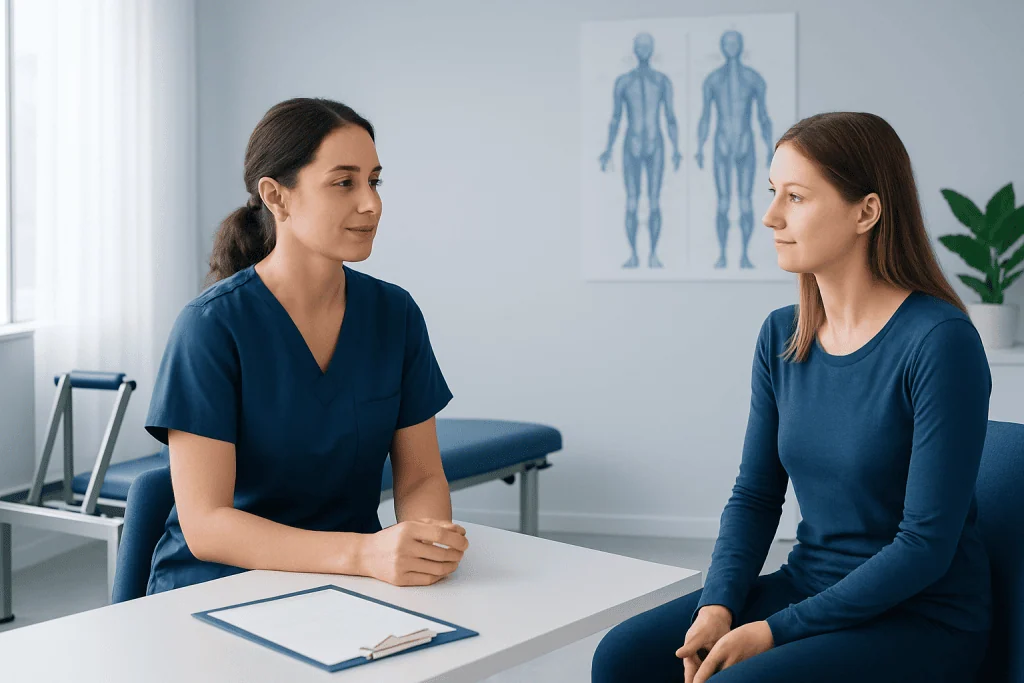
Many healthy adults can include pilates reformer sessions in a balanced exercise routine. It may be especially helpful for people seeking low-impact exercise, those who spend long hours sitting, and individuals who want to improve posture, flexibility, and trunk strength. Because exercises can be modified, it can also suit a wide range of ages and baseline fitness levels.
Some people with mild musculoskeletal discomfort find reformer work helpful when it is introduced gradually and supervised by a qualified instructor or rehabilitation professional. Examples can include deconditioning after inactivity, reduced balance confidence, stiffness, or non-specific aches related to posture and movement habits. In these situations, the value often comes from careful progression rather than from any single exercise.
It is also commonly considered after injury or surgery as part of professionally guided rehabilitation, although not every person is an appropriate candidate at every stage of recovery. When pain, weakness, or mobility loss is significant, a medical assessment may be needed before beginning. Depending on the problem, a doctor may recommend formal physical therapy and rehabilitation first and then add reformer-based exercise later.
Risks, limitations, and who should be cautious
Pilates reformer is generally considered low impact, but low impact does not mean risk-free. Poor technique, too much resistance, moving too quickly, or using advanced exercises before mastering basic control can lead to muscle strain, joint irritation, or worsening of existing pain. Neck, lower back, shoulder, wrist, knee, and hip symptoms are the most common areas of concern when exercises are not properly matched to the person.
Extra caution is important for people with recent surgery, acute injury, osteoporosis, severe disc problems, uncontrolled high blood pressure, balance disorders, significant dizziness, or ongoing nerve symptoms such as numbness or weakness. Pregnancy may also require exercise modifications, especially later in pregnancy or when there are obstetric concerns. A person with known spine disease, joint instability, or chronic pain should ask a clinician what kinds of movements are safe.
Reformer Pilates should not be viewed as a substitute for diagnosis when pain is persistent or progressive. For example, back pain may arise from simple muscle overload, but it can also be related to disc disease, nerve compression, or structural spine problems. In selected cases, assessment by specialists in orthopedics and traumatology or neurosurgery may be more appropriate than self-directed exercise alone.
Technique, supervision, and safe progression
Safe use of a pilates reformer begins with appropriate instruction. Beginners usually do best with one-to-one teaching or a small group setting where the instructor can correct setup, posture, breathing, and range of motion. Learning how to position the shoulders, pelvis, neck, and feet is important because small alignment changes can affect comfort and muscle loading.
Progression should be gradual. A typical approach is to start with lower spring resistance, shorter sessions, and fundamental exercises before moving to more complex patterns. People often assume stronger springs always make exercise harder, but in some movements more spring support can actually improve control, while in others it can increase load. This is one reason why individualized guidance matters.
Good practice includes stopping if sharp pain, radiating pain, dizziness, chest discomfort, or unusual shortness of breath occurs. Mild muscle effort or light post-exercise soreness can be normal, but pain that worsens during class or lasts beyond a day or two may suggest that the exercise selection, technique, or intensity needs adjustment. Consistency tends to be more helpful than intensity; regular, well-executed sessions are usually safer and more effective than pushing too hard too soon.
Pilates reformer in rehabilitation and long-term health
In clinical settings, Pilates-based exercises may be used to support recovery goals such as improving trunk endurance, restoring movement confidence, and rebuilding control after periods of pain or inactivity. This is especially relevant when patients have become fearful of movement or have lost conditioning. The reformer can offer supported, repeatable patterns that are easier to scale than some floor exercises.
That said, not all conditions respond equally well, and benefits depend on the right diagnosis and treatment plan. A person with inflammatory joint disease, severe spinal stenosis, unstable fractures, or marked neurological symptoms may need different care first. Exercise choices should always fit the underlying cause of symptoms, not just the location of pain.
For long-term health, the pilates reformer can be one part of a broader routine that also includes walking or aerobic exercise, resistance training, sleep, nutrition, and stress management. It should not be seen as the only form of exercise a person needs. A balanced program is usually best for heart health, bone health, muscle strength, and healthy aging.
Near the end of a patient’s evaluation and treatment journey, some people may wish to continue guided exercise in a hospital-supported environment. Acibadem International’s multidisciplinary specialists and JCI-accredited hospitals diagnose and treat musculoskeletal and neurological conditions for international patients, and may advise whether structured exercise is appropriate after medical assessment.
When to seek medical care
Medical advice is sensible before starting pilates reformer if a person has significant back or neck pain, a recent injury, a recent operation, known osteoporosis, persistent joint swelling, neurological symptoms, or a chronic medical condition that affects exercise tolerance. It is also reasonable to ask a doctor before beginning if there has been a long period of inactivity or uncertainty about what type of exercise is safest.
During or after a session, medical review is important if symptoms include sharp or severe pain, pain spreading into the arm or leg, numbness, weakness, loss of balance, fainting, chest pain, or breathing difficulty. These symptoms should not be explained away as routine exercise discomfort. Worsening symptoms over repeated sessions also deserve attention, even if they seem mild at first.
If symptoms persist despite rest, activity modification, and proper instruction, a clinician may recommend examination, imaging, or referral to a specialist. That can help identify whether the issue is related to simple overuse, biomechanical strain, or a condition that needs targeted treatment.
Frequently asked questions
Is pilates reformer good for beginners?
Yes, many beginners can safely start with a pilates reformer when teaching is appropriate and exercises are kept simple. The adjustable springs allow movements to be modified, but beginners still benefit from close supervision to learn alignment and control.
Can pilates reformer help back pain?
It may help some people with non-specific back pain by improving trunk control, posture, flexibility, and confidence in movement. However, back pain has many causes, so persistent, severe, or radiating pain should be assessed by a doctor before relying on exercise alone.
Is reformer Pilates better than mat Pilates?
Neither is universally better; they simply offer different kinds of challenge and support. The reformer provides spring resistance and guided movement, while mat Pilates relies more on body weight and floor-based control.
How often should someone do pilates reformer?
Frequency depends on fitness level, goals, recovery, and any medical issues. Many people begin with one to three sessions per week, allowing time to assess soreness, technique, and tolerance before increasing activity.
Can older adults use a pilates reformer?
Many older adults can use a reformer safely, especially when exercises are individualized and balance or bone health issues are considered. Medical guidance may be helpful if there is osteoporosis, joint disease, recent surgery, or a history of falls.
What symptoms mean a person should stop and get checked?
Exercise should be stopped if there is sharp pain, spreading pain, numbness, weakness, dizziness, chest pain, or shortness of breath. These symptoms are not typical signs of normal training response and should be medically evaluated.
References
- World Health Organization
- American College of Sports Medicine
- National Institute of Arthritis and Musculoskeletal and Skin Diseases
- National Health Service
- Mayo Clinic
This article is for general information only and is not a substitute for professional medical advice. Please consult a qualified doctor about your individual situation.
Explore treatments in Turkey — costs, top hospitals & a free quote
JCI-accredited · board-certified surgeons · reply within 24h
Add us as a Preferred Source to see more of our trusted health content across Google Search, AI Overviews and Discover.
Check your numbers in seconds
BMI, calories, due date, blood pressure and 30+ more clinical calculators — free, instant, doctor-reviewed ranges.