Pallor: A Complete Medical Overview

Pallor means noticeable paleness compared with a person’s usual skin tone. It can affect the face, palms, nail beds, lips, gums, or inner eyelids.
Key Takeaways
- Pallor means noticeable paleness compared with a person’s usual skin tone.
- It can affect the face, palms, nail beds, lips, gums, or inner eyelids.
- Common causes include anemia, reduced circulation, illness, blood loss, and nutritional deficiency.
- Pallor is diagnosed by looking at symptoms, medical history, physical examination, and blood tests.
- Treatment depends on the cause and may range from dietary changes to treatment of an underlying condition.
- Sudden pallor with weakness, shortness of breath, chest pain, or fainting needs urgent medical attention.
Pallor is unusual paleness of the skin, lips, nail beds, or inner eyelids. It is not a disease itself, but a clinical sign that can happen with anemia, reduced blood flow, infection, chronic illness, or other medical conditions, so evaluation focuses on finding the underlying cause.
Overview: what pallor means
Pallor is a medical term for paleness that is more noticeable than a person’s usual complexion. It may be seen in the skin, lips, gums, palms, nail beds, or the lining inside the lower eyelids. Doctors consider pallor a sign rather than a diagnosis, which means it can point to several different health problems and should be interpreted together with other symptoms.
Paleness can develop gradually or appear suddenly. In some people it is easiest to notice in areas where blood vessels are closer to the surface, such as the face or the inner eyelids. In others, changes are subtler and may only become clear when fatigue, dizziness, or shortness of breath appear at the same time.
Pallor is often associated with anemia, especially when the body has fewer red blood cells or less hemoglobin than it needs to carry oxygen effectively. However, it can also happen when blood flow to the skin decreases, such as during shock, cold exposure, stress, or circulatory problems. Because the possible causes vary widely, medical assessment focuses on the pattern, timing, and associated symptoms.
How pallor can look and feel
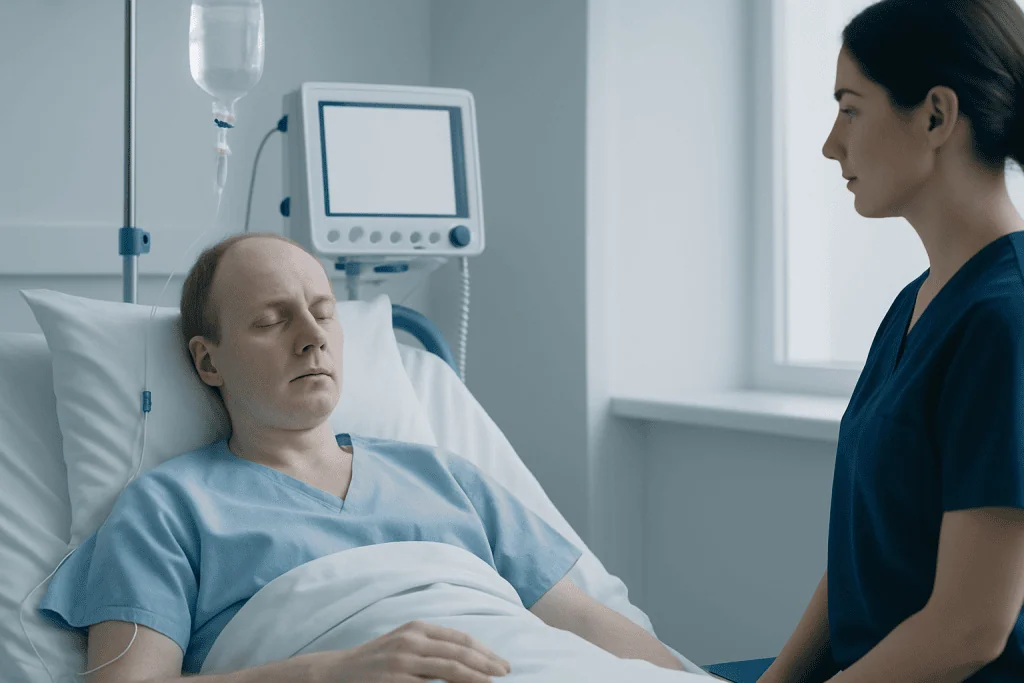
Pallor does not always mean the entire body looks pale. Sometimes it is localized to the face, hands, or mucous membranes. A clinician may look for paleness in the conjunctiva of the lower eyelid, the tongue, the gums, and the creases of the palms, because these areas can help reveal reduced blood pigment or poor circulation.
Some people with pallor have no other symptoms, especially if the change is mild or temporary. Others may notice tiredness, headaches, feeling cold, weakness, reduced exercise tolerance, dizziness, or a rapid heartbeat. These symptoms can suggest that the body is not getting enough oxygen-rich blood or that an underlying illness is affecting circulation.
Skin tone naturally varies widely, so pallor is judged against a person’s usual appearance rather than a single universal standard. In darker skin tones, pallor may be easier to see in the lips, nail beds, palms, or inside the mouth and eyelids than in the face itself. This is one reason why self-assessment can be difficult and professional examination can be helpful.
Common causes and risk factors

The most familiar cause of pallor is anemia. Anemia may result from iron deficiency, vitamin B12 or folate deficiency, chronic kidney disease, chronic inflammation, inherited blood disorders, or bone marrow conditions. Blood loss is another important cause and may occur with heavy menstrual bleeding, gastrointestinal bleeding, surgery, injury, or ulcers. In these situations, the body has less circulating blood or less hemoglobin available to carry oxygen.
Pallor can also occur when blood flow to the skin is reduced. This may happen in dehydration, low blood pressure, shock, severe infection, cold exposure, or emotional stress. Vascular conditions that narrow blood vessels can contribute as well. In some cases, paleness reflects temporary constriction of blood vessels rather than a problem with red blood cells.
Chronic illnesses may also lead to pallor over time. Examples include kidney disease, heart failure, autoimmune disorders, cancer, and long-standing infections. Endocrine conditions and poor nutrition can play a role as well. If pallor is linked to iron deficiency, clinicians may also look for reasons behind it, including poor dietary intake, problems absorbing nutrients, or chronic blood loss.
Risk factors depend on the underlying cause, but may include:
- Heavy menstrual periods
- Pregnancy
- Vegetarian or highly restricted diets without adequate nutrient planning
- Digestive disorders that impair absorption
- Chronic kidney or inflammatory disease
- Recent injury, surgery, or visible bleeding
- Family history of blood disorders
Because anemia is a frequent reason for pallor, doctors may also evaluate related conditions such as anemia when symptoms and test results support it.
How doctors diagnose pallor
Diagnosis begins with a careful history. A doctor may ask when the pallor started, whether it is constant or episodic, and whether there are symptoms such as fatigue, weakness, shortness of breath, fever, weight loss, chest discomfort, or black or bloody stools. Questions about diet, medications, menstrual bleeding, pregnancy, chronic diseases, and family history can provide important clues.
The physical examination looks for the degree and distribution of pallor and checks for signs that point to a cause. These may include a fast heart rate, low blood pressure, dehydration, fever, enlarged lymph nodes, jaundice, swollen abdomen, or signs of bleeding. Examination of the conjunctiva, palms, nail beds, and oral mucosa is often especially useful.
Blood tests are commonly the next step. A complete blood count can show whether anemia is present and what type it may be. Depending on the findings, doctors may order iron studies, vitamin B12 and folate levels, kidney function tests, inflammatory markers, thyroid testing, stool tests for hidden blood, or tests for hemolysis. If blood loss or another underlying disease is suspected, imaging or endoscopic studies may be needed.
In many cases, diagnosis is not about pallor alone but about identifying the condition causing it. If concern exists about internal bleeding, severe infection, or a blood disorder, evaluation is often more urgent. Some patients may also need advanced assessment through services such as check-up and diagnostic services to look for a broader medical explanation.
Treatment options and what they depend on
There is no single treatment for pallor because the right approach depends entirely on the cause. If iron deficiency anemia is found, treatment may involve increasing dietary iron and using iron supplements prescribed by a clinician. If vitamin B12 or folate deficiency is responsible, those nutrients are replaced. When pallor is caused by blood loss, treatment focuses on stopping the source of bleeding and restoring blood volume and red blood cells when necessary.
If an underlying illness is driving the problem, that condition is treated directly. For example, chronic kidney disease, inflammatory disease, infection, or gastrointestinal bleeding may all require condition-specific care. When heavy menstrual bleeding is contributing to anemia, gynecologic assessment may be recommended. In serious cases, such as major blood loss or profound anemia, hospital treatment may be needed.
Some patients need specialist care to clarify the cause of persistent or unexplained pallor. This may include evaluation by internal medicine, hematology, gastroenterology, cardiology, or other disciplines depending on symptoms and test findings. When a blood-related cause is suspected, referral for hematology assessment can help define the diagnosis and treatment plan.
For selected patients, treatment may also involve managing associated conditions such as nutritional deficiency, dehydration, or chronic disease. Acibadem International’s multidisciplinary specialists and JCI-accredited hospitals diagnose and treat conditions related to pallor for international patients when broader evaluation or coordinated care is needed.
Prevention and self-care
Not every cause of pallor can be prevented, but some common triggers can be addressed. A balanced diet that includes iron, vitamin B12, folate, and adequate protein supports healthy blood production. People who avoid animal products or have restrictive diets may benefit from discussing nutrition planning with a healthcare professional to reduce the risk of deficiency.
Hydration, management of chronic illnesses, and routine medical follow-up are also important. People with heavy menstrual bleeding, digestive disease, kidney problems, or a history of anemia should not ignore recurring paleness or fatigue. Regular blood tests may be recommended in some situations to identify anemia before symptoms become more limiting.
Self-care should not replace evaluation when pallor is persistent, unexplained, or accompanied by other symptoms. Over-the-counter supplements are not always the best first step because taking iron or vitamins without knowing the cause can delay the correct diagnosis. If the paleness is due to internal bleeding or another serious condition, the underlying issue needs proper medical treatment rather than home management alone.
When to seek medical care
Medical attention is advisable if pallor is new, persistent, worsening, or associated with tiredness, shortness of breath, dizziness, fainting, rapid heartbeat, or reduced ability to exercise. A doctor should also evaluate pallor if there is unexplained weight loss, fever, night sweats, easy bruising, or signs of bleeding such as black stools, blood in vomit, or very heavy periods.
Urgent care is important if pallor appears suddenly and is accompanied by chest pain, severe weakness, confusion, fainting, cold clammy skin, trouble breathing, or major bleeding. These symptoms can suggest a medical emergency such as shock, severe anemia, or acute blood loss and should not be watched at home.
If pallor is part of a broader pattern of symptoms, clinicians may investigate related causes such as iron deficiency or hidden bleeding from the digestive tract. In some cases, further testing through gastroenterology or other specialty services may be recommended to find the source.
Frequently asked questions
Is pallor the same as anemia?
No. Pallor is a visible sign, while anemia is one possible medical cause of that sign. A person can have pallor because of anemia, reduced blood flow, illness, or other conditions.
Where is pallor easiest to notice?
It is often easiest to notice in the face, lips, gums, palms, nail beds, and inside the lower eyelids. In people with darker skin tones, the mucous membranes and nail beds may show the clearest change.
Can pallor happen temporarily?
Yes. Temporary pallor can occur with cold exposure, stress, pain, or brief drops in blood pressure. However, persistent or repeated pallor should be checked by a doctor, especially if other symptoms are present.
What tests are usually done for pallor?
Doctors commonly begin with a physical examination and a complete blood count. Depending on the situation, they may also order iron studies, vitamin B12 and folate tests, kidney function tests, or tests to look for bleeding or chronic disease.
Can diet cause pallor?
Yes, if the diet does not provide enough iron, vitamin B12, folate, or overall nutrition to support healthy red blood cell production. Diet is only one possibility, though, so medical evaluation is important if pallor continues.
When is pallor an emergency?
Pallor needs urgent attention if it starts suddenly with chest pain, fainting, severe shortness of breath, confusion, cold clammy skin, or active bleeding. These symptoms may signal major blood loss, shock, or another serious medical problem.
This article is for general information only and is not a substitute for professional medical advice. Please consult a qualified doctor about your individual situation.
Explore treatments in Turkey — costs, top hospitals & a free quote
JCI-accredited · board-certified surgeons · reply within 24h
Add us as a Preferred Source to see more of our trusted health content across Google Search, AI Overviews and Discover.
Check your numbers in seconds
BMI, calories, due date, blood pressure and 30+ more clinical calculators — free, instant, doctor-reviewed ranges.

More from the Health Library

Mycoplasma Pneumoniae: What Patients Need to Know

Parosmia — Explained by Medical Evidence, Not Myths

Pre Hypertension: An Evidence-Based Guide for Patients

Ipratropium: A Complete Medical Overview

Arugula: What Patients Need to Know