Blurred Vision: An Evidence-Based Guide for Patients

Blurred vision is a symptom, not a diagnosis, and it has many possible causes. Common reasons include refractive errors, dry eyes, eye strain, migraine, and cataracts.
Key Takeaways
- Blurred vision is a symptom, not a diagnosis, and it has many possible causes.
- Common reasons include refractive errors, dry eyes, eye strain, migraine, and cataracts.
- Sudden blurred vision, eye pain, flashes, a curtain-like shadow, or weakness on one side need urgent medical assessment.
- Diagnosis usually involves a medical history, vision testing, and a detailed eye examination.
- Treatment depends on the cause and may include glasses, eye drops, medication, or procedures.
Blurred vision means eyesight is not sharp or focused, and it can affect one or both eyes. It is often caused by common issues such as refractive errors, dry eyes, or fatigue, but sudden or severe blurred vision can sometimes signal a condition that needs prompt medical attention.
Overview: what blurred vision means
Blurred vision is a change in sight that makes objects look out of focus, hazy, or less sharp than usual. It may come on gradually or suddenly, affect near vision, distance vision, or both, and involve one eye or both eyes. For many people, blurred vision is linked to common and treatable problems such as needing updated glasses, dry eyes, or spending long hours on screens.
At the same time, blurred vision should not be dismissed if it is sudden, severe, or accompanied by other symptoms. Eye disease, high blood sugar, migraine, infection, retinal problems, and neurological conditions can also cause it. Because blurred vision can reflect either a minor issue or a more serious condition, the most useful first step is to notice how it started, what other symptoms are present, and whether it improves with blinking or rest.
This patient guide explains blurred vision from a symptom-based perspective rather than focusing on only one disease. That approach can help patients understand why the same symptom may have very different causes, and why timing, associated symptoms, and a proper examination matter when deciding whether self-care is reasonable or urgent medical care is needed.
How blurred vision can feel and what may come with it
People describe blurred vision in different ways. Some notice that letters look smeared while reading, distant signs become hard to make out, or faces lose sharp detail. Others say vision looks cloudy, dim, wavy, or as if a film is covering the eye. The pattern can offer clues: blur that improves with blinking may suggest a tear-film problem such as dry eye, while blur that develops mainly after prolonged close work may point to eye strain or focusing fatigue.
Blurred vision may appear alone or with other symptoms. These accompanying features help doctors narrow down the cause:
- Eye discomfort, burning, or a gritty sensation
- Headache, nausea, or sensitivity to light
- Redness, discharge, or swelling
- Halos around lights, especially at night
- Floaters, flashes of light, or a shadow in the visual field
- Double vision, dizziness, weakness, or trouble speaking
It also matters whether the blurring affects one eye or both. One-eye blur often suggests a problem in that eye itself, such as the cornea, lens, retina, or optic nerve. Blur in both eyes may occur with refractive errors, dry eye, medications, metabolic changes, migraine, or brain-related conditions. This distinction is helpful, but only an examination can confirm the cause.
Common causes and risk factors

The most common causes of blurred vision are not emergencies. Refractive errors such as nearsightedness, farsightedness, and astigmatism can make vision less clear until corrected with glasses or contact lenses. Presbyopia, the age-related difficulty focusing on close objects, often becomes noticeable in midlife. Dry eye is another frequent reason, especially in people who use screens for long periods, wear contact lenses, spend time in air-conditioned environments, or have certain autoimmune conditions.
Blurred vision can also result from eye conditions that become more common with age. Cataracts cause gradual clouding of the eye’s natural lens and may lead to duller colors, glare, and reduced night vision. Glaucoma can damage the optic nerve, sometimes without early symptoms, though certain forms can cause sudden pain and blur. Retinal conditions such as retinal detachment and diabetic eye disease may also affect vision and need specialist assessment.
Systemic health issues are another important group of causes. Blood sugar changes in people with diabetes can alter the eye’s focusing ability and, over time, damage retinal blood vessels. High blood pressure, autoimmune inflammation, infections, migraine, and some medications can also blur vision. Neurological causes are less common but important to recognize, including stroke, optic neuritis, and other disorders affecting the brain or optic nerve.
Risk factors depend on the underlying cause but often include increasing age, diabetes, high blood pressure, contact lens misuse, smoking, prolonged screen time, eye injury, and a family history of eye disease. People who already have diagnosed eye conditions, or who notice changing symptoms after eye surgery or trauma, should be particularly alert to new or worsening blur.
When blurred vision may need urgent medical care
Blurred vision does not always require emergency care, but some warning signs should be treated promptly. Sudden blurred vision, especially in one eye, can indicate a retinal, vascular, or neurological problem. The same is true if blurring appears along with eye pain, significant redness, flashes, a sudden increase in floaters, a curtain-like shadow, severe headache, confusion, slurred speech, facial drooping, or weakness in an arm or leg.
Urgent assessment is also important after an eye injury or chemical exposure, or if contact lens wearers develop pain, light sensitivity, and rapidly worsening vision, which can suggest a serious corneal infection. Acute angle-closure glaucoma is another eye emergency that may cause blurred vision, halos around lights, eye pain, headache, and nausea. Patients should not drive themselves if vision is suddenly impaired or if neurological symptoms are present.
If blurred vision develops gradually, is mild, and improves with rest or blinking, a routine eye appointment may be appropriate. Even then, persistent or recurring symptoms should not be ignored. A qualified doctor or eye specialist can determine whether the issue is due to a simple refractive change or a condition that needs more timely treatment.
How doctors diagnose blurred vision
Diagnosis begins with a detailed history. Doctors usually ask when the blurring started, whether it was sudden or gradual, whether one eye or both are affected, and what seems to trigger or relieve it. They also ask about headaches, pain, flashes, floaters, recent illness, trauma, blood sugar problems, medications, and whether the person uses glasses or contact lenses. These details often provide important clues before the examination even begins.
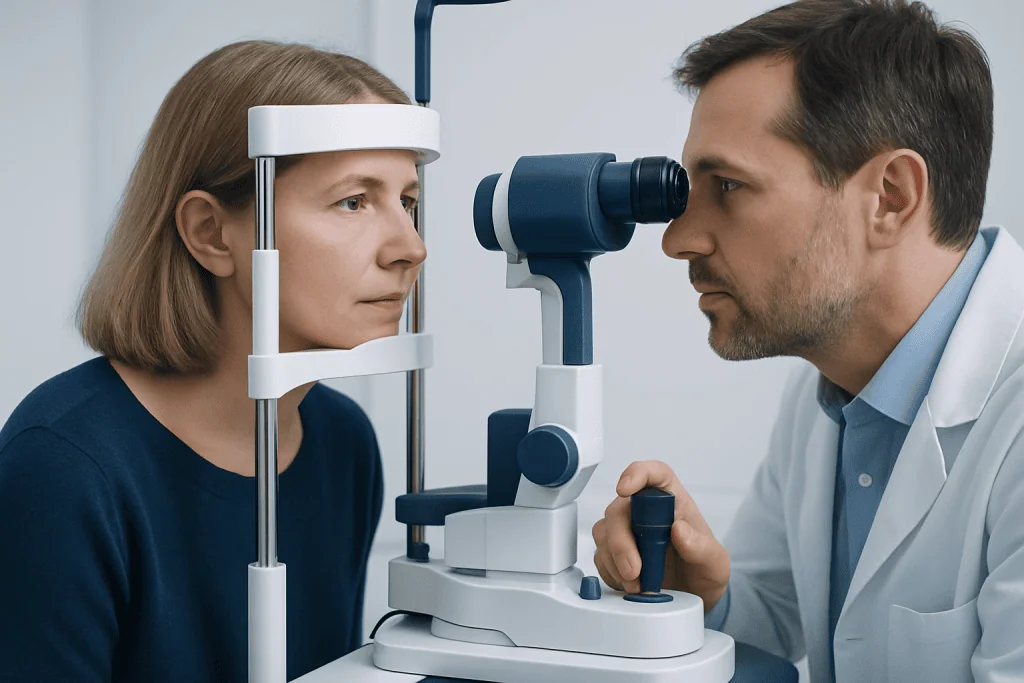
The eye examination may include checking visual acuity, refraction to assess the need for glasses, pupil responses, eye movements, and measurement of eye pressure. A slit-lamp exam allows the front of the eye to be examined in detail, including the cornea, tear film, and lens. Looking into the back of the eye helps assess the retina, macula, optic nerve, and blood vessels for changes related to diabetes, hypertension, inflammation, or detachment.
Additional tests depend on what the doctor suspects. These may include retinal imaging, optical coherence tomography, visual field testing, corneal tests, blood tests, or neurological imaging if a brain-related cause is possible. If a cataract is found to be significantly affecting daily life, an ophthalmologist may discuss options including cataract surgery. If pressure-related optic nerve damage is suspected, evaluation for glaucoma may be needed.
Treatment options and what recovery depends on
Blurred vision treatment depends entirely on the cause. A refractive error may be corrected with updated glasses or contact lenses. Dry eye often improves with environmental changes, lubricating drops, treatment of eyelid inflammation, and regular breaks from screens. If medications are contributing, a doctor may review whether alternatives are appropriate. For migraine-related visual symptoms, treatment focuses on migraine management rather than the eyes themselves.
Eye diseases require more specific care. Cataracts are treated when symptoms begin to interfere with reading, driving, work, or quality of life, and cataract surgery is the standard option when lens clouding becomes significant. Corneal disease, infections, or inflammation may need prescription drops or other targeted therapy. People with retinal disease may need close follow-up and specialist treatment, and conditions such as retinal detachment require urgent intervention to protect vision.
When blurred vision is related to diabetes or vascular disease, control of the underlying condition is essential. Stable blood glucose, blood pressure management, and regular eye screening can help prevent worsening. If symptoms point to a neurological cause, treatment may involve emergency or specialty care beyond the eye itself. Recovery can be immediate in some cases, such as a new glasses prescription, or gradual in others, depending on how long the underlying condition has been present and whether any permanent damage has occurred.
Near the end of the care pathway, some patients benefit from multidisciplinary evaluation, especially when eye symptoms overlap with diabetes, neurology, or vascular concerns. Acibadem International’s multidisciplinary specialists and JCI-accredited hospitals diagnose and treat blurred vision causes for international patients when specialist assessment is needed.
Prevention and self-care in daily life
Not every cause of blurred vision can be prevented, but several habits may reduce risk or make symptoms less frequent. Regular eye examinations are important even when vision seems stable, especially for adults over 40, people with diabetes or high blood pressure, and anyone with a family history of eye disease. Updated prescriptions help reduce avoidable strain, and proper contact lens hygiene lowers the risk of infection.
Screen-related blur is common and often improves with practical changes. Helpful steps include taking regular breaks, blinking more often, adjusting screen distance and lighting, and using artificial tears if advised by a doctor. Sunglasses with UV protection and protective eyewear during sports, DIY tasks, or work involving dust and chemicals can also help protect eye health.
General health supports vision as well. Good blood sugar and blood pressure control, not smoking, staying hydrated, and following treatment plans for chronic conditions may lower the chance of eye complications. Self-care should not replace medical evaluation when symptoms are new, persistent, or accompanied by warning signs. New blurred vision after an eye procedure or with severe pain should always be assessed by a professional.
Frequently asked questions
Is blurred vision always a sign of an eye disease?
No. Blurred vision is a symptom that can happen for many reasons, including a simple need for glasses, dry eyes, tired eyes, or migraine. However, some causes do involve eye disease or other medical conditions, so persistent or sudden symptoms should be assessed.
Can stress or fatigue cause blurred vision?
They can contribute, especially by increasing eye strain, reducing blinking during screen use, or triggering migraine in some people. Stress and fatigue do not explain every case, so ongoing or recurrent blurred vision still deserves medical review.
What is the difference between sudden and gradual blurred vision?
Gradual blurred vision is often linked to refractive changes, dry eye, or cataracts. Sudden blurred vision is more concerning because it can be associated with retinal problems, glaucoma, vascular events, or neurological conditions and may need urgent care.
Should someone go to the emergency department for blurred vision?
Emergency assessment is appropriate if blurred vision starts suddenly or comes with eye pain, injury, flashes, many new floaters, a shadow over vision, severe headache, or stroke-like symptoms. Mild blur that develops slowly may be suitable for a routine eye appointment, but it should still be checked if it persists.
Can diabetes cause blurred vision?
Yes. Changes in blood sugar can temporarily affect focusing, and diabetes can also damage the retina over time. People with diabetes should have regular eye checks and seek care if vision changes suddenly or keeps recurring.
Will blurred vision go away on its own?
Sometimes it can, especially if it is due to temporary dryness, eye strain, or a short-lived migraine episode. But because treatment depends on the cause, it is safest not to assume it will resolve without evaluation if it is new, persistent, or worsening.
References
- American Academy of Ophthalmology
- National Eye Institute
- Centers for Disease Control and Prevention
- American Optometric Association
- World Health Organization
This article is for general information only and is not a substitute for professional medical advice. Please consult a qualified doctor about your individual situation.
Explore treatments in Turkey — costs, top hospitals & a free quote
JCI-accredited · board-certified surgeons · reply within 24h
Add us as a Preferred Source to see more of our trusted health content across Google Search, AI Overviews and Discover.
Check your numbers in seconds
BMI, calories, due date, blood pressure and 30+ more clinical calculators — free, instant, doctor-reviewed ranges.

More from the Health Library

Partial Dentures — Explained by Medical Evidence, Not Myths

Pelvic Tilts: A Complete Medical Overview

Drinks High in Magnesium: What Patients Need to Know

Bartholin Cyst: An Evidence-Based Guide for Patients

Miconazole — Explained by Medical Evidence, Not Myths