Hiit Workouts: An Evidence-Based Guide for Patients

HIIT workouts use short, repeated bursts of hard effort followed by planned recovery. They can improve aerobic fitness and metabolic health in less time than some traditional workouts.
Key Takeaways
- HIIT workouts use short, repeated bursts of hard effort followed by planned recovery.
- They can improve aerobic fitness and metabolic health in less time than some traditional workouts.
- HIIT should be tailored to age, fitness level, joint health, and any heart, lung, or metabolic conditions.
- Beginners usually do best with lower-impact intervals and gradual progression rather than all-out effort.
- Chest pain, fainting, severe breathlessness, or symptoms that do not improve with rest need medical evaluation.
HIIT workouts are exercise sessions that alternate brief periods of higher effort with recovery intervals. For many adults, they can improve cardiovascular fitness, insulin sensitivity, and exercise efficiency, but the right intensity, progression, and medical guidance matter.
What HIIT workouts are and who they may help
HIIT workouts, or high-intensity interval training, combine short periods of harder exercise with planned recovery. A session might involve brisk cycling, walking uphill, swimming, or body-weight movements performed at a challenging pace for a brief interval, followed by slower movement or rest. This pattern is repeated several times, usually within a relatively short workout.
For many people, HIIT workouts are an efficient way to build fitness because they place a meaningful demand on the heart, lungs, muscles, and energy systems in a limited amount of time. Research suggests that, when appropriately designed, interval training can improve aerobic capacity, blood sugar handling, and exercise tolerance. This does not mean HIIT is automatically better than steady exercise for everyone, but it can be a useful option.
The best candidates are often adults who want time-efficient training and can exercise safely at moderate to vigorous intensity. However, the term “high intensity” is relative. For one person, it may mean fast walking on an incline; for another, it may mean running or cycling hard. The workout should be matched to current fitness, medical history, and movement comfort rather than copied from social media or competitive athletes.
How HIIT affects the body
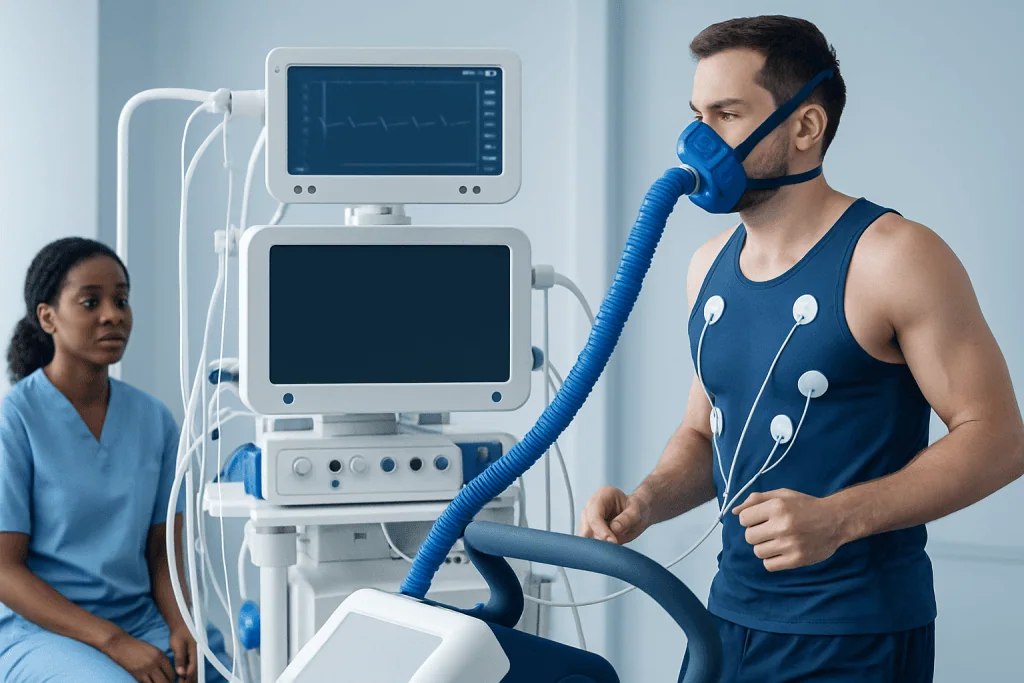
During the work intervals, heart rate and breathing rise because the body needs more oxygen and energy. Recovery intervals allow partial rest so that the next effort can still be completed with reasonable form. This cycle challenges both aerobic and anaerobic energy pathways and can help the body become more efficient at delivering oxygen and using fuel.
Over time, regular HIIT may support improvements in cardiorespiratory fitness, often measured as exercise capacity. It may also help some people improve insulin sensitivity and blood pressure, especially when paired with consistent weekly activity and healthy habits. These benefits depend on regular practice, adequate recovery, and a program that is sustainable rather than overly aggressive.
Muscles and joints also experience repeated loading during intervals. For that reason, exercise choice matters. Low-impact options such as cycling, elliptical training, rowing, or pool-based intervals may be easier for people with knee pain, excess weight, or a history of overuse injuries than repeated jumping or sprinting. People who already have joint problems may benefit from review by specialists in orthopedic care before starting a demanding routine.
Potential benefits and realistic expectations

One of the most practical benefits of HIIT workouts is efficiency. Sessions are often shorter than traditional endurance workouts, which may help people fit exercise into busy schedules. Many patients also appreciate the structured format, since alternating effort and recovery can feel more manageable than trying to sustain one pace for a long time.
Possible benefits include improved stamina, better heart and lung conditioning, support for weight management, and better glucose control when combined with a balanced diet and regular movement. Some individuals also report improved motivation because the format is varied. However, results differ, and HIIT is not a shortcut that replaces sleep, nutrition, strength training, or medical care.
It is also important to keep expectations realistic. HIIT does not need to be extreme to be effective, and harder is not always better. People often make the most progress when they combine one to three interval sessions per week with lighter activity, mobility work, and rest days. Those with weight-related joint pain or metabolic concerns may also benefit from evaluation in weight management and bariatric care if exercise alone is not enough to meet health goals.
Who should be cautious before starting
HIIT workouts are not unsafe by default, but they do place a higher short-term demand on the cardiovascular and musculoskeletal systems than gentle exercise. Extra caution is important for people with known heart disease, chest pain, uncontrolled high blood pressure, significant asthma or chronic lung disease, diabetes treated with medications that can lower blood sugar, pregnancy-related concerns, or recent surgery. Individuals who are very deconditioned may also need a gentler starting point.
People with symptoms such as dizziness on exertion, unusual shortness of breath, palpitations, fainting, or leg pain with walking should not ignore them. These symptoms do not always mean a serious problem, but they deserve assessment before intense training begins. In some cases, interval exercise may need to be modified or postponed while an underlying issue is evaluated, including heart disease or another medical condition.
Injury risk also rises when technique is poor, surfaces are unsafe, or workouts involve more impact than the body is prepared to handle. Previous tendon injuries, back pain, osteoarthritis, and poor balance may call for lower-impact intervals and supervised progression. When there is uncertainty, a physician, physiotherapist, or exercise specialist can help determine an appropriate format.
How to start HIIT workouts safely
A safe HIIT plan usually begins with a clear baseline. Before trying vigorous intervals, most adults benefit from being able to do regular moderate activity, such as comfortable cycling or brisk walking, for at least 20 to 30 minutes. This base helps the body tolerate higher effort and often makes HIIT feel more controlled and less discouraging.
For beginners, the simplest method is to keep the work intervals short and the recovery intervals generous. For example, a person might choose a low-impact activity and alternate brief harder efforts with longer easy periods for a total session of 10 to 20 minutes, plus warm-up and cool-down. The harder intervals should feel challenging but still allow the person to maintain form and recover adequately between rounds.
A basic session should include a 5- to 10-minute warm-up, the intervals, and a cool-down. Useful safety principles include:
- Choose an activity that matches joint comfort and coordination.
- Increase only one factor at a time, such as the number of intervals or the work duration.
- Leave at least one easier day between hard sessions.
- Stop if there is chest pain, severe breathlessness, faintness, or pain that changes normal movement.
People who have symptoms related to exertion, known rhythm issues, or prior cardiac diagnoses may need assessment in cardiology care before doing vigorous intervals.
Common mistakes, recovery, and self-care
A frequent mistake is treating every interval as an all-out effort. This can lead to poor form, excess fatigue, and a higher chance of injury or discouragement. Another common problem is doing too many HIIT sessions per week while skipping easier activity. Recovery is part of training, not a sign of weakness.
Hydration, sleep, and nutrition all influence how well the body responds to interval training. People who exercise intensely without enough fluids, food, or rest may feel lightheaded, overly sore, or unable to perform consistently. It is normal to feel tired after exercise, but persistent exhaustion, trouble sleeping, or steadily worsening performance can suggest overreaching.
Self-care also includes monitoring the body’s response over time. If knee pain, back pain, or foot pain starts to build, switching to a lower-impact format or reducing frequency may help. Some people benefit from supervised exercise, especially after illness or in the setting of chronic conditions. When breathing symptoms limit activity, evaluation for asthma or other respiratory conditions may be appropriate.
When to seek medical care
Most muscle tiredness after exercise is not a medical emergency, but certain symptoms should not be dismissed. Medical care is important if exercise causes chest pressure, fainting, severe shortness of breath, confusion, a racing or irregular heartbeat that does not settle, or sudden weakness. These symptoms need prompt professional assessment.
Less urgent but still important reasons to speak with a doctor include repeated dizziness during workouts, joint pain that lasts more than a few days, swelling, exercise intolerance that is getting worse, or blood sugar problems during or after training. A clinician can help identify whether the issue is related to conditioning, medication effects, technique, or an underlying disorder.
Near the end of a patient’s decision-making process, structured medical advice can be especially helpful for people with chronic disease or those returning to exercise after a long break. Acibadem International’s multidisciplinary specialists and JCI-accredited hospitals diagnose and treat related heart, lung, metabolic, and musculoskeletal concerns for international patients when further evaluation is needed.
Frequently asked questions
Are HIIT workouts good for beginners?
They can be, but beginners usually do best with modified intervals rather than very intense routines. Lower-impact movements, shorter work periods, and longer recovery times are often safer and more sustainable.
How often should someone do HIIT workouts?
For many adults, one to three HIIT sessions per week is enough, depending on fitness level and recovery. Hard sessions should usually be separated by easier days or rest days.
Can HIIT workouts help with weight loss?
HIIT can support weight management by increasing activity and improving fitness, but it is not a standalone solution. Nutrition, sleep, daily movement, and long-term consistency remain important.
Is HIIT better than steady-state cardio?
Not necessarily. HIIT may be more time-efficient for some people, while steady-state cardio may feel easier to tolerate and recover from. Both can improve health when done consistently.
Who should talk to a doctor before trying HIIT?
Anyone with heart disease, chest pain, uncontrolled blood pressure, major lung disease, diabetes with medication-related low blood sugar risk, or recent surgery should seek medical advice first. People with dizziness, fainting, or unexplained shortness of breath also need evaluation.
What is a safe sign that HIIT intensity is appropriate?
During the hard intervals, the effort should feel challenging, but the person should still be able to recover and maintain good form. If symptoms are severe, recovery is very slow, or technique falls apart, the intensity is likely too high.
References
- World Health Organization
- American College of Sports Medicine
- American Heart Association
- Centers for Disease Control and Prevention
- National Heart, Lung, and Blood Institute
This article is for general information only and is not a substitute for professional medical advice. Please consult a qualified doctor about your individual situation.
Heart care in Turkey — expert evaluation and treatment
JCI-accredited · board-certified surgeons · reply within 24h
Add us as a Preferred Source to see more of our trusted health content across Google Search, AI Overviews and Discover.
Check your numbers in seconds
BMI, calories, due date, blood pressure and 30+ more clinical calculators — free, instant, doctor-reviewed ranges.