Alveoli: What Patients Need to Know
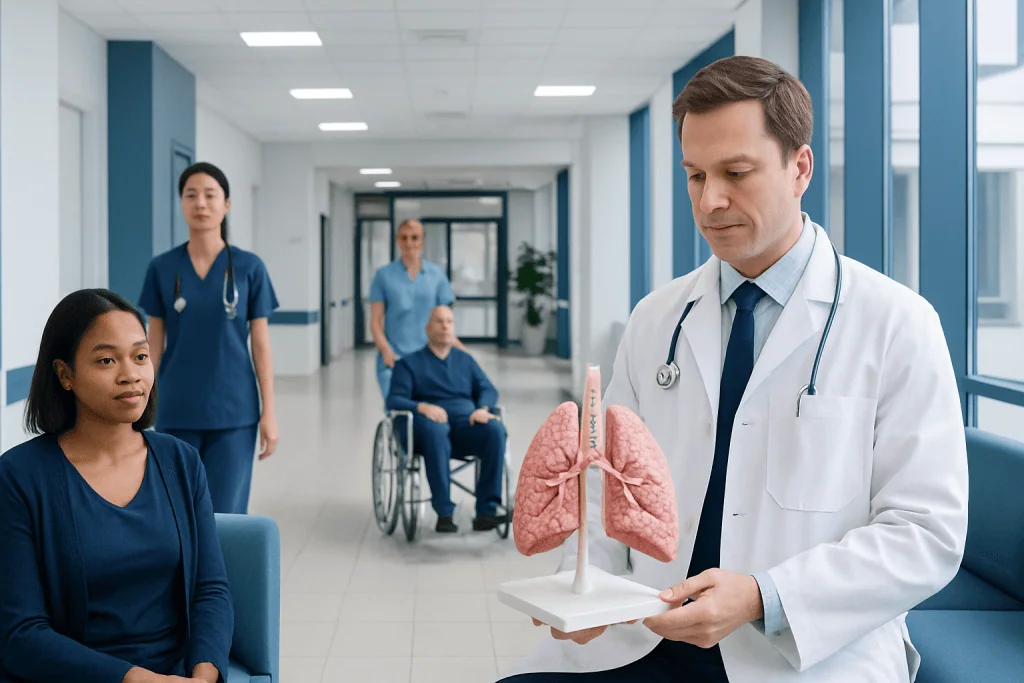
Alveoli are tiny lung air sacs where oxygen moves into the blood and carbon dioxide moves out. Their thin walls, rich blood supply, and large surface area make gas exchange efficient.
Key Takeaways
- Alveoli are tiny lung air sacs where oxygen moves into the blood and carbon dioxide moves out.
- Their thin walls, rich blood supply, and large surface area make gas exchange efficient.
- Smoking, infections, pollution, and chronic lung diseases can damage alveoli and reduce oxygen transfer.
- Shortness of breath, persistent cough, wheezing, or low exercise tolerance may suggest an alveoli-related lung problem.
- Doctors assess alveoli function with a medical history, physical exam, pulse oximetry, imaging, and breathing tests.
- Avoiding smoking, staying vaccinated, and managing lung conditions early can help protect alveoli.
Alveoli are microscopic air sacs deep inside the lungs that make breathing useful by exchanging oxygen and carbon dioxide with the blood. Understanding how alveoli work can help patients recognize why conditions such as infection, smoking-related lung damage, or chronic lung disease can affect breathing.
Overview: what alveoli are and why they matter
Alveoli are tiny air sacs located at the ends of the smallest breathing tubes in the lungs. They are where the most important part of breathing happens: oxygen from inhaled air passes through the alveoli into the bloodstream, and carbon dioxide moves from the blood into the alveoli to be exhaled. In simple terms, alveoli turn each breath into usable oxygen for the body.
Each lung contains millions of alveoli, creating a very large surface area for gas exchange. Their walls are extremely thin and sit next to equally thin blood vessels called capillaries. This close contact allows gases to move quickly and efficiently, helping organs, muscles, and the brain receive the oxygen they need.
When alveoli are healthy, a person may never think about them. When they are inflamed, filled with fluid, scarred, or destroyed, breathing can become less effective. That is why many lung conditions cause symptoms such as breathlessness, fatigue, cough, or reduced exercise tolerance even when the larger airways are not severely blocked.
How alveoli work in everyday breathing
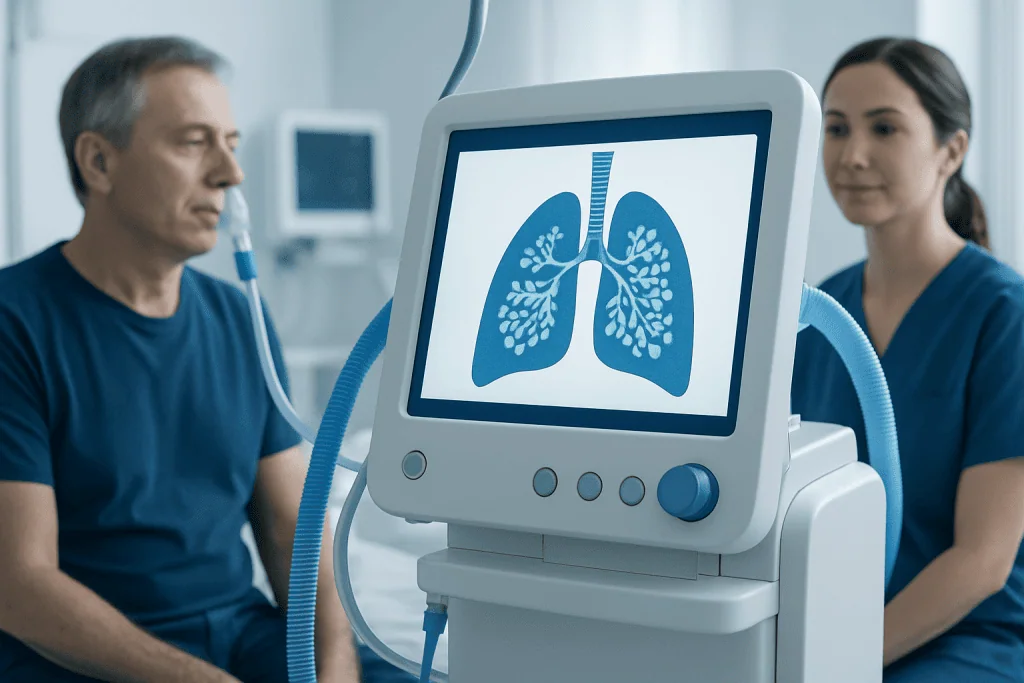
Air travels through the nose or mouth, down the windpipe, and through branching airways until it reaches the alveoli. With each inhalation, the alveoli gently expand. Oxygen inside them crosses the alveolar wall, passes through the capillary wall, and enters red blood cells, where it binds to hemoglobin. At the same time, carbon dioxide leaves the blood and enters the alveoli to be breathed out.
This process is called gas exchange. It depends on several factors working together: the alveoli must stay open, their walls must remain thin, and blood flow around them must be adequate. A natural substance called surfactant helps prevent the alveoli from collapsing between breaths, making normal breathing easier.
Alveoli also play a role in defending the lungs. Specialized immune cells inside the air sacs help remove dust, germs, and inhaled particles. Although this defense system is effective, repeated irritation from smoking, severe infections, or long-term exposure to pollutants can overwhelm it and gradually damage delicate alveolar tissue.
What can affect or damage alveoli
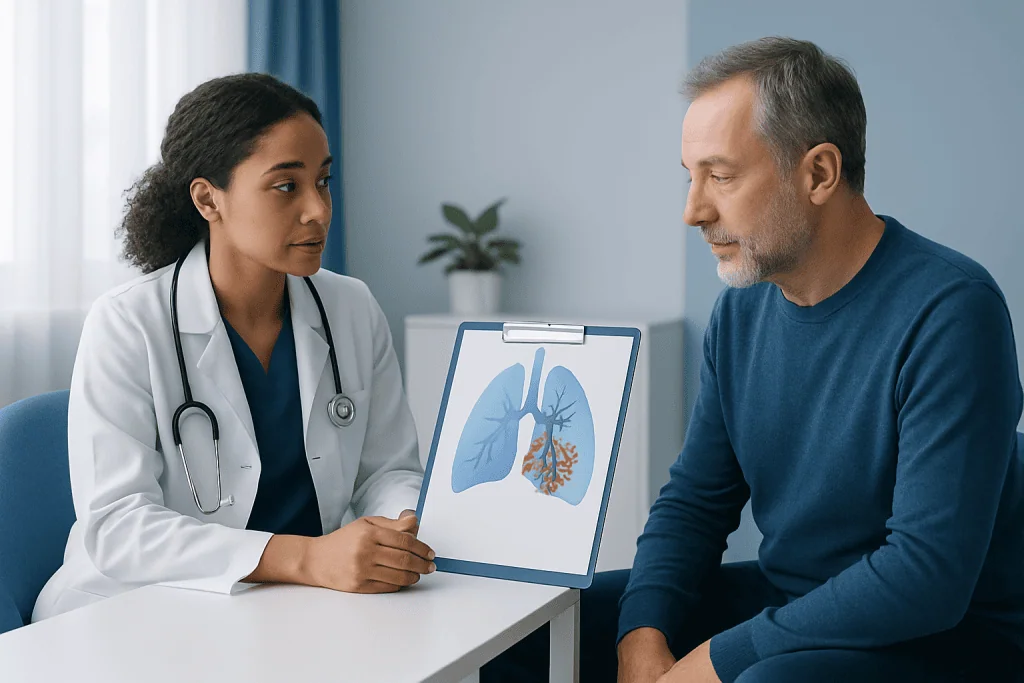
Alveoli can be affected by many common and uncommon lung problems. Infections such as pneumonia may fill the alveoli with inflammatory fluid or pus, making it harder for oxygen to pass into the blood. Chronic conditions such as emphysema damage the walls between air sacs, reducing the total surface area available for gas exchange. Scarring disorders, including forms of interstitial lung disease, can thicken the tissue around the alveoli and limit oxygen transfer.
Smoking is one of the most important preventable causes of alveolar damage. Over time, tobacco smoke irritates the lungs, weakens natural repair mechanisms, and contributes to the destruction of air sacs seen in chronic obstructive pulmonary disease. People may also develop alveolar problems from air pollution, occupational dusts, chemical fumes, radiation exposure, or autoimmune diseases.
Less commonly, alveoli may be affected by acute injury, severe allergic inflammation, inherited conditions, or fluid buildup related to heart problems. Some related lung disorders include chronic obstructive pulmonary disease, pneumonia, and pulmonary fibrosis. Because symptoms can overlap, a proper evaluation is important rather than assuming all breathlessness has the same cause.
Symptoms that may suggest alveoli-related lung problems
Alveoli themselves do not cause pain that can be felt directly, but problems affecting them often lead to breathing-related symptoms. The most common sign is shortness of breath, especially during activity. Some people notice that they tire more easily or cannot exercise at the same level as before.
Other symptoms may include a cough, rapid breathing, wheezing, chest tightness, or the sense of not getting enough air. Infections that involve the alveoli may also cause fever, chills, or mucus production. When oxygen levels fall, a person may feel lightheaded, unusually fatigued, or notice bluish lips or fingertips.
Symptoms can develop suddenly, as with a severe infection, or slowly over months to years, as with smoking-related lung disease or fibrosis. Persistent symptoms deserve medical attention, especially if they are new, worsening, or interfering with daily life.
- Shortness of breath during rest or activity
- Ongoing cough
- Reduced exercise tolerance
- Wheezing or chest tightness
- Fatigue related to low oxygen delivery
- Fever or sputum production when infection is present
How doctors evaluate alveoli and lung function
Evaluation usually begins with a conversation about symptoms, smoking history, workplace exposures, infections, past lung disease, and general health. A clinician listens to the chest, checks breathing effort, and may measure oxygen saturation with a pulse oximeter. This first step helps guide which tests are most useful.
Chest imaging often provides important clues. A chest X-ray may show infection, fluid, or chronic changes, while a CT scan offers a more detailed look at the lung tissue around the alveoli. Pulmonary function tests can measure how well the lungs move air and how effectively gases transfer from the alveoli into the bloodstream.
Depending on the situation, further evaluation may include blood tests, exercise testing, arterial blood gas analysis, sputum testing, or bronchoscopy. When symptoms suggest a structural or chronic problem, clinicians may consider specialized respiratory assessment such as pulmonary function tests or advanced chest CT imaging to better understand alveolar health and guide care.
Treatment depends on the cause
There is no single treatment for alveoli because alveoli-related symptoms arise from many different conditions. Care focuses on treating the underlying problem, improving oxygen delivery, and reducing further damage. For example, bacterial pneumonia may be treated with appropriate antibiotics, while inflammatory or scarring conditions may need other targeted therapies recommended by a specialist.
People with chronic lung diseases may benefit from inhaled medicines, pulmonary rehabilitation, vaccinations, oxygen therapy, or support to stop smoking. In some cases, doctors recommend bronchoscopy to help investigate the airways and obtain samples. Severe or advanced lung disease may require long-term specialist follow-up and a personalized care plan.
Self-management remains important alongside medical treatment. Taking prescribed medications correctly, keeping follow-up appointments, avoiding smoke and pollutants, and staying active within safe limits can all support lung function. Near the end of the care pathway, patients seeking international evaluation may also consider centers such as Acibadem International, where multidisciplinary specialists in JCI-accredited hospitals diagnose and treat respiratory conditions for international patients.
Protecting alveoli: prevention and self-care
Many steps that protect overall lung health also protect the alveoli. The most effective is avoiding smoking and secondhand smoke. If a person smokes, quitting can slow further damage and improve symptoms over time, even when some existing injury cannot be reversed.
Vaccination against common respiratory infections, good hand hygiene, and prompt care for infections may help lower the risk of alveoli being affected by severe illness. People with occupational exposure to dust, fumes, or chemicals should use recommended protective equipment and follow workplace safety guidance carefully.
General fitness, breathing exercises advised by a clinician, and good control of asthma, heart disease, or chronic lung disease can also support better oxygen exchange. Healthy habits do not replace medical treatment, but they can reduce strain on the lungs and help preserve day-to-day breathing function.
- Do not smoke and avoid secondhand smoke
- Stay current with recommended vaccinations
- Limit exposure to dust, fumes, and air pollution when possible
- Follow treatment plans for asthma, COPD, or other lung conditions
- Seek early assessment for persistent cough or breathlessness
When to seek medical care
Medical evaluation is appropriate if a person develops ongoing shortness of breath, a cough that does not improve, chest discomfort with breathing, or a clear decline in exercise tolerance. These symptoms do not always mean serious disease, but they can signal that the alveoli or other parts of the lungs are not working as expected.
Urgent care is important for severe breathing difficulty, confusion, bluish lips, high fever with worsening cough, coughing up blood, or symptoms that come on suddenly. These can be signs of a significant lung or heart problem and should not be ignored.
People who smoke, have known lung disease, work around inhaled irritants, or have repeated lung infections may benefit from earlier assessment. A qualified doctor can identify whether symptoms relate to the alveoli, the airways, the heart, or another cause, and can recommend the next safest steps.
Frequently asked questions
What are alveoli in simple terms?
Alveoli are tiny air sacs inside the lungs. They are the place where oxygen moves into the blood and carbon dioxide leaves the blood to be exhaled.
Can alveoli heal after damage?
Some alveolar irritation or inflammation can improve when the underlying cause is treated, such as infection or exposure to smoke. However, permanent damage from conditions like emphysema or significant fibrosis may not fully reverse, which is why early care and prevention matter.
Does smoking affect the alveoli?
Yes. Smoking can inflame and gradually destroy the walls of the alveoli, reducing the lungs' ability to exchange gases efficiently. Quitting smoking helps protect the remaining healthy lung tissue and may improve breathing over time.
How do doctors know if alveoli are not working well?
Doctors use symptoms, physical examination, oxygen measurements, imaging, and lung function tests to assess how well gas exchange is happening. The results help show whether the problem involves infection, airway disease, scarring, or another cause.
Are alveoli problems the same as asthma?
Not exactly. Asthma mainly affects the airways by causing inflammation and narrowing, while alveoli are the air sacs where gas exchange occurs. Some people with asthma breathe poorly because airflow to the alveoli is limited, but the main problem is different.
Which symptoms mean someone should seek urgent help?
Severe shortness of breath, bluish lips, confusion, sudden chest symptoms, coughing up blood, or rapid worsening of breathing deserve urgent medical attention. These symptoms may indicate that oxygen levels are low or that a serious lung or heart problem is present.
References
- American Lung Association
- National Heart, Lung, and Blood Institute
- Centers for Disease Control and Prevention
- National Institute for Occupational Safety and Health
- Merck Manual Consumer Version
This article is for general information only and is not a substitute for professional medical advice. Please consult a qualified doctor about your individual situation.
Explore treatments in Turkey — costs, top hospitals & a free quote
JCI-accredited · board-certified surgeons · reply within 24h
Add us as a Preferred Source to see more of our trusted health content across Google Search, AI Overviews and Discover.