Neuroblastoma: Symptoms, Causes, and Treatment Options

Neuroblastoma is a childhood cancer that develops from immature nerve cells called neuroblasts. Symptoms depend on where the tumor starts and whether it has spread, and may include a belly mass, pain, fatigue, or bone symptoms.
Key Takeaways
- Neuroblastoma is a childhood cancer that develops from immature nerve cells called neuroblasts.
- Symptoms depend on where the tumor starts and whether it has spread, and may include a belly mass, pain, fatigue, or bone symptoms.
- Diagnosis usually involves imaging, urine or blood tests, biopsy, and staging studies.
- Treatment may include surgery, chemotherapy, radiation therapy, stem cell transplant, immunotherapy, or careful observation in selected cases.
- Parents should seek medical care for persistent swelling, unexplained pain, weight loss, or symptoms that do not improve.
Neuroblastoma is a cancer that usually begins in immature nerve cells, most often in young children, and commonly starts in the adrenal glands or along the sympathetic nervous system. Treatment and outlook vary widely, so early evaluation, accurate staging, and care by a pediatric oncology team are important.
What neuroblastoma is
Neuroblastoma is a cancer that forms from immature nerve cells known as neuroblasts. It most often affects infants and young children, and it usually begins in the adrenal glands above the kidneys or in nerve tissue along the spine in the chest, abdomen, pelvis, or neck. Because these cells are part of the developing sympathetic nervous system, the tumor can appear in several parts of the body.
One of the most important things to understand about neuroblastoma is that it behaves differently from many other cancers. Some tumors grow quickly and spread, while others grow slowly, mature into less harmful tissue, or in rare cases even regress on their own. This wide range means treatment is highly individualized and depends on the child’s age, tumor biology, stage, and overall health.
Neuroblastoma is not the same as a brain tumor, even though it develops from nerve-related cells. It is considered a solid tumor of childhood and is usually managed by pediatric oncology specialists working closely with surgeons, radiologists, pathologists, and supportive care teams.
Symptoms and how neuroblastoma may appear
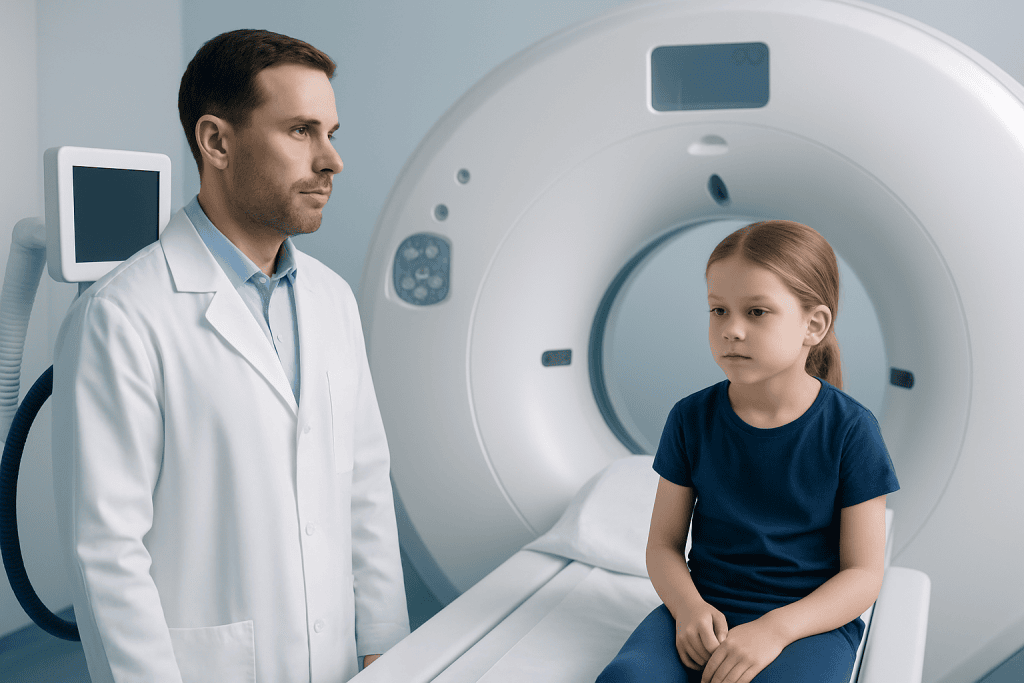
Neuroblastoma symptoms can be subtle at first and may vary depending on where the tumor begins. In some children, the first sign is a lump or swelling in the abdomen. Others may have reduced appetite, irritability, tiredness, fever, weight loss, or general discomfort that does not have an obvious cause.
If the tumor starts in the abdomen, it may cause belly pain, constipation, or a firm mass. Tumors in the chest can lead to cough, breathing problems, or chest discomfort. Tumors in the neck may cause a visible lump, drooping eyelid, or a smaller pupil on one side. If the disease affects the spinal area, weakness, difficulty walking, or bladder and bowel changes can occur and need urgent assessment.
When neuroblastoma spreads, symptoms may reflect the affected area. Bone involvement can cause pain, limping, or reluctance to walk. Bone marrow involvement may lead to paleness, easy bruising, or fatigue. In some children, the area around the eyes may become swollen or bruised. A small number of patients develop hormone-related symptoms such as ongoing diarrhea or episodes of sweating and high blood pressure.
- Abdominal swelling or a firm mass
- Unexplained bone pain or limping
- Fatigue, paleness, or bruising
- Persistent fever or weight loss
- Cough, breathing difficulty, or chest discomfort
- Weakness, walking changes, or bowel/bladder symptoms
Causes and risk factors
Neuroblastoma develops when immature nerve cells grow abnormally and form a tumor. In most children, the exact reason this happens is not known. It is not caused by anything a parent did or did not do, and there is usually no clear environmental trigger identified in an individual case.
Most neuroblastoma cases are sporadic, meaning they happen by chance. A small minority are linked to inherited genetic changes and may occur in families. Doctors may consider genetic counseling when there is a strong family history, when more than one child in a family is affected, or when the tumor occurs with other uncommon clinical features.
Researchers also look closely at tumor biology because certain genetic and molecular features can influence how the cancer behaves. These findings do not explain why the tumor started, but they are very important for predicting risk and planning treatment. This is one reason why biopsy and specialized laboratory testing are central parts of care.
How doctors diagnose and stage neuroblastoma
Diagnosis begins with a careful medical history and physical examination. If a doctor suspects neuroblastoma, the next step usually includes imaging tests to locate the tumor and understand its size and relationship to nearby structures. Ultrasound may be used first, especially for abdominal masses, while CT, MRI, and specialized nuclear medicine scans help define the disease more clearly.
Laboratory testing also plays a role. Many children with neuroblastoma have elevated breakdown products of catecholamines in the urine, which can support the diagnosis. Blood tests help assess general health, blood counts, organ function, and the effects of the tumor. A tissue biopsy is typically needed to confirm the diagnosis and analyze tumor genetics and other biological markers.
After diagnosis, doctors stage the disease to see whether it is localized or has spread. Staging may include bone marrow testing and whole-body imaging. The care team then combines stage with age and tumor biology to classify the cancer into risk groups. This risk-based approach helps distinguish children who may do well with less treatment from those who need more intensive therapy. Imaging techniques such as MRI scanning and PET/CT imaging may be part of the evaluation, depending on the child’s situation and local practice.
Treatment options and how care is tailored
Neuroblastoma treatment is tailored to the child’s risk group rather than using one single plan for everyone. Some very young children with low-risk disease may need surgery alone or, in selected situations, careful observation because certain tumors can behave less aggressively. For localized tumors that can be removed safely, pediatric surgery is often an important part of treatment.
Children with intermediate- or high-risk neuroblastoma may need a combination of therapies. These can include chemotherapy to shrink or control the tumor, surgery to remove as much disease as possible, and radiation therapy in selected cases. High-risk disease may also require stem cell transplant, immunotherapy, and other specialized treatments designed to reduce the chance of recurrence.
Treatment planning balances effectiveness with the need to protect growth, development, and long-term health. Supportive care is also essential and may include pain control, nutrition support, infection prevention, rehabilitation, and emotional support for both the child and family. In a comprehensive cancer center, specialists may also evaluate related pediatric cancers such as Wilms tumor when the diagnosis of an abdominal mass is not yet certain.
Because neuroblastoma can vary so much from one child to another, families often benefit from care in centers experienced in pediatric oncology. These teams can explain the goals of each treatment step, expected side effects, and the follow-up plan in a clear and practical way.
Follow-up, recovery, and long-term outlook
The outlook for neuroblastoma depends on several factors, including the child’s age, the tumor’s stage, its genetic features, and how well it responds to treatment. In general, lower-risk disease tends to have a more favorable outlook, while high-risk neuroblastoma is more complex and may require prolonged treatment and monitoring.
Follow-up care continues after treatment ends. Doctors use physical exams, imaging, and laboratory tests to check for response, monitor recovery, and watch for recurrence. These visits are also important for identifying late effects related to chemotherapy, radiation, surgery, or transplant, especially as the child grows.
Recovery is not only physical. Children and families may need practical and emotional support with feeding, sleep, school return, mobility, and coping with stress. A multidisciplinary team can help address these issues early. Near the end of the care pathway, some families choose centers such as Acibadem International, where multidisciplinary specialists in JCI-accredited hospitals diagnose and treat complex pediatric cancers for international patients.
Prevention, self-care, and support for families
There is no known way to prevent most cases of neuroblastoma. Since the condition usually develops in very young children and is rarely linked to a preventable exposure, parents should not blame themselves. The most useful step is to pay attention to persistent or unusual symptoms and seek medical evaluation rather than waiting for them to pass if they continue.
At home, supportive care matters during and after treatment. Families can help by following the oncology team’s guidance on nutrition, hydration, rest, infection precautions, and medicines. Keeping a symptom diary may also be useful, especially when tracking pain, fever, bowel changes, appetite, or fatigue between appointments.
It is also helpful to ask about psychosocial support. Social workers, psychologists, child-life specialists, and rehabilitation professionals can make day-to-day life more manageable. Parents may find it reassuring to learn about the condition from trusted sources and to keep a written list of questions for clinic visits.
When to seek medical care
Parents should arrange a medical evaluation if a child has a persistent belly lump, unexplained swelling, ongoing pain, unusual bruising, repeated fever without a clear cause, poor appetite, weight loss, or tiredness that does not improve. These symptoms do not always mean cancer, but they deserve professional assessment when they continue or worsen.
Urgent care is important if a child develops weakness, trouble walking, difficulty breathing, severe pain, or changes in bladder or bowel control. These symptoms may suggest pressure on important structures such as the spinal cord or airways and should be assessed promptly.
If a mass has already been found, parents should ask whether referral to a pediatric cancer team is needed. A timely, organized evaluation helps confirm the diagnosis, define the stage, and start the most appropriate treatment without unnecessary delay.
Frequently asked questions
Is neuroblastoma always aggressive?
No. Neuroblastoma can behave very differently from one child to another. Some tumors are low risk and respond well to limited treatment, while others are high risk and need intensive therapy.
At what age does neuroblastoma usually occur?
Neuroblastoma most often affects infants and young children. It is much less common in older children and rare in adults.
Can neuroblastoma be found before symptoms start?
Sometimes a tumor is discovered during an exam or imaging test done for another reason. However, there is no routine screening test used for most children, so diagnosis usually begins after symptoms or a mass is noticed.
What tests confirm neuroblastoma?
Doctors usually use imaging, urine or blood tests, and a biopsy to confirm neuroblastoma. Staging tests such as bone marrow studies and whole-body scans may also be needed to see whether the disease has spread.
Can neuroblastoma be cured?
Many children, especially those with low-risk disease, can do very well with treatment. The chance of long-term control depends on the risk group, stage, tumor biology, and response to therapy.
Does every child with neuroblastoma need chemotherapy?
No. Some children with low-risk neuroblastoma may be treated with surgery alone or, in selected cases, careful observation. Chemotherapy is more commonly used for intermediate- and high-risk disease.
What is the difference between neuroblastoma and other childhood abdominal tumors?
Neuroblastoma develops from immature nerve cells, while other tumors, such as kidney tumors, arise from different tissues. Imaging, laboratory tests, and biopsy help doctors distinguish among these conditions and choose the right treatment.
References
- National Cancer Institute
- American Cancer Society
- National Comprehensive Cancer Network
- American Academy of Pediatrics
- World Health Organization
This article is for general information only and is not a substitute for professional medical advice. Please consult a qualified doctor about your individual situation.
Joint and spine care in Turkey — expert assessment & treatment
JCI-accredited · board-certified surgeons · reply within 24h
Add us as a Preferred Source to see more of our trusted health content across Google Search, AI Overviews and Discover.
Check your numbers in seconds
BMI, calories, due date, blood pressure and 30+ more clinical calculators — free, instant, doctor-reviewed ranges.