Dermaplaning — Explained by Medical Evidence, Not Myths
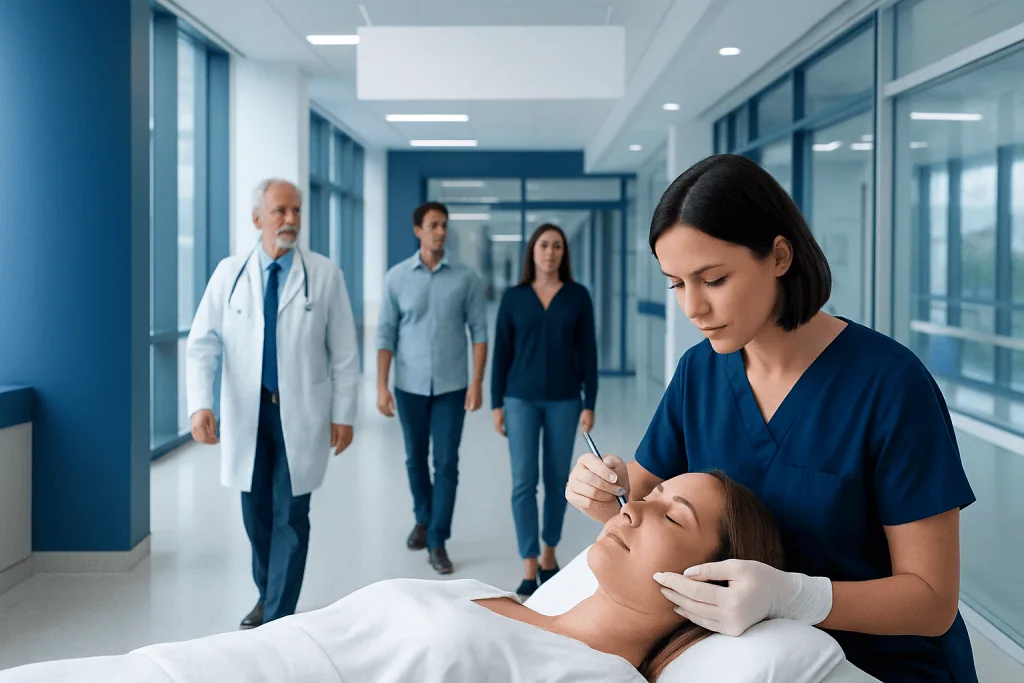
Dermaplaning exfoliates the skin surface and removes fine facial hair without changing how hair grows back. It may improve smoothness and makeup application, but it does not treat deep wrinkles, scars, or significant skin laxity.
Key Takeaways
- Dermaplaning exfoliates the skin surface and removes fine facial hair without changing how hair grows back.
- It may improve smoothness and makeup application, but it does not treat deep wrinkles, scars, or significant skin laxity.
- People with active acne, eczema flares, infections, or very irritated skin may need to avoid or postpone dermaplaning.
- Professional technique, clean instruments, and correct aftercare help reduce the risk of cuts, irritation, and breakouts.
- Sun protection and gentle skin care are important after dermaplaning because the skin can be more sensitive.
Dermaplaning is a controlled, superficial skin-resurfacing procedure that uses a sterile blade to remove dead skin cells and fine vellus hair from the face. It can leave skin feeling smoother and looking brighter, but its results are temporary and it should be done thoughtfully, especially in people with active skin disease or irritation.
What dermaplaning is and what it does
Dermaplaning is a noninvasive exfoliation procedure in which a trained clinician uses a sterile surgical blade at a precise angle to gently skim the outermost layer of dead skin cells from the face. At the same time, it removes fine vellus hair, often called “peach fuzz.” The goal is a smoother skin surface, a brighter appearance, and easier application of skin care products and makeup.
Medical evidence supports dermaplaning as a superficial resurfacing method rather than a deep corrective treatment. In practical terms, that means it can improve texture and dullness on the very top layer of skin, but it does not remodel deeper tissue in the way some lasers, peels, or microneedling approaches may. Results are usually temporary, so repeat sessions may be needed if a person likes the effect.
One common myth is that dermaplaning makes hair grow back darker, thicker, or faster. Vellus hair does not change into coarse terminal hair because of shaving or dermaplaning. As it grows back, the blunt tip may feel different for a short time, but the hair’s color, thickness, and growth rate are determined by biology, not by the procedure itself.
Who may benefit from dermaplaning
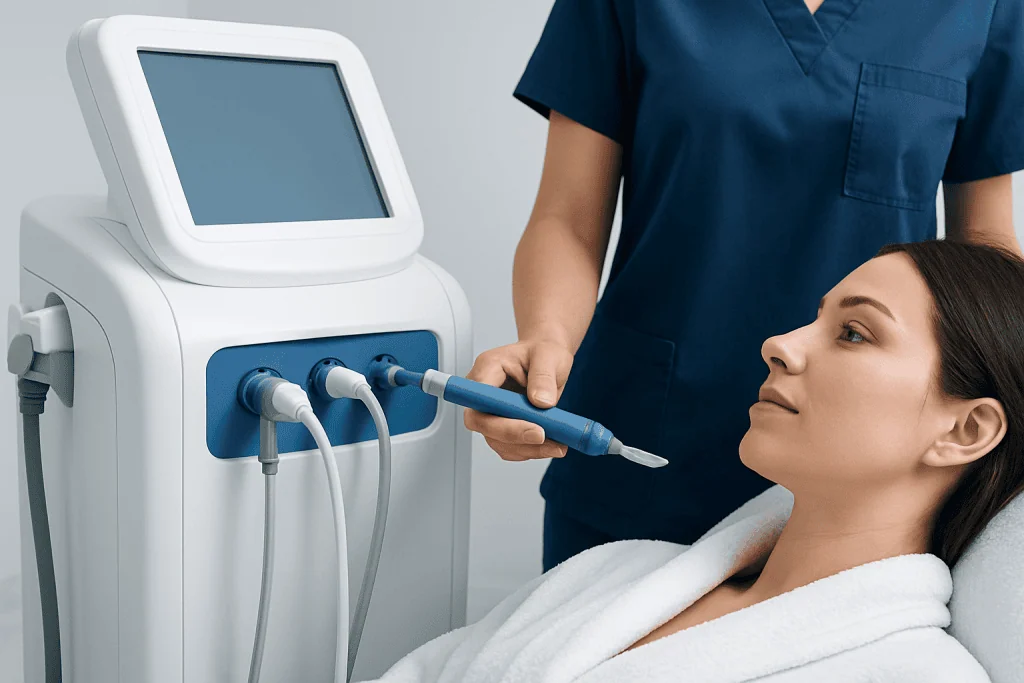
Dermaplaning may be suitable for people who want a simple form of facial exfoliation and temporary improvement in surface smoothness. It is often considered by those with dull-looking skin, dry flaky buildup, or fine facial hair that affects cosmetic application. Some people choose it before a special event because the skin may look more polished soon after treatment.
It is most helpful for concerns that involve the skin surface rather than deeper structural changes. For example, it may soften the look of rough texture and improve the way foundation sits on the skin. It is less likely to meaningfully improve deeper acne scars, persistent redness, enlarged blood vessels, or pronounced wrinkles.
People with darker skin tones can often tolerate dermaplaning because it does not use heat or light energy, which can matter when considering the risk of pigment changes with some other procedures. Even so, suitability depends on the person’s skin condition, sensitivity, and goals. A dermatologist or qualified skin specialist can help decide whether dermaplaning, another exfoliating approach, or a condition-focused plan would be more appropriate.
When dermaplaning may not be the right choice

Dermaplaning is not ideal for every skin type or every moment in a skin care journey. It is usually best avoided over active inflammatory acne, open wounds, sunburn, active cold sores, irritated rashes, or areas with skin infection. Passing a blade over inflamed or infected skin can worsen irritation, spread microbes, or increase the chance of cuts and delayed healing.
People with certain chronic skin conditions may need extra caution. This includes those with active eczema, psoriasis on the face, rosacea flares, or a history of post-inflammatory hyperpigmentation after irritation. Individuals using prescription retinoids, strong exfoliating acids, or other products that make the skin fragile may also need to pause treatment or choose a different option.
Anyone with unexplained facial lesions, rapidly changing moles, recurrent infections, or very sensitive skin should seek medical advice before dermaplaning. In some cases, evaluation is more important than exfoliation, especially if the concern could reflect a dermatologic condition rather than simple surface buildup.
Potential benefits, limits, and realistic expectations
The main benefits of dermaplaning are smoother texture, a brighter appearance, temporary removal of fine facial hair, and a cleaner skin surface that may allow products to spread more evenly. Many people also notice that makeup appears less patchy after the procedure. These effects are cosmetic and surface-level, which is why they are often visible soon after treatment.
Its limits are just as important as its benefits. Dermaplaning does not remove deep scars, stop acne from forming, erase hyperpigmentation, or reverse the effects of aging. It may be one part of a broader skin strategy, but it is not a universal answer. For concerns such as scarring, recurrent acne, or lesions, a dermatologist may recommend a more targeted evaluation or a dermatologic procedure such as laser treatment in carefully selected cases.
People considering dermaplaning should set practical expectations. The skin may look fresher, but the effect is temporary because dead skin cells and fine hair naturally return. Repeating the procedure too often or combining it with too many exfoliating products can irritate the skin rather than improve it.
Possible risks and side effects
When performed correctly with proper hygiene, dermaplaning is generally well tolerated. Even so, it can cause short-term side effects such as redness, mild burning, tightness, dryness, or sensitivity for a day or two. Small nicks can occur if the skin is not held properly, if the blade is not used skillfully, or if the person moves during the procedure.
Breakouts can happen afterward, especially in people prone to acne or those using occlusive products soon after treatment. Irritation may also develop if strong acids, retinoids, scrubs, or fragranced products are applied too early. Less commonly, pigment changes or prolonged redness can follow irritation, particularly in skin that is already inflamed or highly reactive.
The procedure should not be done with nonsterile tools or shared blades. Home devices and social media trends can make dermaplaning seem simple, but poor technique raises the risk of cuts, infection, and worsening of underlying conditions such as acne or facial dermatitis. Professional assessment is particularly helpful for anyone with sensitive or problem-prone skin.
How dermaplaning compares with other skin treatments
Dermaplaning is different from shaving, chemical peels, microdermabrasion, and energy-based procedures. Shaving removes hair but is not typically done with the same clinical technique or exfoliating intent. Chemical peels dissolve surface cells through acids, while microdermabrasion uses an abrasive method to polish the skin. Dermaplaning is mechanical exfoliation with a blade, so it can be useful for people who prefer to avoid certain topical acids.
It may also be combined with other treatments in a professionally planned regimen, but timing matters. For example, pairing too many resurfacing methods too closely together can over-irritate the skin barrier. If a person has concerns like stubborn pigmentation, textural scarring, or persistent signs of aging, a clinician may discuss alternatives such as chemical peel or other dermatologist-guided options instead of repeated superficial exfoliation.
Choosing among treatments depends on the skin concern, sensitivity, downtime tolerance, and medical history. Rather than asking which option is “best” in general, it is more useful to ask which option best matches the specific concern. In some cases, no procedure is the right first step until the underlying skin problem is diagnosed and stabilized.
Aftercare and safe self-care habits
After dermaplaning, the skin barrier may be temporarily more exposed, so gentle care is important. A simple routine often works best for the next day or two: a mild cleanser, a bland moisturizer, and broad-spectrum sunscreen. Hot water, vigorous rubbing, exfoliating toners, and strong active ingredients are usually best avoided until the skin feels settled again.
Sun protection matters because freshly exfoliated skin can be more sensitive to ultraviolet exposure. Daily sunscreen, shade, and protective habits help prevent irritation and pigment changes. If the skin feels dry or tight, fragrance-free moisturizing products can support comfort while the surface recovers.
People who are exploring broader cosmetic skin care may also be assessed for complementary options under medical supervision, such as skin rejuvenation strategies tailored to their skin type and goals. Near the end of care planning, some international patients choose centers such as Acibadem International, where multidisciplinary specialists in JCI-accredited hospitals evaluate and treat skin concerns in a coordinated way.
- Use a gentle cleanser and moisturizer for the first 24-48 hours.
- Wear broad-spectrum sunscreen daily.
- Avoid scrubs, retinoids, strong acids, and waxing right away.
- Do not pick at flaking skin or new bumps.
- Seek advice if redness, pain, or swelling gets worse instead of better.
When to seek medical care
Medical care is appropriate if symptoms after dermaplaning are more than mild or do not improve as expected. Warning signs include significant swelling, increasing pain, pus, crusting, fever, spreading redness, or a rash that continues to worsen. These symptoms may suggest infection, an allergic reaction, or a flare of an underlying skin condition.
A clinician should also assess anyone with repeated breakouts after dermaplaning, persistent pigmentation changes, or facial lesions that bleed, change, or do not heal. If the original concern is not cosmetic exfoliation but a recurring skin problem, the best next step may be formal dermatologic evaluation rather than another resurfacing session.
In general, dermaplaning should complement skin health, not replace diagnosis. If a person is unsure whether their skin is suitable for the procedure, has a history of reactive skin, or is using prescription products, discussing timing and safety with a qualified doctor is the most reliable way to reduce risk.
Frequently asked questions
Does dermaplaning make hair grow back thicker?
No. Dermaplaning does not change the number of hair follicles or the type of hair they produce. Hair may feel slightly different as it grows back because the tip is blunt, but it does not become darker, thicker, or faster-growing because of the procedure.
How long do dermaplaning results last?
The smoother feel and brighter look are temporary because dead skin cells build up again and fine vellus hair grows back. Many people notice the effect for a few weeks, although timing varies by skin type and routine. Results are maintenance-based rather than permanent.
Is dermaplaning safe for acne-prone skin?
It depends on the type and activity of acne. If acne is inflamed, cystic, or widespread, dermaplaning can irritate the skin and may worsen breakouts. A dermatologist can help decide whether acne should be treated first before considering exfoliation.
Can dermaplaning help with acne scars or wrinkles?
Dermaplaning may make the skin look smoother on the surface, but it does not usually correct deeper acne scars or pronounced wrinkles. Those concerns often need more targeted treatments chosen after a professional assessment. The best option depends on skin type, healing tendency, and the depth of the problem.
Can dermaplaning be done at home?
At-home tools exist, but home dermaplaning carries more risk if technique and hygiene are poor. Cuts, irritation, and infection are more likely when nonsterile tools or excessive pressure are used. People with sensitive skin, active acne, or a skin condition are safer seeking professional advice.
What should be avoided after dermaplaning?
For the first day or two, it is wise to avoid strong acids, retinoids, scrubs, waxing, and heavily fragranced products. Intense sun exposure and harsh rubbing can also increase irritation. Gentle cleansing, moisturizer, and sunscreen are usually the most helpful aftercare steps.
References
- American Academy of Dermatology
- British Association of Dermatologists
- National Health Service
- Mayo Clinic
- U.S. Food and Drug Administration
This article is for general information only and is not a substitute for professional medical advice. Please consult a qualified doctor about your individual situation.
Hair transplant in Turkey — costs, graft counts & a free assessment
JCI-accredited · board-certified surgeons · reply within 24h
Add us as a Preferred Source to see more of our trusted health content across Google Search, AI Overviews and Discover.