Intercostal Muscle Strain: A Complete Medical Overview
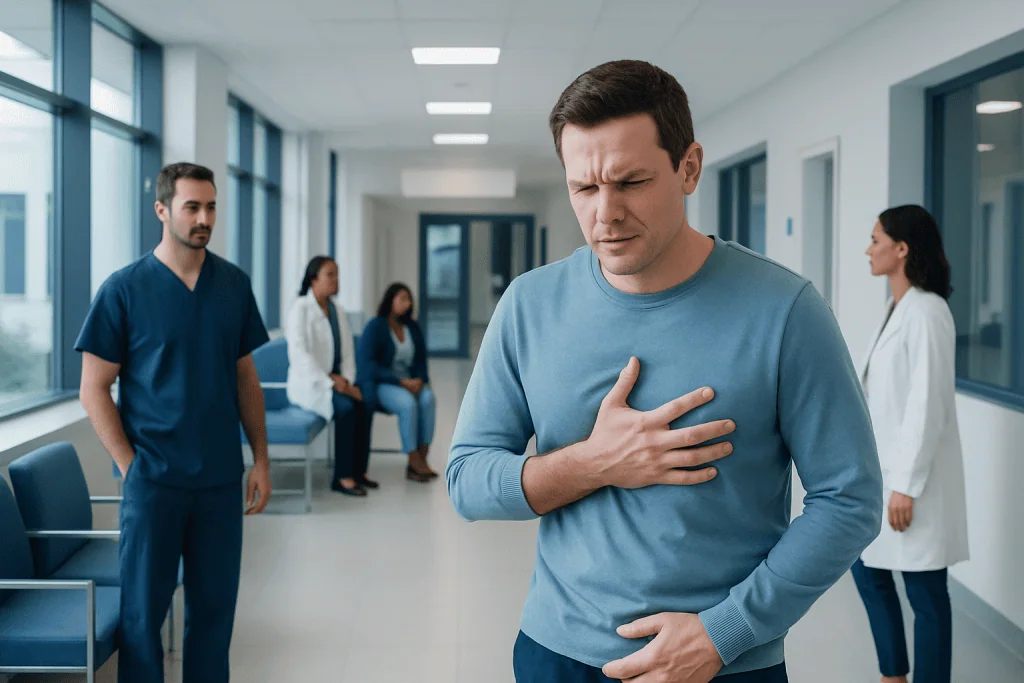
Intercostal muscle strain affects the muscles between the ribs and commonly causes localized chest wall pain. Pain often gets worse with deep breathing, twisting, coughing, sneezing, or reaching overhead.
Key Takeaways
- Intercostal muscle strain affects the muscles between the ribs and commonly causes localized chest wall pain.
- Pain often gets worse with deep breathing, twisting, coughing, sneezing, or reaching overhead.
- A medical evaluation is important when chest pain is severe, follows trauma, or may be related to the heart or lungs.
- Most mild to moderate strains improve with rest, cold or heat, gradual activity, and supportive pain relief.
- Recovery time varies with severity, age, overall health, and whether the chest wall keeps being irritated by coughing or overuse.
Intercostal muscle strain is an injury to the muscles between the ribs, usually caused by overstretching, sudden twisting, heavy lifting, or repeated coughing. It commonly leads to sharp or aching chest wall pain that worsens with movement, deep breathing, or coughing, and most cases improve with conservative care.
What Is Intercostal Muscle Strain?
Intercostal muscle strain is a stretching or tearing injury in one or more of the muscles that run between the ribs. These muscles help stabilize the chest wall and assist with breathing, twisting the trunk, and upper body movement. When they are overloaded or suddenly forced beyond their normal range, pain can develop in the rib area or side of the chest.
People often describe this problem as a pulled rib muscle or pain “between the ribs.” The discomfort may start suddenly after a cough, twist, workout, or lifting effort, or it may build gradually with repeated strain. Because the chest contains important organs, symptoms should be assessed carefully so that a muscle injury is not mistaken for a heart, lung, or rib problem.
An intercostal muscle strain is usually a musculoskeletal injury, not a disease of the lungs or heart. Even so, chest pain should never be ignored. A clinician can help confirm whether the pain comes from the chest wall, a rib injury, or another condition that needs different care.
How the Injury Happens in Daily Life
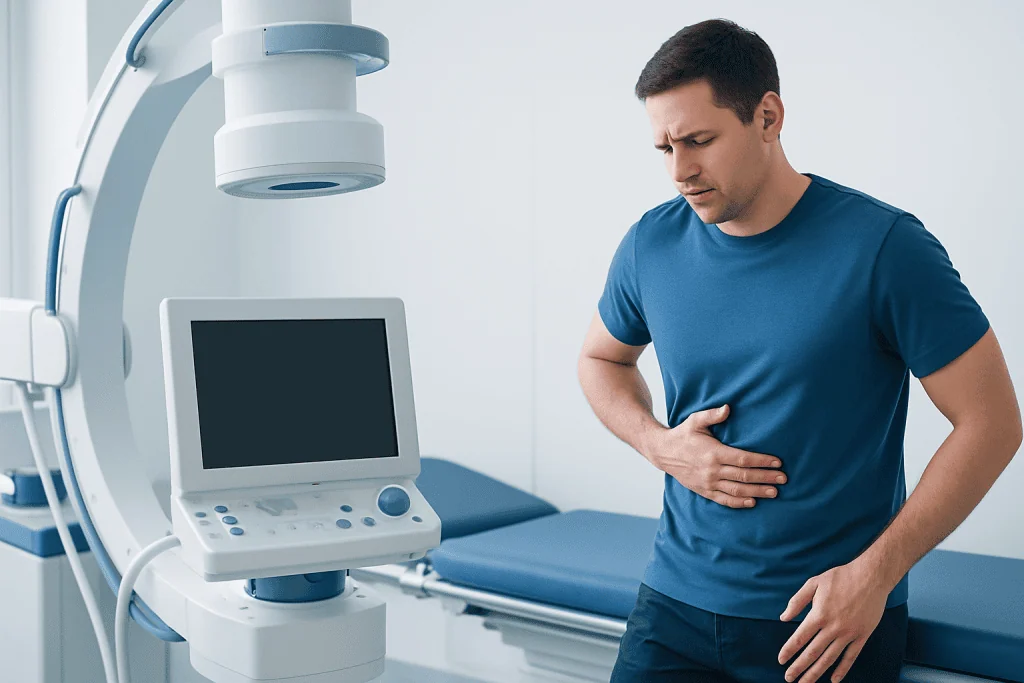
The intercostal muscles work every time a person breathes, coughs, sneezes, reaches, rotates the trunk, or uses the arms forcefully. This is why intercostal muscle strain can develop during both sports and ordinary activities. A sudden movement may cause an acute strain, while repeated stress can lead to overuse-related pain and small muscle fiber injury.
Common scenarios include lifting a heavy object with poor body mechanics, forceful rowing or golf swings, intense upper body exercise, repetitive overhead work, and strong or prolonged coughing. Athletes may develop pain after sudden torso rotation, while non-athletes may notice symptoms after moving furniture, shoveling, or even sleeping in an awkward position.
Some people feel a sharp pain at the moment of injury, while others notice soreness that increases over several hours. The location is often quite specific, and many patients can point to one tender area along the rib cage. Pain that is reproducible when pressing the area or moving the trunk often suggests a chest wall source.
Symptoms and What They Feel Like

Intercostal muscle strain symptoms usually include pain along the ribs, side of the chest, or upper abdomen. The pain may be sharp, stabbing, aching, or tight. It often becomes more noticeable with deep breathing, coughing, sneezing, laughing, twisting, bending, reaching, or getting out of bed.
Other features can include muscle tenderness, stiffness, swelling, bruising, or a feeling of spasm in the chest wall. Some people notice that the discomfort is worse during certain movements but settles somewhat at rest. Others may guard the area and take shallower breaths because deep breaths trigger pain.
Symptoms can vary by severity. A mild strain may cause soreness but allow normal activity, while a moderate or severe strain can make breathing and movement uncomfortable enough to disrupt sleep or daily tasks. If symptoms follow a direct blow or major fall, a clinician may also consider a rib injury such as rib fracture in the evaluation.
- Localized pain between or around the ribs
- Pain that worsens with coughing, sneezing, or deep inhalation
- Tenderness when the area is pressed
- Discomfort with twisting, lifting, or overhead reaching
- Occasional swelling, bruising, or muscle spasm
Causes, Risk Factors, and Similar Conditions
The most common cause of intercostal muscle strain is mechanical stress on the chest wall. This may come from a single sudden movement or from repeated minor stress over time. Vigorous exercise, sports involving rotation, heavy lifting, prolonged coughing, and poor posture during repetitive work can all contribute.
Risk factors include weak core or upper body support, starting a new activity too quickly, inadequate warm-up, reduced flexibility, previous chest wall injury, and respiratory infections that lead to repeated coughing. Older adults may be more vulnerable to strains because tissues can become less flexible with age, and recovery may take longer.
Several conditions can feel similar, which is why chest pain deserves thoughtful assessment. These include bruised or fractured ribs, costochondritis, muscle spasm, pleuritic pain, pneumonia, and heart-related causes of chest pain. In some cases, imaging or further examination is needed to distinguish a muscle strain from conditions such as pneumonia or other causes of chest pain.
How Doctors Diagnose Intercostal Muscle Strain
Diagnosis begins with a medical history and physical examination. A doctor usually asks when the pain started, what movement or illness came before it, whether there was trauma, and what makes the pain better or worse. The pattern of pain matters: chest wall pain often becomes more obvious with movement, pressure on the area, or certain breathing motions.
During the examination, the clinician may gently press along the ribs, assess breathing, and observe whether twisting, reaching, or coughing reproduces the symptoms. This can help identify whether the source is likely muscular. The doctor will also look for signs that suggest a rib fracture, lung condition, or cardiac cause.
Not every patient needs imaging. However, tests may be recommended when symptoms are severe, the injury followed trauma, breathing is difficult, fever is present, or the diagnosis is uncertain. Depending on the situation, the care team may use X-ray or MRI to evaluate the ribs, soft tissues, or nearby structures and rule out other problems.
Treatment Options and Recovery
Most cases of intercostal muscle strain improve with conservative treatment. The main goals are to reduce pain, allow the muscle fibers to heal, maintain comfortable breathing, and prevent reinjury. Early care often includes relative rest, avoiding movements that trigger sharp pain, and using cold packs for short periods during the first day or two. After the initial phase, some people find warmth helpful for stiffness.
Doctors may recommend supportive pain relief, but the best choice depends on a person’s age, medical history, and other medicines. Gentle movement is usually better than complete immobilization, as long as it does not worsen symptoms. Taking very shallow breaths for long periods is not ideal, so it is helpful to continue calm, comfortable breathing unless instructed otherwise by a clinician.
If pain persists, targeted rehabilitation may help restore mobility and strength. A doctor may advise physical therapy and rehabilitation to improve posture, trunk mechanics, breathing pattern, and gradual return to activity. Recovery can take days to weeks for mild injuries and longer for more significant strains, especially when coughing or repetitive strain continues.
- Relative rest from painful activities
- Cold packs early, then heat if advised for stiffness
- Gradual return to normal movement
- Attention to posture and body mechanics
- Medical follow-up if pain is not improving
Prevention, Self-care, and When to Seek Medical Care
Prevention focuses on reducing sudden overload of the chest wall. Warm-up before sports, increase exercise intensity gradually, use proper lifting technique, and strengthen the core and upper back. Managing cough promptly, improving workstation posture, and taking breaks from repetitive upper body tasks may also reduce risk.
At home, self-care includes resting from aggravating movements, supporting the area when coughing if advised, and resuming activity in stages rather than rushing back to exercise. It is wise to avoid heavy lifting or forceful twisting until pain improves. If symptoms are frequent or keep returning, a medical review can help identify movement patterns or underlying issues that need attention.
Medical care should be sought promptly if chest pain is sudden, severe, associated with shortness of breath, fainting, dizziness, fever, bluish lips, or pain spreading to the arm, jaw, or back. An urgent assessment is also important after a fall, sports collision, or other trauma, and when a person cannot take a normal breath because of pain. Near the end of evaluation or recovery, some patients may benefit from specialist care; Acibadem International’s multidisciplinary specialists and JCI-accredited hospitals diagnose and treat chest wall and musculoskeletal conditions for international patients.
Frequently asked questions
How long does an intercostal muscle strain take to heal?
Healing time depends on how severe the strain is and whether the area keeps being stressed by coughing, exercise, or repetitive movement. Mild strains may improve within a couple of weeks, while more significant injuries can take several weeks or longer. If pain is not steadily improving, a doctor should reassess the diagnosis.
Can intercostal muscle strain cause pain when breathing?
Yes. The intercostal muscles are involved in chest wall movement during breathing, so deep inhalation often makes the pain more noticeable. However, chest pain with breathing can also happen with lung or rib conditions, so persistent or severe symptoms need medical evaluation.
Is intercostal muscle strain dangerous?
The strain itself is usually not dangerous and often improves with conservative treatment. The main concern is that chest pain can have many causes, including some that are more serious. That is why new, severe, or unexplained chest pain should be assessed by a qualified clinician.
What is the difference between intercostal muscle strain and a rib fracture?
An intercostal muscle strain is an injury to the soft tissue between the ribs, while a rib fracture is a crack or break in the bone. Both can cause pain with movement and breathing, and the symptoms may overlap. A clinician may recommend imaging if trauma occurred or if the diagnosis is unclear.
Should a person exercise with an intercostal muscle strain?
Strenuous activity that worsens pain should usually be avoided during the early phase of recovery. Gentle movement and light daily activity are often acceptable if they do not trigger sharp symptoms. Returning to sports or lifting should be gradual and ideally guided by a doctor or therapist when pain has clearly improved.
Can coughing cause an intercostal muscle strain?
Yes. Repeated, forceful, or prolonged coughing can overload the muscles between the ribs and lead to a strain, especially if the tissues are already irritated. Treating the underlying cough and allowing the chest wall to recover are both important.
References
- American Academy of Orthopaedic Surgeons
- Cleveland Clinic
- Mayo Clinic
- National Health Service
- MedlinePlus
This article is for general information only and is not a substitute for professional medical advice. Please consult a qualified doctor about your individual situation.
Explore treatments in Turkey — costs, top hospitals & a free quote
JCI-accredited · board-certified surgeons · reply within 24h
Add us as a Preferred Source to see more of our trusted health content across Google Search, AI Overviews and Discover.

More from the Health Library

PTSD: A Complete Medical Overview

Pvd Medical Abbreviation: What Patients Need to Know

Blood clot in neck: Symptoms, Causes, and Treatment — Complete Patient Guide

Fibrinogen: An Evidence-Based Guide for Patients

Flat Feet: An Evidence-Based Guide for Patients

White Vinegar — Explained by Medical Evidence, Not Myths
Orthopedic Surgery & Traumatology Specialists at Acibadem

Prof. Dr. Alper Kaya
Orthopedic Surgery & Traumatology
Fzt. Alperen Mustafa Oğuz
Physical Medicine & Rehabilitation
Assoc. Prof. Dr. Altuğ Yücekul
Orthopedic Surgery & Traumatology
Prof. Dr. Arel Gereli
Orthopedic Surgery & Traumatology