Spots on Vagina Lips — Explained by Medical Evidence, Not Myths

Many spots on the labia are benign and may be caused by shaving, friction, cysts, or normal anatomy. Pain, itching, ulceration, discharge, bleeding, or rapid change are signs that medical assessment is important.
Key Takeaways
- Many spots on the labia are benign and may be caused by shaving, friction, cysts, or normal anatomy.
- Pain, itching, ulceration, discharge, bleeding, or rapid change are signs that medical assessment is important.
- Sexually transmitted infections are one possible cause, but not every vulvar spot is an STI.
- Diagnosis is usually based on history and examination, with swabs, blood tests, or biopsy used only when needed.
- Avoid squeezing, picking, or using harsh products on vulvar skin, as this can worsen irritation.
- Treatment depends on the cause and may include simple skin care, medicines, drainage, or specialist follow-up.
Spots on vag lips can have many causes, and many are harmless, including ingrown hairs, blocked glands, irritation, or normal skin variations. Still, new, painful, itchy, spreading, or persistent spots should be assessed by a qualified doctor to rule out infection, inflammatory skin conditions, or less common serious causes.
What spots on vag lips usually mean
Spots on vag lips usually refer to bumps, pimples, blisters, cysts, patches, or small areas of color change on the labia, which are the outer and inner folds of skin around the vaginal opening. In many cases, these spots are not dangerous. They may be related to shaving, friction, blocked oil glands, ingrown hairs, or normal variations in vulvar skin.
At the same time, the vulva can be affected by infections, inflammatory skin conditions, and, less commonly, precancerous or cancerous changes. The appearance alone does not always show the exact cause. A spot may be white, red, skin-colored, dark, fluid-filled, tender, itchy, or completely symptom-free, and each pattern suggests a different possibility.
Because the area is sensitive, people often worry that any bump must be a sexually transmitted infection. Medical evidence shows that this is not always the case. A careful review of symptoms, recent hair removal, skin products, sexual history, and how long the spot has been present can help clarify what is most likely.
Common causes, from harmless to more important
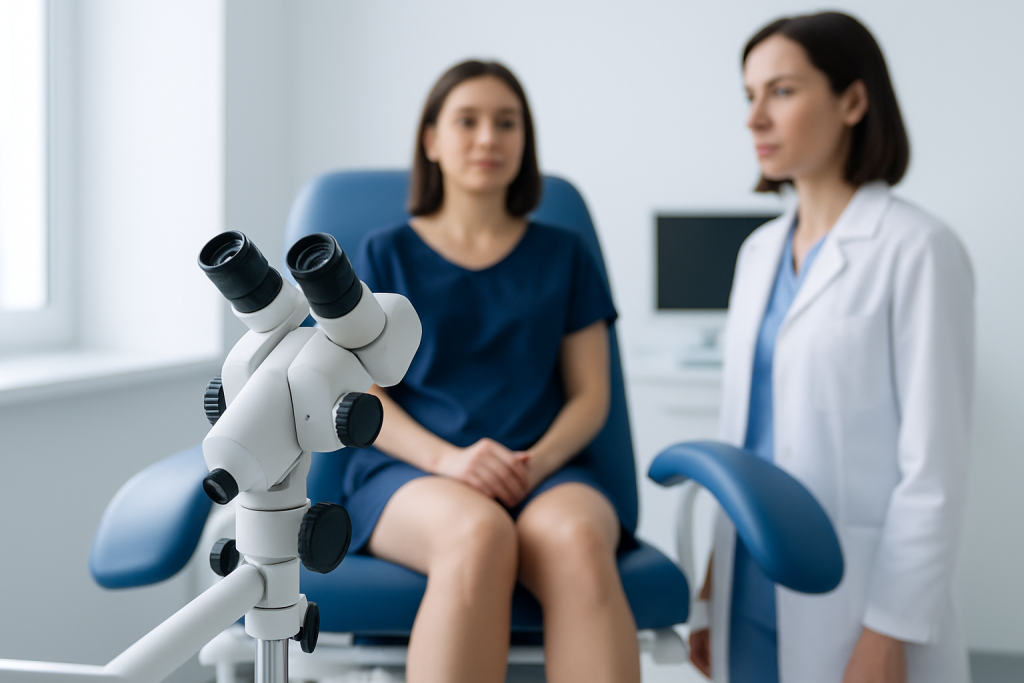
Several non-serious conditions can cause spots on the labia. Ingrown hairs are especially common after shaving, waxing, or friction from tight clothing. They often look like small red or skin-colored bumps and may become tender if inflamed. Blocked glands, including sebaceous cysts or Bartholin gland cysts, can also create a round lump near the vaginal opening. Fordyce spots, which are visible oil glands, are another normal finding in some people.
Irritation and inflammation are also frequent causes. Contact dermatitis can happen after exposure to scented soaps, wipes, pads, lubricants, detergents, or panty liners. This may lead to red patches, tiny bumps, burning, or itching. Skin conditions such as eczema, psoriasis, or lichen sclerosus may affect the vulva and sometimes produce pale areas, thickened skin, fissures, or persistent discomfort.
Infectious causes are also possible. Yeast overgrowth can cause itching, redness, and small irritated bumps. Bacterial infections around hair follicles may cause folliculitis, which resembles acne. Viral infections such as genital herpes can cause painful blisters or ulcers, while human papillomavirus can cause genital warts. Molluscum contagiosum may appear as small, smooth, dome-shaped bumps.
Less commonly, vulvar spots may reflect precancerous changes or vulvar cancer, especially if they persist, ulcerate, bleed, darken, or change shape. This is not the most common explanation, but it is one reason persistent or unusual lesions should not be ignored.
How symptoms and appearance can offer clues
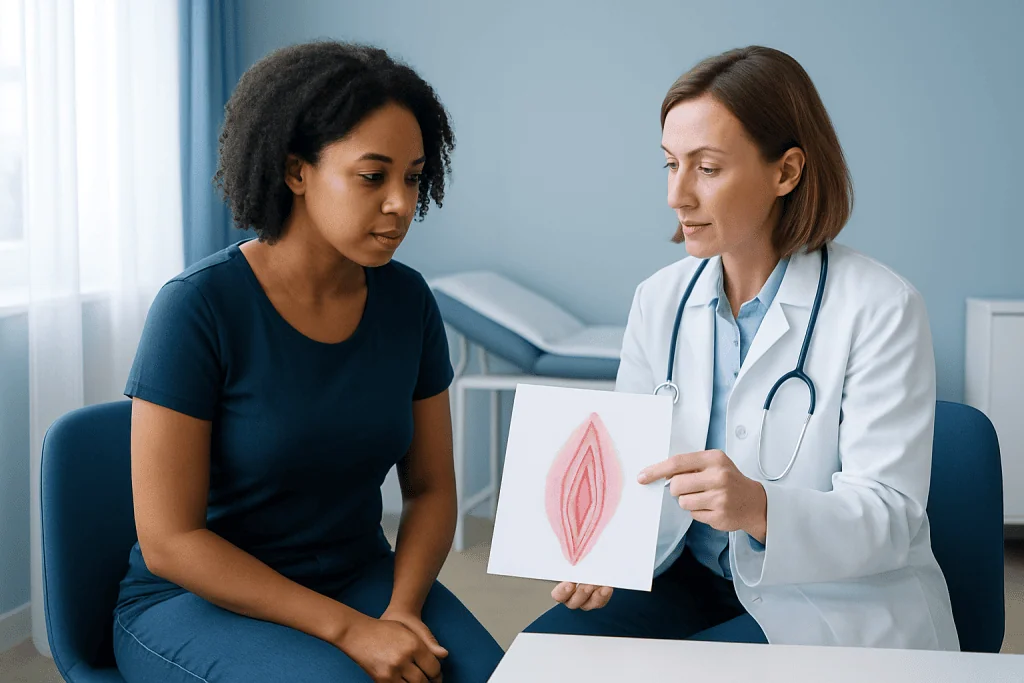
The pattern of symptoms can help guide next steps. Painful blisters or open sores raise concern for herpes or another ulcerative condition, while intense itching may be more typical of eczema, yeast irritation, or lichen sclerosus. A tender lump on one side near the vaginal opening can suggest a Bartholin gland problem. Small bumps after shaving are more consistent with folliculitis or ingrown hairs.
Color and texture can also matter. White or pale patches may be linked to inflammatory skin disease. Skin-colored or yellow-white pinpoint spots may be normal Fordyce spots. Wart-like, rough, or cauliflower-textured growths suggest genital warts. Dark or pigmented spots are often benign, but any new or changing pigmented lesion deserves medical review because vulvar melanoma, while rare, can occur.
Other symptoms are especially helpful to mention to a doctor. These include vaginal discharge, fever, swollen groin lymph nodes, bleeding, burning with urination, pain during sex, or a spot that keeps returning in the same place. It is also important whether the lesion is single or multiple, how long it has lasted, and whether it is getting larger.
- More often benign: small stable bumps, shaving-related spots, visible oil glands, mild friction irritation
- Needs prompt review: painful ulcers, rapidly enlarging lumps, persistent itching, bleeding, or color change
- Needs urgent review: fever, spreading redness, severe pain, abscess-like swelling, or inability to pass urine comfortably
How doctors diagnose the cause
Diagnosis starts with a medical history and physical examination of the vulva. A doctor may ask when the spot appeared, whether it hurts or itches, whether there was recent shaving or waxing, whether new skin products were used, and whether there has been any sexual exposure that could raise concern for an STI. These questions help narrow the possibilities without assuming one cause.
In many cases, the examination alone is enough to identify common problems such as folliculitis, contact irritation, a cyst, or genital warts. If an infection is suspected, the doctor may recommend swab tests, vaginal testing, or blood tests depending on the symptoms. A urine test may also be useful if there is burning with urination.
If a lesion is unusual, persistent, pigmented, thickened, ulcerated, or not responding to treatment, a biopsy may be advised. This means taking a very small tissue sample to examine under a microscope. Biopsy is an important tool for ruling out precancerous change, vulvar cancer, or specific inflammatory skin disorders. When needed, patients may be referred for gynecologic evaluation or support from dermatology care.
Treatment depends on the underlying cause
There is no single treatment for spots on vag lips because the correct approach depends entirely on the diagnosis. Ingrown hairs and mild folliculitis may improve with gentle skin care, avoiding shaving for a time, wearing loose cotton underwear, and keeping the area dry. Contact irritation is usually managed by stopping the trigger product and using mild, fragrance-free cleansing only.
If the cause is infectious, treatment may include antiviral medicine for herpes, antifungal treatment for yeast, or antibiotics for bacterial infection when a doctor considers them appropriate. Genital warts may be treated with prescription topical therapies or office-based procedures. Painful or infected cysts may need drainage, while some simple cysts only require observation. Persistent vulvar skin disease may benefit from specialist-guided topical treatment and regular follow-up.
When a more significant lesion is suspected, further investigation and targeted treatment are necessary. This may involve colposcopy and close examination of the vulvar and cervical area, or a minor procedure to remove or biopsy tissue. If testing shows a more serious condition, management is tailored to the exact diagnosis and may involve a gynecologist, dermatologist, or oncologic specialist.
It is best not to self-treat with harsh antiseptics, acne products, steroid creams, or leftover medications without medical advice. Vulvar skin is delicate, and the wrong product can cause burning, mask important symptoms, or delay proper diagnosis.
Self-care, prevention, and what not to do
Good vulvar skin care can reduce irritation and help some benign spots heal. Washing with lukewarm water or a gentle, fragrance-free cleanser is usually enough. Tight synthetic clothing, prolonged moisture, and repeated friction can worsen inflammation, so breathable underwear and changing out of sweaty clothing may help. If shaving is a trigger, trimming instead of close shaving may reduce ingrown hairs.
Sexual health measures are also relevant. Barrier protection can reduce the risk of some sexually transmitted infections, though it does not prevent all skin-to-skin transmission. Routine gynecologic care and evaluation of unusual symptoms remain important. People with recurring lesions or uncertain diagnosis may benefit from assessment in clinics experienced in obstetrics and gynecology.
Some practical steps are especially useful:
- Avoid picking, squeezing, or popping bumps
- Do not use perfumed sprays, douches, or harsh wipes on the vulva
- Use a clean razor and shave in the direction of hair growth if shaving is chosen
- Seek testing if there is concern for an STI exposure
- Keep track of whether a spot changes size, color, pain level, or number over time
If symptoms continue despite careful self-care, medical review is the safest next step. Near the end of the care pathway, patients who need specialist assessment may also be seen at Acibadem International, where multidisciplinary specialists in JCI-accredited hospitals diagnose and treat vulvar and gynecologic conditions for international patients.
When to seek medical care
Medical care should be sought if a spot on the labia is painful, keeps coming back, lasts more than a few weeks, or is associated with itching, burning, discharge, fever, or swollen lymph nodes. It is also important to be assessed if the spot becomes an open sore, starts bleeding, rapidly changes in color or size, or appears after a new sexual contact.
Prompt review is especially important during pregnancy, in people with diabetes or weakened immunity, or when there is a history of vulvar skin disease. Any persistent white patch, dark lesion, wart-like growth, or unexplained lump deserves professional evaluation, even if it is not painful. Early assessment can both reassure when the cause is harmless and help detect conditions that need treatment.
Emergency care may be needed if there is severe swelling, spreading redness, high fever, intense pain, or difficulty urinating. These features can suggest an abscess or a more significant infection that should not wait.
Frequently asked questions
Are spots on vag lips usually normal?
Many are harmless and may be caused by ingrown hairs, blocked glands, friction, or normal visible oil glands. However, not every spot is normal, so persistent, painful, itchy, or changing lesions should be checked by a doctor.
Do spots on vag lips always mean an STI?
No. Sexually transmitted infections are only one possible explanation, and many vulvar spots are unrelated to sexual activity. Shaving irritation, cysts, dermatitis, yeast irritation, and skin conditions are also common causes.
What do herpes spots on the labia usually look like?
Genital herpes often causes painful grouped blisters or shallow sores, sometimes with burning, tingling, or flu-like symptoms during a first outbreak. Still, appearance alone is not enough for diagnosis, and testing may be needed.
Can I pop or squeeze a bump on my vaginal lips?
It is best not to. Squeezing can worsen inflammation, introduce infection, and make the area more painful. It may also change the appearance and make diagnosis harder.
How long should I wait before seeing a doctor?
A short-lived shaving bump may settle with gentle care in several days, but any spot lasting more than a few weeks should be assessed. Earlier review is wise if there is pain, itching, ulceration, discharge, fever, or fast change.
Can vulvar cancer start as a spot or patch?
Yes, although this is uncommon. Vulvar cancer or precancerous change can appear as a persistent lump, ulcer, thickened area, or patch that changes color, bleeds, or does not heal. This is why ongoing or unusual lesions should be evaluated.
References
- American College of Obstetricians and Gynecologists
- Centers for Disease Control and Prevention
- National Health Service
- American Academy of Dermatology
- Mayo Clinic
This article is for general information only and is not a substitute for professional medical advice. Please consult a qualified doctor about your individual situation.
Hair transplant in Turkey — costs, graft counts & a free assessment
JCI-accredited · board-certified surgeons · reply within 24h
Add us as a Preferred Source to see more of our trusted health content across Google Search, AI Overviews and Discover.