Left Side Pain Explained: Common Triggers and Red Flags
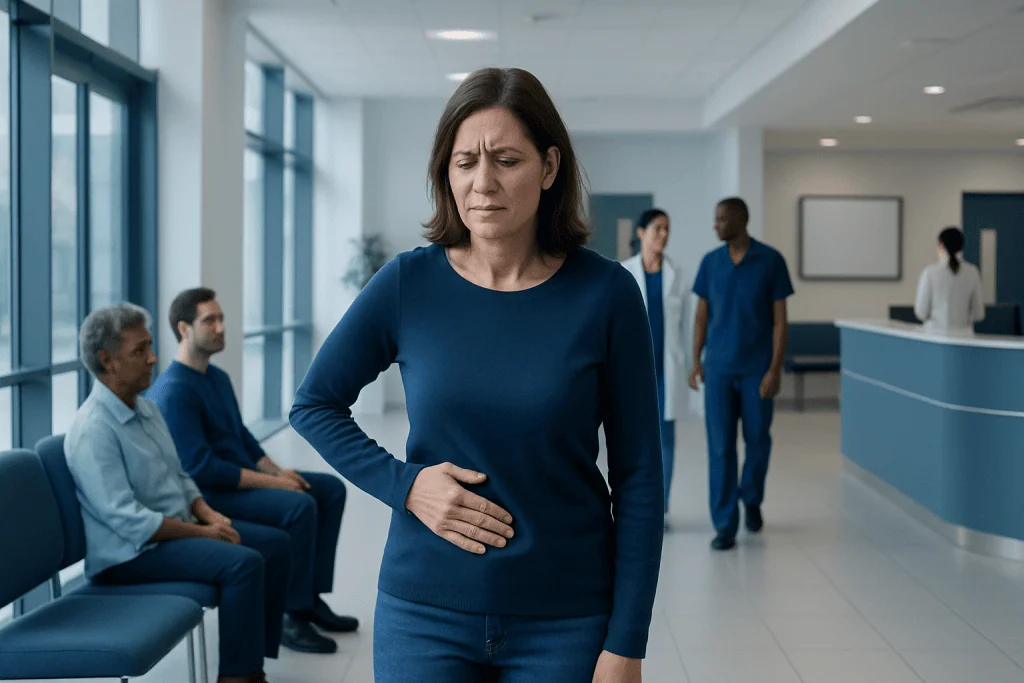
Left side pain has many possible causes, ranging from muscle strain and gas to kidney stones, infection, or heart-related problems. The exact location matters: pain in the chest, upper abdomen, lower abdomen, flank, or back can point to different organs.
Key Takeaways
- Left side pain has many possible causes, ranging from muscle strain and gas to kidney stones, infection, or heart-related problems.
- The exact location matters: pain in the chest, upper abdomen, lower abdomen, flank, or back can point to different organs.
- Red flags include severe or sudden pain, trouble breathing, fainting, chest pressure, blood in urine or stool, and fever with worsening symptoms.
- Doctors usually diagnose the cause with a history, physical exam, and sometimes blood tests, urine tests, ultrasound, X-ray, CT, or ECG.
- Self-care may help mild muscular or digestive causes, but persistent, unexplained, or intense pain should be assessed by a qualified doctor.
Left side pain is a symptom, not a diagnosis, and it can start in the muscles, ribs, stomach, bowel, kidneys, lungs, spleen, or sometimes the heart. The most helpful clues are where the pain is felt, how suddenly it started, and whether it comes with symptoms such as fever, vomiting, shortness of breath, urinary changes, or chest pressure.
Overview: What Left Side Pain Can Mean
Left side pain is a common symptom with many possible explanations. In some people, it is related to a strained muscle, trapped gas, constipation, or irritation in the ribs or spine. In others, it may come from the stomach, intestines, kidney, spleen, lung, or, less commonly, the heart. Because several body systems sit on the left side, the location and pattern of pain are important clues.
Doctors usually think about left side pain by dividing it into areas: left chest, left upper abdomen, left lower abdomen, flank, or back. A sharp pain after exercise may suggest a muscle problem, while cramping with bowel changes can point to the digestive tract. Pain that comes in waves may suggest a stone in the urinary tract, while pressure in the chest with breathlessness needs urgent attention.
The symptom is often not dangerous, but it should not be ignored if it is severe, persistent, or accompanied by warning signs. A careful medical assessment can help separate common, self-limited causes from conditions that need prompt treatment.
How the Location Helps Identify the Cause
The exact spot where pain is felt can narrow the possibilities. Left chest pain may come from the chest wall, lung lining, or heart. Left upper abdominal pain may involve the stomach, pancreas, spleen, or colon. Pain along the side between the ribs and hip, often called flank pain, commonly raises concern for the kidney or ureter.
Left lower abdominal pain often relates to the colon, especially in adults with constipation, bowel spasm, or inflammation. In women, the ovaries and fallopian tubes can also cause pain in this area. In both men and women, a hernia, muscle strain, or referred pain from the back can also be responsible.
The character of pain also matters. Burning pain may suggest irritation of nerves or the digestive tract, cramping may point to bowel or urinary causes, and stabbing pain that worsens with movement may reflect the muscles or rib joints. Constant, deep, or worsening pain deserves closer evaluation, especially when everyday activities become difficult.
- Chest or upper left side: muscle strain, rib injury, pleurisy, pneumonia, heart-related causes
- Upper abdomen: gastritis, stomach ulcer, splenic problems, pancreatitis
- Flank: kidney stone, kidney infection, muscle strain
- Lower abdomen: constipation, diverticular disease, bowel inflammation, gynecologic causes
- Back and side together: spine, nerves, kidney, or muscle-related pain
Common Triggers and Everyday Causes
Many episodes of left side pain are linked to ordinary, non-emergency causes. Muscle strain is one of the most frequent triggers, especially after lifting, coughing, exercise, or sleeping in an awkward position. The pain may increase when turning, reaching, or pressing the tender area. Rib cartilage irritation and minor injuries can feel sharp and localized as well.
Digestive causes are also common. Gas, bloating, indigestion, constipation, and bowel spasm can all produce discomfort on the left side. Some people notice pain after heavy meals or alongside nausea, belching, or a change in bowel habits. In certain cases, inflammation of small pouches in the colon can cause lower left abdominal pain, especially in older adults; related information may be found in diverticulitis.
Urinary causes often produce flank pain. A kidney stone may cause severe pain that comes in waves and can move toward the groin, sometimes with nausea or blood in the urine. A kidney infection may cause side pain with fever, burning during urination, or urinary urgency. Broader kidney-related conditions are discussed on kidney diseases.
Other possible triggers include menstrual pain, ovarian cysts, endometriosis, shingles before a rash appears, and nerve irritation from the spine. In some people, stress can increase body tension and make harmless pain feel more noticeable, but stress alone should not be assumed until other causes are considered.
Red Flags: Symptoms That Need Prompt Attention
Some patterns of left side pain need urgent medical evaluation because they may signal a more serious problem. Chest pressure, tightness, pain spreading to the arm, jaw, or back, or pain with shortness of breath, sweating, nausea, or fainting can be related to the heart. Although heart pain is often central, it may be felt more on the left side and should never be dismissed.
Severe abdominal or flank pain that starts suddenly, especially with fever, repeated vomiting, a swollen abdomen, or inability to pass urine or stool, also needs prompt care. Blood in the urine, black or bloody stools, or pain after an injury are additional warning signs. If pain follows a fall, sports impact, or road accident, internal injury may need to be excluded.
Breathing-related symptoms matter as well. Left-sided pain that becomes worse with deep breaths, or comes with cough, fever, or new shortness of breath, can happen with lung infections or irritation of the lung lining. In rare cases, a blood clot in the lung can cause sharp side pain and breathing difficulty. Rapid assessment is important if symptoms feel intense, unusual, or quickly progressive.
How Doctors Diagnose Left Side Pain
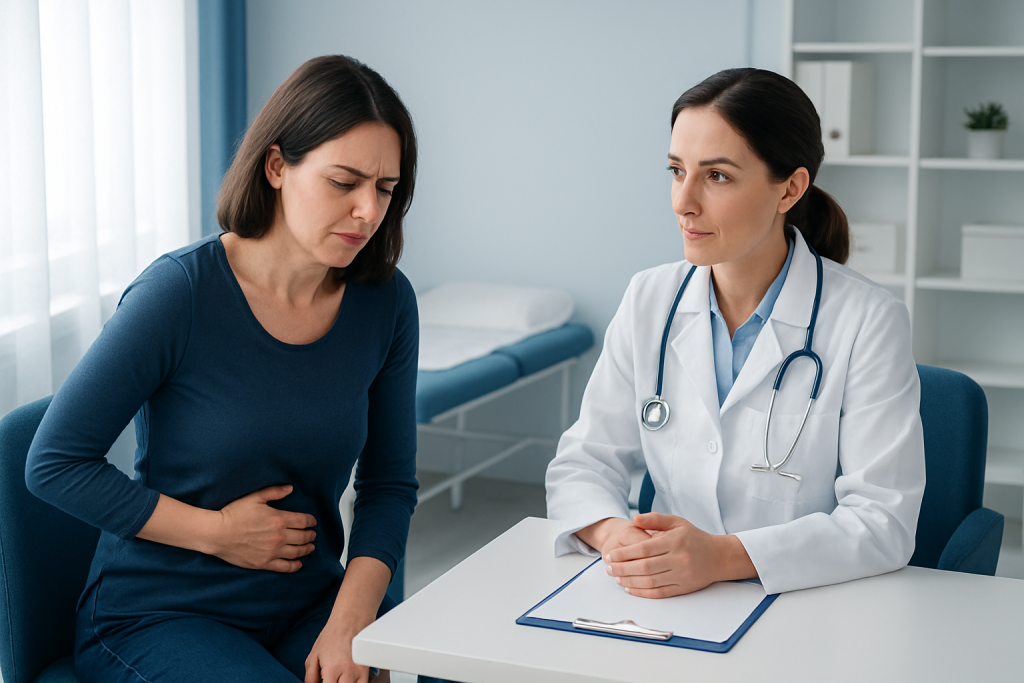
Diagnosis begins with a detailed history. A doctor will usually ask when the pain started, where it is strongest, whether it is sharp or dull, and what makes it better or worse. Associated symptoms such as fever, vomiting, diarrhea, constipation, urinary burning, breathlessness, or chest pressure help guide the next steps. Past medical conditions, medications, recent exercise, travel, and injury history can also be relevant.
The physical examination may include checking the abdomen for tenderness, listening to the lungs and heart, examining the back and ribs, and assessing movement. Doctors often look for signs of dehydration, infection, or guarding of the abdominal muscles. In women, menstrual and reproductive history may be important; in some cases, a pelvic assessment may be advised.
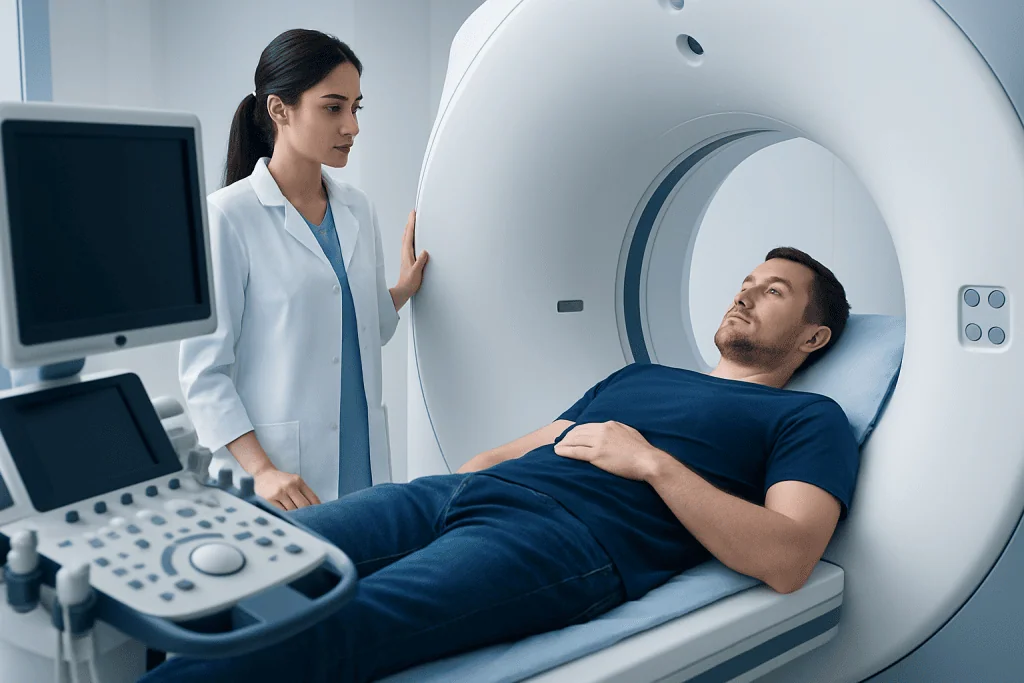
Tests depend on the suspected cause. A urine test may look for infection or blood from a stone. Blood tests can help assess inflammation, infection, anemia, kidney function, or pancreatic problems. Imaging such as ultrasound, X-ray, or CT may be used when doctors need a closer view of the kidneys, bowel, spleen, chest, or other organs. If chest or upper left pain raises concern for the heart, an ECG and cardiac blood tests may be recommended. Imaging and test planning may be part of broader diagnostic imaging evaluation.
Treatment Options Depend on the Cause
There is no single treatment for left side pain because the symptom can come from many different conditions. For muscle strain or mild chest wall pain, treatment often includes rest, gradual return to activity, gentle stretching as advised, and simple pain relief recommended by a clinician. Digestive causes may improve with hydration, dietary adjustments, treatment for constipation, or medicines for indigestion or bowel spasm when appropriate.
If a kidney stone is suspected, treatment depends on the stone’s size, location, and symptoms. Some stones pass with fluids, symptom control, and close follow-up, while others require medical procedures. Patients exploring options may be advised about kidney stone treatment if a stone is confirmed.
Infections such as pneumonia or kidney infection usually require medical treatment, often including prescription medicines and monitoring. Inflammatory bowel disease, pancreatitis, splenic disorders, or gynecologic causes need condition-specific care and sometimes hospital treatment. When bowel complications are suspected, doctors may also assess the need for gastroenterology treatment.
If the cause is heart-related, urgent treatment is essential. If pain is linked to lung conditions, care may range from antibiotics to other targeted therapies depending on the diagnosis. Because the treatment path can vary widely, self-diagnosis is not reliable when pain is severe, recurrent, or unexplained.
Self-Care and Prevention
Prevention depends on the underlying trigger, but a few practical habits can reduce common causes of left side pain. Regular movement, good lifting technique, stretching, and posture awareness may help lower the risk of muscular pain. Staying hydrated can support kidney and digestive health, and a balanced diet with enough fiber may help prevent constipation and some bowel-related discomfort.
People who notice symptoms after certain meals may benefit from keeping a simple food and symptom diary. Eating more slowly, limiting very heavy meals, and avoiding foods that clearly worsen bloating or indigestion can be helpful. Those prone to kidney stones may be advised by their doctor about fluid intake and dietary changes based on the type of stone.
It is also sensible to manage long-term conditions such as high blood pressure, diabetes, acid reflux, or inflammatory bowel disease with regular follow-up. Vaccination, smoking avoidance, and timely treatment of respiratory infections can reduce some lung-related causes of side pain. Self-care is most appropriate when symptoms are mild and familiar; it should not replace medical review when warning signs are present.
When to Seek Medical Care
Medical attention is recommended if left side pain is severe, lasts more than a short time, keeps returning, or interferes with normal daily activities. A doctor should also assess pain that comes with fever, vomiting, diarrhea that does not settle, painful urination, blood in the urine or stool, a new rash, or unexplained weight loss.
Urgent or emergency care is important for chest pressure, trouble breathing, fainting, sudden severe abdominal pain, or pain after a significant injury. Care is also needed if the abdomen becomes hard or swollen, or if a person cannot keep fluids down. These signs do not always mean a serious condition, but they should be evaluated promptly for safety.
For international patients needing assessment, Acibadem International’s multidisciplinary specialists in JCI-accredited hospitals evaluate and treat conditions that can cause left side pain, from digestive and kidney disorders to chest and abdominal emergencies. The right next step is a professional evaluation that matches the location, pattern, and associated symptoms.
Frequently asked questions
Is left side pain usually serious?
Not always. Left side pain is often caused by common problems such as muscle strain, gas, constipation, or a mild urinary issue. It becomes more concerning when it is severe, sudden, persistent, or linked to symptoms like fever, chest pressure, shortness of breath, or blood in the urine or stool.
What organ is on the left side that can cause pain?
Several organs can cause left side pain, depending on the exact area. These include the heart, left lung, stomach, spleen, pancreas, colon, left kidney, and in women, the left ovary and fallopian tube. Muscles, ribs, nerves, and the spine can also produce pain in the same region.
How can someone tell whether left side pain is muscular or internal?
Muscular pain often gets worse with movement, twisting, coughing, or pressing on the area, and it may follow exercise or lifting. Internal pain is more likely to come with symptoms such as nausea, fever, urinary changes, bowel changes, or shortness of breath. Because the difference is not always obvious, persistent or intense pain should be checked by a doctor.
Can gas cause pain on the left side?
Yes. Gas and bloating can cause discomfort or cramping anywhere in the abdomen, including the left side, especially near the upper or lower colon. This pain is usually temporary and may improve after passing gas or having a bowel movement, but ongoing pain should not be assumed to be gas without medical advice.
When should left side pain be treated as an emergency?
Emergency care is important if left side pain comes with chest pressure, trouble breathing, fainting, severe weakness, sudden intense abdominal pain, or signs of major injury. It is also urgent if there is repeated vomiting, a swollen rigid abdomen, or heavy bleeding. These symptoms need prompt assessment even if the cause turns out to be non-serious.
What tests might be done for left side pain?
Testing depends on the suspected cause and the location of the pain. A doctor may order urine tests, blood tests, an ECG, ultrasound, X-ray, or CT scan. Sometimes no imaging is needed if the history and examination clearly suggest a minor muscular or digestive cause.
References
- Mayo Clinic
- Cleveland Clinic
- National Institute of Diabetes and Digestive and Kidney Diseases
- National Health Service
- American College of Gastroenterology
This article is for general information only and is not a substitute for professional medical advice. Please consult a qualified doctor about your individual situation.
Persistent digestive symptoms? Get evaluated in Turkey
JCI-accredited · board-certified surgeons · reply within 24h
Add us as a Preferred Source to see more of our trusted health content across Google Search, AI Overviews and Discover.

More from the Health Library


Related Specialists

Prof. Dr. Özlem Er
Medical Oncology
Fzt. Sena Durmaz
Physical Medicine & Rehabilitation
İlayda Kurtuluş
Physical Medicine & Rehabilitation
Assoc. Prof. Dr. Ferda Çağavi
Neurosurgery