Lung Disease: Symptoms, Causes, and Treatment Options
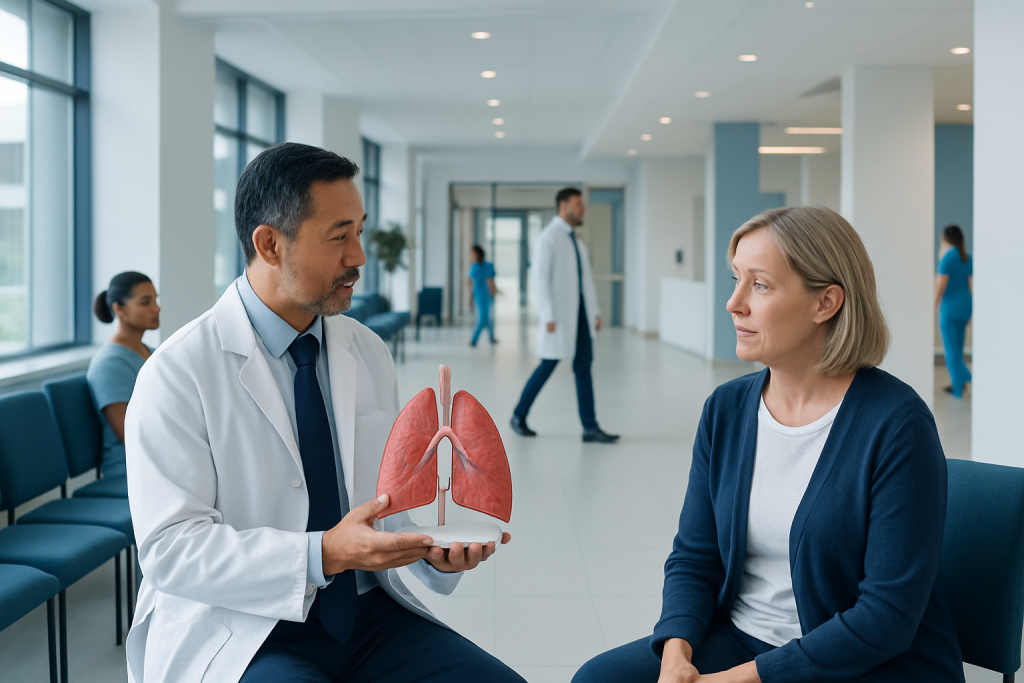
Lung disease includes many conditions, such as asthma, COPD, pneumonia, interstitial lung disease, and pulmonary embolism. Common symptoms include ongoing cough, shortness of breath, wheezing, chest discomfort, and fatigue.
Key Takeaways
- Lung disease includes many conditions, such as asthma, COPD, pneumonia, interstitial lung disease, and pulmonary embolism.
- Common symptoms include ongoing cough, shortness of breath, wheezing, chest discomfort, and fatigue.
- Diagnosis often involves a medical history, lung function testing, imaging, and sometimes blood tests or bronchoscopy.
- Treatment varies by condition and may include inhalers, medicines, oxygen therapy, pulmonary rehabilitation, or procedures.
- Avoiding smoking, reducing exposure to irritants, staying vaccinated, and seeking timely medical care can help prevent complications.
Lung disease is a broad term for conditions that affect the airways, lung tissue, or blood vessels in the lungs, often causing cough, shortness of breath, chest tightness, or reduced exercise tolerance. Treatment depends on the cause, but early diagnosis, smoking avoidance, vaccinations, and specialist care can help protect lung function and improve quality of life.
Overview: What Is Lung Disease?
Lung disease refers to a wide range of conditions that interfere with normal breathing. Some diseases affect the airways, such as asthma and chronic obstructive pulmonary disease (COPD). Others affect the lung tissue itself, such as pneumonia or interstitial lung disease, while some involve the blood vessels in the lungs, such as <a href="https://acibademinternational.com/diseases/pulmonary-hypertension/”>pulmonary hypertension or pulmonary embolism.
Because the lungs supply oxygen to the body and remove carbon dioxide, even mild problems can affect daily life. A person may notice shortness of breath when walking, a cough that does not go away, wheezing, chest tightness, or reduced stamina. Symptoms can develop suddenly, as with an infection, or gradually over months or years.
Lung disease is not a single diagnosis. It is a broad description that includes common, treatable illnesses as well as chronic conditions that need long-term follow-up. Understanding the type of lung problem is important, because treatment for one condition may be very different from treatment for another.
How Lung Disease Affects the Body
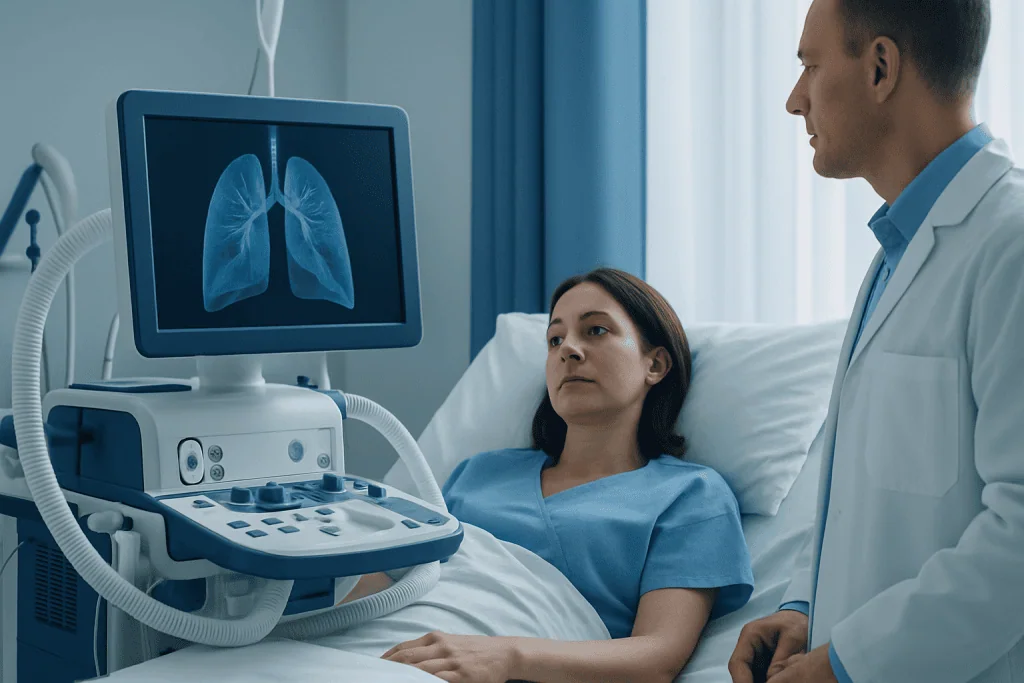
Breathing depends on several parts working together: the airways must stay open, the lung tissue must expand and exchange gases efficiently, and the circulation must carry oxygen throughout the body. Lung disease can disrupt any part of this process. For example, inflamed airways can narrow and make it hard to exhale, while scarring in the lungs can reduce oxygen transfer.
When oxygen levels fall or breathing becomes more difficult, the body has to work harder. This can lead to tiredness, sleep problems, reduced exercise tolerance, and strain on the heart over time. Some people also develop anxiety around breathing symptoms, especially if they experience sudden flare-ups.
This broad view helps explain why lung disease can feel different from one person to another. Two people may both say they have “lung disease,” yet one may mainly cough while the other becomes breathless climbing stairs. A careful evaluation is needed to identify the underlying cause and create the right treatment plan.
Symptoms and Warning Signs
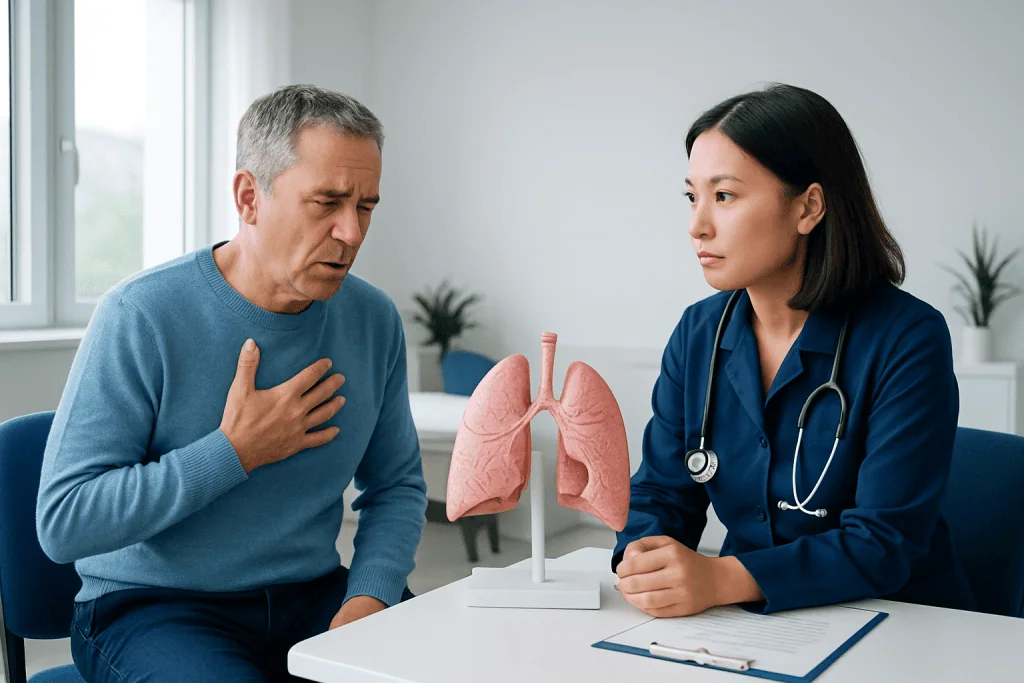
The symptoms of lung disease vary depending on which part of the respiratory system is involved. However, several warning signs are common across many conditions. These symptoms may come and go, stay mild for a long time, or worsen quickly.
- Persistent cough
- Shortness of breath during activity or at rest
- Wheezing or noisy breathing
- Chest tightness or discomfort
- Coughing up mucus or phlegm
- Fatigue or reduced ability to exercise
- Frequent chest infections
- Unexplained weight loss in some chronic or serious conditions
Some symptoms suggest a more urgent problem. These include bluish lips, severe shortness of breath, chest pain, confusion, coughing up blood, or a sudden drop in oxygen levels if home monitoring is used. These signs should not be ignored, as they may point to a severe infection, blood clot, or advanced breathing difficulty.
Long-standing symptoms are also important, even when they seem manageable. A chronic morning cough, repeated wheezing, or gradually increasing breathlessness may be early signs of conditions such as COPD, asthma, or interstitial lung disease. Early assessment can help preserve lung function and reduce the risk of complications.
Causes and Risk Factors
Lung disease can result from infections, inflammation, smoking, environmental exposures, autoimmune disorders, genetic conditions, or problems with blood flow in the lungs. In many cases, more than one factor plays a role. For example, a person with asthma may have symptoms triggered by allergies, pollution, and respiratory infections.
Smoking remains one of the most important preventable causes of chronic lung disease. It is strongly linked to chronic bronchitis, emphysema, and lung cancer, and it can also worsen asthma and increase the risk of infection. Exposure to secondhand smoke, air pollution, occupational dust, fumes, and chemicals can also damage the lungs over time.
Other risk factors include older age, a family history of respiratory illness, repeated lung infections, obesity, reflux disease, and immune system disorders. Some lung diseases develop after workplace exposure to silica, asbestos, coal dust, or other inhaled particles. In other cases, doctors may look for inflammatory or fibrotic conditions such as interstitial lung disease when symptoms and imaging suggest scarring or chronic inflammation.
Infections are another major cause. Viruses, bacteria, and fungi can lead to acute lung illness, especially in children, older adults, or people with weakened immunity. When symptoms follow a fever, chills, or sudden worsening cough, clinicians may evaluate for conditions such as pneumonia or other respiratory infections.
How Doctors Diagnose Lung Disease
Diagnosis begins with a detailed medical history and physical examination. A doctor will ask about symptoms, smoking history, work and environmental exposures, past infections, allergies, medication use, and any family history of lung or autoimmune disease. Listening to the lungs and checking oxygen levels can provide important early clues.
Tests are chosen based on the suspected condition. Common investigations include chest X-ray, chest CT, blood tests, sputum testing, and pulse oximetry. Lung function tests are especially useful because they show how well air moves in and out of the lungs and how effectively the lungs exchange gases.
One commonly used test is spirometry, which helps identify airflow obstruction or restriction. If a closer look inside the airways is needed, a specialist may recommend bronchoscopy to examine the breathing passages and collect samples. Some people also need exercise testing, allergy testing, echocardiography, or sleep studies if symptoms suggest overlapping conditions.
The goal of diagnosis is not only to name the disease but also to understand its severity, triggers, and effect on daily life. That information helps guide treatment and follow-up, especially for chronic conditions that can change over time.
Treatment Options for Lung Disease
Treatment depends on the exact diagnosis, symptom severity, and overall health of the patient. Some lung diseases are short-term and improve with treatment of the underlying cause, while others require long-term management. In general, treatment aims to reduce symptoms, improve breathing, prevent flare-ups, and protect lung function.
Medicines may include inhalers that open the airways, anti-inflammatory drugs, antibiotics for bacterial infections, or other targeted therapies depending on the disease. People with low oxygen levels may benefit from oxygen therapy, while those with mucus retention may need breathing exercises or airway clearance techniques. Pulmonary rehabilitation can also help by combining supervised exercise, breathing strategies, and education.
Some conditions need more specialized care. Interstitial, autoimmune, or vascular lung diseases may require advanced imaging, immunomodulating treatment, or coordinated care across pulmonology, cardiology, rheumatology, and rehabilitation teams. Procedures or hospital treatment may be needed during severe flare-ups or if there is significant breathing distress.
Near the end of the care pathway, some patients also benefit from education about symptom monitoring, inhaler technique, vaccination planning, and flare-up prevention. For international patients who need coordinated respiratory care, Acibadem International’s multidisciplinary specialists in JCI-accredited hospitals diagnose and treat a wide range of lung conditions.
Prevention and Self-care
Not every lung disease can be prevented, but many risks can be reduced. Avoiding smoking is one of the most effective ways to protect the lungs. People who smoke can benefit from professional support to quit, and avoiding secondhand smoke is also important for children and adults with chronic respiratory conditions.
Vaccination helps lower the risk of infections that can affect the lungs or worsen existing disease. Depending on age and medical history, doctors may recommend influenza, pneumococcal, and other routine vaccines. Good hand hygiene, avoiding close contact with people who are sick, and wearing appropriate protective equipment in dusty or chemical-heavy workplaces can also reduce risk.
Self-care matters after diagnosis as well. Taking medicines as prescribed, using inhalers correctly, staying physically active within safe limits, maintaining a healthy weight, and managing conditions such as reflux or allergies can all support breathing. Patients with chronic disease should also understand their action plan for worsening symptoms and know when to contact a doctor.
When to Seek Medical Care
Medical care is important if cough, wheezing, or shortness of breath lasts more than a few weeks, keeps returning, or starts to interfere with daily activities. A person should also arrange a medical review if they have chest infections repeatedly, wake at night due to breathing problems, or notice reduced exercise tolerance without a clear reason.
Urgent medical attention is needed for severe breathlessness, chest pain, confusion, blue lips or fingertips, coughing up blood, or symptoms that worsen rapidly. These signs can point to a serious problem and should be assessed promptly.
People who already have a chronic lung condition should seek advice early if their usual treatment is no longer working, they need their rescue inhaler more often, or they develop fever, thick sputum, or sudden swelling in the legs. Timely evaluation can help prevent complications and support safer, more effective treatment.
Frequently asked questions
What is considered lung disease?
Lung disease is a general term for conditions that affect the lungs, airways, or blood vessels involved in breathing. It includes common problems such as asthma, COPD, pneumonia, interstitial lung disease, and pulmonary embolism.
What are the first signs of lung disease?
Early signs may include an ongoing cough, shortness of breath with activity, wheezing, chest tightness, or reduced stamina. In some people, repeated chest infections or increased mucus production are the first clues.
Can lung disease be cured?
Some lung diseases, especially certain infections, can resolve fully with appropriate treatment. Others are chronic and may not be curable, but they can often be managed well to reduce symptoms, prevent flare-ups, and improve quality of life.
Does lung disease always mean COPD or cancer?
No. Lung disease is a broad category and includes many non-cancerous and non-COPD conditions, such as asthma, bronchitis, pneumonia, and pulmonary fibrosis. Proper diagnosis is important because treatment depends on the specific condition.
How do doctors test for lung disease?
Doctors usually begin with a medical history, physical examination, and oxygen level check. They may then use chest imaging, lung function tests, blood tests, sputum tests, or procedures such as bronchoscopy depending on the suspected diagnosis.
Can lifestyle changes help with lung disease?
Yes. Avoiding smoking, staying vaccinated, reducing exposure to dust and irritants, staying active, and following treatment instructions can all support lung health. Lifestyle steps do not replace medical care, but they can play an important role in overall management.
References
- World Health Organization
- American Lung Association
- National Heart, Lung, and Blood Institute
- Centers for Disease Control and Prevention
- Global Initiative for Chronic Obstructive Lung Disease
This article is for general information only and is not a substitute for professional medical advice. Please consult a qualified doctor about your individual situation.
Lung Disease in Turkey — costs, top hospitals & a free quote
JCI-accredited · board-certified surgeons · reply within 24h
Add us as a Preferred Source to see more of our trusted health content across Google Search, AI Overviews and Discover.

More from the Health Library



Related Specialists

Dr. İlkay Değerli
Pediatrics
Dr. Mürüvvet Ayten Tüzünalp
Ophthalmology
Dt. Oya Albayrak Taş
Dentistry
Dr. M. Mümtaz Özarar
Breast Clinic Clinical Service