Salpingectomy: Benefits, Risks, and Recovery — A Complete Guide
Salpingectomy removes one fallopian tube or both, depending on the reason for surgery. It may be performed urgently or as a planned procedure using laparoscopic, robotic, or open surgery.
Key Takeaways
- Salpingectomy removes one fallopian tube or both, depending on the reason for surgery.
- It may be performed urgently or as a planned procedure using laparoscopic, robotic, or open surgery.
- Benefits can include treating disease, preventing repeat ectopic pregnancy in an affected tube, and lowering ovarian cancer risk in some patients.
- Recovery depends on the surgical approach, with minimally invasive surgery usually allowing a faster return to normal activities.
- Like any operation, salpingectomy carries risks such as bleeding, infection, injury to nearby organs, and anesthesia-related complications.
- Fertility changes depend on whether one tube or both tubes are removed and on overall reproductive health.
Salpingectomy is a surgical procedure that removes one or both fallopian tubes. It may be recommended to treat conditions such as ectopic pregnancy, infection, or blocked tubes, or to reduce future cancer risk in selected patients.
Overview: what salpingectomy is and why it is done
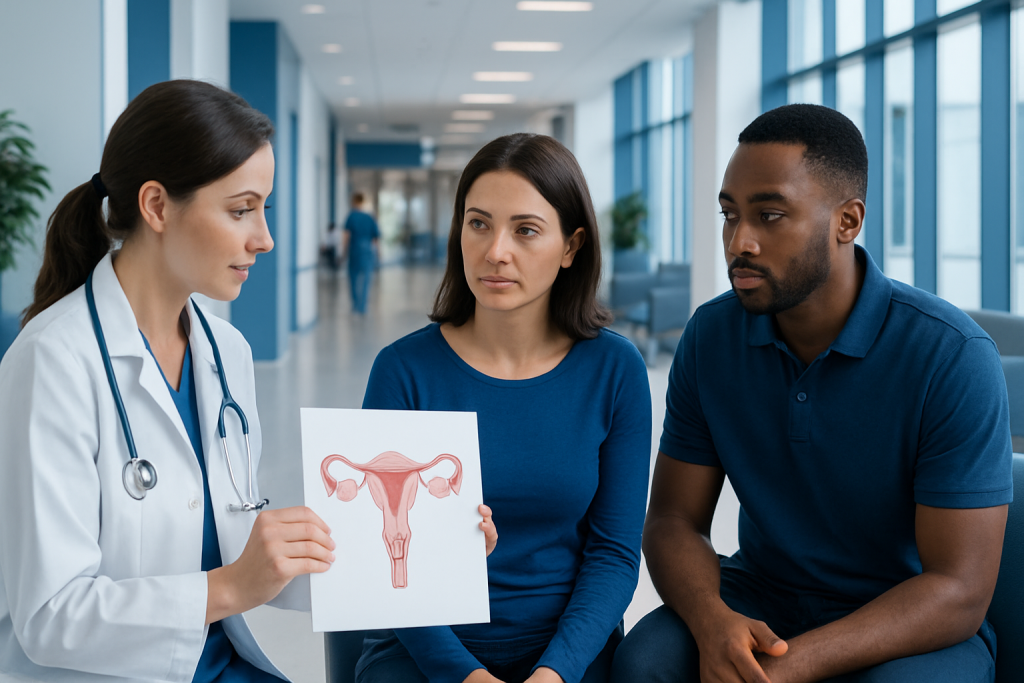
Salpingectomy is surgery to remove a fallopian tube. If one tube is removed, it is called a unilateral salpingectomy. If both tubes are removed, it is called a bilateral salpingectomy. The procedure may be done to treat a current medical problem or as a preventive step in carefully selected situations.
The fallopian tubes connect the ovaries to the uterus and are involved in natural conception. An egg released from the ovary usually travels through a tube, where fertilization can occur. Because of this role, the effects of salpingectomy on fertility depend on whether one or both tubes are removed and whether other reproductive factors are present.
Doctors may recommend salpingectomy for conditions such as an ectopic pregnancy, severely damaged or infected tubes, hydrosalpinx, scarring after pelvic infection, or as part of surgery for some gynecologic conditions. It can also be considered during other pelvic surgery to reduce the future risk of certain ovarian cancers, because many of these cancers are now thought to begin in the fallopian tubes.
Salpingectomy is different from procedures that only block the tubes. Tubal ligation prevents pregnancy by blocking or sealing the tubes, while salpingectomy removes the tube itself. For some people, removal is preferred because it can address disease directly and may offer additional cancer-risk reduction when clinically appropriate.
Who may need a salpingectomy
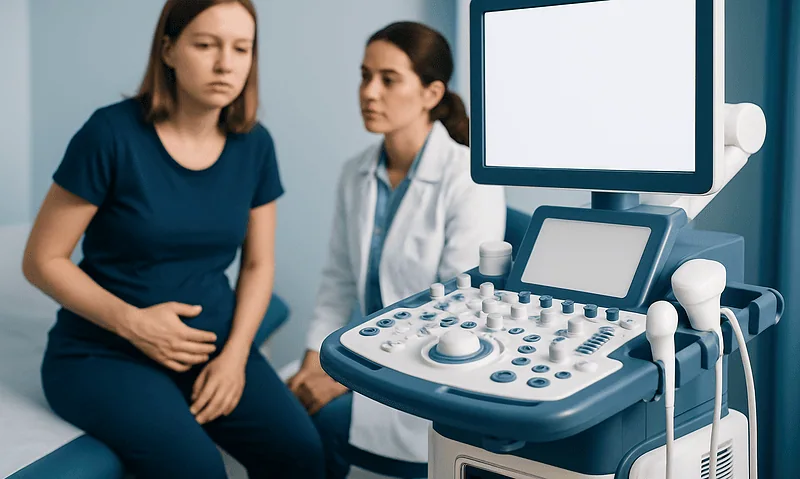
A salpingectomy may be advised in urgent, planned, or preventive situations. One of the most common urgent reasons is an ectopic pregnancy, when a pregnancy grows outside the uterus, often in a fallopian tube. In these cases, surgery may be needed if the tube is damaged, bleeding is present, or medical treatment is not suitable. Readers who want background on this condition can learn more about ectopic pregnancy.
In planned care, the procedure may be used for blocked or swollen tubes, especially hydrosalpinx, which can affect fertility and reduce the success of in vitro fertilization. It may also be considered when chronic infection, scarring, endometriosis, or repeated tubal problems have caused significant damage.
Some patients choose bilateral salpingectomy as a permanent form of contraception. Others may have it at the time of hysterectomy or another pelvic operation if their doctor believes tube removal is appropriate. For people with a strong family history or inherited risk factors for gynecologic cancers, the decision is more individualized and may involve counseling with gynecology, oncology, and genetics specialists.
Not everyone with a tubal problem needs the same operation. The decision depends on symptoms, imaging findings, future pregnancy plans, overall health, and whether conservative treatment could still be effective. A gynecologist helps balance these factors and explain the expected benefits and limitations.
How the procedure works: step by step
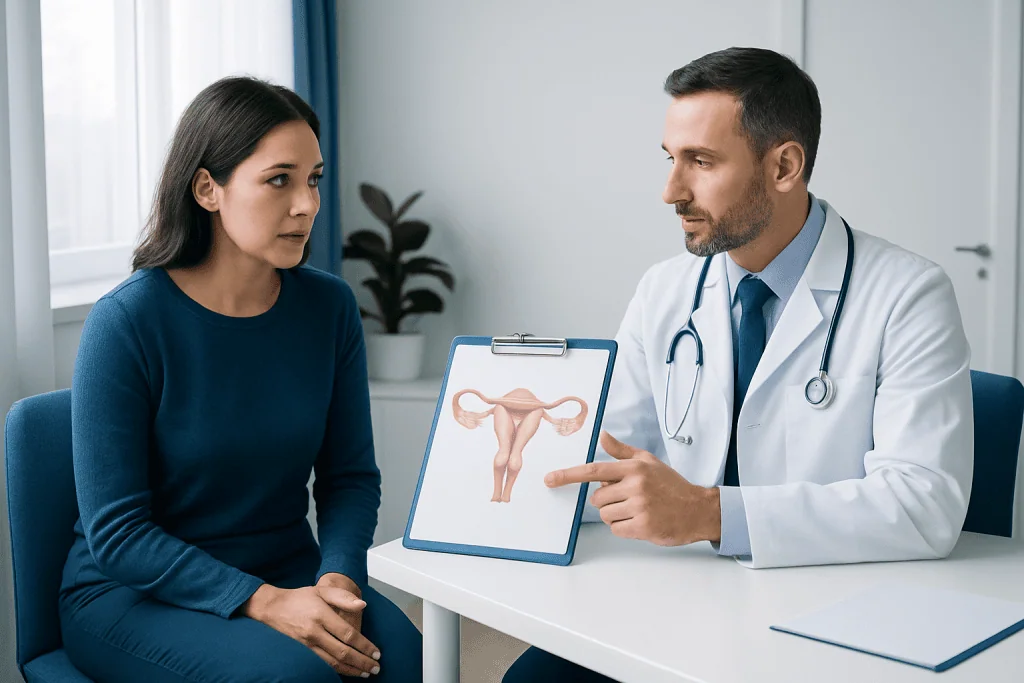
Before surgery, the medical team reviews symptoms, imaging, blood tests, medications, allergies, and pregnancy status when relevant. The doctor explains the planned approach, possible alternatives, and whether the goal is treatment, prevention, or permanent contraception. Patients are also given instructions about fasting, stopping certain medicines if needed, and arranging help for the first day after surgery.
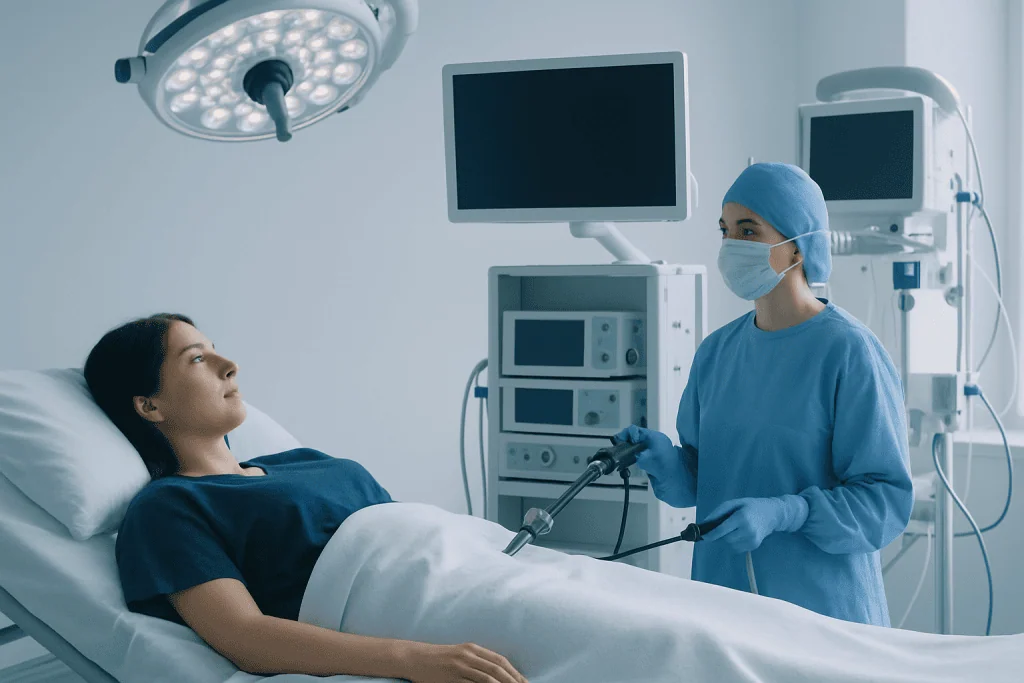
Salpingectomy is most often done under general anesthesia. In many cases, it is performed laparoscopically through small incisions in the abdomen. The surgeon inserts a camera and fine instruments, identifies the affected tube, carefully separates it from surrounding tissues, controls blood vessels, and removes the tube. The specimen may be sent for laboratory examination when indicated. For some patients, laparoscopic surgery offers smaller incisions and a shorter recovery.
Open surgery through a larger abdominal incision may be needed if there is heavy internal bleeding, extensive scar tissue, a large mass, severe infection, or another reason that makes minimally invasive surgery less safe. Robotic-assisted techniques may also be used in selected centers, depending on the clinical scenario and surgical expertise.
If salpingectomy is part of broader gynecologic care, it may be combined with other procedures. For example, it may be done during surgery for fibroids, ovarian cysts, or a hysterectomy when medically appropriate. Some patients undergoing hysterectomy may also have their fallopian tubes removed based on their condition, age, and goals of care.
Benefits and possible downsides
The main benefit of salpingectomy is that it directly treats disease in the fallopian tube. In an ectopic pregnancy, it can remove damaged tissue and stop life-threatening bleeding. In chronic tubal disease, it may relieve pain, eliminate a source of infection, or remove a tube that is unlikely to function normally. When hydrosalpinx is present, removing the affected tube may improve the environment for embryo implantation before fertility treatment.
Another important benefit is cancer prevention in selected patients. Removing the fallopian tubes during another planned pelvic surgery may lower the future risk of some ovarian cancers. This preventive use is not suitable for everyone, but it is now a recognized option in many gynecologic settings after shared decision-making.
The main downside is the effect on fertility. If one tube is removed and the other tube and ovary are healthy, natural pregnancy may still be possible. If both tubes are removed, natural conception is no longer possible because the egg and sperm cannot meet in the tubes. In that situation, pregnancy may still be possible with fertility treatment such as IVF if the uterus and ovaries are suitable.
Salpingectomy does not usually cause menopause because the ovaries are not removed. However, every pelvic surgery has limits and trade-offs. A surgeon may sometimes need to change the plan during the operation if there is unexpected bleeding, scar tissue, or concern about nearby organs.
Risks and possible complications
Salpingectomy is commonly performed and is generally safe when done by an experienced surgical team. Still, no operation is completely risk-free. General surgical risks include bleeding, infection, blood clots, pain, scar formation, and reactions to anesthesia. The overall risk profile depends on the urgency of the surgery, the patient’s health, and whether the procedure is minimally invasive or open.
There are also risks related to the location of the fallopian tubes in the pelvis. Nearby structures such as the ovaries, uterus, bowel, bladder, and blood vessels can be injured, especially if there is severe inflammation, endometriosis, prior surgery, or internal bleeding. In rare cases, a laparoscopic operation may need to be converted to open surgery for safety.
After surgery, some patients may experience temporary bloating, shoulder-tip discomfort from gas used during laparoscopy, fatigue, or light vaginal bleeding. Less commonly, complications can include fever, wound problems, persistent pain, or adhesions. If the procedure is performed for an ectopic pregnancy, follow-up may still be needed to ensure pregnancy tissue has been fully treated.
People who have one tube removed may also want to discuss future pregnancy risks. A previous tubal problem can increase the chance of another ectopic pregnancy, even if the remaining tube appears normal. In future pregnancies, early medical follow-up is important to confirm that the pregnancy is located in the uterus.
Recovery timeline and self-care after surgery
Recovery after salpingectomy varies with the surgical approach and the reason for surgery. Many patients who have laparoscopic salpingectomy go home the same day or after a short hospital stay. Open surgery usually requires a longer stay and a slower recovery. The doctor provides specific instructions about rest, wound care, pain control, showering, and resuming work, driving, exercise, and sexual activity.
In the first few days, mild to moderate discomfort, fatigue, bloating, and reduced appetite are common. Walking short distances can help circulation and bowel function, while strenuous lifting and intense activity are usually limited for a period advised by the surgeon. Drinking fluids, eating light meals as tolerated, and taking medicines exactly as prescribed can support recovery.
Many people feel ready for light daily tasks within days after minimally invasive surgery, though full recovery may still take a few weeks. After open surgery, recovery often takes longer. Emotional recovery also matters, especially if the procedure was done for pregnancy loss, unexpected emergency care, or fertility-related concerns. Follow-up visits are an important part of healing and planning next steps.
Patients who are hoping to conceive in the future should discuss timing and options with their doctor. If one healthy tube remains, natural conception may still occur. If both tubes are removed or severely damaged, the team may recommend fertility evaluation and treatment. In specialized centers, care may involve both gynecology and fertility treatment, depending on individual goals.
When to seek medical care
Medical care is needed promptly if symptoms suggest an ectopic pregnancy or another urgent pelvic problem. Warning signs can include severe one-sided pelvic pain, fainting, dizziness, shoulder pain, or heavy vaginal bleeding. These symptoms should not be ignored, especially in someone who may be pregnant.
After salpingectomy, patients should contact their doctor if they develop fever, worsening pain, redness or drainage from the incision, persistent vomiting, heavy bleeding, shortness of breath, chest pain, or swelling in a leg. These symptoms may indicate infection, bleeding, or another complication that needs timely assessment.
Non-urgent follow-up is also important if there are concerns about fertility, menstrual changes, ongoing pelvic pain, or emotional distress after treatment. A doctor can explain what is expected during recovery and whether additional tests or support are needed.
At the end of the recovery period, some patients need longer-term care for the condition that led to surgery, such as endometriosis, chronic pelvic infection, or tubal infertility. Acibadem International’s multidisciplinary specialists and JCI-accredited hospitals diagnose and treat these conditions for international patients, including evaluation through gynecology care when appropriate.
Frequently asked questions
Is salpingectomy a major surgery?
Salpingectomy is a real surgical procedure and should be taken seriously, but it is often done using minimally invasive techniques. When performed laparoscopically, recovery is usually easier than with open abdominal surgery. Whether it is considered major depends on the clinical situation, the surgical approach, and the patient’s health.
Can a person get pregnant after salpingectomy?
Pregnancy may still be possible after removal of one fallopian tube if the other tube and ovary are healthy. If both tubes are removed, natural pregnancy is not possible because the egg cannot travel to meet sperm. In some cases, pregnancy may still be possible with IVF.
How long does salpingectomy recovery take?
Recovery time depends on whether the surgery was laparoscopic or open and why it was needed. Many people recover from laparoscopic surgery over a few weeks, while open surgery often takes longer. The surgeon gives personalized advice about returning to work, exercise, and daily activities.
Does salpingectomy affect hormones or cause menopause?
Salpingectomy usually does not cause menopause because the ovaries are not removed. Hormone production mainly comes from the ovaries, not the fallopian tubes. However, overall reproductive health should still be discussed with a doctor, especially if other pelvic surgery is planned.
What is the difference between salpingectomy and tubal ligation?
Tubal ligation blocks, seals, or clips the fallopian tubes to prevent pregnancy. Salpingectomy removes the tube itself. Both can prevent pregnancy, but salpingectomy may also be used to treat disease or reduce future cancer risk in selected patients.
Why is salpingectomy sometimes recommended before IVF?
If a fallopian tube is badly damaged or filled with fluid, such as in hydrosalpinx, it may reduce the chance of successful embryo implantation. Removing the affected tube can improve the uterine environment in some cases. The decision depends on imaging findings, fertility history, and the advice of a reproductive specialist.
References
- American College of Obstetricians and Gynecologists
- Royal College of Obstetricians and Gynaecologists
- National Institutes of Health
- Centers for Disease Control and Prevention
- World Health Organization
This article is for general information only and is not a substitute for professional medical advice. Please consult a qualified doctor about your individual situation.
Oncology care in Turkey — second opinion and treatment plan
JCI-accredited · board-certified surgeons · reply within 24h
Add us as a Preferred Source to see more of our trusted health content across Google Search, AI Overviews and Discover.