Deep Tissue Massage — Explained by Medical Evidence, Not Myths
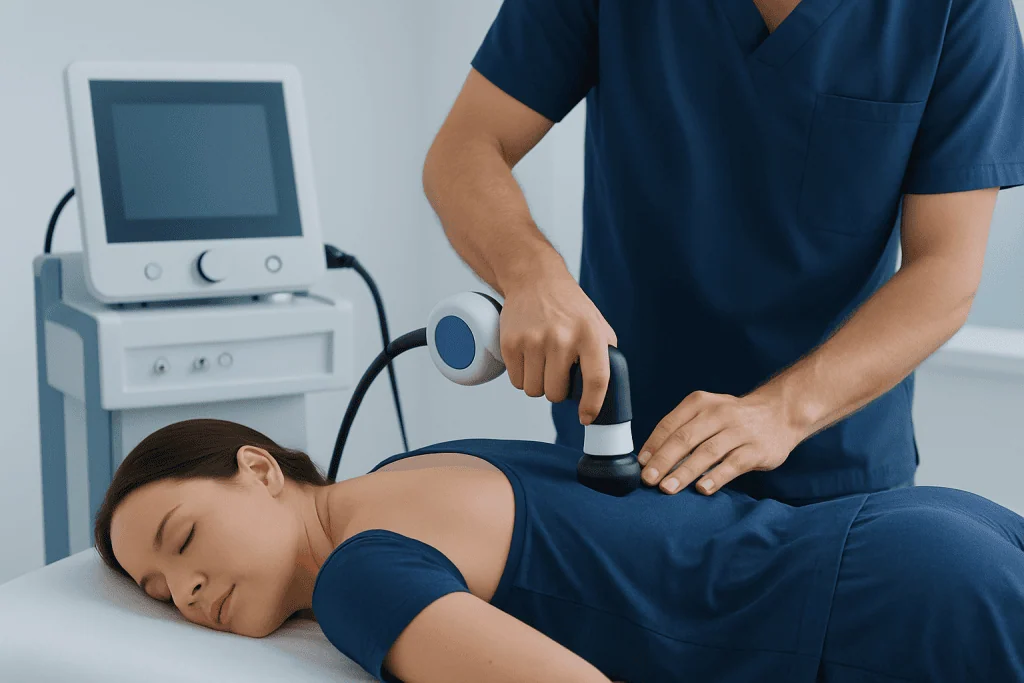
Deep tissue massage targets deeper muscles and fascia with slow, sustained pressure. It may help with muscle tightness, some back or neck pain, and recovery from overuse, but results vary by person and condition.
Key Takeaways
- Deep tissue massage targets deeper muscles and fascia with slow, sustained pressure.
- It may help with muscle tightness, some back or neck pain, and recovery from overuse, but results vary by person and condition.
- Temporary soreness after treatment can happen, but severe pain, numbness, or worsening symptoms are not expected.
- It is not suitable for everyone, especially people with certain injuries, blood-clotting risks, infections, or fragile tissues.
- Persistent pain should be assessed medically because massage cannot diagnose the cause.
Deep tissue massage is a hands-on therapy that uses slower, firmer pressure to work through deeper layers of muscle and connective tissue. Medical evidence suggests it may help some people with muscle tension, short-term pain, and movement-related discomfort, but it is not a cure-all and should be used thoughtfully.
Overview: what deep tissue massage really is
Deep tissue massage is a manual therapy technique that applies slow, deliberate pressure to deeper layers of muscle and surrounding connective tissue, sometimes called fascia. In practical terms, it is often used when a person has stubborn muscle tightness, localized soreness, or movement-related discomfort that has not improved with simple rest. It is different from a relaxing spa massage because the goal is usually to address specific areas rather than provide general comfort alone.
Medical evidence does not support the idea that deep tissue massage “flushes toxins” or permanently “breaks up knots” in a simple mechanical way. Instead, its effects are thought to involve several factors, including reduced muscle guarding, changes in pain perception, improved short-term flexibility, and a sense of relaxation that can influence how the nervous system responds to pain. This evidence-based view helps separate helpful treatment from common myths.
For some people, deep tissue massage can be one part of a broader plan that may also include stretching, exercise therapy, posture changes, stress management, or medical evaluation. It can be useful for muscular symptoms, but it is not a replacement for diagnosis when pain is ongoing, severe, or linked to weakness, numbness, fever, or injury.
How it differs from other types of massage
Deep tissue massage is often confused with Swedish massage, sports massage, and trigger point therapy. Swedish massage usually uses lighter, more rhythmic strokes aimed at relaxation and circulation. Deep tissue massage generally uses firmer pressure and slower techniques to focus on deeper muscle layers and areas of restricted movement.
Sports massage overlaps with deep tissue work, but its purpose is usually linked to training, recovery, or injury prevention in active people. Trigger point therapy focuses more specifically on sensitive, tight points within a muscle that may refer pain elsewhere. A treatment session may combine elements of several approaches depending on the therapist’s training and the patient’s needs.
Importantly, “deeper” does not always mean “better.” Strong pressure is not required for benefit, and pain during massage is not proof that a treatment is working. Effective treatment should feel intense at times but still controlled and tolerable, with clear communication between the patient and practitioner.
Possible benefits supported by medical evidence
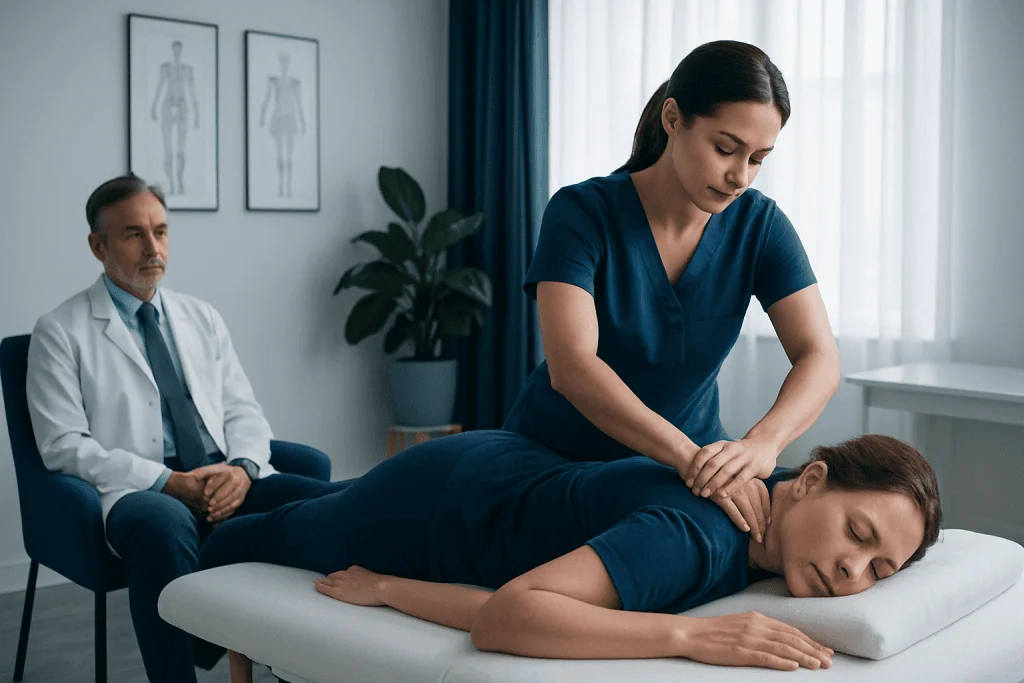
Research suggests that deep tissue massage may offer short-term benefit for some musculoskeletal complaints, especially when muscle tension and overuse play a role. People sometimes report less stiffness, temporary pain relief, and easier movement after treatment. It may be considered for symptoms such as non-specific low back pain, neck and shoulder tightness, tension related to stress, or soreness linked to repetitive activity.
Massage may also support recovery when used alongside rehabilitation rather than instead of it. For example, if a person has reduced mobility after overtraining or prolonged sitting, massage may make it easier to participate in stretching and strengthening. In patients with movement-related pain, this combination can be more useful than passive treatment alone. When back or neck pain is persistent, a clinician may also assess whether problems such as a herniated disc or other spine conditions could be contributing.
Evidence is more mixed for chronic pain conditions. Some people with long-standing pain feel better after massage, but others notice little change. This is because chronic pain often involves the nervous system, sleep, stress, activity habits, and underlying medical conditions in addition to muscle tension. In those cases, massage can be supportive, but it is rarely the whole answer.
- May reduce short-term muscle tightness and soreness
- May improve comfort with movement for some back, neck, or shoulder symptoms
- Can promote relaxation and body awareness
- May complement exercise-based rehabilitation
What a session may feel like and what to expect afterward
A deep tissue massage session usually begins with a brief discussion about symptoms, health history, medications, and areas to avoid. The therapist may start with lighter pressure to warm the tissues and then use slower strokes, sustained compression, or friction over more restricted areas. The exact techniques vary, but communication is essential throughout the session.
During treatment, some pressure can feel intense, especially over tight or tender muscles. However, it should not feel unbearable or alarming. If a person instinctively tenses, holds their breath, or feels sharp, burning, or electric pain, the pressure may be too strong or the technique may not be appropriate for that area.
Afterward, mild soreness for a day or two can happen, much like soreness after exercise. Gentle movement, hydration, and rest may help. Bruising, severe tenderness, increasing pain, numbness, dizziness, or loss of function are not normal expected effects and should prompt medical advice, particularly if symptoms began after a forceful session.
Risks, side effects, and who should avoid it
Deep tissue massage is generally safe when performed by a qualified professional who understands the patient’s medical history. Even so, it is not risk-free. The most common side effects are temporary soreness and tenderness, but forceful techniques can sometimes aggravate inflamed tissues, irritate a nerve, or worsen an undiagnosed injury.
Caution is especially important in people with bleeding disorders, those taking blood thinners, recent surgery, severe osteoporosis, active skin infections, open wounds, burns, fever, suspected fractures, or a history that raises concern for blood clots. Massage directly over a new injury, swollen calf, unexplained lump, or area of severe inflammation should be avoided until a clinician has assessed it.
People with cancer, pregnancy-related concerns, advanced diabetes with nerve problems, or significant heart and vascular disease should ask their doctor whether any modifications are needed. Persistent radiating pain, weakness, numbness, headache associated with neck pain, or symptoms after trauma may need evaluation before any manual therapy. In some cases, treatments such as physical therapy and rehabilitation are more appropriate as a structured first step.
When it may help less than expected
Deep tissue massage tends to work best when symptoms are mainly muscular. It may help less when pain is being driven by joint inflammation, nerve compression, systemic illness, sleep disruption, anxiety, or central sensitization, a state in which the nervous system becomes more reactive to pain. In these situations, treating the deeper cause matters more than simply applying more pressure.
For example, repeated massage may temporarily ease shoulder tension caused by poor workstation setup, but the discomfort may keep returning unless posture, movement habits, and strengthening are addressed. Similarly, leg pain caused by lumbar nerve irritation may not improve much until the spine problem itself is evaluated. Where circulation issues are suspected, assessment by specialists in cardiology or other relevant fields may be needed rather than massage alone.
This is why an evidence-based approach looks at the whole picture: symptom pattern, duration, activity level, sleep, stress, and any warning signs. Massage may be valuable, but expectations should be realistic. It often works best as part of a plan, not as a stand-alone cure.
Safer self-care and how to choose a qualified practitioner
Before booking deep tissue massage for ongoing pain, it helps to think about the pattern of symptoms. If the discomfort follows exercise, prolonged sitting, or muscle overuse and there are no warning signs, a trial of conservative care may be reasonable. Helpful self-care measures include gradual stretching, regular movement breaks, strengthening exercises, heat or ice as appropriate, and attention to sleep and stress.
When choosing a massage practitioner, patients should look for appropriate training, a willingness to review medical history, and a clear explanation of what the session will involve. The practitioner should ask about medications, recent injuries, surgeries, and symptoms such as numbness or radiating pain. They should also respect feedback and adjust pressure rather than insisting that pain is necessary.
If symptoms are recurrent, combining massage with a professional evaluation can be more useful than repeated sessions alone. Depending on the problem, this may include assessment by specialists in orthopedics and traumatology or a rehabilitation team. Near the end of care planning, some international patients may choose centers such as Acibadem International, where multidisciplinary specialists in JCI-accredited hospitals evaluate and treat musculoskeletal conditions in a coordinated way.
When to seek medical care
A person should seek medical care if pain is severe, follows an accident, or does not improve after a short period of rest and basic self-care. Medical assessment is also important if symptoms keep returning, disturb sleep, limit normal activities, or seem out of proportion to muscle strain.
Urgent evaluation is needed for warning signs such as chest pain, shortness of breath, fever, sudden swelling, a hot or red limb, unexplained weight loss, new weakness, numbness, loss of bladder or bowel control, or pain that shoots down an arm or leg. These symptoms can point to a problem that massage should not delay.
If symptoms worsen during or after deep tissue massage, especially with sharp pain, dizziness, extensive bruising, or neurological symptoms, the treatment should be stopped and a doctor consulted. A proper diagnosis helps ensure that future treatment is safe and appropriate.
Frequently asked questions
Is deep tissue massage supposed to hurt?
It may feel intense, but it should not feel overwhelming or unsafe. Pain that is sharp, burning, electrical, or makes the person tense up is a sign that the pressure may be too strong or the technique may not be suitable.
Can deep tissue massage help back pain?
It may help some people with non-specific muscular back pain, especially when stiffness and tension are major features. However, it is less likely to solve pain caused by nerve compression, fracture, infection, or inflammatory disease, so persistent symptoms should be assessed.
How long do the effects of deep tissue massage last?
The effects vary from person to person. Some feel better for a few hours or days, while others notice little change. Longer-lasting benefit is more likely when massage is paired with exercise, posture changes, and treatment of the underlying cause.
Who should not get a deep tissue massage?
People with blood-clot risk, active infection, open wounds, recent surgery, suspected fracture, severe osteoporosis, or unexplained swelling should avoid it until they have medical advice. Those taking blood thinners or living with complex medical conditions should ask a doctor whether modifications are needed.
Is deep tissue massage good for sports recovery?
It may help some athletes or active people feel less tight and more comfortable after heavy training. Still, recovery also depends on rest, hydration, sleep, gradual training loads, and proper rehabilitation when injuries occur.
What is the difference between a muscle knot and a serious problem?
A muscle knot usually feels like localized tightness or tenderness that changes with movement or pressure. A more serious problem may involve swelling, weakness, numbness, fever, unexplained pain, or symptoms that do not improve, which is why medical assessment matters when symptoms are unusual or persistent.
References
- World Health Organization
- National Center for Complementary and Integrative Health
- American Academy of Family Physicians
- National Institute of Arthritis and Musculoskeletal and Skin Diseases
- Cochrane
This article is for general information only and is not a substitute for professional medical advice. Please consult a qualified doctor about your individual situation.
Explore treatments in Turkey — costs, top hospitals & a free quote
JCI-accredited · board-certified surgeons · reply within 24h
Add us as a Preferred Source to see more of our trusted health content across Google Search, AI Overviews and Discover.