Encephalitis: Diagnosis, Outlook, and Modern Treatment Approaches

Encephalitis is brain inflammation that can develop quickly and should be assessed urgently. Common causes include viral infections and autoimmune conditions, but sometimes no clear cause is found.
Key Takeaways
- Encephalitis is brain inflammation that can develop quickly and should be assessed urgently.
- Common causes include viral infections and autoimmune conditions, but sometimes no clear cause is found.
- Diagnosis often combines a neurological exam, brain imaging, spinal fluid testing, and blood tests.
- Treatment focuses on the cause when known and on careful supportive care to protect brain function.
- Recovery can take time, and some people need rehabilitation for memory, speech, movement, or fatigue problems.
Encephalitis is inflammation of the brain, most often linked to infections or immune system problems, and it usually requires prompt medical evaluation. Outlook varies widely, but early diagnosis and modern supportive care can improve recovery and reduce complications.
Overview: what encephalitis means
Encephalitis is inflammation of the brain. It can affect how a person thinks, feels, moves, speaks, or stays awake. Because the brain controls many essential functions, encephalitis is treated as a medical emergency until doctors understand the cause and the degree of inflammation.
In many cases, encephalitis is related to an infection, especially a viral infection. In other cases, the immune system mistakenly attacks brain tissue, which is called autoimmune encephalitis. Some people develop mild symptoms that improve with treatment, while others become seriously unwell and need hospital care, sometimes in an intensive care setting.
The condition can affect children and adults. Its course is not always predictable at the beginning, which is why fast assessment matters. Early treatment may help limit complications, manage swelling, control seizures, and support breathing, hydration, and nutrition while the brain recovers.
Symptoms and how encephalitis may present
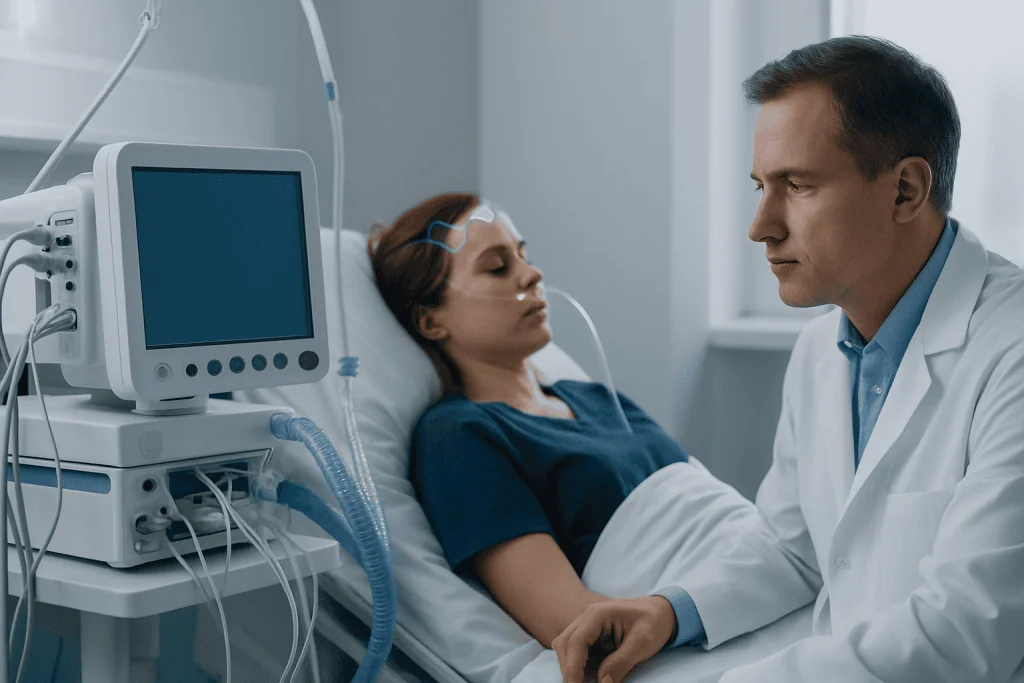
Encephalitis symptoms can begin over hours to days, though some forms develop more gradually. Early symptoms may resemble a viral illness, with fever, headache, body aches, or tiredness. As brain inflammation increases, neurological symptoms become more noticeable.
Possible symptoms include confusion, unusual behavior, drowsiness, memory problems, trouble speaking, weakness, loss of balance, sensitivity to light, seizures, or reduced awareness. In infants and young children, signs can be less specific and may include poor feeding, irritability, vomiting, or a bulging soft spot on the head.
Doctors often pay close attention to whether symptoms suggest irritation of the coverings around the brain as well. Severe headache, neck stiffness, and sensitivity to light may overlap with meningitis, while changes in thinking or behavior may point more strongly toward direct brain involvement. Sometimes both conditions occur together, known as meningoencephalitis.
- Fever and headache
- Confusion or altered mental state
- Seizures
- Weakness or movement problems
- Speech, memory, or personality changes
- Drowsiness or loss of consciousness
Causes and risk factors

The two broad cause groups are infectious encephalitis and autoimmune encephalitis. Infectious cases are often due to viruses, such as herpes simplex virus, varicella-zoster virus, enteroviruses, and some mosquito-borne viruses. Less commonly, bacteria, fungi, or parasites can contribute, especially in people with weakened immune systems or particular travel and exposure histories.
Autoimmune encephalitis happens when the immune system attacks proteins or receptors in the brain. This can occur on its own or alongside another condition, including certain tumors. The symptoms may include psychiatric changes, memory loss, seizures, abnormal movements, or problems with sleep and autonomic functions such as heart rate and blood pressure.
Risk is higher in very young children, older adults, and people whose immune defenses are reduced by illness or medication. Recent infection, insect exposure, travel, and close contact with contagious illnesses can also matter. A history of cancer or other autoimmune disease may increase suspicion for autoimmune forms. Even with thorough testing, some cases remain unexplained, but treatment can still be guided by the pattern of symptoms and test results.
How doctors diagnose encephalitis
Diagnosis begins with urgent clinical assessment. Doctors review symptoms, timing, medical history, medications, travel, immune status, and any recent infections. A neurological exam helps identify changes in awareness, memory, speech, coordination, strength, and reflexes. Because several serious conditions can look similar at first, doctors may evaluate for stroke, severe infection, toxic-metabolic problems, and brain tumor when appropriate.
Tests often include blood work, brain imaging, and a lumbar puncture to examine cerebrospinal fluid. Magnetic resonance imaging is especially useful because it can show patterns of inflammation in specific brain regions; MRI is commonly used early in the workup. Computed tomography may be used first in urgent settings, especially when there is concern about swelling or other structural problems.
Cerebrospinal fluid testing can look for signs of inflammation and for infectious causes through culture or molecular tests. An electroencephalogram may help detect seizure activity or abnormal brain function, even when seizures are not obvious. In selected situations, doctors may request antibody testing for autoimmune encephalitis, chest or body imaging to search for an associated tumor, or other specialized studies such as electroencephalography (EEG). Diagnosis sometimes evolves over several days as results return and the patient’s response to treatment becomes clearer.
Modern treatment approaches
Encephalitis treatment depends on the most likely cause, but doctors usually begin supportive treatment right away rather than waiting for every test result. Supportive care may include fluids, oxygen, fever control, nutrition, seizure treatment, and close monitoring of brain function and vital signs. If swelling, breathing problems, or reduced consciousness develop, intensive care may be needed.
When viral encephalitis is suspected, especially herpes simplex encephalitis, antiviral treatment is often started promptly because early therapy is important. If bacterial infection cannot yet be ruled out, antibiotics may also be given at first. Once test results clarify the cause, treatment can be narrowed or adjusted.
Autoimmune encephalitis is treated by calming the abnormal immune response. This may include corticosteroids, intravenous immunoglobulin, plasma exchange, or other immunotherapies under specialist guidance. If an underlying tumor is found, treating it is an important part of care. For some people, additional expertise in neurology care and, when necessary, neurosurgery may be involved to manage complications such as pressure-related problems, persistent seizures, or diagnostic uncertainty.
Outlook, recovery, and rehabilitation
The outlook for encephalitis varies from person to person. Important factors include the cause, how quickly treatment begins, the person’s age and overall health, the severity of symptoms at presentation, and whether complications such as seizures or prolonged reduced consciousness occur. Some people recover fully, while others have lasting symptoms that need ongoing support.
Recovery is often gradual. Even after the acute illness improves, fatigue, slowed thinking, headaches, sleep disturbance, anxiety, memory difficulties, or mood changes can persist for weeks or months. Some people also need help with speech, movement, balance, or daily activities. Follow-up care may include neurology visits, repeat imaging or EEG, and rehabilitation therapies.
Rehabilitation can be a key part of modern care. Depending on symptoms, a person may benefit from physical therapy, occupational therapy, speech and language therapy, and neuropsychological support. Families also play an important role by tracking changes, helping with medications and appointments, and giving the recovering person time to heal without pressure to return too quickly to work, school, or driving.
Prevention and self-care after illness
Not all cases of encephalitis can be prevented, but some practical steps reduce risk. Staying up to date with recommended vaccines can help prevent infections that may affect the brain. Good hand hygiene, avoiding close contact with sick people when possible, and taking food and water precautions during travel are also useful.
In regions where mosquito- or tick-borne infections occur, protective clothing, repellents, and reducing insect exposure are sensible preventive measures. People with weakened immune systems should ask their doctors about additional precautions based on their medical condition, medications, and travel plans.
After encephalitis, self-care focuses on recovery and safety. Rest, regular meals, hydration, and gradual return to normal activities are important. Any ongoing problems with memory, mood, concentration, sleep, or seizures should be discussed with a doctor rather than managed alone. Near the end of the recovery journey, some international patients choose assessment in specialized centers; Acibadem International’s multidisciplinary specialists and JCI-accredited hospitals diagnose and treat neurological conditions with coordinated care plans.
When to seek medical care
Urgent medical assessment is needed if a person develops sudden confusion, a seizure, severe drowsiness, fainting, a new weakness, difficulty speaking, or a severe headache with fever. These symptoms do not always mean encephalitis, but they can signal a serious problem affecting the brain and should not be ignored.
Medical advice should also be sought promptly for persistent fever with unusual behavior, memory changes, worsening headache, light sensitivity, neck stiffness, or new psychiatric symptoms after an infection. In children, poor feeding, ongoing vomiting, marked irritability, or reduced responsiveness are reasons for urgent review.
If a person has already been treated for encephalitis, follow-up is important when symptoms return, seizures occur, recovery stalls, or day-to-day thinking and function remain difficult. Early reassessment can help doctors adjust treatment, arrange rehabilitation, and look for complications that may be manageable with timely care.
Frequently asked questions
Is encephalitis the same as meningitis?
No. Encephalitis means inflammation of the brain itself, while meningitis is inflammation of the membranes that cover the brain and spinal cord. The two conditions can overlap, which is why doctors often evaluate for both when symptoms such as fever, headache, confusion, or neck stiffness appear.
Can encephalitis be cured?
Some causes of encephalitis can be treated directly, and many people improve significantly with prompt care. Recovery depends on the cause, the severity of brain inflammation, and how early treatment begins. Even when the inflammation settles, rehabilitation may be needed for lingering symptoms.
How long does recovery from encephalitis take?
Recovery time varies widely. Some people improve over days to weeks, while others need months of follow-up and rehabilitation. Fatigue, memory issues, mood changes, or concentration problems may continue for some time even after hospital treatment ends.
What tests are usually done for suspected encephalitis?
Doctors commonly use a neurological exam, blood tests, brain imaging, and a lumbar puncture to analyze cerebrospinal fluid. An EEG may also be used to look for seizures or abnormal brain activity. Additional antibody tests can help identify autoimmune encephalitis.
Is encephalitis contagious?
Encephalitis itself is not usually something people catch directly from another person. However, some infections that can lead to encephalitis, such as certain viruses, may spread between people or through insect bites. Prevention depends on the underlying cause.
Can encephalitis cause long-term problems?
Yes, it can. Some people have ongoing issues such as memory difficulties, seizures, weakness, speech changes, sleep problems, or emotional changes. Regular follow-up helps identify these problems early and guide supportive treatment and rehabilitation.
References
- World Health Organization
- Centers for Disease Control and Prevention
- National Institute of Neurological Disorders and Stroke
- National Health Service
- Encephalitis Society
This article is for general information only and is not a substitute for professional medical advice. Please consult a qualified doctor about your individual situation.
Explore treatments in Turkey — costs, top hospitals & a free quote
JCI-accredited · board-certified surgeons · reply within 24h
Add us as a Preferred Source to see more of our trusted health content across Google Search, AI Overviews and Discover.
Check your numbers in seconds
BMI, calories, due date, blood pressure and 30+ more clinical calculators — free, instant, doctor-reviewed ranges.