Professional Teeth Whitening: What Patients Need to Know
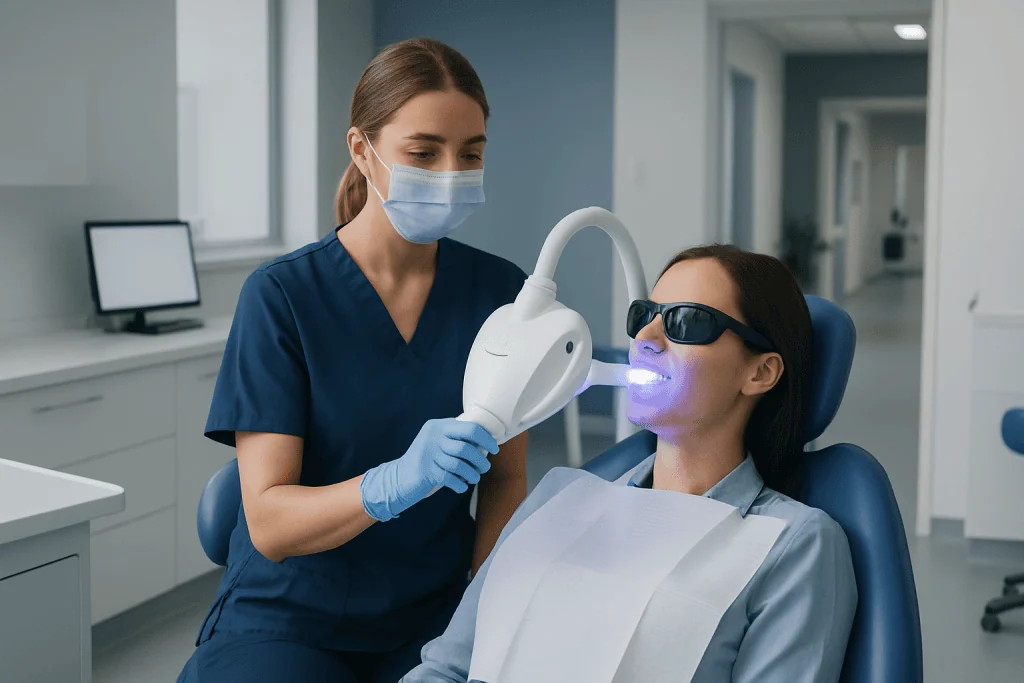
Professional teeth whitening is performed or prescribed by a dental professional after checking oral health first. It is most effective for many surface stains caused by food, drinks, smoking, and aging, but it may not improve all types of discoloration.
Key Takeaways
- Professional teeth whitening is performed or prescribed by a dental professional after checking oral health first.
- It is most effective for many surface stains caused by food, drinks, smoking, and aging, but it may not improve all types of discoloration.
- Short-term sensitivity and mild gum irritation can happen, but these effects are usually temporary when treatment is properly supervised.
- Cavities, gum disease, cracked teeth, and some restorations should be evaluated before whitening begins.
- Good oral hygiene and limiting stain-causing habits can help results last longer.
Professional teeth whitening is a dentist-supervised treatment used to lighten tooth color more predictably and safely than over-the-counter options. It works best for many common external stains, but results depend on the cause of discoloration, the condition of the teeth and gums, and the type of whitening method used.
Overview: What Professional Teeth Whitening Is
Professional teeth whitening is a dental treatment that uses clinically tested whitening agents to make natural teeth appear lighter. It is usually carried out in a dental office, or with custom trays and products prescribed for home use under a dentist’s supervision. The goal is to reduce common staining and improve the overall brightness of the smile while protecting tooth and gum health.
For many patients, the main advantage of professional whitening is not just a whiter shade, but a more individualized plan. A dentist first checks whether the discoloration is likely to respond to whitening and whether there are any problems that should be treated before starting. This helps avoid disappointment and lowers the risk of unnecessary sensitivity or irritation.
Professional whitening is different from routine cleaning. Dental cleaning removes plaque, tartar, and some external stains from the tooth surface, while whitening changes the color of the tooth structure using bleaching ingredients such as hydrogen peroxide or carbamide peroxide. In many cases, cleaning is the first step because it allows whitening to work more evenly.
It is important to know that whitening improves the color of natural tooth enamel and dentin, but it does not change the shade of fillings, crowns, veneers, or bonding. When visible dental restorations are present, a dentist can explain whether whitening alone is likely to give a balanced result or whether other cosmetic dental options may need to be considered afterward.
Who May Benefit and What Results to Expect
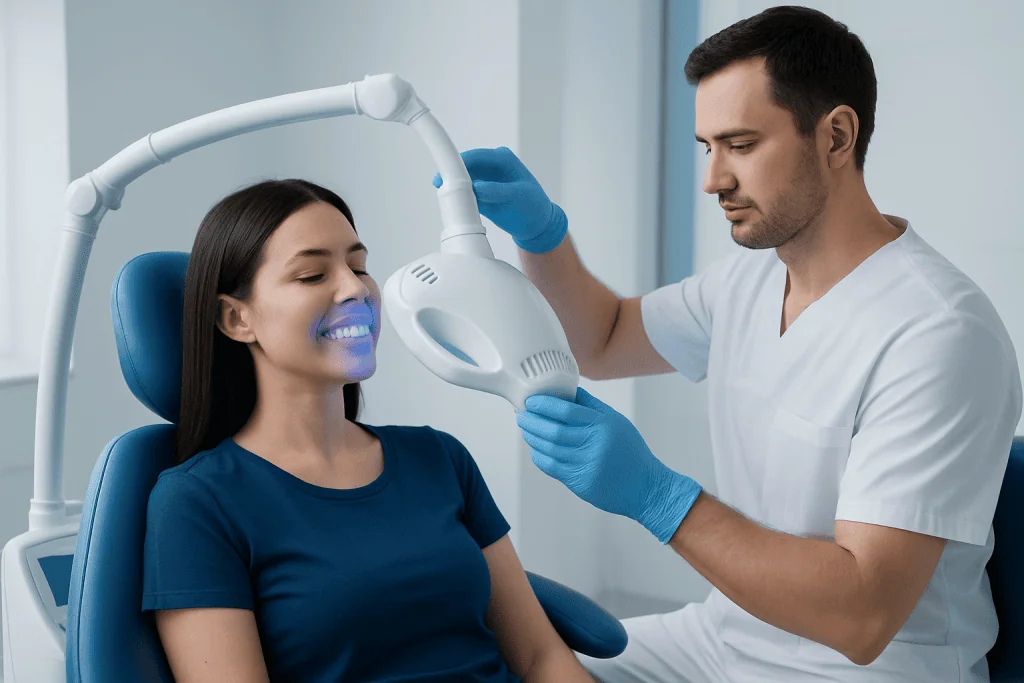
Professional teeth whitening may be helpful for adults with healthy teeth and gums who want to improve yellowing or common external stains. These stains often develop over time from coffee, tea, red wine, tobacco, and natural aging. Some people also choose whitening before a special event, while others seek it as part of a broader smile-improvement plan.
Results vary from person to person. Teeth with yellow tones often respond better than those with gray or blue-gray discoloration. Whitening may be less effective when the color change is caused by internal factors such as certain medicines taken during tooth development, trauma to the tooth, enamel defects, or changes deep within the tooth structure.
The final shade depends on the starting color, the type of whitening system, how long the treatment is used, and individual enamel characteristics. A realistic goal is usually a noticeable brightening rather than a perfectly uniform or unusually white shade. Dentists often guide patients toward a natural-looking result that suits their facial features and existing dental work.
Patients with visible restorations on front teeth should ask specifically about color matching. Because whitening does not lighten crowns or fillings, existing restorations may stand out after treatment. In some cases, the dentist may recommend waiting for the color to stabilize before replacing older restorations for a more even appearance.
Why Teeth Become Discolored
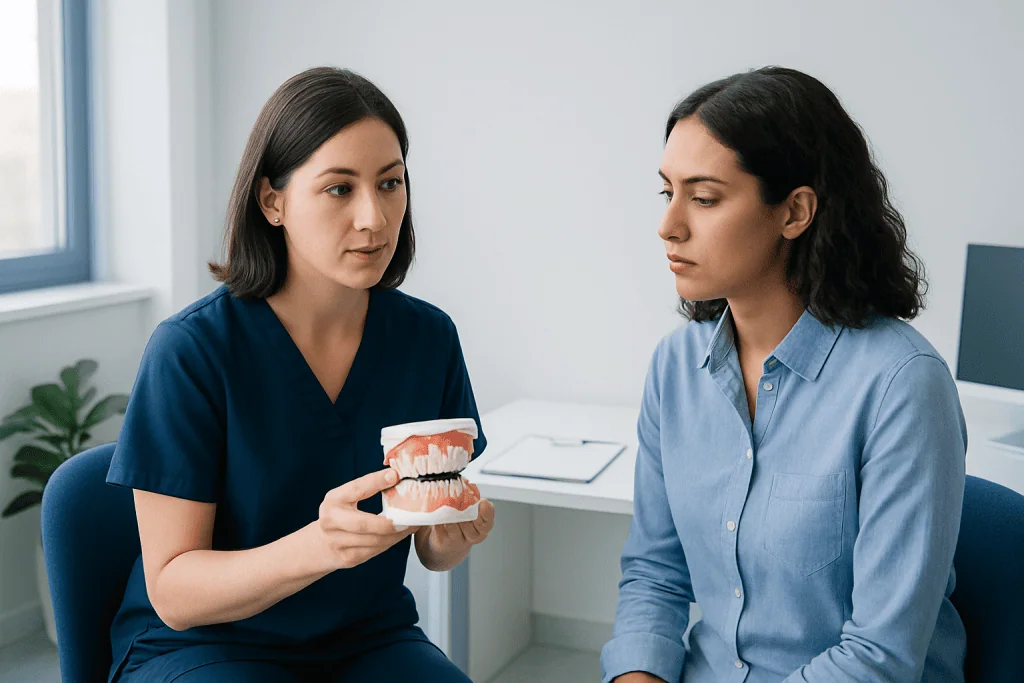
Tooth discoloration can be external, internal, or age-related. External stains affect the outer enamel and are commonly linked to dark-colored foods and drinks, smoking, and plaque buildup. These are often the stains that respond best to professional whitening, especially when the teeth are professionally cleaned first.
Internal discoloration develops within the tooth. It can happen after injury, certain developmental conditions, or past exposure to medications that affect tooth color while teeth are forming. In these situations, whitening may help only partially, and some patients may need other dental approaches instead of or in addition to whitening.
Natural aging also changes how teeth look. Over time, enamel becomes thinner and the darker dentin underneath may show through more clearly. This can create a more yellow appearance even when oral hygiene is good. Age-related changes may still respond to whitening, but the degree of improvement can differ between individuals.
Some discoloration signals an underlying dental problem rather than a cosmetic concern. A single tooth that suddenly darkens, for example, may need evaluation for trauma, nerve damage, or infection. Likewise, discoloration accompanied by pain, swelling, bleeding gums, or bad breath should not be treated as a simple whitening issue until the cause is identified. Conditions such as gum disease can affect treatment timing and safety.
How Dentists Assess Suitability Before Whitening
A professional assessment is a key part of safe whitening. Before treatment, the dentist typically reviews the patient’s medical and dental history, examines the teeth and gums, and discusses goals and expectations. This helps determine whether the discoloration is likely to respond and whether there are any reasons to delay treatment.
Problems such as cavities, worn enamel, exposed roots, cracked teeth, gum inflammation, and untreated sensitivity should be addressed first. Whitening on unhealthy teeth can worsen discomfort or produce uneven results. If needed, the dentist may recommend a checkup and dental treatment before starting the whitening process.
Photos or shade guides may be used to record the starting color and track changes over time. This is helpful because people often adapt quickly to their new tooth shade and may forget how much improvement has already occurred. Clear documentation also supports more realistic decisions about whether additional whitening sessions are necessary.
Patients who are pregnant, breastfeeding, very young, or prone to significant dental sensitivity should ask their dentist whether whitening is appropriate at that time. In many cases, treatment can simply be postponed or modified. A careful assessment makes whitening more personalized and helps protect long-term oral health.
Professional Whitening Methods and What Happens During Treatment
There are two main professional approaches: in-office whitening and dentist-supervised at-home whitening. In-office treatment is performed during a clinic visit and uses higher-strength whitening agents applied under controlled conditions. The gums and soft tissues are protected carefully, and the whitening gel is left on the teeth for a set period, sometimes in repeated cycles during the same appointment.
Dentist-supervised home whitening usually involves custom-fitted trays and a prescribed whitening gel used over several days or weeks. This approach can offer more gradual results and may suit patients who prefer flexibility or who want to build color slowly. Because the trays are custom made, the gel is distributed more evenly and is less likely to leak onto the gums than with non-custom products.
Some clinics may combine both methods, beginning with an in-office session and continuing with custom trays for maintenance. The best choice depends on the patient’s goals, tooth sensitivity, schedule, and the type of discoloration present. A dentist may also discuss whether related procedures such as teeth whitening or other cosmetic dental care are likely to provide the most balanced result.
During and shortly after treatment, temporary sensitivity is one of the most common side effects. Mild gum irritation can also occur if whitening material contacts soft tissue. These effects are usually short-lived, and dentists can often reduce them by adjusting the product strength, contact time, or treatment schedule.
Safety, Side Effects, and Situations Where Whitening May Not Be Ideal
When carried out with proper supervision, professional teeth whitening is generally considered safe for suitable candidates. The products used in dental settings are well studied, and dentists take steps to protect gums, lips, and oral tissues. Safety depends not only on the whitening agent itself, but also on careful patient selection and following instructions closely.
The most common side effect is tooth sensitivity, especially to cold air or cold drinks. This is usually temporary and often improves within a short time after treatment ends. Gum irritation is also possible, particularly if the whitening gel touches soft tissue, but this tends to settle when exposure is reduced.
Whitening may not be ideal for everyone. Patients with active decay, untreated gum disease, severe enamel wear, significant recession, or extensive visible restorations may need other care first. Those with intrinsic discoloration caused by trauma or developmental changes may also need alternatives such as bonding, veneers, or crowns rather than repeated whitening attempts.
It is also wise to avoid overusing whitening products. Repeated unsupervised treatments can increase sensitivity and may not produce better long-term results. If a patient is considering a broader cosmetic or restorative plan, the dentist may recommend sequencing care carefully, sometimes alongside procedures such as dental implants or replacement of older restorations after the tooth color has stabilized.
Aftercare, Maintenance, and Everyday Habits
Whitening results are not permanent, but they can last longer with thoughtful aftercare. During the first day or two after treatment, dentists often advise limiting foods and drinks that stain easily, such as coffee, tea, red wine, dark sauces, and tobacco. This is especially important immediately after whitening, when teeth may be more likely to pick up color.
Daily oral hygiene supports a brighter result. Brushing twice a day with fluoride toothpaste, cleaning between the teeth, and attending regular dental checkups can help reduce the buildup of plaque and surface stains. Professional cleaning also helps maintain a fresh appearance and gives the dentist a chance to monitor sensitivity or other concerns.
Some patients benefit from occasional touch-up treatment using dentist-prescribed trays, while others may only need maintenance after many months. The right schedule depends on diet, smoking status, oral hygiene, and how quickly stains return. It is safer to follow a dentist’s advice than to repeat whitening too often on one’s own.
Near the end of the treatment journey, some patients seek a full oral health review if discoloration was only one part of a larger dental concern. Acibadem International’s multidisciplinary specialists and JCI-accredited hospitals diagnose and treat dental conditions for international patients, including evaluation when staining is accompanied by other oral health issues.
When to Seek Medical or Dental Care
Whitening should be paused and a dentist should be consulted if there is severe or persistent tooth sensitivity, gum pain, mouth sores, or visible irritation that does not settle after treatment. Professional advice is also important if a tooth becomes noticeably darker than the others, as this can point to trauma or internal tooth problems rather than a stain alone.
Urgent dental assessment is appropriate if discoloration is accompanied by toothache, swelling, fever, pus, a bad taste in the mouth, or bleeding gums. These symptoms may suggest decay, infection, or gum disease that needs treatment before any cosmetic procedure is considered. Patients should not rely on whitening products to cover signs of active oral disease.
People with loose restorations, broken fillings, cracked teeth, or significant gum recession should also seek assessment before using whitening products. An oral examination helps identify the safest approach and may prevent discomfort or uneven whitening. If there is any uncertainty about the cause of discoloration, a dental professional is the best first point of contact.
Frequently asked questions
How is professional teeth whitening different from over-the-counter products?
Professional teeth whitening is performed or prescribed by a dental professional after an oral exam. It usually uses stronger or more tailored products and includes protection for the gums and guidance for sensitivity, which can make treatment safer and more predictable for suitable patients.
How long do professional teeth whitening results last?
Results vary depending on the starting tooth color, the whitening method used, and daily habits such as smoking or drinking coffee and tea. Many patients keep a brighter shade for months or longer, especially when they maintain good oral hygiene and follow their dentist’s advice about touch-ups.
Does professional teeth whitening damage enamel?
When it is used correctly on appropriate patients, professional whitening is generally considered safe and does not usually harm enamel. The key is proper assessment, suitable product choice, and avoiding overuse or repeated unsupervised treatment.
Is professional teeth whitening painful?
Most patients do not describe whitening as painful, but temporary tooth sensitivity is common during or after treatment. Some also notice mild gum irritation, which usually improves quickly and can often be reduced by adjusting the treatment plan.
Will whitening work on crowns, fillings, or veneers?
No. Whitening changes the color of natural teeth but does not lighten crowns, veneers, fillings, or bonding materials. If these restorations are visible, a dentist can discuss whether they may need to be replaced later to match the new shade.
Who should avoid or postpone professional teeth whitening?
People with untreated cavities, active gum disease, cracked teeth, significant enamel wear, or severe sensitivity should usually be assessed and treated before whitening. It may also be postponed in certain situations, such as pregnancy or when the cause of discoloration is unclear.
References
- American Dental Association
- National Institute of Dental and Craniofacial Research
- Mayo Clinic
- Cleveland Clinic
This article is for general information only and is not a substitute for professional medical advice. Please consult a qualified doctor about your individual situation.
Teeth Whitening in Turkey — costs, top hospitals & a free quote
JCI-accredited · board-certified surgeons · reply within 24h
Add us as a Preferred Source to see more of our trusted health content across Google Search, AI Overviews and Discover.