Labral Tear: A Complete Medical Overview

A labral tear affects the cartilage rim in the shoulder or hip and may cause pain, clicking, or joint instability. Symptoms can develop after trauma, sports overuse, repetitive motion, or gradual wear over time.
Key Takeaways
- A labral tear affects the cartilage rim in the shoulder or hip and may cause pain, clicking, or joint instability.
- Symptoms can develop after trauma, sports overuse, repetitive motion, or gradual wear over time.
- Diagnosis usually combines a physical exam with imaging such as MRI or MR arthrography.
- Treatment often starts with activity changes, pain relief, and physical therapy before surgery is considered.
- Persistent pain, reduced function, or repeated joint instability should be assessed by a qualified doctor.
A labral tear is an injury to the ring of cartilage that helps stabilize the shoulder or hip joint. It can cause pain, clicking, stiffness, or a feeling of instability, but many people improve with the right combination of rest, rehabilitation, and, when needed, surgical care.
Overview: what a labral tear means
A labral tear is a tear in the labrum, a ring of cartilage that lines and deepens certain joints. The labrum helps the joint fit together more securely, improves stability, and supports smooth movement. Labral tears are most commonly discussed in the shoulder and the hip, where this cartilage has an important mechanical role.
In the shoulder, the labrum surrounds the socket of the shoulder blade and helps keep the upper arm bone centered during movement. In the hip, the labrum lines the outer rim of the socket and helps cushion the joint while creating a better seal around the top of the thigh bone. When this tissue is torn, the joint may become painful, catch during motion, or feel less stable than usual.
Some tears happen suddenly after a fall, dislocation, twist, or sports injury. Others develop gradually from repetitive motion, structural differences in the joint, or age-related wear. Not every labral tear causes symptoms, and imaging can sometimes show a tear even when it is not the main cause of discomfort. For that reason, treatment decisions are usually based on symptoms, physical findings, activity goals, and imaging together rather than on a scan result alone.
Symptoms and how they may feel in daily life
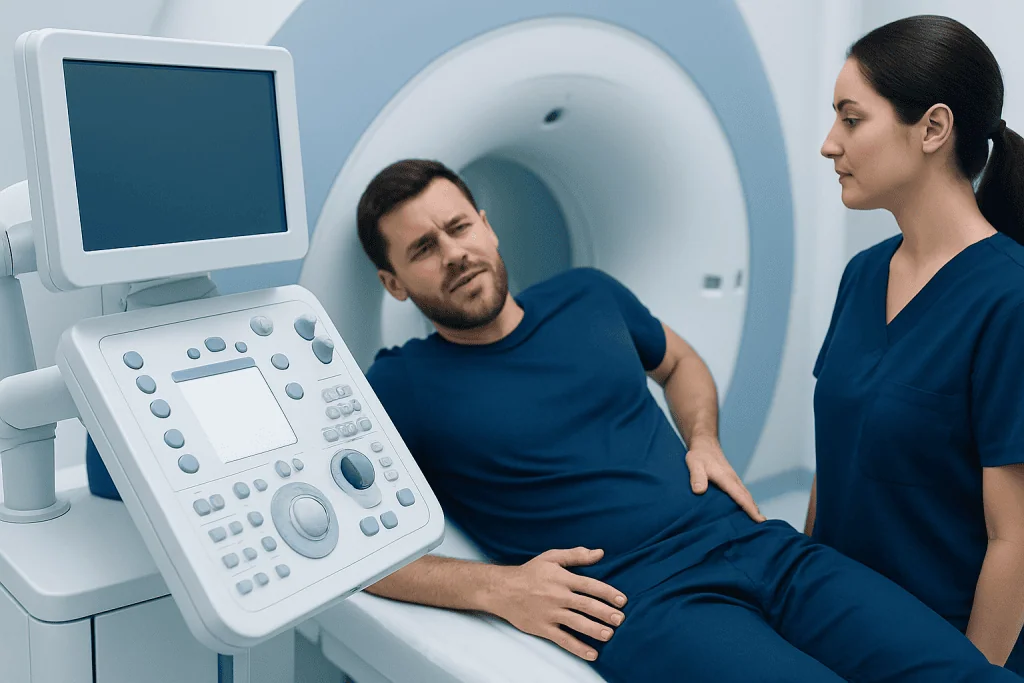
The symptoms of a labral tear can vary by joint, tear size, and activity level. Many people notice deep joint pain that is hard to point to with one finger. The discomfort may come and go at first, then become more noticeable during sports, exercise, lifting, overhead reaching, prolonged sitting, stairs, or twisting movements.
Shoulder labral tears often cause pain with overhead activities, throwing, pushing, or pulling. Some people describe clicking, popping, catching, or a feeling that the shoulder may slip out of place. In cases related to instability or a previous dislocation, there may be weakness, reduced confidence in the joint, or repeated episodes of the shoulder feeling loose.
Hip labral tears commonly cause groin pain, though pain may also be felt in the side of the hip, buttock, or upper thigh. A person may notice stiffness, a limited range of motion, or a catching sensation when standing up, pivoting, running, or sitting for long periods. Typical symptoms can include:
- Deep joint pain during or after movement
- Clicking, locking, or catching
- Stiffness or reduced flexibility
- A feeling of instability or weakness
- Symptoms that worsen with sports or repetitive activity
These symptoms are not specific to a labral tear alone. Other problems, such as tendon injuries, arthritis, bursitis, impingement, or shoulder impingement syndrome, can cause similar complaints. That is why a proper assessment is important when symptoms continue or interfere with normal activities.
Causes, risk factors, and related joint problems
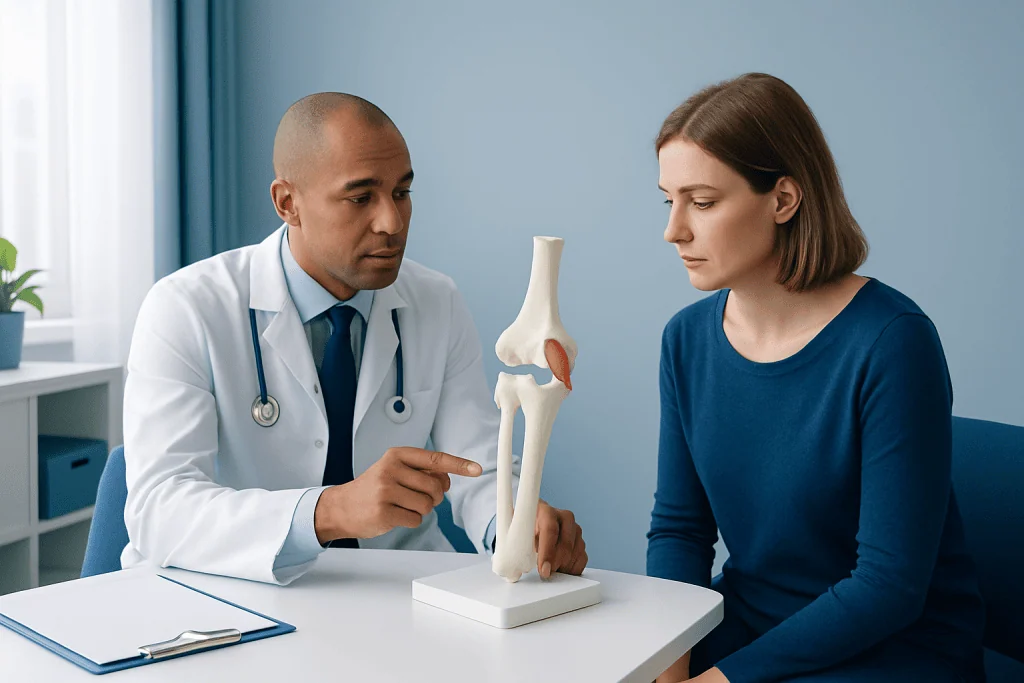
Labral tears can happen after a clear injury or build up over time. Traumatic causes include falls onto an outstretched arm, shoulder dislocation, sudden twisting of the hip, or direct sports injuries. Repetitive stress is another common cause, especially in athletes who throw, swim, lift weights, dance, or play sports that involve cutting and pivoting.
In the shoulder, labral tears may occur with instability, repeated overhead motion, or age-related degeneration. Different tear patterns can affect different parts of the labrum. In the hip, tears are often linked to structural problems that change how the joint moves and increase friction over time. One common example is hip impingement, also called femoroacetabular impingement, in which the bones rub abnormally and place repeated stress on the labrum.
Risk factors include poor movement mechanics, repetitive training without enough recovery, previous joint injury, high-demand athletic activity, and age-related cartilage wear. Some people also have greater risk because of joint laxity, shape differences in the hip or shoulder, or early degenerative change. A labral tear may exist alongside other conditions, such as cartilage damage, rotator cuff irritation, inflammation around the hip, or early osteoarthritis.
Understanding the underlying cause matters because treatment works best when it addresses both the tear and any related mechanical issue. For example, exercises may need to improve strength and control around the joint, while surgery may be considered when symptoms persist and a structural problem is contributing to ongoing irritation.
How doctors diagnose a labral tear
Diagnosis usually begins with a detailed medical history and physical examination. A doctor will ask when symptoms started, what movements trigger pain, whether there was a specific injury, and whether there are sensations such as clicking, locking, or instability. The physical exam may include range-of-motion testing, strength checks, and maneuvers designed to reproduce symptoms.
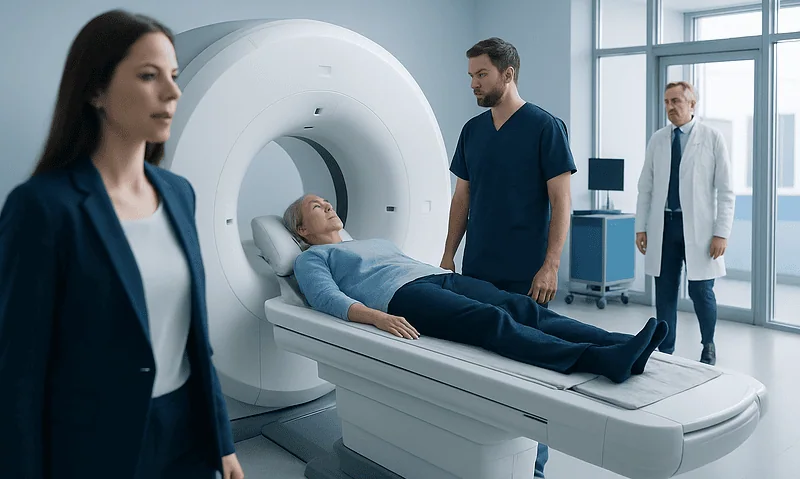
Because labral tears can overlap with many other joint problems, imaging is often used to support the diagnosis. Standard X-rays do not show the labrum itself, but they can help identify bone shape, arthritis, fractures, or alignment issues that may contribute to symptoms. MRI is commonly used to look at soft tissues, and in some cases MR arthrography, which uses contrast injected into the joint, can provide more detailed information about the labrum.
It is important to interpret imaging carefully. A tear on MRI does not always explain pain, especially if similar changes could be age-related or incidental. For that reason, many specialists focus on whether the scan findings match the person’s symptoms and examination results before recommending treatment.
When symptoms remain unclear, additional assessment may help rule out nearby causes such as tendon injuries, nerve-related pain, spinal referred pain, or arthritis. In some cases, diagnostic injections into the joint can help confirm whether the pain is truly coming from inside the joint.
Treatment options: from rehabilitation to surgery
Treatment depends on the joint involved, the severity of symptoms, the person’s activity level, and whether there is underlying instability or abnormal joint mechanics. In many cases, care begins with non-surgical treatment. This may include reducing aggravating activities for a period of time, using pain-relieving or anti-inflammatory medicines if appropriate, and starting a guided physical therapy program.
Physical therapy is often central to recovery. The goal is not only to reduce pain but also to improve joint control, flexibility, muscle balance, and movement patterns that protect the shoulder or hip. For shoulder tears, therapy may focus on the rotator cuff and shoulder blade muscles. For hip tears, it may target the hip stabilizers, core strength, and motion control during walking, running, and pivoting.
If symptoms continue despite a well-structured rehabilitation program, a specialist may discuss procedures such as joint injections or surgery. In selected cases, minimally invasive arthroscopy may be used to repair or trim the torn labrum and address related problems inside the joint. When a shoulder labral tear is associated with recurrent instability, treatment planning may also overlap with shoulder surgery. Hip-related tears caused by structural impingement may require correction of the underlying joint shape as part of treatment.
Recovery time varies. Some people improve with conservative care over weeks to months, while surgical recovery usually takes longer and includes a structured rehabilitation plan. The best option is individualized, balancing symptom severity, daily function, sports goals, imaging findings, and the presence of related conditions such as physical therapy and rehabilitation needs after injury or surgery.
Prevention, self-care, and staying active safely
Not every labral tear can be prevented, especially when it follows an accident or when joint shape plays a role. Still, certain habits may reduce stress on the shoulder and hip. Good conditioning, gradual training progressions, and proper technique during sports or exercise can help protect the joint over time.
For self-care, temporary activity modification is often useful. This means reducing motions that sharply increase pain, such as repeated overhead lifting, forceful throwing, deep squatting, or sudden pivoting, while staying as active as symptoms allow. Gentle range-of-motion work and strengthening exercises should ideally be guided by a clinician or physical therapist so the joint is not overloaded.
Helpful prevention and self-care steps may include:
- Warming up before sports or exercise
- Building strength around the shoulder, hip, and core
- Improving flexibility and movement mechanics
- Increasing training intensity gradually
- Allowing time for recovery after heavy activity
- Addressing recurrent instability or pain early
If symptoms are mild, early attention to movement patterns and muscle balance may prevent them from becoming more limiting. People with recurring pain should avoid pushing through persistent catching, locking, or instability, as that can prolong irritation and delay recovery.
When to seek medical care
Medical assessment is a good idea when joint pain lasts more than a few weeks, keeps returning, or begins to interfere with work, exercise, sleep, or everyday movement. Ongoing clicking or catching may not always mean serious damage, but it deserves attention when it is accompanied by pain, weakness, stiffness, or reduced function.
Prompt evaluation is especially important after a fall, dislocation, sports injury, or sudden twisting event that leads to significant pain or a sense of instability. A doctor should also assess joints that repeatedly give way, lock, or feel as though they may slip out of place. Immediate care may be needed if there is severe pain, visible deformity, inability to bear weight or move the joint, numbness, or signs of a fracture or dislocation.
Near the end of the care pathway, some people may benefit from specialist evaluation if symptoms do not improve with initial treatment. Acibadem International’s multidisciplinary specialists and JCI-accredited hospitals evaluate joint injuries, including suspected labral tears, for international patients and tailor diagnosis and treatment to the affected joint and activity needs.
Frequently asked questions
What is a labral tear?
A labral tear is damage to the ring of cartilage that helps stabilize the shoulder or hip joint. This cartilage deepens the joint socket and supports smoother movement. When torn, it can cause pain, catching, or a feeling that the joint is not moving normally.
Can a labral tear heal on its own?
Some symptoms from a labral tear can improve without surgery, especially with rest, activity changes, and targeted rehabilitation. The torn tissue itself may not fully return to normal, but many people still regain comfort and function. The best approach depends on symptoms, the joint involved, and any underlying structural problem.
How do hip and shoulder labral tears differ?
Both involve the same type of cartilage, but the symptoms and causes can differ by joint. Shoulder tears are more often linked to overhead sports, instability, or dislocation, while hip tears commonly cause groin pain and may be associated with impingement or twisting stress. Diagnosis and treatment are tailored to the affected joint.
Does every labral tear need surgery?
No. Many people are treated successfully with physical therapy, pain management, and activity modification. Surgery is generally considered when symptoms remain significant despite conservative care or when instability and structural joint problems are contributing to ongoing dysfunction.
What imaging test is best for a labral tear?
MRI is commonly used to evaluate a suspected labral tear because it shows soft tissues better than X-rays. In some cases, MR arthrography can provide a clearer view by outlining the labrum with contrast. Imaging results are usually interpreted together with symptoms and the physical examination.
How long does recovery take from a labral tear?
Recovery time varies depending on the joint, the severity of symptoms, and whether treatment is surgical or non-surgical. Some people improve over several weeks to months with rehabilitation alone. Recovery after surgery usually takes longer and involves a structured physical therapy program.
This article is for general information only and is not a substitute for professional medical advice. Please consult a qualified doctor about your individual situation.
Joint and spine care in Turkey — expert assessment & treatment
JCI-accredited · board-certified surgeons · reply within 24h
Add us as a Preferred Source to see more of our trusted health content across Google Search, AI Overviews and Discover.

More from the Health Library
CT scan with contrast: Symptoms, Causes, and Treatment — Complete Patient Guide

Ruptured Ovarian Cyst — Explained by Medical Evidence, Not Myths

Medical Pedicure: An Evidence-Based Guide for Patients

Tattoo Aftercare — Explained by Medical Evidence, Not Myths

Castile Soap: A Complete Medical Overview