Signs of Pneumonia: Possible Causes and When to Seek Care
Common signs of pneumonia include cough, fever, chills, shortness of breath, chest pain with breathing, and fatigue. Pneumonia may be caused by viruses, bacteria, or less commonly fungi, and symptoms can overlap with flu, COVID-19, or bronchitis.
Key Takeaways
- Common signs of pneumonia include cough, fever, chills, shortness of breath, chest pain with breathing, and fatigue.
- Pneumonia may be caused by viruses, bacteria, or less commonly fungi, and symptoms can overlap with flu, COVID-19, or bronchitis.
- Older adults, young children, pregnant people, and those with chronic illness or weakened immunity may have more serious illness.
- Diagnosis may involve a medical exam, pulse oximetry, chest imaging, and sometimes blood or sputum tests.
- Seek urgent care for trouble breathing, bluish lips, confusion, chest pain, or symptoms that are rapidly worsening.
Signs of pneumonia commonly include cough, fever, shortness of breath, chest discomfort, and unusual tiredness, but symptoms can vary by age, cause, and overall health. Prompt medical evaluation is important when breathing becomes difficult, symptoms are severe, or a person is at higher risk of complications.
Overview: What the signs of pneumonia can look like
Signs of pneumonia usually mean that the lungs are inflamed because of an infection, causing the air sacs to fill with fluid or pus. The most typical pattern is a cough along with fever, shortness of breath, chest discomfort, and marked tiredness. Some people feel ill over a few days, while others become unwell more suddenly.
Pneumonia is not a single disease with one fixed set of symptoms. It may be caused by bacteria, viruses, or less often fungi, and the symptoms can range from mild to severe. A healthy adult may notice fever and a painful cough, while an older person may mainly seem unusually weak, sleepy, or confused.
Because pneumonia can resemble other respiratory illnesses, symptoms alone do not always confirm the cause. Even so, recognizing the common warning signs helps people know when to rest, when to contact a doctor, and when to seek urgent medical attention.
Common symptoms and less obvious warning signs
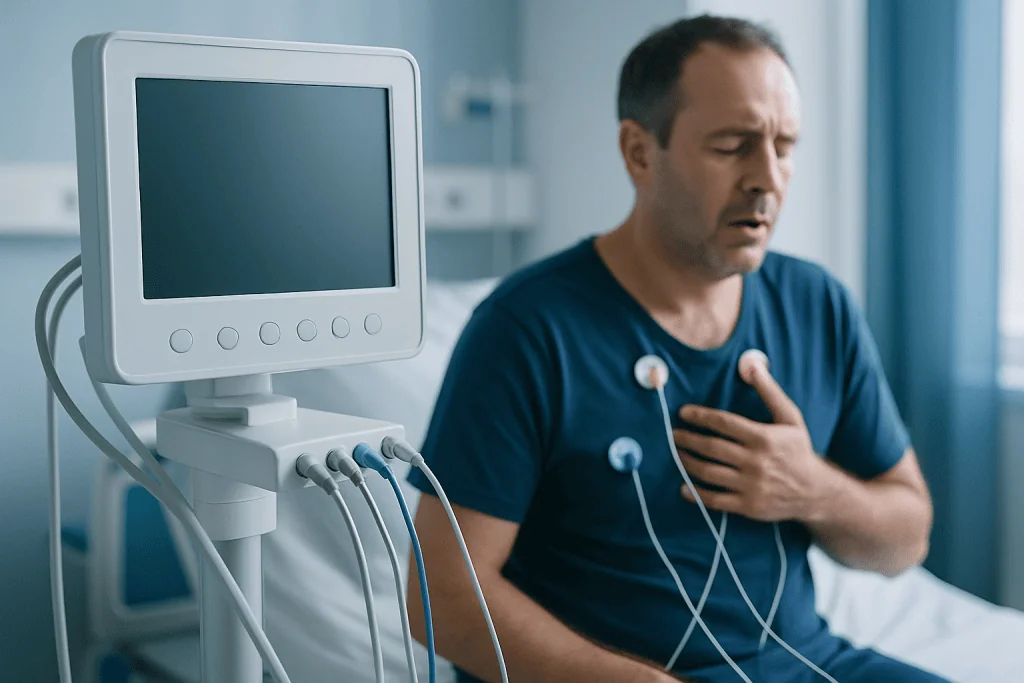
The most common signs of pneumonia include cough, fever, chills, shortness of breath, and chest pain that becomes worse with deep breathing or coughing. The cough may be dry or may bring up mucus. Some people also have sweating, headache, body aches, loss of appetite, nausea, or a general feeling of weakness.
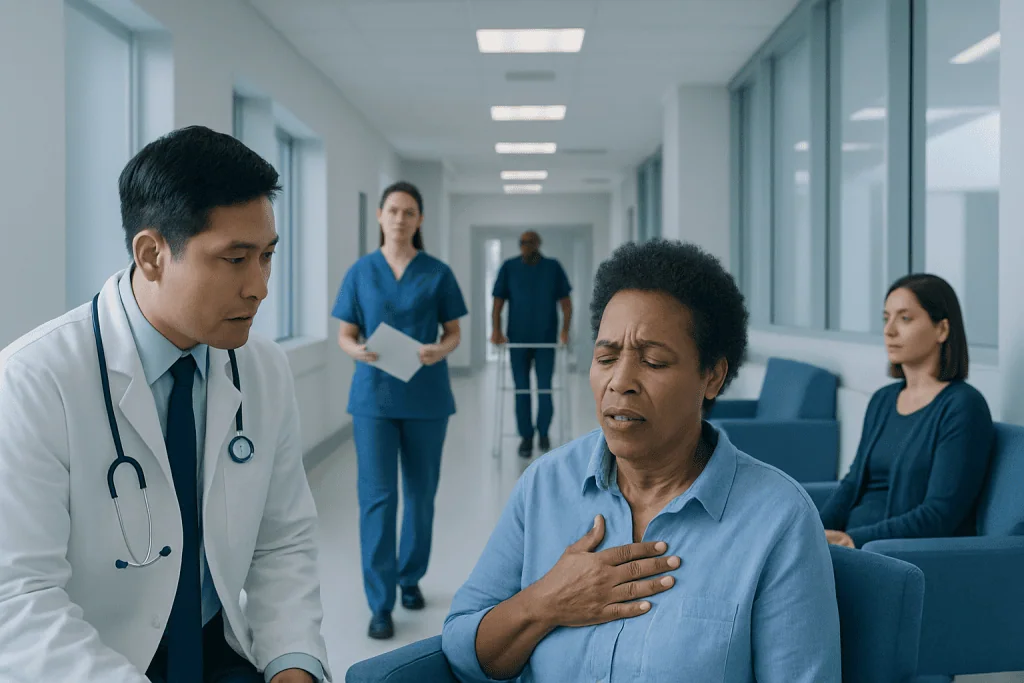
Breathing symptoms are often the most important to notice. A person may feel winded while walking short distances, breathe faster than usual, or struggle to take a full breath. Chest discomfort from pneumonia is often described as sharp or stabbing, especially during a cough or deep inhalation.
Symptoms are not always classic. Older adults may have milder fever or no fever at all, but may become confused, dizzy, or suddenly less active. Children can show fast breathing, grunting, flaring nostrils, poor feeding, vomiting, or unusual sleepiness. In babies and older adults, these less obvious changes can be as important as cough or fever.
- Cough, with or without mucus
- Fever, chills, or sweating
- Shortness of breath or rapid breathing
- Chest pain with breathing or coughing
- Fatigue, weakness, or reduced appetite
- Confusion or worsening function, especially in older adults
Possible causes and who is more at risk

Pneumonia happens when germs infect the lungs. Bacterial pneumonia often causes fever, productive cough, and chest pain, though it may start after a viral illness. Viral pneumonia may begin more gradually, sometimes with sore throat, runny nose, or body aches before cough and breathing symptoms become more noticeable. Fungal pneumonia is less common and is more likely in people with specific environmental exposures or weakened immune systems.
Several factors can increase the risk of pneumonia or make it more severe. These include older age, infancy, pregnancy, smoking, chronic lung disease, heart disease, diabetes, kidney disease, cancer treatment, and conditions that weaken the immune system. Difficulty swallowing, heavy alcohol use, recent surgery, or being bedridden can also raise the chance of infection entering the lungs.
Some lung conditions can make symptoms harder to interpret because they already cause cough or breathlessness. For example, people living with chronic obstructive pulmonary disease may notice a sharper change from their usual breathing pattern rather than entirely new symptoms. A clinician can help distinguish pneumonia from flare-ups of other respiratory conditions.
How pneumonia differs from a cold, flu, bronchitis, or COVID-19
Many respiratory infections share symptoms, so it can be difficult to tell them apart at home. A common cold usually causes runny nose, sneezing, sore throat, and mild cough, but it does not typically cause significant shortness of breath or chest pain. Influenza and COVID-19 can cause fever, cough, and body aches, and in some people they may also lead to pneumonia.
Bronchitis mainly affects the larger airways, while pneumonia affects the lung tissue itself. With pneumonia, people are more likely to have breathing difficulty, higher fever, chest pain with breathing, and signs that oxygen levels may be lower. Still, these differences are not always clear without a physical examination and sometimes imaging.
If symptoms are getting worse rather than better after a few days, or if a person feels much more short of breath than expected for a routine viral illness, a medical review is sensible. This is especially important for anyone who is older, immunocompromised, or already has heart or lung disease.
How doctors diagnose pneumonia
Diagnosis begins with a conversation about symptoms, timing, medical history, and risk factors. A doctor will usually listen to the lungs, check temperature and breathing rate, and measure oxygen saturation with a pulse oximeter. These steps help assess how serious the illness may be.
Chest imaging is often used when pneumonia is suspected. A chest X-ray is a common first test because it can show areas of infection in the lungs. In some situations, a CT scan may be used for a closer look, especially if symptoms are severe, unclear, or not improving. This may be part of a broader diagnostic imaging evaluation.
Additional tests depend on the situation. Blood tests may help look for signs of infection, and sputum testing may be used in selected cases to identify a likely germ. Viral testing can also be important when influenza, COVID-19, or another respiratory virus is suspected. If breathing problems are significant, evaluation in a hospital setting may be needed.
Treatment options and recovery
Treatment depends on the cause, symptom severity, age, and underlying health. Bacterial pneumonia is treated with antibiotics, while viral pneumonia does not improve with antibiotics unless there is also a bacterial infection. Supportive care is important in all cases and may include rest, fluids, fever control, and close monitoring of breathing symptoms.
Some people can recover at home with regular medical follow-up, while others need hospital care. Hospital treatment may include oxygen, intravenous fluids, and medicines tailored to the likely cause. If a person has severe breathing difficulty or low oxygen levels, more advanced respiratory support may be necessary. In selected settings, this may involve intensive care or support from pulmonology specialists.
Recovery time varies. Fever may settle within days, but cough and tiredness can last longer, especially in older adults or after a more severe infection. A person should follow the treatment plan carefully, avoid smoking, and contact a clinician if symptoms worsen, return, or fail to improve as expected.
Prevention, self-care, and when to seek medical care
Not every case of pneumonia can be prevented, but risk can be reduced. Vaccination against influenza, COVID-19, and pneumococcal disease is important for many adults and children, depending on age and health status. Good hand hygiene, avoiding tobacco smoke, managing chronic conditions well, and getting enough rest and nutrition also support lung health.
At home, self-care means resting, drinking fluids if appropriate, taking prescribed medicines as directed, and watching symptoms closely. People should avoid intense physical effort until breathing and energy improve. It can also help to track temperature, cough, and any increase in breathlessness, especially in older adults who may not develop a high fever.
Medical care should be sought promptly for signs of pneumonia that are severe or worsening. Urgent evaluation is needed for trouble breathing, blue lips or face, confusion, faintness, chest pain, dehydration, a very high or persistent fever, or symptoms in a baby, frail older adult, or someone with a weakened immune system. Acibadem International’s multidisciplinary specialists in JCI-accredited hospitals diagnose and treat respiratory infections for international patients, including cases that may require pneumonia assessment and follow-up.
Frequently asked questions
What are the first signs of pneumonia?
Early signs of pneumonia often include cough, fever, chills, tiredness, and shortness of breath. Some people also notice chest pain when taking a deep breath or coughing. In older adults, confusion or sudden weakness may appear before a strong cough develops.
Can pneumonia happen without a fever?
Yes, pneumonia can occur without a noticeable fever, especially in older adults or people with weakened immune systems. In these cases, symptoms such as fatigue, confusion, loss of appetite, cough, or breathing difficulty may be more prominent. That is why the overall pattern of illness matters more than fever alone.
How do people know if a cough is pneumonia or just bronchitis?
A cough from pneumonia is more likely to come with fever, shortness of breath, chest pain with breathing, and a stronger feeling of illness. Bronchitis often causes cough and mucus but may not cause low oxygen, sharp chest pain, or the same degree of breathlessness. A clinician may need to examine the person and order a chest X-ray to tell the difference.
When should someone go to the hospital for signs of pneumonia?
Hospital evaluation is important if there is severe shortness of breath, blue lips, confusion, chest pain, fainting, dehydration, or rapidly worsening symptoms. Infants, older adults, pregnant people, and those with chronic disease or immune problems should seek care sooner. Low oxygen levels or difficulty speaking in full sentences also need urgent attention.
Is pneumonia always caused by bacteria?
No, pneumonia can be caused by bacteria, viruses, and less commonly fungi. The cause affects treatment decisions, which is why a medical evaluation can be important. Antibiotics help bacterial pneumonia but do not treat viral pneumonia unless a bacterial infection is also present.
How long does it take to recover from pneumonia?
Recovery varies from person to person and depends on the cause, age, general health, and severity of infection. Some symptoms improve within days, while cough and fatigue can last for several weeks. Follow-up is important if symptoms are not steadily improving or if they return after seeming to get better.
References
- World Health Organization
- Centers for Disease Control and Prevention
- National Heart, Lung, and Blood Institute
- American Lung Association
- National Institute for Health and Care Excellence
This article is for general information only and is not a substitute for professional medical advice. Please consult a qualified doctor about your individual situation.
Pneumonia in Turkey — costs, top hospitals & a free quote
JCI-accredited · board-certified surgeons · reply within 24h
Add us as a Preferred Source to see more of our trusted health content across Google Search, AI Overviews and Discover.