Pupil: An Evidence-Based Guide for Patients

The pupil changes size throughout the day in response to light, focus, emotions, and some medications. A dilated, constricted, or uneven pupil may be harmless in some people but can also be a sign of disease or injury.
Key Takeaways
- The pupil changes size throughout the day in response to light, focus, emotions, and some medications.
- A dilated, constricted, or uneven pupil may be harmless in some people but can also be a sign of disease or injury.
- Doctors assess pupil reactions as part of both eye and neurological examinations.
- Urgent care is important if pupil changes happen suddenly or with pain, vision loss, drooping eyelid, severe headache, or head trauma.
- Treatment depends on the underlying cause rather than the pupil itself.
The pupil is the dark opening at the center of the eye that helps regulate vision by controlling how much light enters. Pupil size often changes normally, but sudden, uneven, or persistent changes can sometimes point to an eye, brain, or nerve condition that needs medical evaluation.
Overview: What the Pupil Does
The pupil is the black circular opening in the center of the iris, the colored part of the eye. Its main role is to control how much light enters the eye. In bright light, the pupil becomes smaller to reduce light exposure. In dim light, it enlarges to allow more light in and help vision.
Although it looks black, the pupil is not a solid structure. It is simply an opening that lets light pass through the lens and reach the retina at the back of the eye. This process is essential for forming clear images.
Pupil size is controlled by tiny muscles in the iris and by signals from the nervous system. Because of this close connection, changes in the pupil can reflect not only eye health but also brain and nerve function. For that reason, doctors often check pupils during routine eye exams and neurological assessments.
Many pupil changes are normal and temporary. However, a pupil that is suddenly very large, very small, irregularly shaped, or different from the other eye may need medical attention, especially if other symptoms appear at the same time.
Normal Pupil Changes and What They Mean
Pupils naturally adjust from moment to moment. Light is the main trigger, but it is not the only one. When a person looks at something close, the pupils usually become smaller as part of the eye’s focusing response. Emotions such as fear, excitement, or stress can also briefly enlarge the pupils.
Normal pupil size varies from person to person and with age. In general, pupils tend to be larger in younger people and may become smaller with aging. Temporary differences can also occur after using certain eye drops or medicines.
Some people have a small natural difference in pupil size between the two eyes. This is called physiologic anisocoria. It is usually mild, stable over time, and not linked to pain or vision changes. A doctor can help determine whether uneven pupils are a harmless variation or a sign of a medical problem.
In clinical care, doctors look not only at size but also at how the pupils react. They assess whether both pupils constrict to light, whether they respond symmetrically, and whether the shape is round and regular. These details provide clues about possible eye, nerve, or brain disorders.
Symptoms and Abnormal Pupil Findings
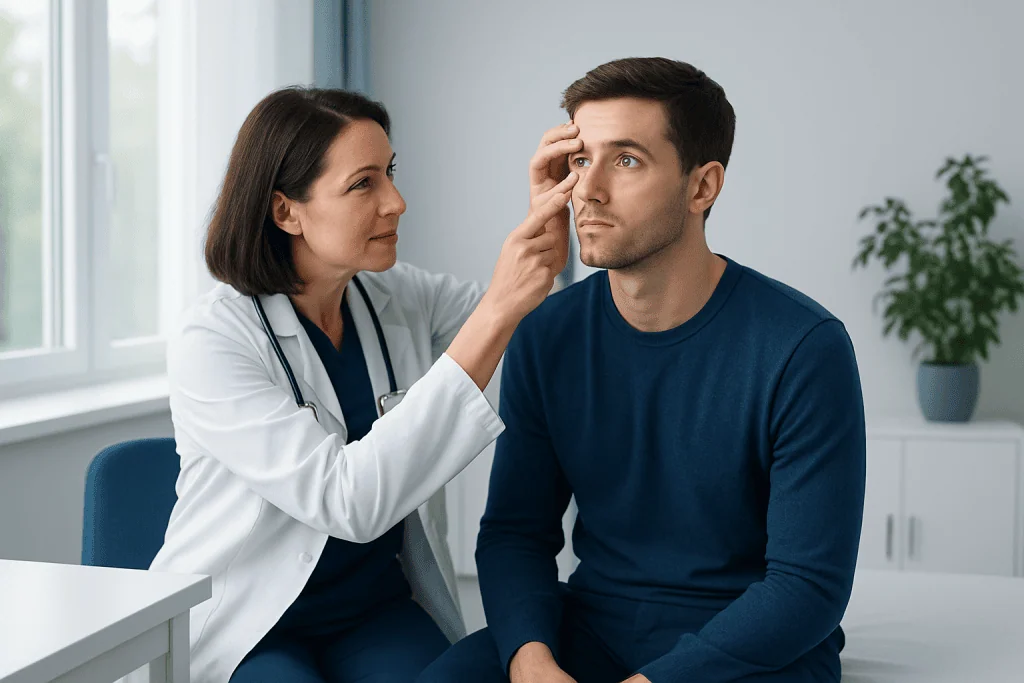
Abnormal pupil findings can involve size, shape, symmetry, or reaction to light. A dilated pupil remains larger than expected, while a constricted pupil stays unusually small. Some pupils react slowly, and others do not respond well to light at all.
Another common concern is unequal pupils, also called anisocoria. This means one pupil is larger or smaller than the other. Unequal pupils may be harmless, but they can also occur with nerve problems, eye injury, inflammation, or certain neurological conditions.
Changes in pupil shape can also matter. An irregular pupil may develop after trauma, surgery, inflammation inside the eye, or structural problems affecting the iris. In some cases, patients also notice glare, blurred vision, or light sensitivity.
Symptoms that may occur along with pupil abnormalities include:
- Eye pain or redness
- Blurred or double vision
- Sensitivity to light
- Drooping eyelid
- Headache, especially severe or sudden
- Nausea or vomiting
- Weakness, numbness, or confusion
- Recent head or eye injury
When these symptoms happen together, they may suggest a problem that goes beyond the eye alone and should be assessed promptly.
Causes and Risk Factors
Pupil changes can result from many different causes. Some are temporary and expected, such as dim lighting, emotional arousal, or prescribed eye drops used during an eye examination. Certain medications, including some allergy medicines, antidepressants, opioid drugs, and motion-sickness treatments, can also affect pupil size.
Eye-related causes include inflammation, trauma, glaucoma, previous eye surgery, and damage to the iris. Conditions affecting the optic or autonomic nerves may change how the pupil reacts. In some people, infections or inflammation inside the eye can disturb the normal pupil response.
Neurological causes are also important. Problems involving the brain, cranial nerves, or sympathetic nerve pathways may lead to one-sided pupil changes. Examples include Horner syndrome, third nerve palsy, aneurysm, stroke, or head injury. In this context, the pupil is part of a broader neurological picture rather than the only problem.
Risk factors depend on the underlying cause but may include:
- Recent eye or head trauma
- Use of medications or eye drops that influence the nervous system
- History of migraine or neurological disease
- Eye infections or inflammatory conditions
- Previous eye surgery
- Exposure to chemicals or toxins
Because causes range from minor to serious, persistent or sudden changes should not be self-diagnosed based on appearance alone.
How Doctors Diagnose Pupil Problems
Diagnosis begins with a careful history. The doctor asks when the pupil change started, whether it affects one eye or both, and whether there are associated symptoms such as pain, headache, vision loss, or trauma. Medication use, including patches, inhalers, and eye drops, is also important because these can influence pupil size.
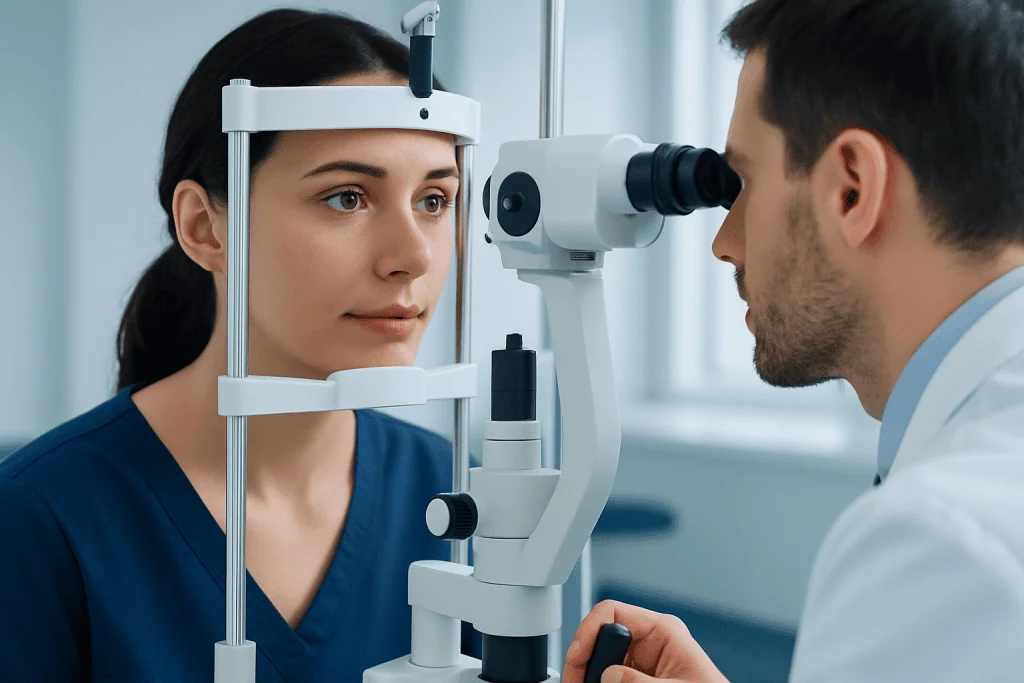
The physical examination usually includes checking visual acuity, eye movements, eyelid position, and pupil reactions in both bright and dim light. The doctor may shine a light into each eye to compare direct and consensual responses. A slit-lamp eye exam may help identify injury, inflammation, or structural changes in the iris.
If the pattern suggests a nerve or brain-related cause, further testing may be needed. This can include imaging studies, blood tests, or referral to eye and nerve specialists. In some cases, specialists evaluate for glaucoma, cataract, or other eye disorders that may contribute to symptoms.
Depending on the suspected cause, testing may involve MRI scanning or CT imaging to examine the brain, eye socket, or surrounding structures. The goal is not simply to measure the pupil but to identify why it has changed and whether urgent treatment is needed.
Treatment Options and What Recovery Depends On
There is no single treatment for an abnormal pupil because management depends on the cause. If medicine or eye drops are responsible, the pupil often returns to normal after the effect wears off or the treatment is adjusted under medical supervision. If the change is due to injury or inflammation, the focus is on treating the eye problem itself.
Eye disorders may require prescription drops, monitoring, or surgery, depending on the diagnosis. For example, treatment may be directed at retinal detachment symptoms, internal eye inflammation, or pressure-related conditions. Neurological causes may call for urgent hospital evaluation if they raise concern for stroke, aneurysm, or nerve compression.
Some patients need coordinated care between ophthalmology, neurology, and radiology. In selected situations, further examination of the eye and optic nerve can include comprehensive eye examination and targeted imaging. Recovery may be complete, partial, or variable depending on whether the underlying condition is temporary, chronic, or promptly treated.
Near the end of the care pathway, follow-up is often as important as the first visit. Doctors may repeat pupil checks to confirm that the problem is stable or improving. Acibadem International’s multidisciplinary specialists and JCI-accredited hospitals diagnose and treat eye and neurological conditions for international patients when this kind of coordinated evaluation is needed.
Prevention, Self-Care, and Daily Monitoring
Not all pupil changes can be prevented, but some practical steps can lower risk. Protecting the eyes during sports, home repairs, and work activities can reduce injury. Using medications only as directed and telling a doctor about all current prescriptions, supplements, and eye drops can also help avoid medication-related pupil effects.
General eye health habits matter as well. Routine eye exams help detect silent problems before symptoms become more serious. People with diabetes, high blood pressure, migraine, or prior eye disease may benefit from regular monitoring because these conditions can affect vision and nerve function over time.
At home, it can help to note when the pupil change first appeared and whether it changes in bright or dim light. A person should not put drops in the eye unless advised by a clinician, and should avoid driving if vision is blurred, doubled, or sensitive to light.
Self-care is appropriate only for observation of mild, known, and stable changes. A new or unexplained pupil difference should be reviewed by a qualified doctor rather than watched for too long.
When to Seek Medical Care
A doctor should evaluate a pupil change that is new, persistent, or not clearly explained by prescribed drops or known eye conditions. Medical review is especially important if one pupil suddenly becomes much larger or smaller than the other, or if the pupil shape becomes irregular.
Urgent care is needed if pupil changes happen with severe headache, eye pain, sudden vision loss, double vision, drooping eyelid, confusion, weakness, or after a head or eye injury. These symptoms can point to an emergency involving the eye, nerves, or brain.
Children with unusual pupils also deserve medical assessment, especially if the change is new or associated with poor feeding, lethargy, irritability, or injury. Even when the cause turns out to be harmless, timely evaluation offers reassurance and helps rule out more serious conditions.
When in doubt, it is safer to seek prompt medical advice. The pupil is a small part of the eye, but it can provide important information about overall health.
Frequently asked questions
What is the pupil and why does it change size?
The pupil is the opening in the center of the iris that controls how much light enters the eye. It becomes smaller in bright light and larger in dim light. It may also change with focusing, emotions, and some medicines.
Is it normal for one pupil to be slightly bigger than the other?
A small, stable difference between the pupils can be normal in some people. This is often called physiologic anisocoria and usually does not cause other symptoms. A doctor should assess it if the difference is new, increasing, or linked to pain, drooping eyelid, or vision changes.
What causes a dilated pupil?
A dilated pupil can happen in darkness, after certain eye drops, or with some medications. It can also be caused by eye trauma, nerve problems, or brain-related conditions. Sudden one-sided dilation should be checked promptly, especially if other symptoms are present.
Can stress affect the pupil?
Yes. Stress, fear, and excitement can temporarily enlarge the pupils as part of the body's natural response. This effect is usually brief and goes away once the trigger settles.
When are pupil changes an emergency?
Pupil changes need urgent evaluation if they begin suddenly or occur with severe headache, eye pain, double vision, drooping eyelid, confusion, weakness, or recent injury. These combinations can signal a serious eye or neurological problem. Immediate medical assessment is the safest step.
How do doctors test the pupils?
Doctors examine the pupils in bright and dim light and check whether they react equally and appropriately. They also assess vision, eye movements, eyelids, and the front and back of the eye. If needed, imaging or specialist testing may be added to look for the underlying cause.
References
- American Academy of Ophthalmology
- National Eye Institute
- Merck Manual Professional Edition
- Mayo Clinic
- MedlinePlus
This article is for general information only and is not a substitute for professional medical advice. Please consult a qualified doctor about your individual situation.
Explore treatments in Turkey — costs, top hospitals & a free quote
JCI-accredited · board-certified surgeons · reply within 24h
Add us as a Preferred Source to see more of our trusted health content across Google Search, AI Overviews and Discover.

More from the Health Library

Cyclosporine: A Complete Medical Overview

Pedialyte for Babies — Explained by Medical Evidence, Not Myths

Throat Is Sore From Throwing Up: An Evidence-Based Guide for Patients

Av Fistula: What Patients Need to Know

Cornea: What Patients Need to Know