Masterbating: A Complete Medical Overview

Masterbating is common and usually not medically harmful. There is no evidence that masturbation causes infertility, blindness, weakness, or major long-term physical damage.
Key Takeaways
- Masterbating is common and usually not medically harmful.
- There is no evidence that masturbation causes infertility, blindness, weakness, or major long-term physical damage.
- Problems are more likely to involve pain, skin irritation, injury, compulsive behavior, or emotional distress rather than the act itself.
- Good hygiene, lubrication when needed, and avoiding excessive friction can reduce irritation and injury.
- A doctor should assess persistent pain, bleeding, discharge, erection problems, pelvic symptoms, or behavior that feels out of control.
Masterbating is generally considered a normal part of human sexuality and, by itself, does not usually harm physical or mental health. Medical attention may be helpful if it causes pain, injury, guilt that feels overwhelming, or begins to interfere with relationships, work, sleep, or daily activities.
Overview: is masterbating normal?
Masterbating is usually a normal sexual behavior. For many people, it is a private way to explore the body, release sexual tension, and learn what feels comfortable. On its own, it is not generally considered harmful and does not typically cause serious medical problems.
Concerns about masturbation often come from myths, cultural messages, or anxiety rather than from medical evidence. It does not cause blindness, infertility, permanent weakness, or shrinking of the genitals. While orgasm can temporarily affect mood, energy, or sensitivity, these short-term effects are usually mild and normal.
From a health perspective, the main questions are practical ones: does it cause pain, skin irritation, injury, guilt that feels difficult to manage, or a pattern of behavior that disrupts daily life? When any of these are present, an evaluation can help identify whether the issue is physical, emotional, or both.
How masturbation affects the body and mind
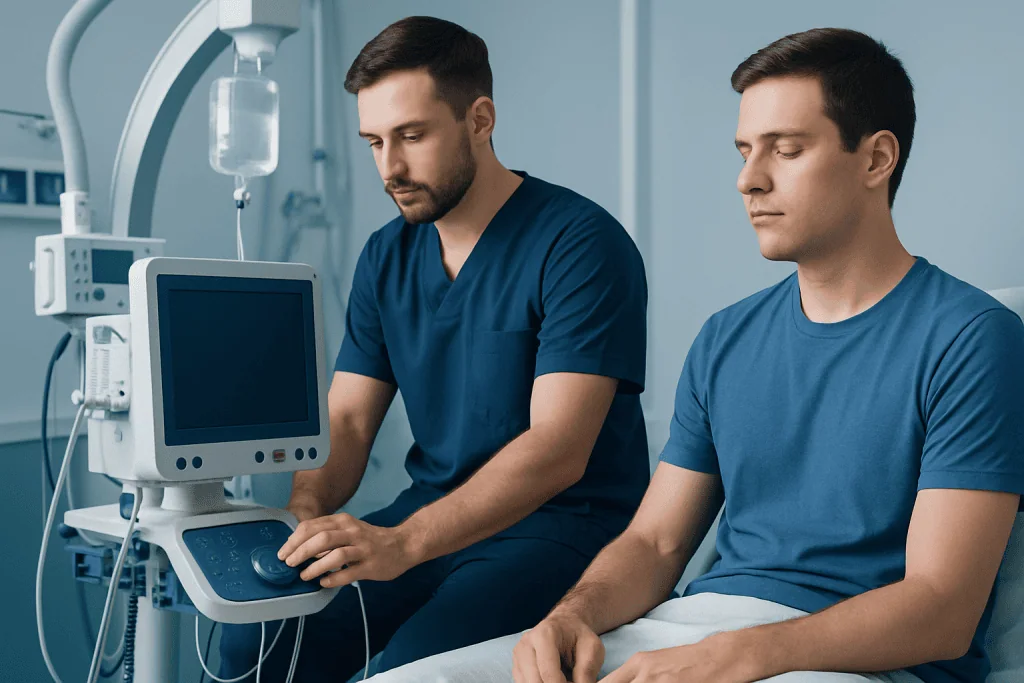
Masturbation triggers normal sexual arousal responses in the nervous system, blood vessels, muscles, and hormones. During arousal and orgasm, the body releases chemical signals linked with pleasure, relaxation, and stress relief. Some people notice temporary calmness afterward, while others may feel sleepy or emotionally sensitive for a short time.
Physical effects are usually brief and expected. These can include genital sensitivity, a faster heart rate during arousal, ejaculation in males, vaginal lubrication in females, or temporary pelvic muscle contractions during orgasm. Mild soreness can happen if there has been vigorous or prolonged friction, but lasting pain is not typical.
Emotional effects vary from person to person. Many people feel neutral or positive afterward, but some experience shame, worry, or conflict because of personal beliefs or past experiences. If masturbation is followed by repeated distress, intrusive thoughts, or behavior that feels compulsive, it may be helpful to discuss this with a doctor or mental health professional.
Possible side effects, myths, and what is not normal
The most common side effects of masturbation are minor and temporary. These may include skin irritation, redness, tenderness, or swelling caused by friction. In some cases, rough technique, overly tight gripping, or the use of irritating products can lead to soreness or small skin injuries.
There are also many myths about masturbation that are not supported by medical evidence. It does not cause acne, blindness, infertility, low testosterone, loss of masculinity or femininity, or permanent sexual dysfunction. Frequent masturbation can temporarily reduce sensitivity for some people, but this usually improves with rest or a change in technique.
What is not normal is severe pain, bleeding, penile curvature after trauma, genital numbness that does not improve, pelvic pain, or symptoms of infection such as burning, discharge, or fever. These symptoms should not be blamed on masturbation alone, because they can point to another condition such as a urinary tract infection, skin inflammation, pelvic floor tension, or a urologic problem.
- Mild, short-lived tenderness: usually not serious
- Persistent pain or swelling: needs medical assessment
- Shame or distress that affects daily life: worth discussing with a professional
- Bleeding, discharge, or fever: not typical and should be evaluated
When masturbation may become a health concern
Masturbation can become a concern when it stops feeling voluntary or starts interfering with everyday functioning. Examples include repeated urges that are difficult to control, using it as the main way to cope with stress, or continuing despite skin injury, exhaustion, missed responsibilities, or relationship problems. In these situations, the issue is usually not masturbation itself, but the loss of balance or control around the behavior.
Some people also worry that frequent masturbation has caused erection problems or reduced sexual satisfaction with a partner. This can happen indirectly if someone becomes used to a very specific pattern of stimulation, speed, pressure, or visual cues. If sexual function changes are ongoing, a medical evaluation can help check for contributing factors such as stress, anxiety, sleep problems, medication effects, hormonal issues, or erectile dysfunction.
For others, the main issue is pain in the penis, testicles, pelvis, vulva, or lower abdomen after orgasm. This may relate to muscle tension, prostate or bladder irritation, infection, or inflammation rather than to masturbation itself. Persistent symptoms deserve professional attention, especially if they are new, worsening, or associated with urinary symptoms.
Diagnosis: how doctors evaluate related symptoms
Doctors do not diagnose “too much masturbation” by a fixed number. Instead, they look at symptoms, impact on daily life, and any signs of injury or an underlying condition. A respectful medical assessment usually begins with questions about pain, skin changes, urinary symptoms, erections, ejaculation, menstrual or pelvic symptoms, medications, stress, mood, and sleep.
A physical exam may be recommended if there is pain, swelling, rash, discharge, bleeding, curvature, or concern about trauma. Depending on the symptoms, a doctor may also check for skin irritation, infection, pelvic floor tension, or other genital and urinary conditions. If there is emotional distress, the assessment may also explore anxiety, depression, obsessive thoughts, or compulsive sexual behavior.
Tests are not always needed. When symptoms suggest another cause, a clinician may arrange urine testing, sexual health screening, hormone testing, or imaging. In selected cases, evaluation by a specialist in urology care or by professionals in psychiatry can help clarify the cause and guide treatment.
Treatment and practical self-care
Treatment depends on the problem, not on masturbation alone. If the issue is skin irritation, simple steps such as taking a short break, reducing friction, using a gentle lubricant, and avoiding harsh soaps or irritating products are often enough. If there is significant injury, infection, or ongoing pain, treatment should be directed by a doctor.
When masturbation feels compulsive or linked with distress, treatment may focus on the underlying pattern rather than strict avoidance. Helpful approaches can include identifying triggers, building other stress-management habits, limiting exposure to triggers when appropriate, and addressing sleep, anxiety, or depression. Counseling or sex therapy may be useful, especially if guilt, relationship concerns, or performance worries are part of the problem.
For sexual function symptoms such as persistent erection difficulties, pain with ejaculation, or concerns about sensitivity, targeted evaluation is important. Depending on the findings, doctors may recommend pelvic floor strategies, medication review, psychological support, or specialized assessment such as erectile dysfunction treatment. The goal is to treat the true cause, not to assume masturbation is always responsible.
- Use adequate lubrication if dryness or friction is a problem
- Stop if there is sharp pain, numbness, or skin injury
- Allow irritated skin time to heal before resuming sexual activity
- Seek support if sexual behavior feels difficult to control
When to seek medical care
Medical advice is recommended if masturbation causes ongoing pain, visible injury, bleeding, discharge, urinary burning, fever, or swelling of the genitals. It is also sensible to seek care for new curvature of the penis after trauma, severe pelvic pain, or symptoms that continue even after stopping for several days. These are not typical effects and may point to another condition that needs treatment.
A doctor can also help if masturbation is followed by persistent erection problems, delayed orgasm, loss of sensation, or distress that affects confidence or relationships. Emotional symptoms matter too. If the behavior feels compulsive, causes major guilt, disrupts work or sleep, or is being used to cope with low mood or anxiety, professional support can be valuable.
Near the end of the care journey, some people benefit from multidisciplinary assessment. Acibadem International’s multidisciplinary specialists and JCI-accredited hospitals evaluate and treat sexual health, urinary, and mental health concerns for international patients, with referrals when needed to services such as psychology and urology.
Frequently asked questions
Is masterbating bad for health?
Usually no. Masturbation is generally considered a normal sexual behavior and does not typically harm physical health. It becomes a medical concern mainly if it causes pain, injury, major distress, or interferes with daily life.
Can masturbation cause infertility?
No, masturbation does not cause infertility by itself. Temporary changes in semen volume or timing after frequent ejaculation can happen, but they are not the same as infertility. If there are fertility concerns, a doctor should look for other possible causes.
Why does it hurt after masturbation?
Pain after masturbation may come from friction, muscle tension, irritation, or using too much pressure. It can also be related to another issue such as infection, pelvic floor dysfunction, or a urologic condition. Persistent or severe pain should be checked by a clinician.
Can masturbation cause erectile dysfunction?
Masturbation does not directly cause erectile dysfunction in most people. However, stress, anxiety, fatigue, or becoming used to a very specific style of stimulation may affect sexual response. Ongoing erection problems deserve a proper medical assessment.
How often is too often?
There is no fixed medically normal number. Frequency matters less than whether the behavior feels voluntary, comfortable, and balanced with the rest of life. If it causes injury, distress, missed responsibilities, or relationship strain, it may be too frequent for that person.
Should someone stop masturbating completely if there is a problem?
Not always. If there is irritation or pain, a short break and gentler technique may be enough, while other situations need treatment for an underlying condition. A doctor can help decide whether rest, self-care, counseling, or further testing is the best next step.
References
- World Health Organization
- American Urological Association
- Mayo Clinic
- Cleveland Clinic
- National Health Service
This article is for general information only and is not a substitute for professional medical advice. Please consult a qualified doctor about your individual situation.
Explore treatments in Turkey — costs, top hospitals & a free quote
JCI-accredited · board-certified surgeons · reply within 24h
Add us as a Preferred Source to see more of our trusted health content across Google Search, AI Overviews and Discover.
Check your numbers in seconds
BMI, calories, due date, blood pressure and 30+ more clinical calculators — free, instant, doctor-reviewed ranges.

More from the Health Library
Ventilator — Explained by Medical Evidence, Not Myths

Abscess: A Complete Medical Overview

Acido Citrico: An Evidence-Based Guide for Patients

Would You Date Someone with Herpes Poll: An Evidence-Based Guide for Patients

Flatback — Explained by Medical Evidence, Not Myths