Sore Bum Bones: A Complete Medical Overview

“Sore bum bones” commonly describes pain in the tailbone or sit bones rather than the muscles alone. Common triggers include falls, long periods of sitting, cycling, childbirth, and tendon or bursa irritation.
Key Takeaways
- “Sore bum bones” commonly describes pain in the tailbone or sit bones rather than the muscles alone.
- Common triggers include falls, long periods of sitting, cycling, childbirth, and tendon or bursa irritation.
- Most mild cases improve with activity changes, cushions, posture support, and pain relief measures.
- Medical review is important if pain follows trauma, lasts more than a few weeks, or comes with numbness, fever, or bowel or bladder symptoms.
- Diagnosis may involve a physical exam and, when needed, imaging to look for fracture, inflammation, or other causes.
Sore bum bones usually refers to pain around the tailbone or the sitting bones at the bottom of the pelvis. It is often linked to pressure, minor injury, prolonged sitting, or strain, but persistent or severe pain should be assessed to rule out a fracture, nerve problem, or another medical condition.
Overview: What people mean by “sore bum bones”
“Sore bum bones” is a nonmedical phrase people often use for pain felt deep in the lower buttock area when sitting, standing up, or leaning back. In many cases, the discomfort comes from either the tailbone, called the coccyx, or the two sitting bones, called the ischial tuberosities. These are normal bony parts of the pelvis that bear pressure when a person sits.
Because several structures meet in this area, the pain may not always come from bone itself. Nearby ligaments, tendons, small fluid-filled bursae, pelvic floor muscles, and nerves can all cause pain that feels like it is “in the bones.” That is why the exact location, timing, and trigger of symptoms matter.
Tailbone pain is often described as soreness or sharp pain at the very bottom of the spine, especially after sitting on a hard surface or after a fall. Sit-bone pain is usually felt lower and slightly wider apart, often where body weight rests on a chair. People who spend long periods seated, cycle often, or have had recent strain may notice this type of pain.
Most cases are not dangerous and improve with practical self-care. Still, ongoing pain deserves attention, especially if it affects daily life, follows trauma, or appears with other symptoms such as fever, weakness, or numbness.
Where the pain comes from
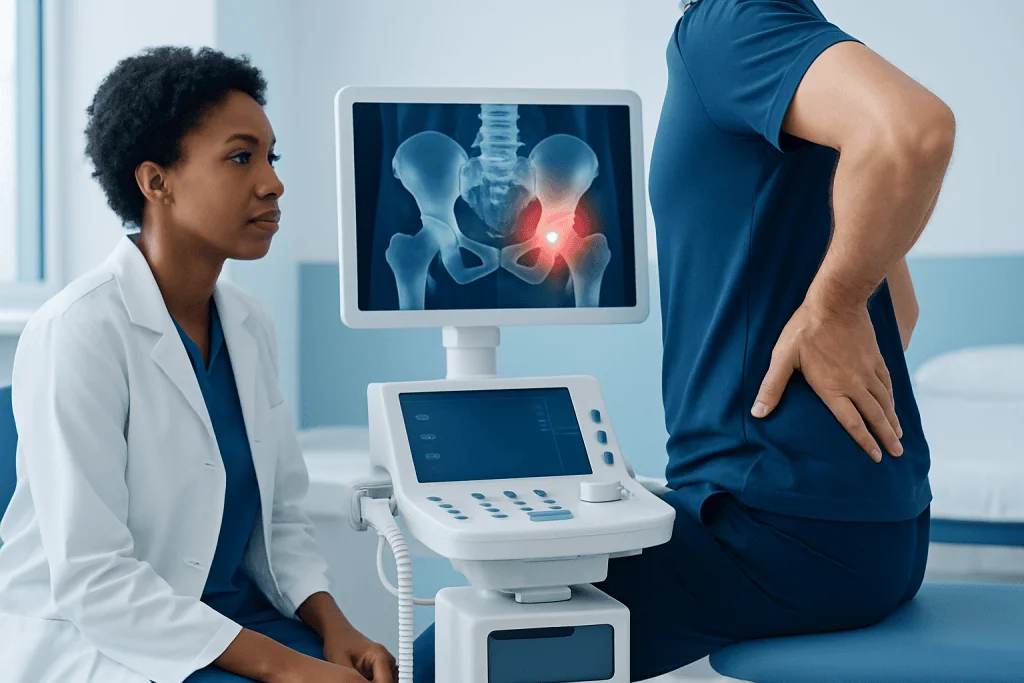
The tailbone is a small set of bones at the end of the spine. Although small, it is connected to ligaments and muscles that help support posture and pelvic function. Irritation here is commonly called coccydynia, and it may make sitting, changing position, or bowel movements uncomfortable.
The sit bones are the lower parts of the pelvis that take much of the body’s weight while sitting. Tendons from the hamstring muscles attach nearby, and there are bursae that help reduce friction. When these tissues become inflamed, the pain may feel bony even though the main problem is in soft tissue.
Some people also feel pain from nearby joints or the lower back. Conditions affecting the sacroiliac joints, lumbar spine, or surrounding muscles can refer pain into the buttock area. A person may therefore feel “sore bum bones” even when the coccyx or sit bones are not the main source.
Understanding this anatomy helps explain why treatment varies. A bruise after a fall, pressure-related tailbone irritation, hamstring tendon strain, and nerve-related pain can feel similar at first but are managed differently.
Symptoms and patterns to notice
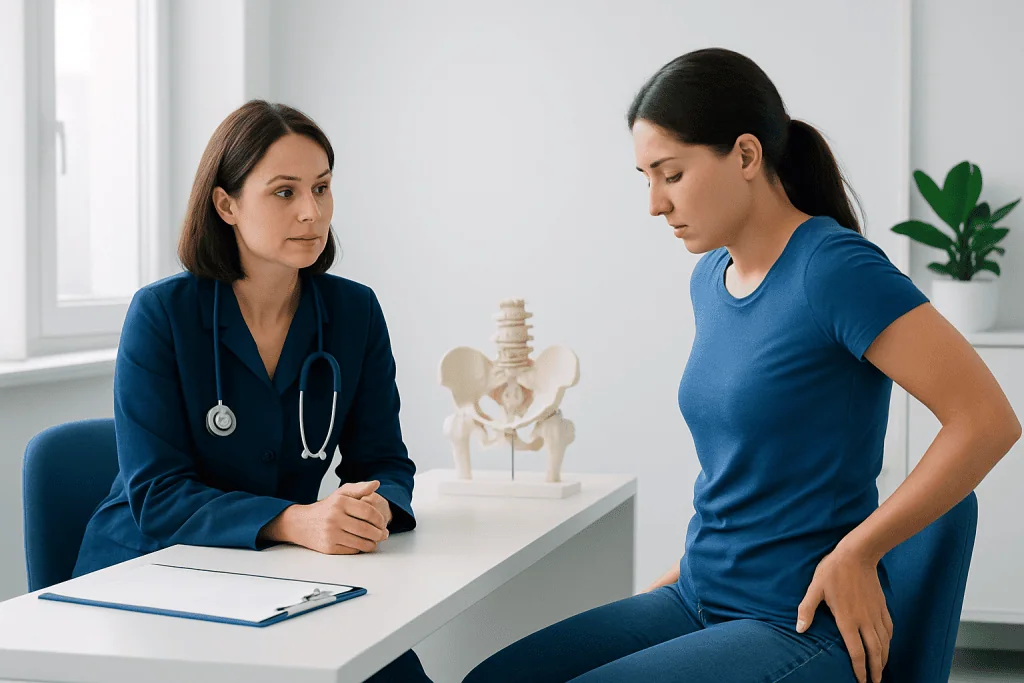
The symptoms depend on the exact cause, but many people notice pain that worsens with sitting. There may be tenderness over the tailbone, pain when rising from a chair, or discomfort during long car rides. Some people describe a bruised feeling, while others notice a sharper or stabbing pain with pressure.
If the sit bones are involved, pain may be felt on one or both sides at the bottom of the buttocks. It can be worse during prolonged sitting, cycling, rowing, or uphill walking. Hamstring stretching may also provoke symptoms if the tendon attachment is irritated.
Other symptoms can help narrow the cause. Examples include:
- Visible bruising or swelling after a fall
- Pain during bowel movements or leaning backward
- Numbness, tingling, or burning that suggests nerve irritation
- Low back pain or pain shooting down the leg
- Fever, unexplained weight loss, or night pain, which need medical assessment
A careful symptom history is useful because persistent buttock-area pain may overlap with sciatica, pelvic floor tension, bursitis, or lower spine problems. The pattern over time often provides important clues.
Common causes and risk factors
One of the most common causes is direct pressure or injury. A fall onto the buttocks can bruise the tailbone, strain nearby ligaments, or occasionally cause a fracture or dislocation. Even without a major accident, repeated microtrauma from prolonged sitting on hard surfaces, cycling, or rowing can lead to soreness.
Another frequent cause is soft-tissue irritation around the sit bones. This may include hamstring tendinopathy, ischial bursitis, or muscle strain. These problems are more likely in runners, athletes, people returning to exercise quickly, and anyone whose work or travel requires sitting for long periods.
Pregnancy and childbirth may also contribute, especially when pressure on the pelvis changes or tissues are strained. Body shape, posture, recent weight loss, or obesity can alter how pressure is distributed while sitting, making the coccyx or sit bones more sensitive.
Less commonly, inflammatory joint disease, infection, tumors, or pain referred from the lower back may be responsible. People with known spinal disease, osteoporosis, or a history of cancer may need a lower threshold for medical evaluation. In some cases, imaging and specialist assessment are appropriate, including orthopedic evaluation when trauma or structural injury is suspected.
How doctors diagnose the problem
Diagnosis usually starts with a detailed conversation about when the pain began, what makes it better or worse, whether there was an injury, and whether there are any warning signs. A doctor will often ask about sitting tolerance, recent exercise, bowel symptoms, back pain, childbirth history, and numbness or weakness.
The physical examination may include checking the tailbone and sit-bone areas for tenderness, swelling, or bruising. The clinician may assess posture, hip movement, lower back function, and leg nerves. In some situations, a rectal exam may be considered to assess coccyx mobility or rule out another local cause, but this depends on symptoms and clinical judgment.
Imaging is not always needed for mild, short-term pain. However, X-rays may be used after trauma or when a fracture or coccyx alignment problem is suspected. If symptoms persist or the diagnosis is uncertain, MRI or other imaging can help look for soft-tissue injury, inflammation, or referred pain from the spine or pelvis. When there are symptoms suggesting a spinal cause, MRI imaging may be useful.
Blood tests are not routinely necessary, but they may be ordered if infection, inflammatory disease, or another systemic condition is possible. The goal is not simply to label the pain, but to identify the structure involved so care can be more targeted.
Treatment options and pain relief
For many people, treatment begins with reducing pressure on the painful area. Sitting on a supportive cushion, avoiding long periods in one position, and taking regular standing or walking breaks can be very helpful. A wedge cushion or coccyx cut-out cushion may reduce direct pressure on the tailbone.
Other common approaches include short-term use of pain-relieving medicines if a doctor considers them appropriate, applying ice soon after an injury, and later using gentle heat for muscle tension. Activity may need to be modified for a period, especially cycling, rowing, prolonged driving, or intense hamstring stretching.
If symptoms continue, rehabilitation may be recommended. This can involve posture training, pelvic and hip mobility work, hamstring and gluteal strengthening, and pelvic floor assessment when indicated. In selected cases, physical therapy and rehabilitation can address movement patterns and reduce pressure on the coccyx or sit-bone region.
Persistent pain may sometimes need more specialized care. Depending on the cause, options may include targeted injections, treatment for a bursitis or tendon problem, or management of an underlying spinal condition. Surgery for tailbone pain is uncommon and usually considered only after careful assessment and failure of conservative treatment over time.
Self-care, prevention, and daily habits
Simple habits can reduce irritation and help prevent recurrence. The main principle is to avoid repeated pressure on the painful area while maintaining gentle movement. Long periods of complete rest are usually not helpful unless a doctor advises it after an acute injury.
Helpful strategies include:
- Use a supportive cushion for desk work, travel, or recovery after injury
- Stand up and move every 30 to 60 minutes if sitting for long periods
- Adjust cycling seats, rowing technique, or workplace ergonomics
- Increase exercise intensity gradually rather than suddenly
- Support hip, core, and hamstring strength with guided exercise
For people with pain linked to posture or muscle imbalance, attention to chair height, spinal support, and foot position can make a difference. If there has been rapid weight loss or pressure sensitivity over bony areas, extra cushioning may be especially useful.
When symptoms are not improving, self-care should not replace medical advice. A clinician can help decide whether the issue is straightforward pressure-related pain or whether it may be due to a tendon problem, a lower back condition, or another cause.
When to seek medical care
Medical review is sensible if sore bum bones last more than a few weeks, keep returning, or interfere with work, sleep, travel, or exercise. Pain should also be assessed promptly if it began after a fall, accident, or other trauma, particularly if sitting or walking becomes difficult.
A person should seek care sooner if there are warning signs such as fever, redness, unexplained weight loss, severe night pain, bowel or bladder changes, numbness, leg weakness, or pain that shoots down the leg. These features can point to infection, nerve involvement, fracture, or another condition that needs a more detailed evaluation.
If symptoms appear linked to the spine or persistent nerve pain, clinicians may also consider assessment for related back conditions such as a herniated disc. Accurate diagnosis helps avoid unnecessary treatments and supports recovery.
Near the end of the care pathway, some people benefit from multidisciplinary assessment. Acibadem International’s specialists in orthopedics, rehabilitation, pain management, and imaging work in JCI-accredited hospitals to diagnose and treat this type of pelvic, tailbone, or referred spine-related pain for international patients.
Frequently asked questions
What does “sore bum bones” usually mean?
It usually refers to pain around the tailbone or the sitting bones at the bottom of the pelvis. Even though it feels bony, the pain may also come from nearby tendons, ligaments, muscles, bursae, or nerves.
Can sitting too long cause sore bum bones?
Yes. Prolonged sitting, especially on hard surfaces or with poor posture, can increase pressure on the tailbone and sit bones. Regular movement breaks and better seating support often help reduce symptoms.
How do I know if it is tailbone pain or a muscle problem?
Tailbone pain is usually centered at the very bottom of the spine and often worsens when leaning back or getting up from sitting. Muscle or tendon pain may feel broader in the lower buttock and may worsen with stretching, exercise, or one-sided movements. A doctor or physiotherapist can help distinguish between them.
Will sore bum bones go away on their own?
Many mild cases improve over days to weeks with pressure relief, activity changes, and simple pain management. If pain persists, returns often, or follows an injury, a medical assessment is advisable.
When is sore bum bone pain serious?
It needs prompt medical review if it follows a significant fall, becomes severe, or comes with fever, numbness, weakness, bowel or bladder changes, or unexplained weight loss. These symptoms can suggest a fracture, nerve problem, infection, or another condition that should not be ignored.
What kind of doctor treats sore bum bones?
Initial evaluation may be done by a primary care doctor, sports medicine doctor, or orthopedic specialist. Depending on the cause, treatment may also involve physical therapy, rehabilitation, pain medicine, or spine specialists.
This article is for general information only and is not a substitute for professional medical advice. Please consult a qualified doctor about your individual situation.
Joint and spine care in Turkey — expert assessment & treatment
JCI-accredited · board-certified surgeons · reply within 24h
Add us as a Preferred Source to see more of our trusted health content across Google Search, AI Overviews and Discover.

More from the Health Library

Slimy Bloody Poop: A Complete Medical Overview
Paraspinal Muscles: An Evidence-Based Guide for Patients

Avoid Reflux: What Patients Need to Know

Silent Reflux Baby: What Patients Need to Know

Congestive Heart Failure: An Evidence-Based Guide for Patients

Hormonal Belly: An Evidence-Based Guide for Patients
Orthopedic Surgery & Traumatology Specialists at Acibadem

Dr. Aynur Göksel
Physical Medicine & Rehabilitation
Dr. Ayşe Esra Sırmagül
Physical Medicine & Rehabilitation
Prof. Dr. Aziz Kaya Alturfan
Orthopedic Surgery & Traumatology
Dr. Baran Şen
Orthopedic Surgery & Traumatology