Hard Stool: What Patients Need to Know

Hard stool is commonly linked to constipation, dehydration, low fiber intake, or delayed bowel movements. It may cause straining, a feeling of incomplete emptying, bloating, or pain during bowel movements.
Key Takeaways
- Hard stool is commonly linked to constipation, dehydration, low fiber intake, or delayed bowel movements.
- It may cause straining, a feeling of incomplete emptying, bloating, or pain during bowel movements.
- Lifestyle measures often help, but some people need medical evaluation for underlying conditions or medication effects.
- Blood in the stool, severe pain, vomiting, weight loss, or ongoing constipation need prompt medical attention.
- Treatment depends on the cause and may include diet changes, hydration, exercise, and doctor-guided medicines.
Hard stool is usually a sign that stool has stayed in the colon too long, allowing too much water to be absorbed. In many cases it improves with hydration, fiber, movement, and bowel habit changes, but persistent symptoms or warning signs should be assessed by a doctor.
Overview: what hard stool usually means
Hard stool usually means the bowel movement has become dry, firm, and difficult to pass. This most often happens when stool moves slowly through the large intestine, giving the body more time to absorb water from it. As a result, the stool becomes compact and may come out as small lumps, a large dry mass, or a painful bowel movement.
Many people experience hard stool from time to time, especially during travel, after dietary changes, or when routines are disrupted. In most cases, it is related to constipation rather than a serious disease. However, frequent or persistent hard stool can affect quality of life and may point to a digestive problem, a medication side effect, or another health condition that needs attention.
It can help to think of hard stool as a symptom rather than a diagnosis. The goal is not only to soften the stool, but also to understand why it is happening. That approach can reduce repeat episodes and lower the risk of complications such as hemorrhoids, anal fissures, or stool impaction.
Signs and symptoms that may happen with hard stool
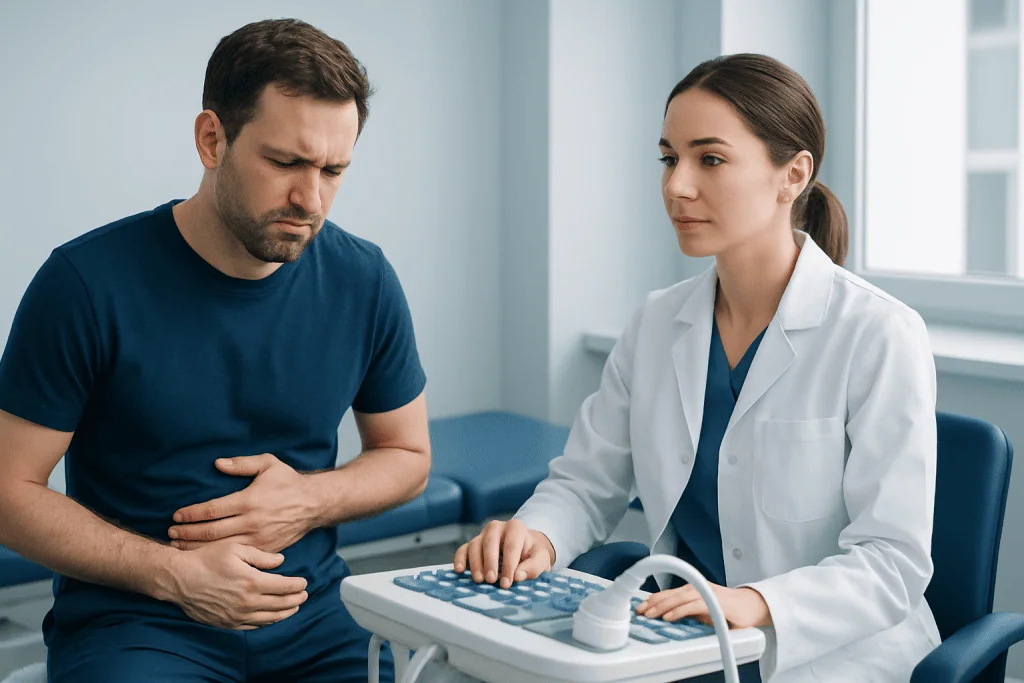
Hard stool can look different from person to person, but it usually feels difficult or uncomfortable to pass. Some people notice dry, pebble-like stools, while others pass a larger stool that is hard and painful. The texture may be the main concern, or it may occur along with less frequent bowel movements.
Common symptoms include straining, a sense that the bowel has not emptied fully, abdominal bloating, and discomfort in the lower abdomen. Some people also experience nausea, reduced appetite, or rectal pain while passing stool. If straining is repeated, it may lead to irritation around the anus.
- Infrequent bowel movements
- Dry, lumpy, or compact stool
- Pain or burning during bowel movements
- Straining or prolonged time on the toilet
- A feeling of blockage or incomplete emptying
- Bloating or mild cramping
Hard stool can also happen together with related conditions such as constipation or irritation caused by straining, including hemorrhoids. If bowel habits change suddenly or symptoms keep returning, a clinical evaluation is appropriate.
Common causes and risk factors

The most common reason for hard stool is that too much water has been removed from the stool before it leaves the body. This often happens with dehydration, low fiber intake, and delaying the urge to have a bowel movement. Busy schedules, travel, changes in routine, and limited physical activity can all slow bowel movement and make stool harder.
Diet is a major factor. A pattern low in fruits, vegetables, legumes, and whole grains may reduce stool bulk and make it harder to pass. Too little fluid intake can add to the problem. Some people also notice hard stool after eating a highly processed diet or during periods of fasting, illness, or reduced appetite.
Medications can contribute as well. Examples include some pain medicines, iron supplements, calcium supplements, antacids containing aluminum or calcium, and certain medicines used for mood disorders or high blood pressure. Medical conditions such as thyroid disorders, diabetes, pregnancy-related bowel slowing, pelvic floor dysfunction, and structural problems in the bowel can also play a role.
Age matters too. Older adults may be more vulnerable because of lower fluid intake, reduced mobility, medication use, or chronic disease. In children, toilet withholding, diet changes, and fear of painful bowel movements are common triggers. A doctor can help identify the pattern and whether further testing is needed.
How doctors evaluate hard stool
Evaluation starts with a careful history. A doctor may ask how long the problem has been present, how often bowel movements occur, what the stool looks like, whether there is pain or bleeding, and which medicines or supplements are being used. They may also ask about diet, fluid intake, activity level, pregnancy, stress, and any recent travel or illness.
A physical examination may include checking the abdomen for tenderness or bloating and, when needed, examining the anal area for fissures, hemorrhoids, or impacted stool. In many people, a diagnosis can be made based on symptoms and examination without extensive tests.
Tests are more likely if symptoms are persistent, severe, or associated with warning signs. Depending on the situation, a doctor may order blood tests, stool tests, imaging, or procedures to assess the colon or rectum. If there is concern about bowel structure, inflammation, or other digestive disease, they may recommend specialist evaluation in gastroenterology care or further assessment with colonoscopy when clinically appropriate.
Treatment and relief options
Treatment depends on the cause, severity, and how long symptoms have been present. For occasional hard stool, first-line care often focuses on fluids, fiber, physical activity, and a more regular bowel routine. These steps can help stool retain water, move through the colon more efficiently, and become easier to pass.
Some people benefit from doctor-guided use of stool softeners, osmotic laxatives, fiber supplements, or other constipation treatments. It is important not to overuse over-the-counter laxatives without medical advice, especially if symptoms are recurring or there is abdominal pain. Long-term management should target the underlying reason for the hard stool rather than only treating the immediate symptom.
If there is a buildup of stool in the rectum or severe constipation, a clinician may recommend specific measures to relieve impaction safely. This should be managed carefully, especially in older adults, children, or people with chronic illness. Persistent difficulty with bowel movements may also lead to evaluation by specialists in general surgery or digestive medicine if structural issues or complications are suspected.
For some patients, treatment includes addressing related problems such as pelvic floor dysfunction, medication side effects, endocrine conditions, or pain caused by fissures. The best plan is individualized and should be guided by a qualified healthcare professional.
Self-care and prevention strategies
Preventing hard stool often starts with daily habits. Drinking enough fluids throughout the day can help the colon keep stool softer. Eating more natural sources of fiber, such as vegetables, fruits, beans, lentils, oats, and whole grains, may add bulk and improve stool consistency. Any increase in fiber should be gradual to reduce gas and bloating.
Movement matters. Regular walking or other physical activity can stimulate normal bowel function. It is also helpful to respond to the urge to have a bowel movement rather than postponing it. Setting aside unrushed time, especially after meals, may support a healthier pattern.
- Increase water intake unless a doctor has advised fluid restriction
- Choose fiber-rich foods most days of the week
- Stay physically active when possible
- Avoid regularly ignoring the urge to pass stool
- Review medicines and supplements with a doctor if constipation began after starting them
- Use over-the-counter remedies only as directed and seek advice if they are needed often
If episodes keep returning despite these steps, the person should not simply continue self-treating indefinitely. Recurrent symptoms deserve proper assessment to look for an underlying cause and to create a safer long-term plan.
When to seek medical care
Hard stool is often manageable, but some situations call for medical advice. A person should arrange an assessment if symptoms last more than a few weeks, keep coming back, or interfere with daily life. Medical review is also sensible when lifestyle measures are not helping or when regular laxative use becomes necessary.
Urgent medical attention is needed if hard stool is accompanied by severe or worsening abdominal pain, vomiting, inability to pass gas, marked abdominal swelling, black stool, or significant rectal bleeding. Unexplained weight loss, fever, weakness, or a sudden change in bowel habits, especially in older adults, should also be evaluated promptly.
Patients with chronic illnesses, recent surgery, pregnancy, or new medication use may need earlier review because treatment needs can differ. Near the end of the care pathway, some people benefit from coordinated assessment by gastroenterology, surgery, nutrition, and primary care teams. Acibadem International’s multidisciplinary specialists and JCI-accredited hospitals diagnose and treat digestive symptoms for international patients when specialist evaluation is needed.
Frequently asked questions
Is hard stool the same as constipation?
Hard stool is a common feature of constipation, but the two are not exactly the same. Constipation may also include infrequent bowel movements, straining, or a feeling of incomplete emptying. A person can occasionally have hard stool even without meeting the full definition of constipation.
What foods can help soften hard stool?
Foods that add fiber and water to the diet may help, such as fruits, vegetables, beans, lentils, oats, and whole grains. Prunes and kiwi may be helpful for some people as part of a balanced diet. It is usually best to increase fiber gradually and drink enough fluids at the same time.
Can dehydration cause hard stool?
Yes. When the body is low on fluid, the colon may absorb more water from stool, making it drier and harder to pass. Dehydration is one of the most common and most reversible contributors to hard stool.
When should someone worry about hard stool?
Medical advice is important if hard stool lasts for weeks, keeps recurring, or comes with pain, bleeding, weight loss, vomiting, or a major change in bowel habits. These features do not always mean something serious, but they should not be ignored. Prompt assessment is especially important in older adults or people with chronic disease.
Are laxatives safe for hard stool?
Some over-the-counter laxatives can be helpful for short-term relief, but the right option depends on the person and the cause of symptoms. Frequent or long-term use without guidance may mask an underlying problem or lead to dependency on certain products. A doctor or pharmacist can help choose a safer approach.
Can hard stool cause bleeding?
Yes. Passing hard stool can irritate the anus and may lead to small tears called fissures or worsen hemorrhoids, both of which can cause bright red bleeding. Any persistent bleeding, heavy bleeding, or black stool should be assessed by a doctor.
This article is for general information only and is not a substitute for professional medical advice. Please consult a qualified doctor about your individual situation.
Persistent digestive symptoms? Get evaluated in Turkey
JCI-accredited · board-certified surgeons · reply within 24h
Add us as a Preferred Source to see more of our trusted health content across Google Search, AI Overviews and Discover.
Check your numbers in seconds
BMI, calories, due date, blood pressure and 30+ more clinical calculators — free, instant, doctor-reviewed ranges.

More from the Health Library

Giddiness: An Evidence-Based Guide for Patients

Acromegaly — Explained by Medical Evidence, Not Myths
Treat Nerve Compression: What Patients Need to Know

Anisocoria: An Evidence-Based Guide for Patients

Probiotics: What Patients Need to Know