Home Remedies for Ed: Evidence-Based Options and When to See a Doctor

The most evidence-backed home remedies for ED are regular exercise, weight management, better sleep, stress reduction, and stopping smoking. ED can be an early sign of blood vessel disease, diabetes, hormone imbalance, medication side effects, or mental health concerns.
Key Takeaways
- The most evidence-backed home remedies for ED are regular exercise, weight management, better sleep, stress reduction, and stopping smoking.
- ED can be an early sign of blood vessel disease, diabetes, hormone imbalance, medication side effects, or mental health concerns.
- Supplements and herbal products are less reliable than lifestyle changes and may interact with medications or contain undeclared ingredients.
- Urgent medical care is needed for chest pain with sexual activity, a painful erection lasting more than four hours, or sudden ED with other concerning symptoms.
- If ED is persistent, worsening, or affecting quality of life, a doctor can look for treatable causes and discuss proven therapies.
Some home remedies for ED can help, especially when they improve blood flow, sleep, stress, and overall heart health. The most useful approach is to focus on evidence-based lifestyle measures while knowing when erectile dysfunction needs medical assessment.
Overview: Which Home Remedies for ED Are Actually Evidence-Based?
Home remedies for ED may help when they address the factors that most often contribute to erectile dysfunction: blood vessel health, sleep quality, stress, body weight, physical activity, tobacco use, and alcohol intake. In practical terms, the strongest evidence supports regular exercise, stopping smoking, improving sleep, limiting excess alcohol, managing stress, and treating underlying medical conditions rather than relying on quick-fix supplements.
ED is the repeated difficulty getting or keeping an erection firm enough for sex. It becomes more common with age, but it is not simply a normal part of aging. Because an erection depends on healthy blood flow, nerve signals, hormone balance, and emotional wellbeing, ED can sometimes be an early sign of other health issues that deserve attention.
This article separates evidence-backed self-care from remedies that are mostly anecdotal. It also explains when home measures are reasonable to try and when medical advice is important, especially if symptoms are persistent or new.
How Erections Work and Why ED Happens
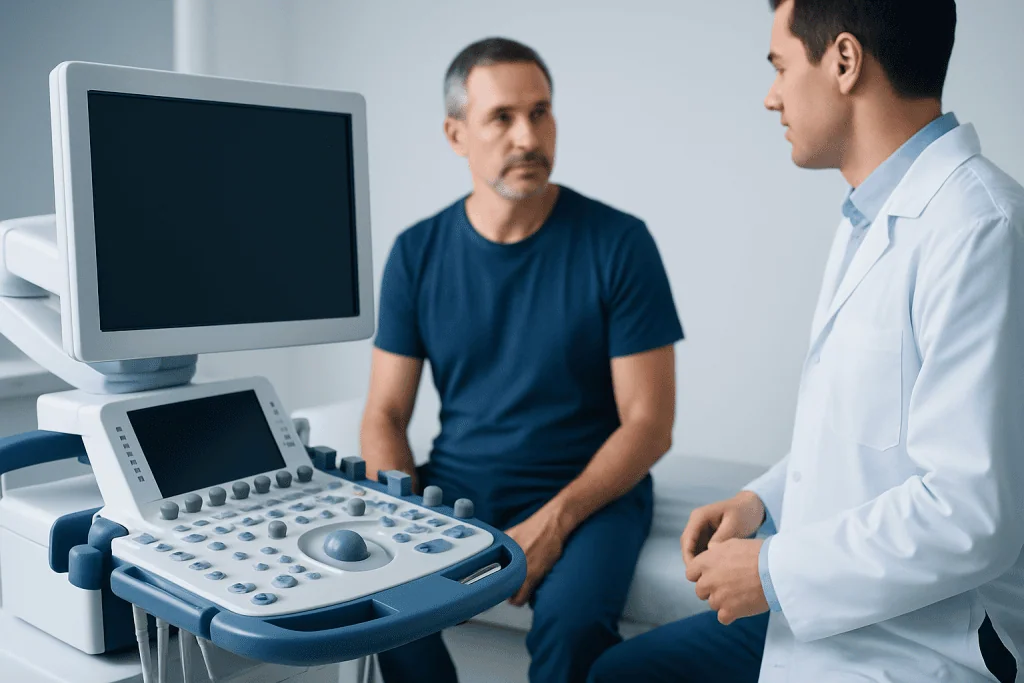
An erection starts when the brain, hormones, nerves, blood vessels, and penile tissues work together. Sexual stimulation triggers nerve signals that relax smooth muscle in the penis, allowing more blood to enter. If blood flow is reduced or the signal pathway is disrupted, erections may be weaker, slower, or shorter lasting.
Common medical contributors include atherosclerosis, high blood pressure, diabetes, obesity, sleep apnea, low testosterone, neurological disease, and side effects from some medications. Emotional factors such as anxiety, performance pressure, depression, relationship stress, and fatigue can also play an important role, either alone or alongside physical causes.
Because ED often reflects overall vascular health, doctors may evaluate it similarly to other circulation-related concerns. Some people with ongoing symptoms may benefit from assessment for erectile dysfunction and related conditions, particularly if they also have heart risk factors or urinary symptoms.
Evidence-Backed Home Remedies for ED
The most reliable home approaches are lifestyle changes that improve circulation and reduce inflammation. Regular aerobic exercise and strength training can support blood vessel function, insulin sensitivity, mood, and confidence. Even moderate activity done consistently is more helpful than occasional intense workouts. Weight loss can also improve erectile function in people who are overweight or obese, especially when paired with better nutrition and physical activity.
Sleep is another high-value target. Poor sleep and untreated sleep apnea are linked with lower testosterone, fatigue, and reduced sexual function. Building a steady sleep schedule, reducing late-night alcohol, and seeking help for heavy snoring or daytime sleepiness may improve symptoms. Stress management matters too: relaxation exercises, mindfulness, counseling, and addressing relationship strain can reduce the cycle in which anxiety worsens ED and ED worsens anxiety.
Stopping smoking is one of the most important steps for long-term vascular health. Tobacco damages blood vessels and can worsen erections over time. Limiting alcohol is also sensible; while small amounts may not cause problems for everyone, heavier drinking can interfere with erections, sleep, and hormone balance.
Useful home strategies include:
- Regular aerobic exercise such as brisk walking, cycling, or swimming
- Strength training several times a week
- Weight management through sustainable eating habits
- Consistent sleep and evaluation for possible sleep apnea
- Stopping smoking and avoiding nicotine products
- Reducing excess alcohol intake
- Stress reduction, counseling, or couples therapy when needed
Diet, Pelvic Floor Exercises, and Other Low-Risk Options
A heart-healthy eating pattern may help ED because the same habits that support the heart also support penile blood flow. Diets rich in vegetables, fruits, beans, whole grains, nuts, olive oil, and fish are often recommended. These patterns may improve cholesterol, blood pressure, and blood sugar control, all of which matter for erections. No single food cures ED, but overall eating habits can influence long-term sexual health.
Pelvic floor muscle exercises may also help some men, especially when poor muscle support contributes to difficulties maintaining an erection. These exercises aim to strengthen the muscles involved in pelvic support and control. They are generally safe when done correctly and can be combined with broader lifestyle measures.
Hydration, reducing prolonged stress, and reviewing over-the-counter medications or substances are also reasonable. However, they should be viewed as supportive steps rather than guaranteed treatments. If symptoms continue despite a healthy routine, a clinical evaluation is still important.
When home measures are not enough, doctors may discuss evidence-based treatments such as penile prosthesis surgery in selected cases or investigate urinary or prostate-related issues that can overlap with sexual symptoms, including benign prostate hyperplasia.
Supplements and Herbal Remedies: What the Evidence Shows
Many people search for natural remedies for erectile dysfunction, but the evidence for most supplements is limited, mixed, or low quality. Products such as ginseng, L-arginine, yohimbe, horny goat weed, maca, and others are often marketed for ED, yet study results are inconsistent. Even when small studies suggest possible benefit, product quality, dosing, and safety are not standardized.
Supplements can also be risky. Some may interact with blood pressure medicines, nitrates, antidepressants, blood thinners, or diabetes medications. Others may raise heart rate, affect blood pressure, or cause side effects such as headache, stomach upset, or anxiety. A major concern is that some products sold online or as sexual enhancement supplements have been found to contain undeclared prescription drug ingredients.
For these reasons, supplements should not be assumed to be safer than prescription treatment. Anyone considering them should speak with a qualified doctor or pharmacist, especially if they have heart disease, liver or kidney disease, or take regular medications. A safer route is usually to identify the cause of ED and choose a proven treatment plan.
When to See a Doctor
Seek urgent medical care for ED with chest pain during or after sexual activity, a painful erection lasting more than four hours, sudden penile injury, or sudden ED together with severe weakness, numbness, or trouble speaking. These symptoms can signal emergencies that should not be managed at home.
Non-urgent medical care is appropriate if ED lasts more than a few weeks, becomes more frequent, starts suddenly without a clear reason, or causes distress for the person or their partner. Medical review is also important if there is low sexual desire, infertility concerns, curvature of the penis, pelvic pain, urinary symptoms, or signs of low testosterone such as fatigue or reduced body hair.
A doctor may ask about symptoms, medical history, stress, sleep, medications, alcohol, and smoking. Blood tests may be used to check blood sugar, cholesterol, testosterone, kidney function, or other possible contributors. In some cases, additional assessment is recommended to evaluate circulation or prostate health, and treatments may include medicines or procedures such as robotic prostatectomy when there is a separate prostate condition requiring care.
Medical Treatment Options If Home Remedies Are Not Enough
If lifestyle changes do not sufficiently improve ED, several proven treatments are available. Oral medications are often used first, but they are not suitable for everyone, especially people taking nitrates or certain heart medications. Vacuum erection devices, injectable medicines, hormone treatment for confirmed deficiency, counseling, and treatment of related conditions may also be considered.
The right treatment depends on the cause. For example, better diabetes control, blood pressure management, sleep apnea treatment, or changing a medication may help. If anxiety, depression, or relationship strain is part of the picture, psychological support can be an important part of care rather than an afterthought.
For persistent or severe ED, specialist assessment in urology, endocrinology, cardiology, or mental health may be helpful. Acibadem International’s multidisciplinary specialists and JCI-accredited hospitals diagnose and treat erectile dysfunction and related conditions for international patients, with treatment plans tailored to the person’s overall health and goals.
Frequently asked questions
What is the best home remedy for ED?
There is no single home remedy that works for everyone, but the best-supported options are regular exercise, stopping smoking, improving sleep, reducing stress, and managing weight. These measures help because they improve blood vessel and metabolic health, which are central to erections.
Can ED go away naturally?
Sometimes it can, especially if it is linked to short-term stress, fatigue, alcohol use, or a temporary relationship issue. However, persistent ED often has an underlying medical or psychological cause, so ongoing symptoms should be assessed rather than ignored.
Do foods or drinks cure erectile dysfunction?
No specific food or drink has been proven to cure ED. A healthy overall eating pattern may support better blood flow and reduce risk factors, but it is not a substitute for medical evaluation when symptoms are frequent or worsening.
Are supplements for ED safe?
Not always. Some supplements have limited evidence, can interact with medications, or may contain undeclared ingredients. It is safest to speak with a doctor or pharmacist before trying any product marketed for sexual performance.
When should someone worry about ED?
ED deserves prompt attention if it begins suddenly, happens often, or comes with low libido, urinary symptoms, penile pain, or signs of hormonal problems. Urgent care is needed for chest pain with sexual activity or a painful erection lasting more than four hours.
Is ED usually physical or psychological?
It can be either, and many people have a combination of both. Physical causes such as diabetes, blood vessel disease, and medication effects are common, while stress, anxiety, depression, and relationship issues may also contribute.
References
- American Urological Association
- National Institute of Diabetes and Digestive and Kidney Diseases
- National Health Service
- European Association of Urology
- Mayo Clinic
This article is for general information only and is not a substitute for professional medical advice. Please consult a qualified doctor about your individual situation.
Heart care in Turkey — expert evaluation and treatment
JCI-accredited · board-certified surgeons · reply within 24h
Add us as a Preferred Source to see more of our trusted health content across Google Search, AI Overviews and Discover.
Check your numbers in seconds
BMI, calories, due date, blood pressure and 30+ more clinical calculators — free, instant, doctor-reviewed ranges.

More from the Health Library



Related Specialists

Prof. Dr. Yüksel Ersoy
Physical Medicine & Rehabilitation
Fzt. Aslı Hacıoğlu
Physical Medicine & Rehabilitation
Prof. Dr. Yaşar Ünlü
Otorhinolaryngology
Dr. Akil Tepecik
Clinical Laboratory