Cervical Myelopathy Explained: Causes, Management, and When to See a Doctor

Cervical myelopathy happens when the spinal cord is squeezed in the cervical spine. Symptoms may include hand weakness or clumsiness, numbness, balance trouble, stiffness, and changes in gait.
Key Takeaways
- Cervical myelopathy happens when the spinal cord is squeezed in the cervical spine.
- Symptoms may include hand weakness or clumsiness, numbness, balance trouble, stiffness, and changes in gait.
- Common causes include disc degeneration, bone spurs, thickened ligaments, and spinal canal narrowing.
- MRI is often the most helpful imaging test to confirm spinal cord compression.
- Treatment depends on severity and may include monitoring, physical therapy, pain management, or surgery.
- Progressive weakness, falls, or bowel and bladder changes need prompt medical attention.
Cervical myelopathy is a condition in which the spinal cord is compressed in the neck, often causing hand clumsiness, balance problems, weakness, or changes in walking. It is usually related to age-related wear of the cervical spine, and timely medical assessment can help protect function and guide the best treatment approach.
Overview
Cervical myelopathy is a disorder caused by pressure on the spinal cord in the neck. In practical terms, this means the nerve pathways that carry signals between the brain and body do not work as smoothly as they should. As a result, a person may notice problems with hand coordination, walking, balance, strength, or sensation.
The most common form is degenerative cervical myelopathy, which develops gradually as the structures of the neck change with age. Discs can lose height, joints may become arthritic, ligaments can thicken, and bone spurs may form. These changes can narrow the spinal canal and reduce the space available for the spinal cord.
Cervical myelopathy is different from simple neck pain or a pinched nerve. A pinched nerve usually affects one nerve root and may cause pain, numbness, or weakness in a specific arm distribution. Myelopathy affects the spinal cord itself, so it can create broader symptoms, including balance trouble, leg stiffness, and difficulty with tasks that require fine hand movements.
Because symptoms can start subtly, the condition is sometimes mistaken for normal aging, arthritis, or poor circulation. Recognizing the pattern matters, since persistent spinal cord compression may worsen over time. Evaluation by a qualified doctor helps determine how advanced the condition is and whether observation, rehabilitation, or surgery is most appropriate.
Symptoms and How They May Feel
The symptoms of cervical myelopathy vary from person to person and often develop slowly. Early changes may include clumsy hands, trouble buttoning clothes, difficulty writing, or frequently dropping objects. Some people feel numbness or tingling in the hands, while others notice stiffness rather than pain.
Walking changes are also common. A person may feel unsteady, take shorter steps, or have difficulty with stairs and uneven ground. Some describe their legs as heavy or stiff. Balance problems may be more noticeable in dim light or when turning quickly.
Neck pain can occur, but it is not always the main symptom. In some cases, symptoms of myelopathy appear along with nerve root irritation, called radiculopathy, which may cause shooting arm pain or more localized arm weakness. Related cervical spine conditions may overlap with a herniated disc or spinal stenosis, but cervical myelopathy specifically refers to spinal cord involvement.
Possible symptoms include:
- Hand weakness, numbness, or loss of dexterity
- Difficulty with buttons, handwriting, keys, or phone use
- Unsteady gait or frequent stumbling
- Leg stiffness, weakness, or heaviness
- Neck pain or reduced range of motion
- Electric shock-like sensations with neck movement in some cases
- Late symptoms such as bowel or bladder urgency or loss of control
Causes and Risk Factors

The leading cause of cervical myelopathy is age-related degeneration of the cervical spine. Over time, spinal discs can dry out and flatten, joints at the back of the spine may enlarge with arthritis, and bone spurs can develop. Together, these changes narrow the spinal canal and place pressure on the spinal cord.
Another contributor is thickening or stiffening of the ligaments that support the spine. When these ligaments enlarge or harden, they can bulge into the spinal canal. Some people are also born with a naturally narrow canal, so even moderate age-related changes can produce symptoms earlier or more clearly.
Less common causes include trauma, inflammatory disease, spinal tumors, infection, or a large disc herniation. In some regions and populations, ossification of the posterior longitudinal ligament is an important cause of spinal cord compression. A doctor will consider these possibilities based on symptoms, examination, and imaging findings.
Risk tends to increase with age, prior neck injury, repetitive strain, and conditions that affect the spine’s structure. However, cervical myelopathy can appear in adults who were previously active and healthy. What matters most is not only the cause, but whether the spinal cord is being compressed and whether function is changing over time.
How Doctors Diagnose Cervical Myelopathy
Diagnosis begins with a careful medical history and neurological examination. The doctor asks about balance, falls, hand coordination, weakness, numbness, and any bowel or bladder changes. During the examination, they may check reflexes, strength, walking pattern, sensation, and signs of spinal cord irritation.
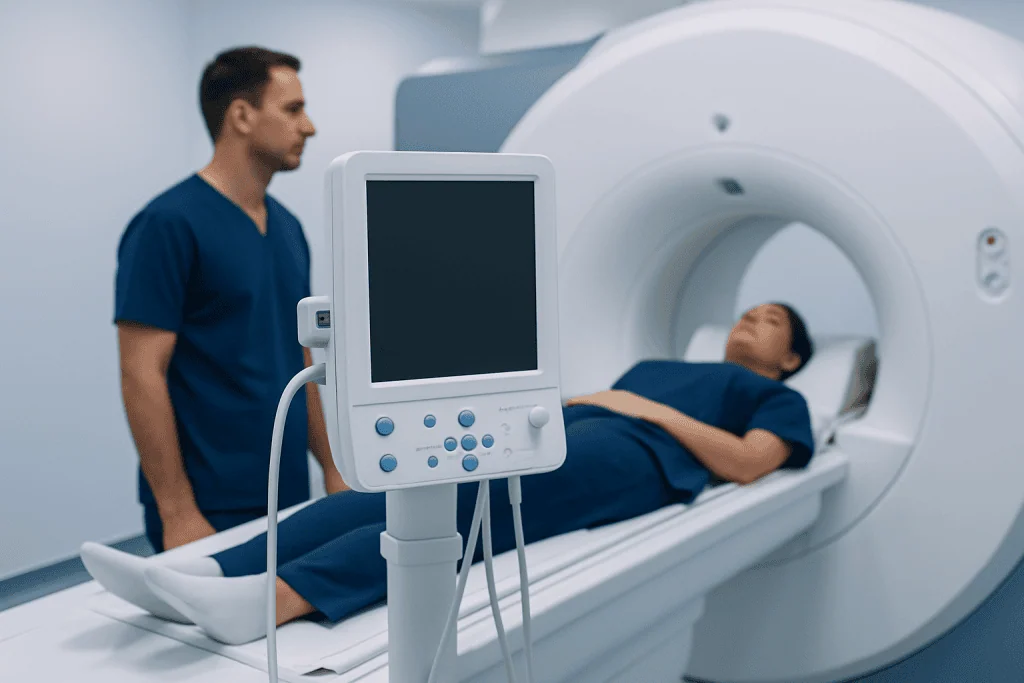
Imaging is central to confirming the diagnosis. MRI is usually the preferred test because it shows the spinal cord, discs, ligaments, and soft tissues in detail. It can reveal where compression is happening and whether the cord shows signal changes that may suggest ongoing stress or injury. In selected cases, CT or X-rays help assess bone structure, alignment, or instability.
Additional tests may be used when symptoms overlap with other conditions. Nerve conduction studies or electromyography can help evaluate peripheral nerve disorders, while blood tests may be ordered if inflammation, vitamin deficiency, or another neurological condition is suspected. The goal is to separate cervical myelopathy from look-alike disorders and identify all factors affecting function.
Severity is judged not only by imaging but also by symptoms and examination findings. Someone with mild radiologic narrowing may have important functional changes, while another person with more visible narrowing may have fewer symptoms. This is why treatment planning depends on the whole clinical picture rather than imaging alone.
Treatment Options and Management
Treatment for cervical myelopathy depends on symptom severity, how quickly problems are progressing, imaging findings, and overall health. Mild, stable cases may sometimes be monitored closely, especially if function is preserved and symptoms are limited. Monitoring usually includes regular follow-up and repeat imaging or examination if symptoms change.
Non-surgical care may help with comfort and function, but it does not remove spinal cord compression when significant narrowing is present. Depending on the situation, a doctor may recommend supervised physical therapy, posture and movement guidance, activity modification, or medications to ease pain related to muscle spasm or associated nerve irritation. High-impact activities and forceful neck manipulation are generally avoided unless a spine specialist advises otherwise.
When symptoms are moderate to severe, progressive, or clearly related to spinal cord compression, surgery is often considered to relieve pressure on the spinal cord and help prevent further decline. Surgical planning varies by the location and extent of compression, spine alignment, and number of levels involved. Procedures may include an anterior decompression such as discectomy or broader spinal cord decompression and stabilization through spinal fusion surgery.
Recovery after treatment is influenced by how long symptoms have been present and how severe they were before intervention. Some people notice meaningful gains in walking, hand function, or balance, while others may mainly achieve stabilization and prevention of further worsening. Rehabilitation remains important after surgery or conservative care to improve strength, coordination, confidence, and safe movement.
Daily Living, Prevention, and Self-care
Not all cases of cervical myelopathy can be prevented, especially when age-related changes are the main cause. Still, practical self-care can support spinal health and reduce strain. Good posture, regular low-impact exercise, and attention to workstation ergonomics may help the neck and upper back function more comfortably.
People with symptoms should avoid activities that repeatedly jolt the neck or increase the risk of falls. It may be helpful to use handrails, improve home lighting, wear supportive footwear, and remove tripping hazards. If hand coordination is reduced, small adjustments such as larger zipper pulls, adaptive kitchen tools, or voice-to-text functions can make daily tasks easier.
General health also matters. Managing bone and joint health, staying physically active within safe limits, and treating coexisting conditions such as osteoporosis may support recovery and function. A physical therapist or rehabilitation specialist can suggest exercises focused on balance, gait safety, flexibility, and core support without overloading the neck.
Self-care should not replace medical review if symptoms are worsening. Because cervical myelopathy involves the spinal cord, new weakness, more frequent falls, or changes in bladder or bowel control need professional assessment. At centers such as Acibadem International, multidisciplinary specialists in neurology, spine surgery, and rehabilitation at JCI-accredited hospitals evaluate and treat international patients with complex spinal disorders.
When to Seek Medical Care
Medical care is appropriate when neck-related symptoms are accompanied by changes in hand function, walking, or balance. A person should arrange an evaluation if they notice increasing clumsiness, repeated dropping of objects, leg stiffness, unexplained falls, or numbness and weakness that do not improve. These features suggest that the spinal cord may be involved rather than only a strained muscle or simple neck pain.
Prompt assessment is especially important if symptoms are progressing over weeks or months. Earlier evaluation gives doctors a clearer chance to identify the cause and discuss whether observation, rehabilitation, or surgery is the safest next step. Depending on the findings, patients may be referred for physical therapy and rehabilitation or specialist spine care.
Urgent medical attention is needed after significant trauma, sudden worsening of weakness, new inability to walk safely, or loss of bowel or bladder control. Severe symptoms can signal major spinal cord compression or another neurological emergency. A qualified doctor can decide which tests are needed and whether emergency treatment is necessary.
Even when symptoms seem mild, it is reasonable to seek medical advice if they interfere with work, self-care, or confidence in movement. Cervical myelopathy is often manageable, especially when it is recognized early and followed carefully over time.
Frequently asked questions
What is cervical myelopathy in simple terms?
Cervical myelopathy means the spinal cord is being compressed in the neck. This can interfere with signals between the brain and the rest of the body, leading to problems such as clumsy hands, weakness, balance trouble, or changes in walking.
Is cervical myelopathy the same as a pinched nerve?
No. A pinched nerve usually affects one nerve root and often causes pain, tingling, or weakness in a more limited area, such as one arm. Cervical myelopathy affects the spinal cord itself, so symptoms can involve both hands, the legs, balance, and coordination.
Can cervical myelopathy get worse over time?
Yes, it can progress, especially when spinal cord compression continues. Some people remain stable for a period, while others gradually notice worsening hand function, walking difficulty, or more frequent falls. Regular follow-up helps track change and guide treatment.
Does cervical myelopathy always require surgery?
Not always. Mild and stable cases may sometimes be monitored, and supportive treatments can help with comfort and function. Surgery is more often considered when symptoms are progressive, moderate to severe, or clearly linked to significant spinal cord compression.
What test best shows cervical myelopathy?
MRI is usually the most helpful test because it shows the spinal cord, discs, and soft tissues in detail. It helps doctors see where compression is occurring and how severe it may be. Other imaging, such as X-rays or CT, may also be used for bone alignment and surgical planning.
Can exercise help cervical myelopathy?
Exercise may support general strength, balance, and mobility, but it should be chosen carefully. A doctor or physical therapist can recommend safe activities and advise which neck movements or impact sports to avoid. Exercise is helpful for function, but it does not reverse significant spinal cord compression.
References
- World Health Organization
- National Institute of Neurological Disorders and Stroke
- American Academy of Orthopaedic Surgeons
- North American Spine Society
- American Association of Neurological Surgeons
This article is for general information only and is not a substitute for professional medical advice. Please consult a qualified doctor about your individual situation.
Joint and spine care in Turkey — expert assessment & treatment
JCI-accredited · board-certified surgeons · reply within 24h
Add us as a Preferred Source to see more of our trusted health content across Google Search, AI Overviews and Discover.