Maxillofacial Prosthetics
Maxillofacial prosthetics use custom-made oral or facial prostheses to restore appearance, speech, chewing, swallowing, and comfort after cancer surgery, trauma, or congenital defects.
Quick answer
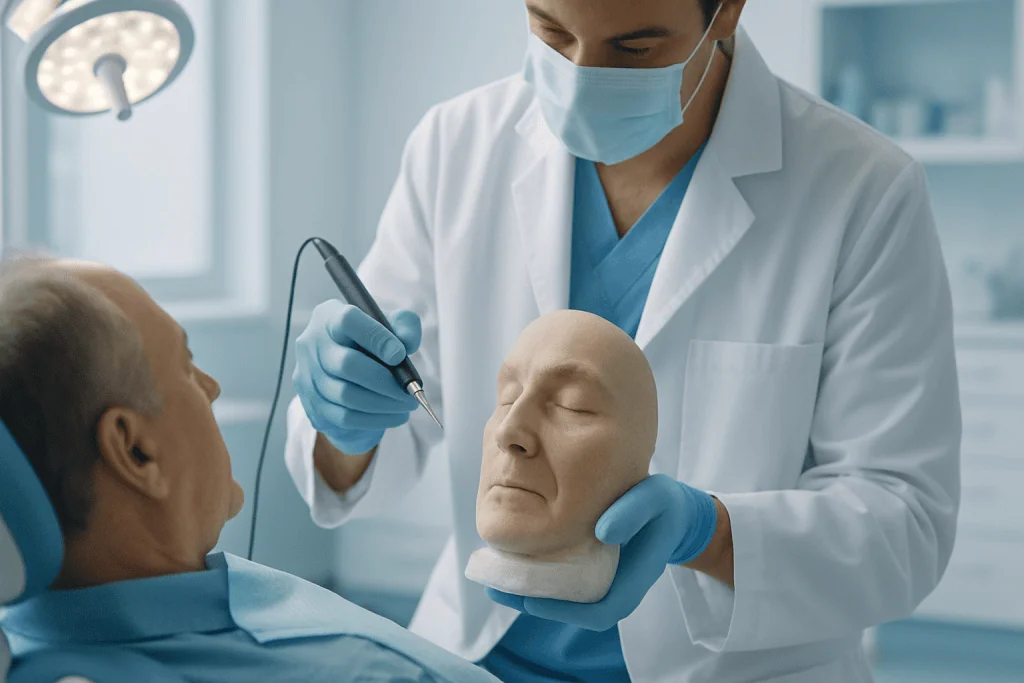
Maxillofacial prosthetics is a subspecialty of prosthodontics that replaces missing or altered structures of the mouth, jaw and face with custom-made devices — for example an obturator after upper-jaw surgery, or a silicone ear, nose or orbital prosthesis. Treatment involves clinical assessment, impressions or digital scans, laboratory fabrication, try-in visits and long-term follow-up, often coordinated with surgeons, oncologists and speech therapists.
Maxillofacial Prosthetics: Restoring the Face, Jaw and Mouth After Loss
Maxillofacial prosthetics is the subspecialty of prosthodontics that replaces missing or altered structures of the mouth, jaws and face with custom-made devices. It restores function — speech, chewing, swallowing, the seal between mouth and nose — as well as appearance, and it serves people whose anatomy has changed through cancer surgery, facial injury, a congenital difference or tissue loss after infection. Every maxillofacial prosthesis is made for one person and one defect. There is no off-the-shelf version.
Changes to the face, jaw, mouth or palate affect far more than how a person looks. They influence the way you speak, eat, drink, smile, breathe, sleep and connect with other people. For many patients, the need for this kind of care follows a difficult medical event, and alongside the physical changes there are real concerns about work, social life, intimacy, nutrition and whether daily routines will ever feel natural again. Maxillofacial prosthetics exists to answer those concerns with something practical: a well-fitting device you can wear, clean and rely on every day.
At Acibadem, this treatment is approached as part of a wider care pathway rather than a single appointment. Depending on your diagnosis, care may involve prosthodontists, oral and maxillofacial surgeons, head and neck surgeons, oncologists, radiation oncologists, the dental and oral health team, speech and swallowing specialists, radiologists and rehabilitation professionals. The goal is a practical, individualised prosthesis that helps you return to daily life with greater comfort and function.
How do doctors define maxillofacial?
To define maxillofacial plainly: the term covers the maxillae — the bones of the upper jaw and midface — together with the mandible, the lower jaw, and the surrounding structures of the face. In clinical use, the maxillofacial region takes in the hard palate, the cheeks, the nose, the orbits (eye sockets), the lips and the soft tissues that shape the face. When people ask what is considered maxillofacial, the honest short answer is: everything from the jaws upward through the facial skeleton and its soft-tissue covering. That breadth is exactly why this field of prosthetics is so varied. A device for this region may sit entirely inside the mouth, entirely on the outside of the face, or bridge both.
What Is Maxillofacial Prosthetics?
Maxillofacial prosthetics is a recognised subspecialty of prosthodontics focused on rehabilitating patients with defects or missing structures in the oral and facial region. A maxillofacial prosthesis is a custom-made medical device used to replace or support parts of the face, jaw, palate, eye socket, nose, ear or oral cavity. It may be removable, implant-supported, or retained by natural anatomy, remaining teeth, medical adhesives, magnets or precision attachments. Some prostheses are temporary, worn only during healing; others are definitive devices intended for long-term daily use with periodic maintenance and replacement.
The difference from routine dental work matters. Unlike a standard dental crown, bridge or conventional denture, a maxillofacial prosthesis often has to solve complex anatomical problems. It may need to separate the oral and nasal cavities so that food and liquid no longer escape through the nose, restore facial contours after tissue removal, help a patient pronounce words more clearly, improve chewing efficiency, or protect delicate tissues after surgery or radiation therapy. Each device is designed around one person’s anatomy, diagnosis, healing stage, tissue condition and functional needs — and around their life: speech demands, diet, work, cultural expectations, travel and personal goals.
What is a maxillofacial prosthetic device?
A maxillofacial prosthetic device is any custom-fabricated appliance that restores a missing or altered structure of the mouth, jaws or face. Inside the mouth, these devices are usually made from rigid acrylic resins, sometimes with cast or milled metal frameworks for strength and retention. On the face, medical-grade silicone is the standard material, because it can be coloured, textured and shaped to blend with surrounding skin. Retention — how the device stays in place — is one of the central design questions. Options include clasps on remaining teeth, suction against the tissues, adhesives, spectacle frames, magnets, and dental implants or craniofacial implants placed in bone specifically to anchor the prosthesis.
What are some examples of maxillofacial prosthetics?
The most common examples of maxillofacial prosthetics fall into a few recognisable families:
- Obturator prostheses — devices that close an opening in the palate or upper jaw, typically after surgery for tumours of the maxilla or hard palate.
- Mandibular resection prostheses — appliances for patients who have lost part of the lower jaw, helping guide the remaining jaw into a workable bite.
- Facial prostheses — silicone replacements for an ear, nose or orbital (eye-socket) region, retained by adhesive, implants or anatomy.
- Speech and palatal appliances — devices such as palatal lifts or speech bulbs that support clearer speech when the soft palate is missing or weakened.
- Treatment-support appliances — stents and carriers used during radiation therapy or after oral surgery to position, shield or protect tissues.
Some patients need a temporary prosthesis during healing followed by a definitive device once tissues stabilise. Others need modifications over time as anatomy changes or as further treatment is completed.
What is the difference between prosthodontics and maxillofacial prosthetics?
Prosthodontics is the broad dental specialty concerned with replacing missing teeth and restoring oral function — crowns, bridges, dentures and implant restorations. Maxillofacial prosthodontics is the further subspecialty within it that extends this work beyond the teeth to defects of the jaws, palate and face. A general prosthodontist restores a mouth; a maxillofacial prosthodontist restores a mouth that has lost part of its supporting anatomy, or a face that has lost a visible structure. The two fields share techniques — impressions, frameworks, occlusion, implant planning — but maxillofacial work adds surgical coordination, oncology timing, radiated-tissue management and the facial artistry that intraoral dentistry rarely requires.
What is a maxillofacial prosthodontist?
A maxillofacial prosthodontist is a dentist who has first completed specialty training in prosthodontics and then undertaken additional fellowship-level training in maxillofacial prosthetic rehabilitation. This extra training is typically hospital-based and covers head and neck oncology, radiation effects on oral tissues, surgical defect anatomy, facial prosthesis fabrication and implant-retained designs. Internationally, such fellowships are run by a small number of university and cancer-centre programmes — the UCLA maxillofacial prosthetics programme in the United States is one well-known example of this training route — which reflects how specialised the field is. In practice, the maxillofacial prosthodontist works as part of a team, alongside surgeons, oncologists and speech therapists, rather than in isolation.
Types of Maxillofacial Prostheses in Detail
Obturator prostheses for the palate and upper jaw
An obturator closes a communication between the mouth and the nasal cavity or maxillary sinus, most often after removal of part of the upper jaw (a maxillectomy). There are usually three stages. A surgical obturator is planned before the operation and placed at the time of surgery, protecting the wound and allowing the patient to speak and swallow in the first days of recovery. An interim obturator follows during healing, adjusted repeatedly as swelling settles and tissues change shape. A definitive obturator is made once the anatomy is stable, designed for long-term comfort, retention and hygiene. A well-made obturator can markedly reduce nasal leakage of food and liquid and restore more natural speech resonance.
Mandibular resection prostheses and the prosthetic jaw
When part of the lower jaw has been removed, the remaining mandible tends to drift toward the operated side, making it difficult to bring the teeth together. What patients sometimes call a prosthetic jaw is, in prosthodontic terms, a mandibular resection or guidance prosthesis: an appliance that helps guide the remaining jaw into a more functional bite position and replaces missing teeth on the reconstructed or resected side. Where surgeons have rebuilt the jaw with bone from elsewhere in the body, the prosthodontist restores the teeth on that new foundation, sometimes with implant support; where dental bone grafts or reconstruction are not possible or not desired, the prosthesis itself carries more of the functional load.
Facial prostheses: ear, nose and orbital devices
Facial prostheses replace external structures — an ear (auricular prosthesis), a nose (nasal prosthesis) or the eye and its surrounding socket (orbital prosthesis). They are sculpted and coloured to match the individual patient, with fine detail in texture, edge blending and tone so that the device reads as natural at conversational distance and in daylight. An orbital prosthesis replaces the eyelids and surrounding tissue as well as the eye itself; when only the eye is missing and the socket is intact, the relevant device is an artificial eye, described on our ocular prosthetics page. Retention may rely on skin adhesive, anatomical undercuts, spectacle frames or bone-anchored implants with magnets or clips, which many long-term wearers find the most secure option.
Oral appliances used during and after cancer treatment
Not every maxillofacial device replaces a missing structure. Some support the treatment itself. Radiation positioning stents hold the tongue or jaw in a consistent, protected position during radiotherapy so that healthy tissue receives less exposure. Custom carriers can hold protective preparations against the teeth for patients whose salivary function is reduced after radiation. Mouth-opening (trismus) appliances help patients maintain or regain jaw opening when scarring or radiation has tightened the muscles. These devices are less visible than facial prostheses, but for the patients who need them they make daily treatment and long-term oral health considerably more manageable.
Who May Need Maxillofacial Prosthetics?
Patients are referred for maxillofacial prosthetics when part of the mouth, jaw or face has been removed, damaged, underdeveloped or altered in a way that affects function or appearance. This most often follows cancer surgery, trauma or a congenital condition, and less commonly severe infection or complications of previous treatment. The indication is never simply the presence of a defect; it is what that defect does to speech, eating, comfort, appearance and daily life.
Typical concerns that bring patients to this specialty include unclear or nasal-sounding speech, leakage of food or liquid into the nose, difficulty chewing, reduced ability to swallow, changes in facial symmetry, a missing facial structure, difficulty wearing conventional dentures, drooling, discomfort in the mouth, or distress about visible changes. Some patients notice the problem immediately after surgery. For others, the full impact only becomes clear during recovery, when they return to eating with family, speaking at work and moving through public life.
Diagnosis begins with a careful clinical evaluation. The specialist assesses the size and location of the defect, the condition of surrounding tissues, remaining teeth, jaw movement, bite relationship, salivary flow, oral hygiene, mouth opening and any effects of radiation therapy or reconstructive surgery. Imaging — CT, MRI or dental radiographs — helps map bone structure, implant possibilities and surgical anatomy. In cancer patients, prosthetic planning is coordinated with the oncology team so that rehabilitation fits safely within the overall treatment plan rather than competing with it.
Timing varies. Some patients need prosthetic input before surgery, some immediately after, and some months or years later. Pre-surgical planning is especially valuable when a surgical obturator is needed at the time of tumour removal, because early coordination helps preserve speech and swallowing through the first stage of recovery. For patients who had surgery elsewhere, a second specialist opinion can clarify whether a new prosthesis, an adjustment, implant support or a different design could improve comfort and function — the honest answer differs case by case.
Conditions and Indications Addressed by Maxillofacial Prosthetics
The range of conditions this field addresses is wide, because the maxillofacial region itself is wide. What unites them is functional consequence: a change in anatomy that interferes with speaking, eating, breathing comfort, appearance or quality of life.
Head and neck cancer rehabilitation is the most common indication. Tumours of the palate, maxilla, mandible, tongue, cheek, lips, nasal cavity, orbit or facial skin may require removal of tissue to achieve cancer control. Afterwards, a prosthesis may close openings between the mouth and nose, restore facial volume, guide the lower jaw into a more functional position or replace a missing external structure. Prosthetic care sits within a broader plan that can also include reconstructive surgery, radiation therapy, chemotherapy, targeted therapy, immunotherapy, nutritional support and speech therapy — and the prosthetic timeline must respect that plan.
Traumatic injury is another major indication. Road traffic accidents, workplace injuries, burns, animal bites, ballistic injuries and complex facial fractures can all cause tissue loss or deformity. Here, a prosthesis may be chosen when surgical reconstruction is not possible, when the patient is not ready for further operations, or when a prosthetic solution offers a more predictable functional or aesthetic result than another round of surgery would.
Congenital conditions also call for specialised prosthetic management. People born with cleft palate, craniofacial differences, an absent ear, orbital differences or underdeveloped facial structures may benefit from devices that support feeding, speech, appearance or social comfort. In children and adolescents, care must account for growth, which means smaller devices, frequent review and planned remakes. In adults, treatment more often focuses on improving long-standing function or replacing an older device with a newer design.
Other indications include defects after severe infection, osteoradionecrosis, surgical complications, facial-nerve-related asymmetry, marked oral tissue changes after treatment, and complex dental rehabilitation where conventional prostheses simply cannot work. Some devices are used temporarily during healing; others are worn daily for years, with scheduled maintenance and eventual replacement built into the plan from the start.
How Maxillofacial Prosthetic Treatment Is Performed
Maxillofacial prosthetic treatment is a process, not a single appointment. Whatever the specific device, the pathway follows a recognisable sequence:
- Step 1 — Assessment: review of medical history, imaging, pathology and previous treatment, followed by clinical examination of the defect and surrounding tissues.
- Step 2 — Planning: the team agrees the type of prosthesis, the retention method, the timing relative to surgery or oncology treatment, and whether implants are worth considering.
- Step 3 — Records: impressions, digital scans, photographs and bite records capture the anatomy precisely.
- Step 4 — Fabrication: the laboratory builds the device, often through wax try-in stages for shape and colour.
- Step 5 — Try-in and adjustment: fit, comfort, speech, bite and appearance are tested and refined, usually across more than one visit.
- Step 6 — Delivery and follow-up: you learn to insert, remove and clean the prosthesis, and a maintenance schedule is set.
Preparation and treatment planning
Preparation depends on whether the prosthesis is planned before surgery, after surgery or as a replacement for an existing device. Before cancer surgery, the prosthodontist may work directly with the surgical team to anticipate the likely defect and design an immediate surgical prosthesis; this protects the wound, separates the oral and nasal cavities and supports speech and swallowing from the first postoperative days. When treatment is planned after surgery, the first priority is to evaluate healing, tissue stability and whether further oncology treatment is expected before committing to a definitive design.
The specialist examines remaining teeth, gums, bone, mucosa, scar tissue and facial contours. If you have had radiation therapy, your tissues may be drier, more delicate and slower to heal, and the design accounts for that. If implants are being considered to improve retention, imaging is used to evaluate bone quality and safe positions. The team also reviews oral hygiene, nutrition, mouth-opening exercises and your general health, and coordinates the timing of prosthetic work around any upcoming medical treatment.
Digital and conventional records
Accurate records are the foundation of a well-fitting prosthesis. Depending on the case, the team uses dental impressions, facial impressions, intraoral scanning, facial scanning, clinical photography, bite registration and radiographic imaging. Digital planning tools help visualise complex anatomy, design frameworks and attachments, and communicate precisely between clinic and laboratory. Conventional artistry remains essential all the same — particularly for facial prostheses, which must match skin tone, texture and contour under natural light, not just on a screen. For oral prostheses, impressions capture both the defect and the structures that will support the device; for facial prostheses, the process usually includes a sculpted wax model, colour matching against your own skin and careful evaluation of symmetry from multiple angles.
Designing the prosthesis
Design follows the defect. An obturator for a palatal or maxillary defect is shaped to close the communication between mouth and nose, support speech clarity and reduce leakage during eating and drinking. A mandibular guidance prosthesis helps a resected lower jaw find a more useful bite. A facial prosthesis replaces an ear, nose or orbital region with a lifelike silicone form. In every case the designer weighs the same practical questions: how the device will be retained, how much it can safely weigh, how it will be inserted and removed, how easily it can be cleaned, and how it will behave during speaking, chewing and swallowing. Your manual dexterity, eyesight, lifestyle and travel pattern all matter. A prosthesis that looks excellent but is difficult to use does not serve you; the aim is a device you can wear consistently and maintain realistically.
Try-in, adjustment and delivery
Most maxillofacial prostheses require one or more try-in visits. The clinician checks fit, comfort, speech, bite, retention, facial balance and — most importantly — your own feedback. For facial prostheses, the team evaluates colour, margins, texture and position; for oral prostheses, they test swallowing, pronunciation, leakage and chewing patterns. Adjustments are common and expected: they are part of precision fitting, not a sign of failure. At delivery, you are taught how to place and remove the device, how long to wear it initially, how to clean it and the surrounding tissues, and which warning signs — pressure sores, looseness, persistent irritation — should be reported to your treating team rather than tolerated.
How long does treatment take?
Duration depends on complexity. A surgical obturator can be planned before an operation and inserted on the day of surgery. A definitive obturator or facial prosthesis typically requires several visits spread over days to weeks, particularly where colour matching, implant attachments or large defects are involved. If implants are placed for retention, additional healing time is needed before the final prosthesis can be connected to them. Recovery is shaped by the underlying condition too: patients recovering from cancer surgery or trauma are also healing wounds, adapting to altered sensation and rebuilding nutrition. Wearing the prosthesis feels unfamiliar at first. Speech and swallowing generally improve with practice, and many patients benefit from structured guidance by speech and swallowing therapists along the way.
Why Acting Early Matters
Early evaluation makes rehabilitation smoother and more predictable. When the prosthetic specialist is involved before surgery, the team can help plan incisions, preserve useful structures where medically appropriate and prepare an immediate prosthesis for the first phase of recovery. This is particularly important in surgery for tumours of the palate or upper jaw, where early separation of the oral and nasal cavities can improve comfort, speech and swallowing from the outset.
Delay tends to narrow options. Nutrition can deteriorate when chewing or swallowing is inefficient. Speech patterns become harder to correct once a patient has adapted around an untreated defect for a long time. Scar contracture, reduced mouth opening and post-radiation tissue changes can all limit what a prosthesis can later achieve. And a poorly fitting old device can irritate tissues, cause ulcers, increase leakage or quietly discourage someone from ever eating in public again.
Acting early does not mean rushing the final prosthesis. In many cases the best approach is deliberately staged: immediate support during healing, an interim device as tissues stabilise, and a definitive prosthesis once the anatomy is ready. The point is to involve the right team early enough to preserve options, avoid preventable complications and keep the return to daily function on track.
Benefits of Maxillofacial Prosthetic Treatment
Benefits vary by diagnosis and device, but the common aim is restoring practical function and everyday participation.
| Benefit | What it means for you |
|---|---|
| Improved speech clarity | A prosthesis can separate oral and nasal airflow or support jaw position, making words easier to form and understand. |
| Better chewing and swallowing | Restoring oral structure can reduce leakage, improve food control and support more comfortable nutrition. |
| Restored facial contour | Facial or oral prostheses replace missing volume and improve symmetry in a natural, individualised way. |
| Protection of sensitive tissues | Some devices shield healing areas, reduce irritation and support more stable oral function. |
| Surgery-sparing rehabilitation | For some patients, a prosthesis provides meaningful improvement when further reconstruction is not desired, possible or medically advisable. |
| Greater social comfort | Improved appearance, speech and eating function make it easier to return to work, family life and public activities. |
Recovery: What to Expect and When
Recovery is individual, but most patients follow a staged pattern of adaptation, adjustment and growing confidence with daily use.
| Time period | What patients can expect |
|---|---|
| Day 1 | The prosthesis is placed, checked and adjusted for comfort. You receive instructions on insertion, removal, cleaning and which signs to report to your team. |
| First week | Speech, chewing or facial comfort may feel unfamiliar. Minor pressure points can appear — they should be adjusted, not tolerated. |
| First month | Most patients become more skilled at using and caring for the device. Refinements may improve fit as tissues settle. |
| Three to six months | Healing, scar maturation or post-treatment changes may require relining, reshaping or further adjustment. Speech and swallowing practice may continue. |
| Longer term | Regular follow-up maintains fit, hygiene and tissue health. Prostheses need repair, resurfacing or replacement over time. |
Adaptation is a shared process. Even a well-made prosthesis feels unusual at first, and most people need time to learn new speech patterns, chewing movements and cleaning routines. Support from speech and swallowing specialists, dietitians and rehabilitation professionals helps patients gain confidence and use the device more effectively — this is a normal part of the pathway, not an optional extra.
What Influences the Outcome of Maxillofacial Prosthetic Treatment?
A good result in maxillofacial prosthetics depends on medical, technical and personal factors together. The size and location of the defect matter, as do the amount and quality of remaining tissue. A small, well-supported palatal opening is usually easier to restore than a large defect involving the palate, cheek and eye socket. Healthy remaining teeth improve retention for many oral prostheses, and dental implants can add support in carefully selected patients.
Previous radiation therapy influences outcomes because it can affect salivary flow, tissue elasticity, healing and bone health. It does not rule out prosthetic care, but it demands careful planning. Patients with dry mouth, delicate mucosa or reduced mouth opening may need specific designs and more frequent follow-up, and the timing of prosthetic work relative to surgery, radiation or chemotherapy has to be judged case by case.
General health matters too. Diabetes, smoking, nutritional status, immune function and current medicines can all influence tissue healing and comfort, which is why the treating team reviews them at the planning stage. Consistent dental hygiene is essential, particularly when remaining teeth or implants retain the device: a prosthesis that is not cleaned properly can contribute to odour, inflammation, infection or decay of the supporting teeth.
Finally, technical precision counts. Accurate impressions or scans, thoughtful design, careful laboratory work and repeated adjustment visibly improve comfort and function. For facial prostheses, artistic detail is central — colour matching, edge blending, texture and positioning determine how natural the result looks in real life. For oral prostheses, function must be tested under real conditions: speaking, swallowing and, where appropriate, chewing, not just a mirror check in the chair.
Living With a Maxillofacial Prosthesis
Daily life with a prosthesis settles into routine for most wearers. Oral devices are removed and cleaned regularly, along with the tissues beneath them; facial prostheses are cleaned gently and stored safely when not worn, and the skin under adhesive-retained devices is given time to rest. Your team will set out a wear schedule, a cleaning method suited to your specific materials and a review calendar. Silicone facial prostheses gradually lose colour accuracy and edge fineness with wear and are remade periodically; oral prostheses are relined or adjusted as tissues change. Building these renewals into the plan from the beginning avoids the common trap of persevering with a device long after it has stopped fitting well.
How are maxillofacial prosthetics dental codes used?
Maxillofacial prosthetics dental codes are the classification and billing codes that describe these devices within dental and insurance systems. In the United States, for example, the CDT code set groups maxillofacial prosthetic procedures into their own dedicated series, covering items such as obturators, facial prostheses and treatment stents; other countries use their own national coding and reimbursement frameworks. For patients, the practical point is simpler than the terminology: because these devices sit at the border between dental and medical care, coverage rules differ between insurers and countries, and it is worth asking your insurer how maxillofacial prosthetic devices are classified under your specific policy before treatment begins.
How Maxillofacial Prosthetic Care Is Organised at Acibadem
Maxillofacial rehabilitation rarely succeeds as a solo effort, so at Acibadem it is organised within a multidisciplinary hospital environment where dental, surgical, oncological, radiological and rehabilitative expertise can be brought together around one patient. For people with head and neck cancer, prosthetic planning is coordinated with the specialist teams reviewing diagnosis, imaging, pathology and treatment options, so that the prosthesis fits the cancer treatment plan rather than competing with it. Surgery, radiation therapy, systemic therapy and rehabilitation each affect timing and design; a coordinated approach means functional restoration is considered from the beginning wherever possible.
Modern planning pathways support the clinical work. Depending on the case, teams may use advanced imaging, digital dental records, intraoral or facial scanning, computer-assisted design and close collaboration with specialised laboratories. These tools help clinicians understand anatomy, improve fit, plan implant support where appropriate and communicate complex designs accurately. Technology serves clinical judgement here; it does not replace it.
Experience matters in this field precisely because no two cases are alike. Two patients may both need an obturator, yet one has remaining teeth and a small palatal defect while the other has a large maxillectomy, radiation-related tissue changes and limited mouth opening. Their prostheses, follow-up plans and adaptation timelines will differ, and honest, personalised planning — including a frank discussion of what a prosthesis can and cannot achieve in each situation — is central to a result the patient can actually live with. Second opinions have a legitimate place in that process: before major head and neck surgery, after a difficult reconstruction, when a current device is uncomfortable, or when someone has been told no further improvement is possible. Sometimes the answer is a new prosthesis; sometimes it is an adjustment, implant evaluation, surgical revision or speech therapy. The right answer depends on the medical facts and the patient’s own priorities.
The Path Forward
Maxillofacial prosthetics plays a meaningful role in recovery after cancer surgery, trauma and congenital facial or oral differences. Done well, it restores speech, eating, swallowing, facial balance and daily comfort, and supports a person’s return to social and professional life. The process asks something of everyone involved: careful diagnosis and honest planning from the clinical team, precision from the laboratory, and patience from the patient through fittings, adjustments and adaptation. What it offers in return is concrete — a custom-made device, built for one face and one life, that makes ordinary days ordinary again.
Preparation
- A specialist evaluates the oral and facial defect, medical history, dental status, and previous surgeries or radiotherapy. Digital or conventional impressions, photographs, and measurements may be taken to design a custom prosthesis. Any oral infections, unstable teeth, or skin irritation should be treated before fitting.
Aftercare
- Patients are taught how to place, remove, clean, and store the prosthesis safely. Follow-up visits are needed to adjust fit, comfort, color, and function as tissues change. Good oral hygiene, skin care, and regular reviews help extend prosthesis life and prevent irritation.
Turkey vs UK, Germany & USA
Maxillofacial prosthetics are highly individual treatments, so cost and experience depend on the defect, materials, retention method, and the care team involved. The comparison below highlights general factors international patients often consider when planning treatment abroad or at home.
Costs and timelines for maxillofacial prosthetics vary because each prosthesis is custom designed, fitted, adjusted, and maintained over time.
| Factor | Turkey | UK | Germany | USA |
|---|---|---|---|---|
| Price drivers | Custom design, specialist prosthodontics, imaging, implants if needed, laboratory work, and follow-up planning influence the package. | Costs depend on public or private access, specialist referral, laboratory complexity, and whether implant support is required. | Costs are influenced by specialist centre fees, diagnostic planning, materials, implant surgery if indicated, and laboratory processes. | Costs often vary by provider, insurance arrangements, surgical involvement, materials, and the number of specialist visits required. |
| Hospital and specialist team | International hospitals may coordinate maxillofacial surgeons, prosthodontists, oncologists, radiologists, and dental laboratories in one pathway. | Care may be delivered through hospital maxillofacial units, dental hospitals, or private specialist clinics, depending on referral route. | University hospitals and specialist clinics commonly provide multidisciplinary planning with prosthodontic and surgical input. | Academic medical centres and specialist private practices may provide multidisciplinary care, with pathways varying by network and coverage. |
| Accreditation and quality signals | Patients may look for JCI-accredited hospitals, experienced prosthetic teams, digital planning, and clear infection-control standards. | Patients often consider national quality oversight, consultant experience, and hospital or clinic governance. | Patients may consider specialist board credentials, hospital quality systems, and access to advanced dental laboratory support. | Patients often review accreditation, surgeon and prosthodontist credentials, hospital privileges, and laboratory expertise. |
| Typical waiting times | Private international pathways may offer coordinated scheduling, subject to clinical readiness and laboratory timelines. | Public pathways can involve referral waiting; private care may offer more direct scheduling depending on availability. | Scheduling is often structured through specialist appointments and laboratory stages; timing varies by centre. | Access can be rapid in some private settings but may depend on insurance approval, network rules, and specialist availability. |
| Travel and language logistics | International patient departments commonly assist with appointment planning, translation, transfers, and hotel guidance. | Less travel support may be needed for local patients; international patients may need to arrange accommodation and interpretation separately. | International patients may need language support and travel coordination depending on the hospital or clinic. | Travel distance, accommodation, interpretation, and local transport can add complexity for international patients. |
| What a package may include | Consultation, imaging review, treatment planning, prosthesis design, fitting, adjustments, and care coordination may be bundled. | Items may be billed separately or managed through public pathways; private packages vary by provider. | Packages vary and may separate specialist consultations, laboratory work, surgery, and follow-up. | Billing may be itemised across surgeon, prosthodontist, facility, laboratory, imaging, and insurance-related services. |
- What affects your final cost:
- Type, size, and location of the facial or oral defect.
- Whether the prosthesis is adhesive-retained, implant-retained, or supported by remaining teeth or tissues.
- Need for imaging, digital planning, surgical preparation, dental implants, or tissue conditioning.
- Material choice, colour matching, laboratory complexity, and aesthetic detail.
- Number of fittings, adjustments, repairs, and long-term maintenance visits.
- Hospital setting, specialist experience, anaesthesia or surgical fees if required, travel, accommodation, and translation support.
Compare your options
Maxillofacial prosthetic care may involve different prosthesis types and retention methods. Suitability is decided by a specialist after examination, imaging review, and discussion of medical history, healing, lifestyle, and goals.
| Option | What it is | Typical use | Key considerations |
|---|---|---|---|
| Obturator prosthesis | A custom oral device that closes an opening in the palate or upper jaw area. | Often used after oral cancer surgery, trauma, or congenital cleft-related defects to support speech, swallowing, and chewing. | Requires accurate fit, hygiene training, periodic adjustment, and review as tissues heal or change. |
| Facial prosthesis | A custom-made external prosthesis such as an ear, nose, eye-area, or cheek replacement. | Used after tumour removal, trauma, burns, or congenital absence to restore appearance and comfort. | Colour matching, edge blending, skin sensitivity, daily care, and replacement over time are important. |
| Adhesive-retained prosthesis | A prosthesis held in place using medical-grade skin adhesive. | May be suitable when surgery is not preferred or when implant placement is not appropriate. | Daily application and removal are needed; skin condition, climate, perspiration, and activity level can affect retention. |
| Implant-retained prosthesis | A prosthesis attached to small implants or fixtures placed in bone. | Considered when stronger retention is desired and bone quality, healing, and medical status are suitable. | May require surgical planning, healing time, maintenance of attachments, and careful hygiene around implant sites. |
| Interim or surgical prosthesis | A temporary prosthesis made for the early healing period or during staged treatment. | Used soon after surgery or while tissues are changing before a definitive prosthesis is made. | May need more frequent adjustments and is usually replaced or refined after healing stabilises. |
| Definitive custom prosthesis | A long-term prosthesis designed after healing and treatment planning are more stable. | Used for ongoing functional and aesthetic rehabilitation. | Requires periodic follow-up, cleaning, repair, relining, or remake as anatomy and materials change over time. |
General information only — not medical or financial advice. Final costs depend on the factors above and your individual case; request a free, personalised quote.
Frequently Asked Questions
What affects the cost of maxillofacial prosthetics?
The main factors are the type and size of the defect, prosthesis design, materials, retention method, need for implants or surgery, imaging, laboratory work, fittings, and follow-up care. Travel, accommodation, and translation needs can also affect the overall budget for international patients.
How can I get a personalised quote from Acibadem?
You can request a free consultation and share available medical reports, operative notes, imaging, pathology information if relevant, and clear photographs when appropriate. A specialist team can review your case and provide a personalised treatment plan and quote based on your clinical needs.
Is the cheapest option the best choice?
Not necessarily. Maxillofacial prosthetics require precise fit, safe materials, functional planning, aesthetic matching, and long-term maintenance. Patients should consider specialist experience, hospital standards, laboratory quality, follow-up access, and what is included in the proposed package.
Will I need surgery for a maxillofacial prosthesis?
Some prostheses can be retained with adhesives, remaining teeth, or soft-tissue support, while others may need implants or surgical preparation. The decision depends on anatomy, previous treatment, bone quality, medical history, and personal preferences, and should be made with a specialist.
What is usually included in a treatment package?
Packages may include specialist consultation, treatment planning, imaging review, prosthesis design, laboratory production, fitting appointments, adjustments, and international patient coordination. Inclusions vary, so it is important to ask what is covered and what may be billed separately.
Medically reviewed by the Acıbadem International Medical Board — August 30, 2026
See our medical review board →
Update history
- PublishedJune 8, 2026
- Medical review approvedAugust 30, 2026
- Last content updateAugust 30, 2026
Trusted care for international patients
Doctors Performing This Treatment

Assoc. Prof. Dr. Ferit Bayram
Oral & Dental Health
Dr. Ezgi Gülüm
Oral Dental & Maxillofacial Surgery
Dr. Emre Çengelli
Oral Dental & Maxillofacial Surgery
Dr. Arzu Morçiçek
Oral & Dental HealthDr. Deniz Turgut
Oral & Dental Health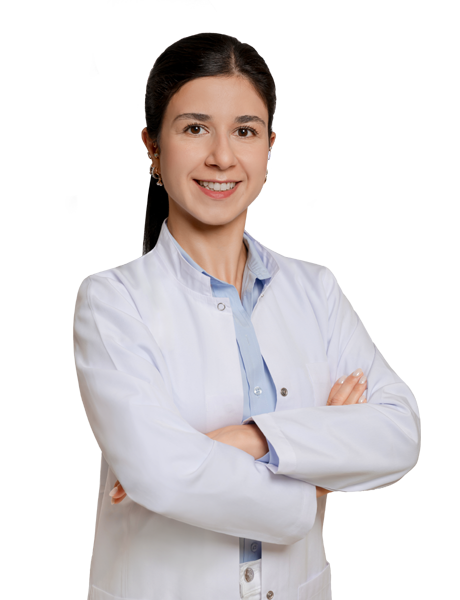
Dr. Ceyda Sabancı
Oral & Dental Health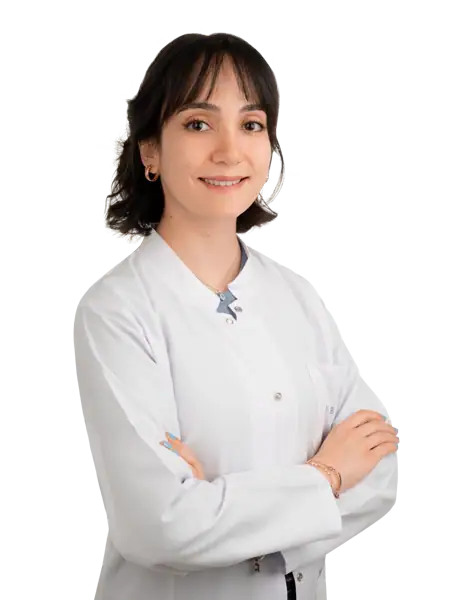
Dr. Çağla Su Doğangün Ayduk
Oral & Dental Health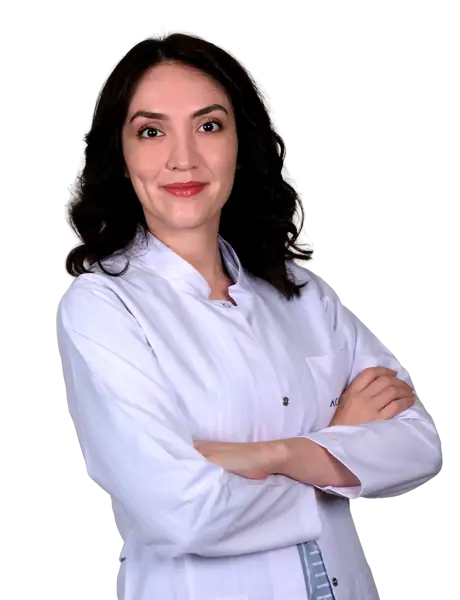
Dr. Begüm Öykü Kesim
Oral & Dental Health
Dr. Eylül Türsen
Oral & Dental Health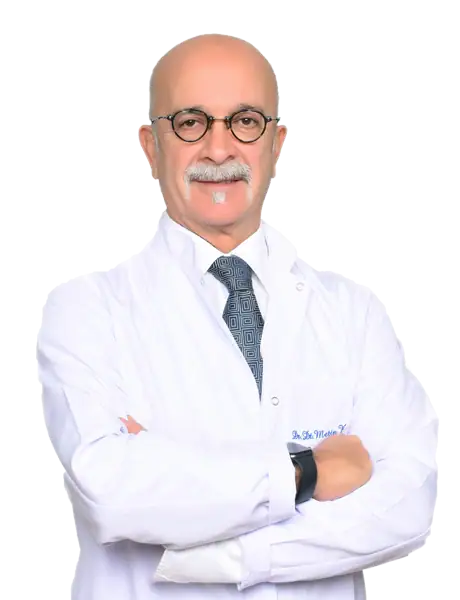
Dr. Metin Kınacı
Oral & Dental Health
Dr. Duygu Yavuzer Karadeniz
PeriodontolgyDr. Ali Riza Özdurmuş
Oral & Dental Health
Dr. Bedii Ender Topçu
Oral & Dental Health
Dr. Sebiha Nihal Yılmaz
Oral Dental & Maxillofacial SurgeryDr. Seda Saygılı Özaydın
Oral & Dental Health
Dr. Zeynep Ekin Kılınç
Oral & Dental Health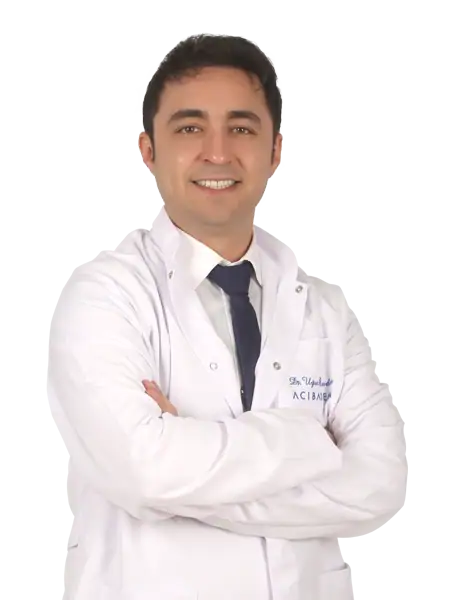
Dr. Uğur Önder
Oral & Dental Health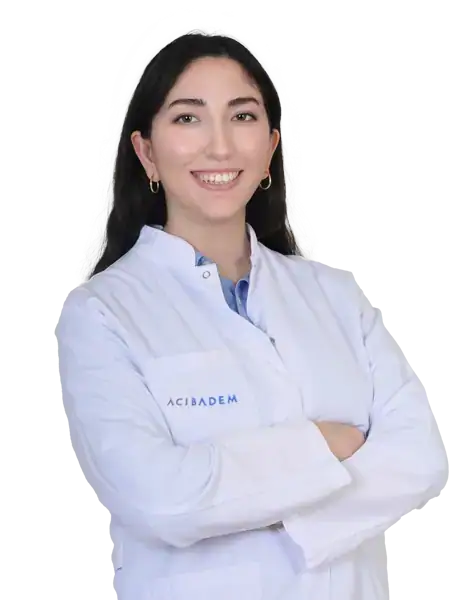
Dr. Helin Kuşsever Topçu
Oral & Dental Health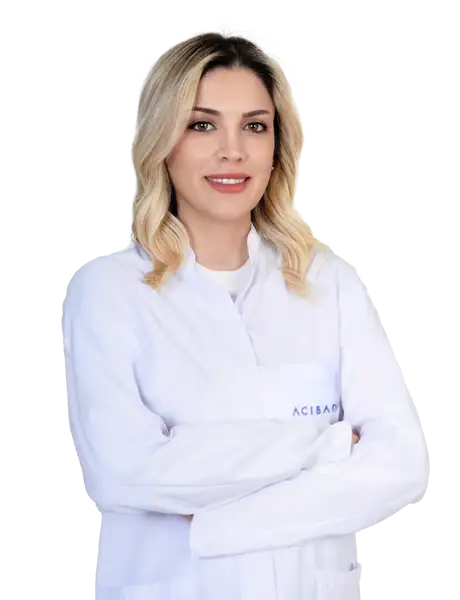
Dr. Pelin Açık
Oral & Dental Health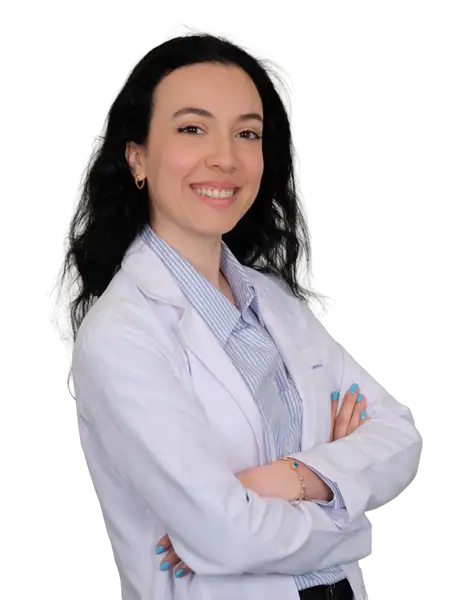
Dr. İpek Saygılı
Oral & Dental Health
Dr. Halime Bayram
Oral & Dental Health
Dr. Havva Gölalan
Oral & Dental Health
Dr. Merve Ağartıoğlu
Oral & Dental Health
Dr. Mücahit Güner
Oral & Dental HealthMedical Units
Available at These Hospitals