Eye Examination Glaucoma: Early Signs, Risk Factors, and How It Is Treated
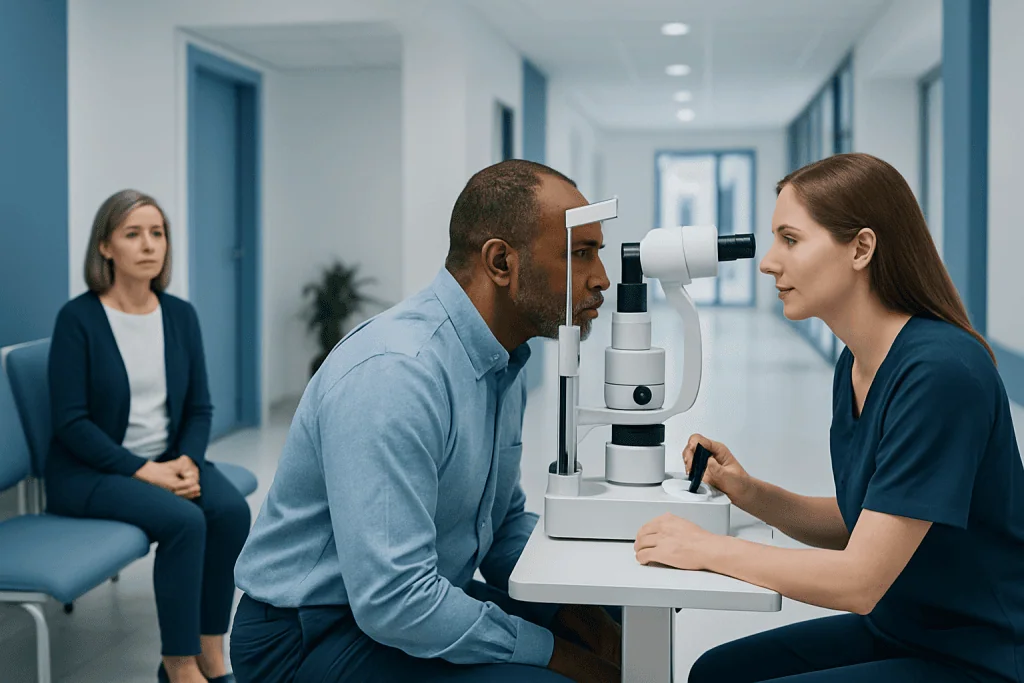
Glaucoma can damage the optic nerve without early symptoms, so regular eye exams are important. A glaucoma evaluation usually includes eye pressure measurement, optic nerve assessment, visual field testing, and often imaging.
Key Takeaways
- Glaucoma can damage the optic nerve without early symptoms, so regular eye exams are important.
- A glaucoma evaluation usually includes eye pressure measurement, optic nerve assessment, visual field testing, and often imaging.
- Normal eye pressure does not completely rule out glaucoma, and high pressure does not always mean glaucoma is present.
- Treatment aims to lower eye pressure and may include medicated drops, laser procedures, or surgery.
- People over 40, those with a family history, and individuals with diabetes, high myopia, or steroid use may need closer follow-up.
Eye examination glaucoma refers to the eye tests doctors use to find glaucoma early, often before noticeable vision loss occurs. A complete exam looks beyond eye pressure alone and checks the optic nerve, drainage angle, and side vision to guide diagnosis and treatment.
Overview: what an eye examination for glaucoma checks
Eye examination glaucoma means a focused eye assessment used to detect glaucoma, a group of conditions that can damage the optic nerve. The goal is to find changes early, because glaucoma often develops slowly and may not cause symptoms until vision loss has already begun. Early detection gives the best chance of protecting sight.
A glaucoma exam is more than a single eye pressure reading. Eye doctors usually combine several findings: the pressure inside the eye, the appearance of the optic nerve, the shape of the drainage angle, the thickness of the cornea, and whether side vision has changed. These pieces help distinguish healthy eyes from glaucoma, glaucoma suspicion, or ocular hypertension.
There are several types of glaucoma. The most common is open-angle glaucoma, which typically progresses gradually. Angle-closure glaucoma is less common but can develop suddenly and needs urgent treatment. Some people may also have glaucoma despite pressure levels that are not especially high. That is why a complete examination matters.
Early signs and symptoms to know
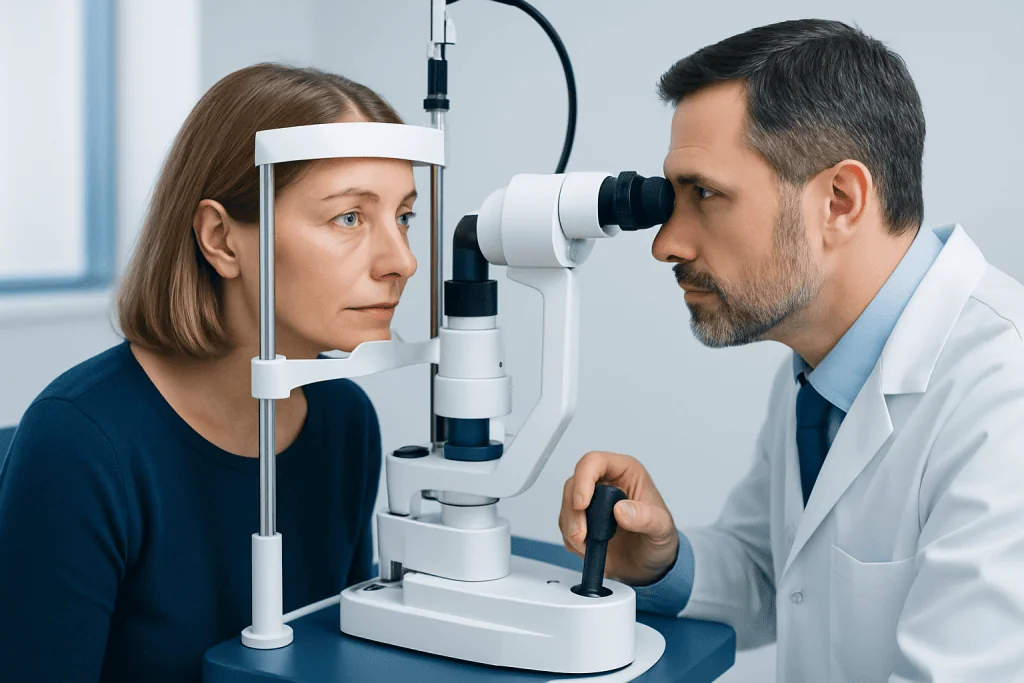
One of the most important facts about glaucoma is that early disease often has no warning signs. Vision may seem normal, and central reading vision may stay clear for a long time. However, damage can begin at the edges of the visual field, where small changes are easy to miss in daily life.
When symptoms do appear in chronic open-angle glaucoma, they may include subtle loss of peripheral vision, difficulty seeing objects to the side, or trouble adjusting in low light. People do not always notice these changes until more advanced stages. This is one reason routine exams are especially valuable for those at higher risk.
Acute angle-closure glaucoma is different and may cause sudden symptoms. These can include severe eye pain, headache, blurred vision, halos around lights, nausea, vomiting, and a red eye. This situation needs urgent medical attention because pressure can rise quickly and threaten vision.
If a patient has been told they are a glaucoma suspect, follow-up is still important even if symptoms are absent. Monitoring can show whether the optic nerve or visual field remains stable over time.
Who is at risk for glaucoma
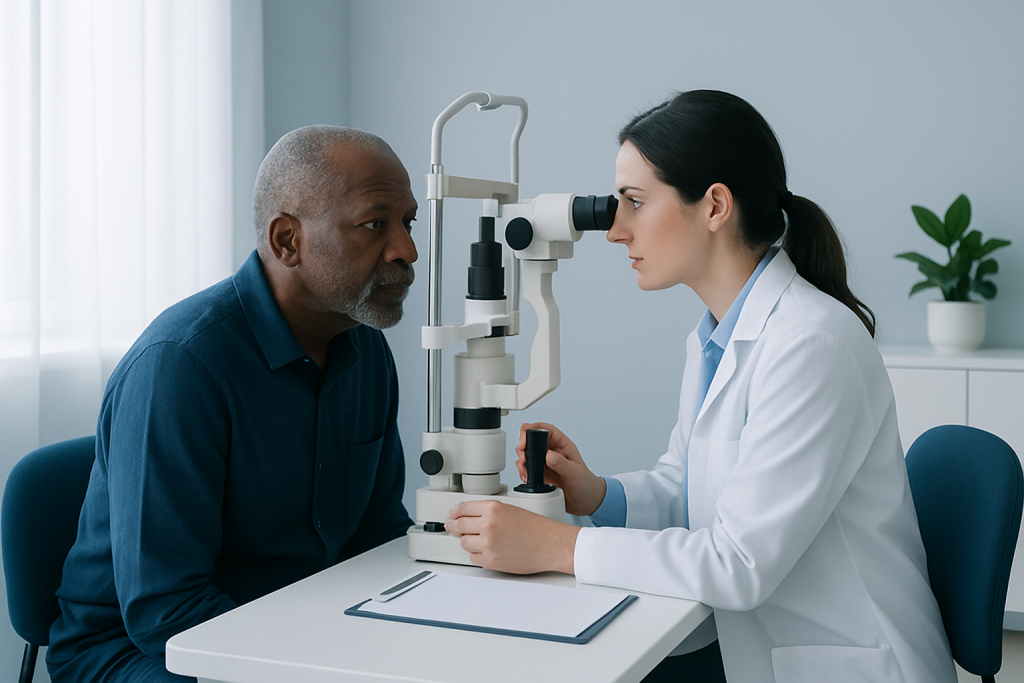
Several factors increase the likelihood of glaucoma. Risk generally rises with age, especially after 40, although younger adults can also be affected. A family history of glaucoma is one of the strongest clues, because close relatives may share inherited risk.
Other risk factors include elevated eye pressure, African, Asian, or Hispanic ancestry depending on the glaucoma subtype, thin corneas, high myopia, diabetes, previous eye injury, and long-term use of corticosteroid medicines. Certain eye anatomy features can also increase the chance of angle closure.
Risk factors do not confirm that glaucoma is present, but they help doctors decide how often a person should be checked. Someone with multiple risk factors may need more frequent comprehensive exams than someone at low risk.
People with other eye conditions may also need careful monitoring. For example, a specialist may assess whether symptoms relate to cataract or another cause of blurred vision while still screening for glaucoma if risk is present.
How glaucoma is diagnosed during an eye examination
A glaucoma workup usually starts with a detailed medical and eye history. The doctor may ask about family history, current medications, previous eye injuries, steroid use, headaches, and symptoms such as halos or side vision loss. This background helps interpret test results accurately.
The exam often includes tonometry, which measures intraocular pressure. While pressure is an important clue, it is not the whole story. Some people have high pressure without optic nerve damage, called ocular hypertension, while others develop glaucoma with pressures in the normal range.
Doctors also examine the optic nerve after dilating the pupils and may use optical coherence tomography to measure the nerve fiber layer. Visual field testing checks for missing areas in side vision that the patient may not have noticed. Gonioscopy, a test using a special lens, allows the doctor to see whether the drainage angle is open or narrow. Pachymetry measures corneal thickness, which can influence pressure interpretation.
In many cases, glaucoma is diagnosed by combining findings over time rather than from one visit alone. Repeated visual field tests and optic nerve images can show whether changes are stable or progressing. Advanced centers may use comprehensive eye examination services to bring these assessments together in one coordinated evaluation.
Treatment options and how they protect vision
Glaucoma treatment is designed to lower eye pressure enough to reduce stress on the optic nerve. The right target pressure depends on the glaucoma type, the degree of optic nerve damage, the baseline pressure, and whether disease appears to be progressing. Even when vision already lost cannot usually be restored, treatment can help preserve the remaining vision.
The first treatment for many patients is prescription eye drops. Different medicines lower pressure by reducing fluid production inside the eye or improving fluid drainage. Patients may need one medication or a combination, and regular use is important because glaucoma treatment works best when taken consistently.
Laser treatment may also be recommended. In open-angle glaucoma, laser trabeculoplasty can improve drainage. In angle-closure disease, a laser iridotomy may create a small opening in the iris to help fluid move normally. Some patients benefit from glaucoma treatment that combines medications, laser procedures, and close monitoring over time.
If drops and laser are not enough, surgery may be considered. Options may include trabeculectomy, tube shunt surgery, or minimally invasive glaucoma surgery, depending on the case. If another eye problem is present at the same time, the care plan may be coordinated with procedures such as cataract surgery when appropriate.
Prevention, monitoring, and self-care
Glaucoma cannot always be prevented, but early detection can often prevent significant visual disability. The most effective step is having regular comprehensive eye examinations based on age, personal risk factors, and family history. People at increased risk should not wait for symptoms to appear.
Self-care mainly supports treatment success. Patients should use prescribed eye drops exactly as directed, attend follow-up appointments, and tell their doctor about side effects or difficulties using drops. It may help to keep a medication schedule or set reminders, because missed doses can reduce pressure control.
General health habits also matter. Managing diabetes and blood pressure, protecting the eyes from injury, and discussing long-term steroid use with a doctor may reduce avoidable risk. However, lifestyle changes alone do not replace medical treatment for established glaucoma.
For patients traveling for care, coordinated specialist follow-up is important because glaucoma usually requires long-term monitoring. Near the end of the treatment pathway, multidisciplinary eye specialists at Acibadem International and its JCI-accredited hospitals diagnose and manage glaucoma for international patients, with plans tailored to disease type and follow-up needs.
When to seek medical care
Anyone with sudden eye pain, a red eye, blurred vision, halos around lights, severe headache, nausea, or vomiting should seek urgent medical care. These symptoms can suggest acute angle-closure glaucoma, which needs prompt treatment to reduce the risk of permanent vision loss.
Non-urgent medical review is also appropriate for people who notice gradual loss of side vision, frequent changes in vision, or increasing difficulty seeing in dim light. Those with a family history of glaucoma, diabetes, high myopia, or long-term steroid use should arrange regular eye examinations even if they feel well.
People who have already been diagnosed with glaucoma or ocular hypertension should contact their eye doctor if medications run out, side effects become troublesome, or vision seems to worsen. Ongoing follow-up allows pressure targets and treatment plans to be adjusted safely when needed.
Frequently asked questions
Can glaucoma be found during a routine eye exam?
Yes. A routine comprehensive eye exam can raise suspicion for glaucoma, especially if it includes pressure measurement and optic nerve assessment. If glaucoma is suspected, the eye doctor usually adds or repeats tests such as visual field testing, gonioscopy, and imaging.
Is high eye pressure the same as glaucoma?
No. High eye pressure increases risk, but it does not always mean optic nerve damage is present. Some people have ocular hypertension without glaucoma, while others develop glaucoma even with pressure in a normal range.
How often should someone have an eye examination for glaucoma?
The schedule depends on age and risk factors. People with a family history, diabetes, steroid use, high myopia, or previous abnormal findings may need more frequent exams than average-risk adults. An eye doctor can recommend an appropriate interval.
Can glaucoma be cured?
Glaucoma is usually a long-term condition that can be controlled rather than cured. Treatment focuses on lowering eye pressure and slowing or stopping further optic nerve damage. Early diagnosis gives the best chance of preserving vision.
What tests are usually included in a glaucoma exam?
A glaucoma exam may include tonometry for eye pressure, optic nerve evaluation, visual field testing, pachymetry to measure corneal thickness, and gonioscopy to examine the drainage angle. Many clinics also use optical coherence tomography to assess the optic nerve and retinal nerve fiber layer.
Are glaucoma eye drops needed forever?
Many patients need long-term treatment, but the exact plan can change over time. Some remain on drops for years, while others may move to laser treatment or surgery if pressure is not controlled well enough or if side effects occur.
References
- American Academy of Ophthalmology
- National Eye Institute
- Centers for Disease Control and Prevention
- National Health Service
- World Health Organization
This article is for general information only and is not a substitute for professional medical advice. Please consult a qualified doctor about your individual situation.
Eye Examination in Turkey — costs, top hospitals & a free quote
JCI-accredited · board-certified surgeons · reply within 24h
Add us as a Preferred Source to see more of our trusted health content across Google Search, AI Overviews and Discover.

Ophthalmology
Comprehensive eye care from laser vision correction to retina, cornea and cataract surgery.
75 specialists in this unit