

Metal Braces
Metal braces use fixed brackets and wires to gradually correct crowded, spaced, or misaligned teeth. They are a reliable orthodontic option for children, teenagers, and adults.
Quick answer
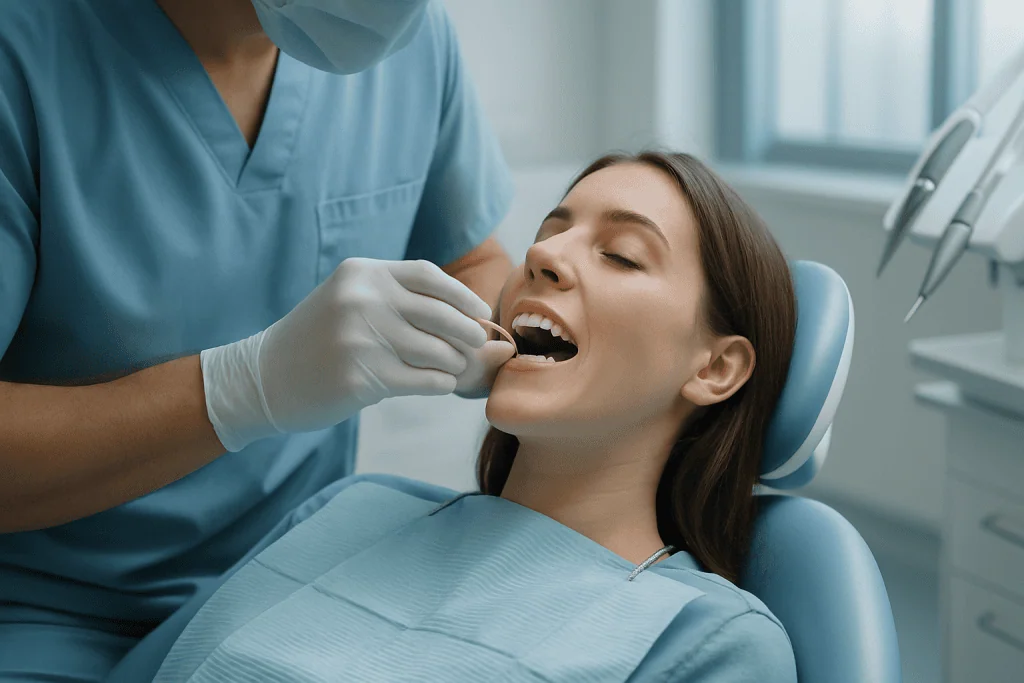
Metal braces are fixed orthodontic appliances that use brackets and wires to gradually move crowded, spaced, or misaligned teeth into better alignment. At Acibadem in Turkey, treatment is planned after orthodontic assessment and carried out through brace placement and periodic adjustments, with follow-up to monitor tooth movement and oral health.
Choosing Metal Braces with Confidence
Deciding to begin orthodontic treatment is often more than a cosmetic choice. Crowded, spaced, or misaligned teeth can affect how you bite, chew, speak, clean your teeth, and feel when you smile. For children and teenagers, parents may worry about timing, comfort, school routines, and whether treatment will support healthy jaw and dental development. Adults may have different concerns: professional appearance, previous dental work, gum health, travel schedules, or whether it is “too late” to straighten their teeth.
Metal braces remain one of the most established and widely used orthodontic treatments because they are effective for a broad range of tooth and bite problems. They can guide individual teeth with precision, manage more complex movements, and support long-term oral health when treatment is carefully planned and monitored. Although braces require commitment, they are highly adaptable and can be used in children, teenagers, and adults with many different orthodontic needs.
At Acibadem, orthodontic care is approached as a medical and dental decision, not simply an aesthetic service. Your orthodontist evaluates your teeth, jaw relationship, facial profile, oral hygiene, gum health, growth stage, and long-term dental needs before recommending a treatment plan. For international patients, this structured approach is especially important: it helps clarify what braces can achieve, how long treatment may take, what visits are needed, and how care can be coordinated if you live outside Turkey.
What Are Metal Braces?
Metal braces are fixed orthodontic appliances used to gradually move teeth into healthier and more balanced positions. They are called “fixed” because the brackets are attached to the teeth and remain in place throughout treatment. A thin orthodontic wire runs through the brackets, and gentle controlled forces guide the teeth over time. Small elastic ties or other fastening mechanisms may hold the wire in position, depending on the bracket system used.
The main parts of metal braces include brackets, which are bonded to the front surfaces of the teeth; archwires, which create controlled movement; and auxiliaries, such as elastics, springs, or small attachments that help correct specific bite problems. In some cases, bands may be placed around back teeth for additional support. The orthodontist adjusts the wire and related components at planned intervals so that tooth movement progresses in a safe, measured way.
Metal braces work through biology as much as mechanics. When light pressure is applied to a tooth, the surrounding bone gradually remodels. Bone is resorbed on one side of the tooth and forms on the other, allowing the tooth to move into a new position. This process must be carefully controlled. Moving teeth too quickly or with inappropriate force can increase the risk of discomfort, root changes, gum problems, or instability after treatment.
Because metal braces are fixed, they work continuously. This can be helpful for patients who may not want the responsibility of wearing removable aligners for many hours each day. Metal braces are also especially useful when teeth require significant rotation, vertical movement, space closure, bite correction, or complex coordination between the upper and lower dental arches. For many patients, they remain a reliable, evidence-based orthodontic option.
Who May Need Metal Braces?
Metal braces may be recommended for children, teenagers, or adults who have teeth or bite relationships that would benefit from guided orthodontic movement. The need for braces is not always obvious from appearance alone. Some patients have fairly straight front teeth but an uneven bite, impacted teeth, jaw growth imbalance, or back teeth that do not fit together correctly. Others may be concerned mainly about crowding, spacing, or smile alignment.
Common signs that an orthodontic evaluation may be helpful include teeth that overlap or appear twisted, spaces between teeth, difficulty biting or chewing, upper teeth that protrude, lower teeth that sit too far forward, an open bite where front teeth do not meet, a deep bite where upper teeth cover the lower teeth excessively, or crossbite where some upper teeth bite inside the lower teeth. Patients may also notice jaw fatigue, uneven tooth wear, speech changes, food trapping, gum irritation, or difficulty cleaning between crowded teeth.
In children, orthodontic concerns may be identified by a pediatric dentist, family dentist, or parent. Early assessment can be valuable when there are growth-related issues, delayed tooth eruption, premature loss of baby teeth, habits such as thumb sucking, narrow dental arches, or teeth that appear blocked from coming in properly. Not every child needs immediate braces. Sometimes the best plan is observation, preventive care, or a first phase of treatment before comprehensive braces later.
Teenagers are the most common group treated with metal braces because most permanent teeth have erupted and growth can often still be guided. For adults, braces may be appropriate if the gums and supporting bone are healthy enough for tooth movement. Adult orthodontic treatment may also be part of a larger dental plan, such as preparing space for implants, improving bite stability before crowns or veneers, or correcting tooth positions affected by previous tooth loss.
Diagnosis begins with a detailed orthodontic examination. Your orthodontist evaluates your bite, tooth alignment, jaw movement, facial balance, oral hygiene, gum condition, and any existing restorations. Diagnostic records often include clinical photographs, digital X-rays, panoramic imaging, cephalometric analysis, and either traditional impressions or digital scans of the teeth. These records help the orthodontist understand the root positions, jaw relationship, tooth eruption pattern, bone support, and available space.
For international patients, initial evaluation may begin with a remote review of photographs, X-rays, and dental history when available. However, a definitive treatment plan usually requires an in-person examination. This is because bracket placement, gum health, tooth mobility, bite contacts, and functional jaw movement must be assessed directly before treatment begins.
Conditions and Orthodontic Problems Metal Braces Can Address
Metal braces can be used to treat a wide range of orthodontic conditions. The exact plan depends on the severity of the problem, the patient’s age, growth stage, oral health, and treatment goals. In some cases, braces are used alone. In others, they may be combined with tooth extractions, expanders, elastics, temporary anchorage devices, oral surgery, periodontal care, or restorative dentistry.
Crowded teeth occur when there is not enough space in the dental arch for teeth to align properly. Crowding can make teeth difficult to clean and may contribute to plaque accumulation, gum inflammation, cavities, and uneven wear. Braces can align the teeth by creating or redistributing space through arch development, selective enamel reshaping, extractions when necessary, or coordinated tooth movement.
Spacing occurs when gaps are present between teeth. Spaces may be related to tooth size, missing teeth, gum conditions, habits, or jaw size. Braces can close certain spaces or arrange teeth to support later restorative treatment, such as bonding, veneers, bridges, or implants.
Overbite describes excessive vertical overlap of the upper front teeth over the lower front teeth. A deep overbite may contribute to tooth wear, gum trauma, or bite instability. Braces can help level the bite and improve how the front and back teeth meet.
Overjet refers to upper front teeth that sit too far ahead of the lower front teeth. It may affect appearance, lip closure, speech, and risk of dental trauma. Depending on the cause, treatment may involve braces with elastics, growth guidance in younger patients, extractions, or jaw surgery in selected adult cases.
Underbite occurs when the lower teeth or jaw sit ahead of the upper teeth. Mild dental underbites may be corrected with braces and bite mechanics. More significant skeletal underbites, particularly in adults, may require combined orthodontic and surgical planning.
Crossbite occurs when upper teeth bite inside lower teeth. It may involve one tooth, several teeth, or an entire side of the arch. If not corrected, crossbite may contribute to uneven wear, gum recession, or jaw shift. Braces may be combined with expansion or other appliances depending on the patient’s age and anatomy.
Open bite means that certain teeth do not touch when the jaws close. This can affect biting, chewing, speech, and tooth wear. Open bites may be related to habits, tongue posture, growth patterns, or tooth eruption. Treatment often requires careful diagnosis because stability depends on both tooth position and underlying functional factors.
Impacted or ectopic teeth are teeth that do not erupt into the correct position. Canines are among the teeth commonly affected. Braces may be used with surgical exposure when appropriate to guide impacted teeth into alignment. This type of treatment requires precise coordination between orthodontic and oral surgery teams.
How Metal Braces Treatment Is Performed
Metal braces treatment begins with planning. Before any brackets are placed, the orthodontist reviews your diagnostic records and explains the goals of treatment, estimated duration, appointment schedule, expected responsibilities, and possible alternatives. If cavities, active gum disease, or significant dental infections are present, these usually need to be treated before braces begin. A healthy foundation is essential for safe tooth movement.
Preparation may include professional dental cleaning, fluoride recommendations, oral hygiene instruction, and coordination with other specialists if needed. Patients with gum disease may need periodontal evaluation. Adults with missing teeth, crowns, implants, or complex restorative needs may have a combined plan involving orthodontics and prosthodontics. Children and teenagers may need growth assessment or space management before full braces are placed.
The braces placement appointment is usually performed in an outpatient dental setting and does not require general anesthesia. The teeth are cleaned and dried, and the brackets are bonded to the tooth surfaces using dental adhesive. The orthodontist positions each bracket according to the desired tooth movement. After the adhesive is set, an archwire is placed and secured. The patient receives instructions on eating, cleaning, discomfort control, and what to do if a bracket or wire becomes loose.
The bonding appointment often takes about one to two hours, depending on whether braces are placed on one or both arches and whether additional appliances are needed. Patients can usually return to normal daily activities immediately. The teeth may feel sensitive for several days as they begin responding to the new forces. Soft foods, orthodontic wax, and over-the-counter pain relief recommended by the clinician can help during the adjustment period.
Follow-up visits are central to treatment. At these appointments, the orthodontist checks tooth movement, oral hygiene, bracket condition, bite changes, and patient comfort. Wires may be changed, elastics added, or forces adjusted. These visits usually occur every several weeks, although the exact timing varies by case and treatment stage. Consistent attendance is important because braces require periodic monitoring to remain effective and safe.
Modern orthodontic care uses several types of diagnostic and planning technology. Digital radiography can reduce radiation exposure compared with older film-based methods and helps evaluate teeth, roots, and bone support. Panoramic and cephalometric imaging help assess the dental arches and jaw relationship. Intraoral scanning can create digital models of the teeth without traditional impression material in many cases. Three-dimensional planning tools may assist in evaluating complex tooth positions, impacted teeth, facial proportions, or surgical-orthodontic cases.
Technology supports decision-making, but the orthodontist’s judgment remains essential. Braces must be planned for the individual patient’s biology, not only the desired final image. Root position, gum thickness, bone support, tooth shape, jaw growth, facial aesthetics, and bite function all influence the safest and most stable path to alignment.
During treatment, patients play an active role. Brushing and flossing take more time with braces because brackets and wires create areas where food and plaque can collect. Your orthodontic team will demonstrate cleaning techniques, including the use of interdental brushes, floss threaders, water irrigators when appropriate, and fluoride products. Dietary changes are also necessary. Hard, sticky, or very chewy foods can damage brackets and wires, which may slow progress.
Some patients are asked to wear elastics between the upper and lower braces. These small rubber bands help correct bite relationships. Their effectiveness depends heavily on patient cooperation. Wearing them less than instructed may extend treatment time or limit the final correction. For teenagers and adults alike, understanding the purpose of elastics often improves consistency.
The total duration of metal braces treatment varies widely. Mild alignment changes may take a shorter time, while complex bite correction, impacted teeth, extractions, or jaw coordination may require longer treatment. Many comprehensive orthodontic plans last roughly one to three years, but your orthodontist will provide a more personalized estimate after diagnosis. Treatment time can also be affected by missed appointments, bracket breakage, oral hygiene issues, tooth movement response, and whether additional procedures are needed.
When active treatment is complete, braces are removed in a controlled appointment. The brackets are gently debonded, adhesive is polished from the teeth, and retainers are made. Retention is not optional; it is part of orthodontic treatment. Teeth naturally tend to shift over time, especially shortly after braces are removed. Retainers help maintain the new positions while the surrounding bone and tissues adapt. Your orthodontist will explain whether removable retainers, fixed retainers, or a combination is best for your situation.
Why Acting Early Matters
Orthodontic problems do not always require urgent treatment, but timely evaluation can prevent small issues from becoming more complicated. Crowding may worsen as permanent teeth erupt. Bite problems can contribute to uneven tooth wear, gum irritation, jaw strain, or difficulty cleaning. Impacted teeth may become harder to move if they remain untreated for too long. In children, certain jaw growth patterns are easier to influence while growth is still active.
Early assessment does not mean every patient should start braces immediately. In many cases, monitoring is appropriate. However, delaying evaluation may reduce the range of treatment options. For example, a child with a narrow upper arch may benefit from treatment during a growth window, while an adult with the same skeletal pattern may require more complex care. Similarly, impacted canines are often easier to guide when identified before root development and tooth position become more challenging.
For adults, delay can also matter because gum health, bone levels, and tooth wear may change over time. Crowded teeth can be difficult to clean thoroughly, increasing the risk of periodontal inflammation. A poorly balanced bite may place excessive forces on certain teeth or restorations. Addressing alignment before extensive restorative dental work can sometimes improve the longevity and function of crowns, bridges, implants, or veneers.
The purpose of timely orthodontic care is not to rush treatment; it is to make informed decisions at the right moment. A careful evaluation can tell you whether braces are needed now, whether another option may be suitable, or whether observation is the best plan.
Benefits of Metal Braces
When carefully planned and maintained, metal braces can improve both dental function and smile alignment in meaningful ways.
| Benefit | What It Means for You |
|---|---|
| Precise tooth movement | Fixed brackets and wires allow the orthodontist to guide individual teeth, including rotations, vertical changes, and complex space closure. |
| Effective for many bite problems | Metal braces can address crowding, spacing, overbite, underbite, crossbite, open bite, and many combined orthodontic concerns. |
| Continuous treatment action | Because braces are fixed in place, they work throughout the day and do not depend on remembering to insert an appliance. |
| Improved oral hygiene access after alignment | Straighter teeth can be easier to brush and floss once treatment is complete, supporting long-term gum and tooth health. |
| Better bite balance | A more stable bite can help distribute chewing forces more evenly and may reduce abnormal wear on certain teeth. |
| Long-term smile improvement | Orthodontic alignment can enhance facial and dental aesthetics while preserving your natural teeth. |
Recovery and Adjustment Timeline
Metal braces do not require surgical recovery, but most patients go through a normal adjustment period as the teeth and soft tissues adapt.
| Time Period | What Patients Can Expect |
|---|---|
| Day 1 | Brackets and wires feel new in the mouth. Mild pressure or tightness may begin within several hours. Eating soft foods is usually more comfortable. |
| First Week | Tooth sensitivity and cheek or lip irritation commonly improve. Orthodontic wax, careful brushing, and soft meals can help during adaptation. |
| First Month | Patients become more comfortable cleaning around braces and eating with them. Early tooth movement may be visible in some cases. |
| During Active Treatment | Adjustment visits continue at planned intervals. Temporary soreness may occur after wire changes or elastic adjustments. |
| After Braces Are Removed | Teeth feel smooth again, and retainers are provided to maintain the result. Retainer wear is essential for long-term stability. |
| Longer Term | Regular dental care and retainer follow-up help preserve alignment, bite function, and oral health over time. |
What Influences a Good Orthodontic Result?
A successful braces experience depends on more than the appliance itself. The quality of diagnosis, the biological response of the teeth, patient cooperation, oral hygiene, and retention all influence the final result. Two patients may begin with similar crowding but require different treatment plans because of differences in root position, gum thickness, jaw relationship, facial structure, or growth stage.
Accurate diagnosis is the foundation. Orthodontic treatment must account for both the visible crowns of the teeth and the roots beneath the gumline. Moving teeth without understanding bone support, gum condition, or jaw relationship can compromise stability and oral health. Diagnostic imaging and clinical examination help the orthodontist define what is possible and what should be avoided.
Oral hygiene is one of the most important patient-controlled factors. Plaque around brackets can lead to white spot lesions, cavities, gum swelling, and bad breath. Patients who brush carefully, clean between teeth, limit sugary snacks, and attend dental cleanings are more likely to complete treatment with healthy enamel and gums. Orthodontic teams provide guidance, but daily care at home is essential.
Consistency with appointments affects timing and progress. Missed visits can delay wire changes, bite correction, or monitoring of tooth movement. If a bracket becomes loose or a wire is displaced, prompt communication with the clinic helps avoid unnecessary delays. International patients should discuss travel plans in advance so the treatment schedule can be organized as realistically as possible.
Use of elastics or auxiliary appliances may be critical. If your orthodontist prescribes elastics, they are usually necessary to correct the bite, not just straighten the teeth. Wearing them as instructed can make a significant difference in the efficiency and quality of the result.
Growth and age influence planning. Children and teenagers may have growth potential that can support certain corrections. Adults can also achieve excellent orthodontic improvements, but treatment may need to account for denser bone, gum history, restorations, missing teeth, or previous dental work. Adult treatment is often highly customized and may involve collaboration with other dental specialists.
Retention determines how well the result is maintained. Teeth can shift after braces due to natural aging, chewing forces, oral habits, gum changes, and the memory of elastic fibers around teeth. Retainers reduce this movement. Long-term retainer wear, as advised by the orthodontist, is a key part of preserving the outcome.
Realistic goals also matter. Orthodontics can significantly improve alignment and bite function, but it cannot change every aspect of tooth shape, jaw structure, or facial anatomy without additional treatments. In some cases, ideal results require restorative dentistry, periodontal care, or jaw surgery. A clear discussion before treatment helps align expectations with the safest and most appropriate plan.
Why International Patients Choose Acibadem for Metal Braces
International patients considering orthodontic treatment abroad often look for clinical quality, clear communication, continuity of care, and confidence that their individual needs will be understood. Metal braces treatment requires months or years of follow-up, so the choice of provider should be based on more than the initial placement appointment. It should include diagnostic depth, treatment planning, patient education, emergency guidance, and a realistic schedule.
Acibadem’s dental and orthodontic services are supported by the wider structure of a major healthcare group. Care is delivered in JCI-accredited hospital environments where clinical processes, infection control standards, patient safety systems, and interdisciplinary coordination are central to daily practice. For patients traveling from the United States, Europe, the Middle East, or other regions, this can be especially important when orthodontic care intersects with oral surgery, pediatric dentistry, periodontology, prosthodontics, or medical considerations.
Orthodontic treatment at Acibadem is planned individually. Your orthodontist assesses not only how teeth look, but how they function, how they fit within the jaws, and how the treatment may affect long-term oral health. When needed, cases can be reviewed with other dental or medical specialists. For example, patients with impacted teeth may need coordination between orthodontics and oral surgery. Adults with gum concerns may benefit from periodontal evaluation before and during tooth movement. Patients preparing for implants or restorative dentistry may need orthodontics to create proper space and bite relationships.
Acibadem also uses contemporary diagnostic pathways that support accurate planning. Digital imaging, intraoral scanning where appropriate, and advanced planning tools can help the orthodontist evaluate tooth position, root angulation, bite relationships, and treatment progress. These technologies are not used for their own sake; they help improve communication, reduce uncertainty, and allow the patient to better understand the proposed plan.
For international patients, communication is a major part of the care experience. Acibadem International provides dedicated support in more than 20 languages, helping patients coordinate appointments, medical documentation, travel-related questions, and communication with clinical teams. This support is particularly valuable for families bringing a child for treatment, adults combining orthodontic care with other dental procedures, or patients seeking a second opinion before committing to a plan.
Because braces require periodic adjustments, international treatment planning must be practical. Some patients may choose to start treatment at Acibadem and return for scheduled follow-up visits when feasible. Others may seek a diagnostic consultation, second opinion, or treatment planning guidance before deciding whether to complete care in Turkey or coordinate with an orthodontist in their home country. Your orthodontist can discuss what is clinically appropriate, what is realistic for travel, and what level of follow-up is necessary for your case.
Patient education is emphasized throughout the process. Before braces are placed, you should understand the expected treatment length, the reason for each major step, how to clean around the brackets, what foods to avoid, how discomfort is managed, and what signs require contacting the clinic. This clarity helps patients participate actively in their care and reduces anxiety about the unknown.
Many international patients also value the ability to access related services within the same healthcare network. If orthodontic treatment is part of a broader dental plan, the necessary evaluations can often be coordinated more efficiently. This may include pediatric dental care, oral and maxillofacial surgery, gum treatment, restorative dentistry, or medical consultation for patients with complex health histories. The goal is to design a plan that is safe, medically appropriate, and sustainable after the patient returns home.
Taking the Next Step
Metal braces are a trusted orthodontic option for correcting crowded, spaced, or misaligned teeth and improving how the bite functions. They require time, cooperation, and careful follow-up, but for many children, teenagers, and adults, they provide a dependable path toward healthier alignment and a more balanced smile.
If you are considering braces for yourself or your child, a detailed orthodontic evaluation is the best place to begin. At Acibadem, your consultation may include clinical examination, diagnostic imaging, digital records, and a personalized discussion of treatment options. If you are traveling from abroad, the international patient team can help you understand what information to send, how appointments may be organized, and whether an in-person assessment or second opinion is appropriate.
You do not need to make the decision alone. An orthodontic specialist can explain what is causing the alignment problem, whether metal braces are the right option, how long treatment may take, and what you can expect at each stage. With a clear plan and the right support, orthodontic treatment becomes easier to understand and more manageable.
This information is general and is not a substitute for professional medical or dental advice. A qualified orthodontist should evaluate your individual condition before recommending treatment.
Preparation
- A dentist or orthodontic specialist evaluates the teeth, bite, and jaw alignment with an oral examination and imaging if needed. Any cavities, gum inflammation, or dental hygiene issues should be treated before braces are placed. Patients are advised on treatment expectations, oral hygiene, and dietary changes.
Aftercare
- Mild soreness is common for a few days after braces are fitted or adjusted and can usually be managed with soft foods and routine pain relief if recommended. Patients should avoid hard, sticky, or very chewy foods and clean carefully around brackets and wires. Regular adjustment appointments are needed throughout treatment to guide tooth movement safely.
Turkey vs UK, Germany & USA
Metal braces are fixed orthodontic appliances used to gradually correct crowding, spacing, bite concerns, and tooth misalignment. Costs and the overall patient experience vary by country, clinic model, orthodontist expertise, case complexity, and what is included in the treatment plan.
The comparison below highlights practical factors that may influence the cost and experience of having metal braces in different countries.
| Factor | Turkey | UK | Germany | USA |
|---|---|---|---|---|
| Price drivers | Often shaped by clinic setting, orthodontist expertise, diagnostics, treatment length, and package inclusions for international patients. | Costs vary between public eligibility and private orthodontic care, with private fees influenced by region and provider experience. | Private and statutory pathways differ; final cost depends on indication, appliance type, diagnostics, and specialist fees. | Private pricing commonly varies by state, practice overheads, orthodontist experience, imaging, and insurance coverage. |
| Hospital and specialist factors | International hospitals may offer coordinated dental and orthodontic pathways, multidisciplinary support, and dedicated patient services. | Care may be provided in dental practices, orthodontic clinics, or hospital dental departments depending on need and referral route. | Specialist orthodontic practices and hospital clinics may be involved, especially for complex bite or jaw-related cases. | Care is commonly delivered in private orthodontic practices, with referral to oral surgery or other specialists when needed. |
| Accreditation and quality | Some hospital groups, including Acibadem, operate within international quality frameworks such as JCI accreditation. | Regulated dental and orthodontic services with professional oversight and established clinical standards. | Regulated healthcare system with structured dental and orthodontic professional standards. | Regulated dental care with professional licensing and practice accreditation options depending on provider. |
| Waiting times | International patient teams may help coordinate appointments, diagnostics, and treatment planning within a planned travel schedule. | Public pathways can involve eligibility checks and waiting; private care may offer more flexible scheduling. | Waiting times vary by region, provider, and whether care is private or through statutory coverage. | Private appointment availability may be flexible, but scheduling depends on provider demand and insurance processes. |
| Travel and language logistics | International patient support can assist with appointment coordination, translation, travel planning, and treatment documentation. | Travel needs are usually lower for residents; international patients may need to arrange interpretation and accommodation separately. | International patients may need support for language, paperwork, and follow-up planning depending on the clinic. | International visitors may need to plan for travel distance, accommodation, insurance communication, and follow-up visits. |
| Typical package inclusions | May include consultation, orthodontic assessment, imaging guidance, braces placement, scheduled adjustments, and care coordination, depending on the plan. | Private packages may include assessment, appliance placement, adjustments, and retainers, but inclusions vary by provider. | Plans may include diagnostics, appliance therapy, adjustments, and retention, with coverage depending on indication and payment pathway. | Packages may include records, braces, appointments, retainers, and payment planning, with inclusions varying by practice. |
What affects your final cost
- Severity of crowding, spacing, bite imbalance, or jaw relationship.
- Whether extractions, restorations, periodontal care, or oral surgery are needed before or during orthodontic care.
- Type of braces and any additional appliances used to support tooth movement.
- Orthodontist experience, clinic setting, and whether care is delivered within an internationally accredited hospital environment.
- Diagnostic records, imaging, emergency visits, adjustment appointments, and retainers.
- Travel, accommodation, translation, and follow-up arrangements for international patients.
Compare your options
Metal braces may be used alone or as part of a broader orthodontic plan. Suitability is decided by an orthodontic specialist after clinical examination, bite assessment, and diagnostic records.
| Option | What it is | Typical use | Key considerations |
|---|---|---|---|
| Conventional metal braces | Fixed stainless-steel brackets connected with an archwire and small elastic ties. | Commonly used for crowded, spaced, rotated, or misaligned teeth in children, teenagers, and adults. | Reliable and widely used; requires regular adjustments, careful cleaning, and avoidance of foods that may damage brackets. |
| Self-ligating metal braces | Fixed metal brackets with a built-in clip mechanism that holds the wire without elastic ties. | May be considered for selected cases where the orthodontist prefers a low-friction bracket system. | Clinical benefit depends on the case and technique; cost may differ from conventional metal braces. |
| Metal braces with bite correction appliances | Metal braces combined with elastics, expanders, bite plates, or other auxiliary devices. | Used when tooth alignment must be coordinated with bite correction or arch development. | Requires strong patient cooperation, especially when removable components or elastics are prescribed. |
| Metal braces with extraction planning | Orthodontic treatment where selected teeth may be removed to create space when clinically necessary. | Considered for significant crowding, protrusion, or space management needs. | Not suitable for every patient; decision depends on facial profile, dental health, bite goals, and specialist planning. |
| Retention after metal braces | Use of fixed or removable retainers after braces are removed. | Helps maintain the corrected tooth position after active treatment. | Retention is an essential part of orthodontic care; long-term stability depends on consistent retainer use and follow-up. |
Trusted care for international patients
General information only — not medical or financial advice. Final costs depend on the factors above and your individual case; request a free, personalised quote.
Doctors Performing This Treatment

Assoc. Prof. Dr. Ferit Bayram
Oral & Dental HealthDr. Ali Riza Özdurmuş
Oral & Dental Health
Dr. Arzu Morçiçek
Oral & Dental Health
Dr. Bedii Ender Topçu
Oral & Dental Health
Dr. Begüm Öykü Kesim
Oral & Dental Health
Dr. Ceyda Sabancı
Oral & Dental HealthDr. Deniz Turgut
Oral & Dental Health
Dr. Destina Suay Sarı
Oral & Dental Health
Dr. Emre Çengelli
Oral Dental & Maxillofacial Surgery
Dr. Eylül Türsen
Oral & Dental Health
Dr. Ezgi Gülüm
Oral Dental & Maxillofacial Surgery
Dr. Halime Bayram
Oral & Dental Health
Dr. Havva Gölalan
Oral & Dental Health
Dr. Helin Kuşsever Topçu
Oral & Dental Health
Dr. Melike Zeynep Çapoğlu
Oral & Dental Health
Dr. Merve Ağartıoğlu
Oral & Dental Health
Dr. Metin Kınacı
Oral & Dental Health
Dr. Mücahit Güner
Oral & Dental Health
Dr. Pelin Açık
Oral & Dental Health
Dr. Sebiha Nihal Yılmaz
Oral Dental & Maxillofacial SurgeryDr. Seda Saygılı Özaydın
Oral & Dental Health
Dr. Uğur Önder
Oral & Dental Health
Dr. Zeynep Ekin Kılınç
Oral & Dental Health
Dr. Çağla Su Doğangün Ayduk
Oral & Dental HealthMedical Units
Available at These Hospitals












Frequently Asked Questions
What affects the cost of metal braces?
The final cost depends on the complexity of tooth movement, bite correction needs, appliance type, diagnostic records, clinic setting, orthodontist expertise, number of adjustment visits, retainers, and whether additional dental treatments are required.
How can I get a personalised quote from Acibadem?
You can request a free consultation by sharing recent dental records, photos, and any previous orthodontic information. An orthodontic specialist can then review your case and provide a personalised treatment plan and quote.
Are metal braces suitable for adults as well as younger patients?
Yes, metal braces can be used for adults, teenagers, and children when clinically appropriate. Suitability depends on dental development, gum health, bone support, bite condition, and the goals of treatment.
What is usually included in a metal braces package?
Inclusions vary by clinic and treatment plan, but may include consultation, orthodontic assessment, imaging guidance, braces placement, adjustment appointments, care coordination, and retainers. Always confirm what is included before starting treatment.
Will I need to travel back for follow-up appointments?
Metal braces require regular monitoring and adjustments. International patients should discuss follow-up planning before treatment begins, including how visits will be scheduled and whether any parts of care can be coordinated with a local dentist or orthodontist.
Is this information medical or financial advice?
No. This is general educational information. A specialist consultation is needed to decide clinical suitability, and a personalised quote is required to understand the cost for your individual case.