Bray Deanne — Explained by Medical Evidence, Not Myths

Bray deanne is not a recognized diagnosis in major medical sources. A symptom-based medical evaluation is more useful than trying to match an unclear term online.
Key Takeaways
- Bray deanne is not a recognized diagnosis in major medical sources.
- A symptom-based medical evaluation is more useful than trying to match an unclear term online.
- Reliable diagnosis depends on medical history, examination, and tests when needed.
- Urgent warning signs include chest pain, breathing difficulty, severe weakness, confusion, or stroke-like symptoms.
- Trusted health information should come from qualified clinicians and established medical organizations.
Bray deanne is not an established disease name in standard medical references. In most cases, this search term refers to a person’s name, a misheard phrase, or a misunderstanding about a symptom or diagnosis, so medical advice should focus on the actual health concern behind the search.
Overview: what “bray deanne” means in medical terms
From a medical evidence perspective, bray deanne is not a standard disease, syndrome, laboratory term, or treatment name used in major clinical references. People may search this phrase because they heard a name in conversation, saw it on social media, misunderstood a diagnosis, or are trying to identify symptoms without the correct medical term.
When a search term does not match a recognized diagnosis, the safest approach is to step back and focus on the real health issue. That means identifying the person’s age, main symptoms, how long they have been present, whether they are getting worse, and whether any red-flag signs are present. This method is more accurate than trying to force an unclear phrase into a medical category.
Medical evidence does not support myths, rumors, or online speculation as a substitute for diagnosis. If someone using this term is actually concerned about dizziness, headache, skin changes, abdominal pain, fatigue, numbness, mood changes, or another symptom, those concerns should be assessed on their own. In some cases, a clinician may recommend specialist review, imaging, blood tests, or other investigations depending on the symptom pattern.
Why unclear health terms spread online
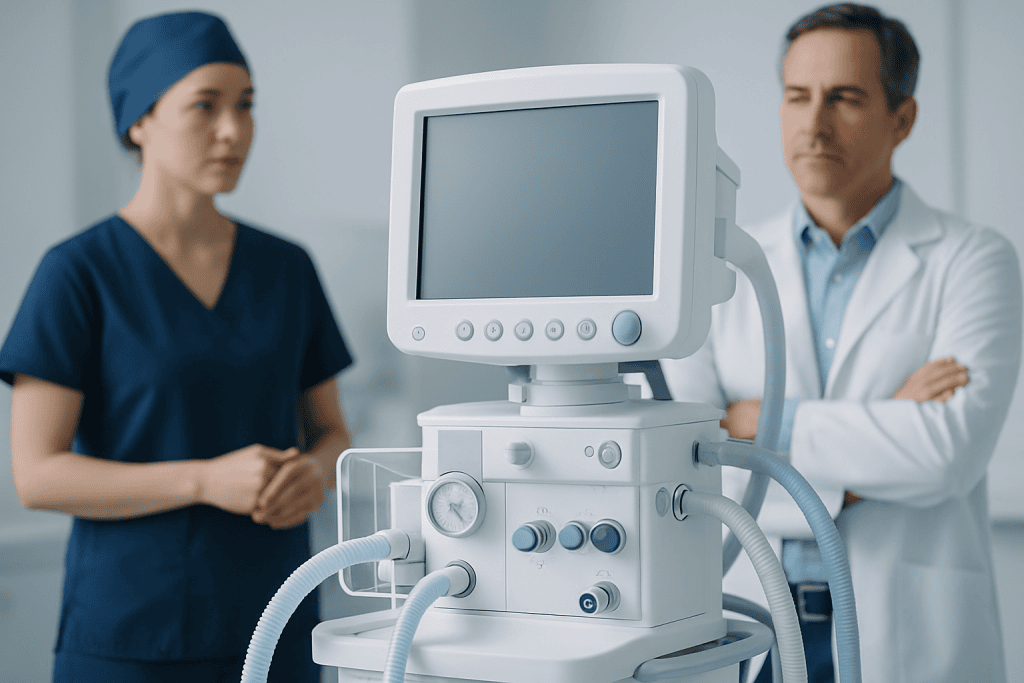
Unclear health phrases often spread because medical language can be difficult to remember. A person may mispronounce a condition, combine two different words, or repeat information from a non-medical source. Search engines and social platforms can then amplify the phrase, even when it has no accepted clinical meaning.
Another common reason is that names of people become mixed with medical content. A celebrity, patient story, or social media post may be discussed in a way that makes a personal name look like a diagnosis. This can create confusion for readers who are simply trying to understand a health problem.
Myths can also develop when symptoms are discussed without context. For example, tiredness, hair loss, headaches, or abdominal discomfort may be blamed on a trendy term instead of being evaluated properly. These symptoms can have many causes, ranging from lifestyle factors to conditions such as thyroid disorders and thyroid cancer, anemia, migraine, digestive conditions, or infections, so self-labeling is not reliable.
Patient-friendly medical care starts by translating vague or incorrect language into clear questions. What exactly is happening? When did it begin? What makes it better or worse? Are there any associated symptoms? Those answers help direct the next step far better than an unverified phrase.
How doctors evaluate the real concern behind the search

If a person searches for bray deanne because they are worried about health symptoms, a doctor will not diagnose the phrase itself. Instead, the clinician will evaluate the underlying problem. This usually begins with a careful history that includes symptom timing, severity, past medical conditions, current medicines, family history, and any recent travel, illness, injury, or stress.
A physical examination helps narrow the possibilities. Depending on the complaint, the doctor may check vital signs, examine the skin, listen to the heart and lungs, assess the abdomen, or perform a neurologic exam. This process is important because many different conditions can produce similar symptoms.
Tests are chosen only when they are clinically appropriate. These may include blood tests, urine tests, ultrasound, X-ray, MRI, CT, endoscopy, or heart testing. If symptoms suggest a neurological problem, imaging such as MRI scanning may help. If the concern involves digestive symptoms, clinicians may consider endoscopy in selected cases. For breast symptoms, a doctor may recommend mammography when indicated by age, examination, or risk factors.
The key point is that modern diagnosis is symptom-based and evidence-based. An unclear online phrase does not replace proper clinical assessment, and treatment should always match a confirmed or likely diagnosis rather than a label found on the internet.
Symptoms that deserve closer attention
Because bray deanne is not a recognized condition, there is no official symptom list attached to it. Instead, people should pay attention to the actual warning signs they are experiencing. Symptoms become more important when they are severe, persistent, recurrent, or interfering with daily life.
Examples that warrant medical assessment include:
- ongoing fever, unexplained weight loss, or marked fatigue
- new lumps, persistent swelling, or changes in the breast, skin, or neck
- difficulty swallowing, ongoing vomiting, or blood in stool or urine
- headaches that are new, severe, or associated with weakness or visual changes
- shortness of breath, chest discomfort, fainting, or palpitations
- persistent numbness, balance problems, confusion, or memory change
Not every symptom signals a serious disease, and many common complaints turn out to have treatable or temporary causes. Still, patterns matter. For example, persistent reflux may need evaluation for stomach and upper digestive disease, while sudden one-sided weakness or difficulty speaking may point to a neurological emergency that requires immediate care.
Keeping a simple symptom diary can be helpful. Recording when symptoms start, how long they last, what they feel like, and any triggers can make a consultation more productive and may help the doctor decide whether urgent tests are needed.
Evidence-based treatment depends on the actual diagnosis
There is no treatment protocol for bray deanne because it is not an accepted medical diagnosis. Treatment should be directed at the identified cause of symptoms. That may involve reassurance and monitoring, lifestyle changes, medicines, physical therapy, counseling, or a procedure or operation, depending on the condition found.
For example, abdominal pain may be managed very differently if it is related to indigestion, gallbladder disease, infection, inflammatory bowel disease, or a gynecologic condition. Headache treatment depends on whether the cause is tension-type headache, migraine, sinus disease, high blood pressure, medication overuse, or a more serious neurological problem. In the same way, fatigue may be linked to sleep issues, anemia, thyroid disease, depression, infection, or chronic illness.
One reason myths are unhelpful is that they may delay correct care. Trying supplements, restrictive diets, or non-medical internet remedies without understanding the diagnosis can waste time and sometimes cause harm. Safe care begins with a qualified clinician who can rule out urgent problems and explain what is known, what is uncertain, and what follow-up is appropriate.
If specialist care is needed, referral may be made to internal medicine, neurology, gastroenterology, endocrinology, cardiology, dermatology, gynecology, or another field. In complex cases, a multidisciplinary approach can be especially useful because symptoms do not always fit neatly into one body system.
How to find trustworthy health information
When a health term seems unclear, the quality of the source matters. Reliable medical information usually comes from national health authorities, major hospitals, professional societies, and peer-reviewed clinical guidance. These sources use recognized disease names, explain uncertainty clearly, and avoid dramatic claims.
It is wise to be cautious about content that promises one simple cause for many symptoms, recommends one product for everyone, or treats a non-medical phrase as a proven diagnosis. Good information should help patients ask better questions, not create confusion or fear.
A practical way to check a term is to compare it with trusted references and see whether it appears consistently across recognized medical sources. If it does not, it may be a misspelling, nickname, or misinformation. In that situation, searching by the real symptom, body area, or test result is usually more useful than repeating the unclear phrase.
For international patients who need evaluation, Acibadem International’s multidisciplinary specialists at JCI-accredited hospitals assess symptoms with established diagnostic methods and condition-based care plans. The goal is to clarify what is medically present and guide treatment based on evidence rather than myths.
When to seek medical care
Medical advice should be sought promptly if symptoms are severe, unexplained, or getting worse. A routine appointment is appropriate for ongoing but stable concerns such as persistent fatigue, a new lump, changes in bowel habits, recurrent headaches, or symptoms that continue despite self-care.
Urgent or emergency care is needed for chest pain, severe shortness of breath, fainting, seizures, sudden confusion, blue lips, signs of severe allergic reaction, major bleeding, or possible stroke symptoms such as face drooping, arm weakness, or speech difficulty. Sudden vision loss, severe head injury, or the worst headache of a person’s life also requires immediate assessment.
Children, older adults, pregnant individuals, and people with chronic illnesses may need earlier review because symptoms can change more quickly or be harder to interpret. Anyone who is unsure whether a symptom is urgent should contact a qualified healthcare professional for guidance rather than relying on an unclear online term.
Frequently asked questions
Is bray deanne a real medical condition?
No established medical reference recognizes bray deanne as a diagnosis, disease, or standard clinical term. It is more likely to be a person’s name, a misspelling, or a misunderstood phrase linked to a separate health concern.
Why do people search for bray deanne in a health context?
People often search unclear terms when they have heard something spoken aloud, seen it online, or are trying to identify symptoms without knowing the correct medical name. This is common and does not mean the term itself represents a true diagnosis.
What should someone do if they searched bray deanne because of symptoms?
They should focus on the actual symptoms rather than the phrase. Writing down what the symptoms are, when they started, and any warning signs can help a doctor evaluate the problem more accurately.
Can online myths delay diagnosis?
Yes, they can. If a person follows unverified advice or assumes an unclear term explains everything, they may postpone appropriate testing and treatment for the real underlying condition.
Do doctors ever diagnose a condition from a search term alone?
No. Diagnosis is based on medical history, physical examination, and tests when necessary, not on an internet keyword. Search terms may help start a conversation, but they cannot replace a proper assessment.
When is the situation an emergency?
Emergency care is needed for chest pain, trouble breathing, sudden weakness, confusion, seizures, severe allergic reactions, major bleeding, or stroke-like symptoms. These signs require immediate medical attention regardless of what term was searched online.
References
- World Health Organization
- Centers for Disease Control and Prevention
- MedlinePlus
- National Institutes of Health
- Mayo Clinic
This article is for general information only and is not a substitute for professional medical advice. Please consult a qualified doctor about your individual situation.
Explore treatments in Turkey — costs, top hospitals & a free quote
JCI-accredited · board-certified surgeons · reply within 24h
Add us as a Preferred Source to see more of our trusted health content across Google Search, AI Overviews and Discover.

More from the Health Library

Purple Lips: A Complete Medical Overview

Copper Peptides — Explained by Medical Evidence, Not Myths

Hyperdontia — Explained by Medical Evidence, Not Myths

Ankle Strengthening Exercises: An Evidence-Based Guide for Patients

C-pap: An Evidence-Based Guide for Patients