Largest Muscle in the Body — Explained by Medical Evidence, Not Myths
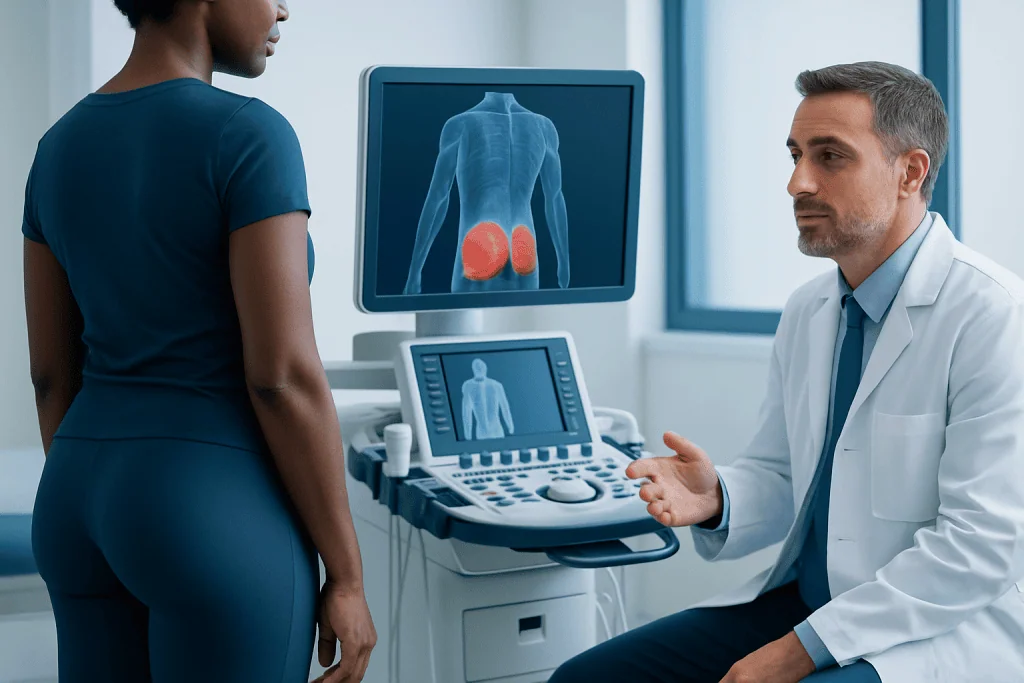
The gluteus maximus is widely recognized as the largest muscle in the body by volume and mass. It is located in the buttocks and plays a major role in posture, walking, climbing, and hip extension.
Key Takeaways
- The gluteus maximus is widely recognized as the largest muscle in the body by volume and mass.
- It is located in the buttocks and plays a major role in posture, walking, climbing, and hip extension.
- People often confuse the largest muscle with the strongest muscle or with organs such as the heart or tongue.
- Pain or weakness in this area may relate to overuse, strain, tendon problems, nerve irritation, or hip and spine conditions.
- Healthy movement, gradual exercise, and proper technique can help protect the gluteal muscles.
The largest muscle in the body is the gluteus maximus, not the heart, tongue, or jaw. It is the large buttock muscle that helps the body stand upright, climb stairs, rise from sitting, and extend the hip during movement.
Overview: What Is the Largest Muscle in the Body?
The largest muscle in the body is the gluteus maximus. This broad, powerful muscle forms much of the shape of the buttocks and is essential for everyday movement. In medical terms, it is considered the largest skeletal muscle by overall bulk, even though other muscles may be longer, stronger in a specific action, or more active during certain tasks.
This question often attracts myths. Some people say the tongue is the largest muscle, while others name the heart or the jaw muscle. These statements are not correct in the usual anatomical sense. The tongue is made of several muscles, the heart is a specialized cardiac muscle rather than a skeletal muscle, and the jaw muscle is very strong but not the largest.
The gluteus maximus matters because it does much more than add shape to the body. It helps stabilize the pelvis, supports upright posture, and produces force when a person stands up, climbs, runs, or jumps. Understanding this muscle can also help explain common hip, buttock, and lower back symptoms.
Where the Gluteus Maximus Is and What It Does
The gluteus maximus sits at the back of the hip. It runs from the pelvis and sacrum to the upper thigh and connective tissues along the side of the leg. It is one of three main gluteal muscles, together with the gluteus medius and gluteus minimus, but it is the largest and most superficial of the group.
Its main action is hip extension, which means moving the thigh backward or helping bring the body upright from a bent position. This is why the muscle is especially active when a person rises from a chair, climbs stairs, hikes uphill, sprints, or lifts from the floor. It also helps rotate the hip outward and supports pelvic stability during movement.
Although the gluteus maximus is large, it does not work alone. It cooperates with the hamstrings, core muscles, and smaller hip stabilizers. If these muscles are weak, tight, or poorly coordinated, a person may develop strain, altered walking patterns, or extra stress on the hip, knee, or lower back.
Because it plays such a central role in movement, gluteal dysfunction can be linked to conditions affecting nearby structures. Depending on symptoms, doctors may also evaluate the hip joint, lower spine, or surrounding soft tissues, including problems such as sciatica or irritation from overuse injuries.
Why People Confuse It With Other 'Big' or 'Strong' Muscles
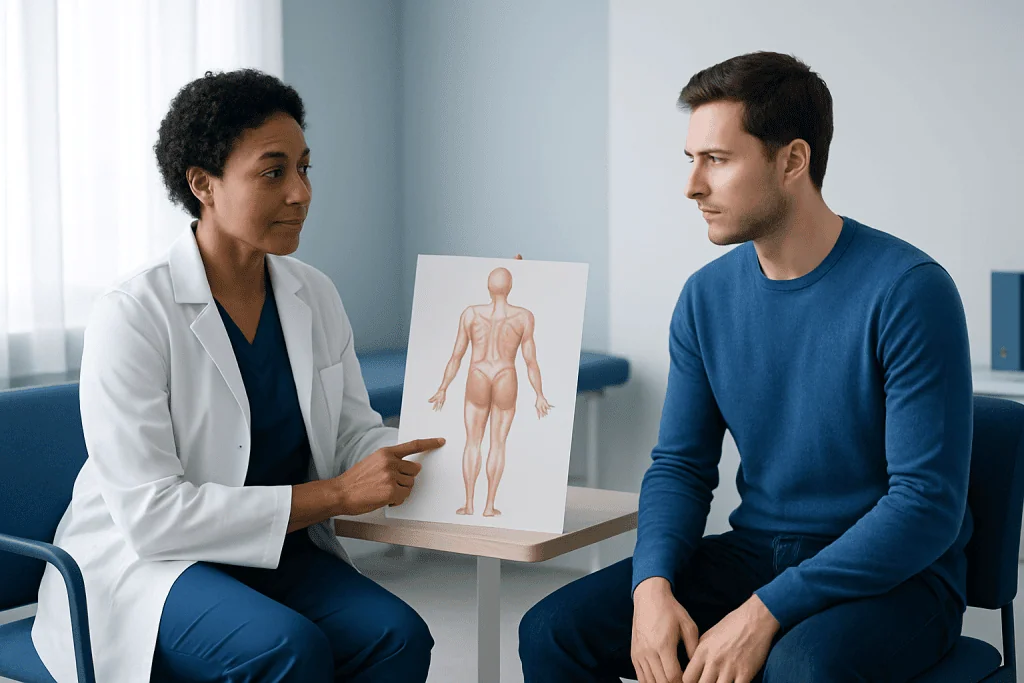
Questions about the largest muscle in the body often become confused with questions about the strongest, longest, or hardest-working muscle. These are different ideas. Anatomy uses separate ways to describe muscles, including length, thickness, force production, and function.
For example, the masseter, one of the jaw muscles, is often described as one of the strongest muscles relative to its size because it can generate powerful biting force. The sartorius is the longest skeletal muscle in the body. The heart works continuously throughout life, but it is a cardiac muscle, not a skeletal muscle. The tongue is not a single muscle at all; it is a structure made up of multiple muscles.
By contrast, the gluteus maximus is considered the largest because of its overall volume and mass. This distinction matters because reliable anatomy depends on clear definitions, not popular sayings. Medical sources therefore identify the gluteus maximus as the correct answer when the question is about the largest muscle in the body.
Common Symptoms When the Gluteal Area Is Injured or Not Working Well
A healthy gluteus maximus usually works without drawing attention to itself. When it becomes strained, weak, or irritated, symptoms may be felt in the buttock, hip, thigh, or lower back. Pain can be mild and activity-related or more persistent if surrounding tissues are also involved.
Common symptoms may include:
- Buttock pain or tenderness
- Pain when climbing stairs, running, or rising from a chair
- Weakness during hip extension
- Stiffness after prolonged sitting
- Reduced power in sports or exercise
- Compensatory lower back or hamstring discomfort
Not all pain in this region comes from the gluteus maximus itself. Symptoms can also reflect tendon irritation, bursitis, sacroiliac joint strain, lumbar spine problems, or referred pain from the hip. If symptoms persist, clinicians may consider a broader evaluation, especially when signs suggest a herniated disc or other musculoskeletal causes.
Weak gluteal function is also common in people who sit for long periods, return too quickly to exercise, or have poor movement mechanics. In these cases, the issue may be less about a major injury and more about deconditioning, imbalance, or overloading nearby tissues.
Causes of Gluteus Maximus Pain, Weakness, or Dysfunction
The gluteus maximus can be affected by many of the same issues that affect other skeletal muscles. A direct strain may happen during sprinting, jumping, heavy lifting, or sudden acceleration. Overuse may develop gradually, especially when training volume increases too quickly or technique is poor.
Other contributing factors include prolonged sitting, weak core and hip stabilizers, limited hip mobility, and poor recovery after exercise. In some people, pain felt in the buttock region actually comes from structures near the muscle, such as gluteal tendons, the sacroiliac joint, or the lower back. This is why location alone does not confirm the diagnosis.
Risk factors can include:
- Sudden increases in activity or intensity
- Inadequate warm-up before exercise
- Poor lifting or running mechanics
- Previous hip, pelvic, or lower back injury
- Sedentary habits that reduce muscle activation
- Imbalances between gluteal, hamstring, and core strength
Sometimes doctors investigate for deeper structural problems when symptoms are severe or recurrent. Imaging or specialist assessment may be helpful if there is concern about hip joint disease, nerve compression, or injuries that need hip replacement evaluation in selected patients with advanced joint damage.
How Doctors Evaluate Problems in the Largest Muscle in the Body
Diagnosis begins with a medical history and physical examination. A doctor will usually ask when the pain started, what activities make it worse, whether weakness is present, and whether symptoms travel down the leg or are associated with numbness. These details help separate a muscle problem from nerve, joint, or spine-related causes.
During the examination, the clinician may assess tenderness, range of motion, walking pattern, hip strength, and posture. Simple movement tests such as standing from a chair, stepping up, or resisting hip extension can give useful clues. The lower back, pelvis, and hamstrings are often checked as well because they can mimic or contribute to gluteal symptoms.
Imaging is not always needed for minor strains. However, it may be recommended when symptoms are persistent, severe, or unclear. Depending on the situation, a specialist may request MRI or other imaging to look for muscle tears, tendon problems, hip joint disease, or spinal causes of referred pain.
If symptoms point to a more complex issue, referral to orthopedics, physical medicine, neurology, or rehabilitation may be appropriate. Care is tailored to the person rather than based only on the location of pain.
Treatment, Exercise, and Self-care
Treatment depends on the cause. Mild gluteal strains or overuse problems often improve with a period of relative rest, activity modification, and a gradual return to movement. In many cases, the goal is not complete inactivity but avoiding the specific actions that provoke pain while maintaining gentle mobility.
Physical therapy is often central to recovery. A structured program may include stretching, hip mobility work, progressive strengthening, core control, and movement retraining. Exercises are chosen carefully to restore gluteal activation without overloading the area too soon. Some people may benefit from supervised physical therapy and rehabilitation to improve strength, posture, and walking mechanics.
Self-care measures may include:
- Warming up before exercise
- Building activity gradually rather than suddenly increasing intensity
- Taking breaks from prolonged sitting
- Using proper form during lifting, running, and stair training
- Following a rehabilitation plan consistently
When pain is not caused by a simple strain, treatment may target the underlying problem instead. This could include care for tendon injuries, hip arthritis, spine conditions, or nerve compression. Near the end of the care pathway, some patients may be assessed in specialist centers; Acibadem International’s multidisciplinary specialists and JCI-accredited hospitals diagnose and treat musculoskeletal and nerve-related conditions for international patients.
When to Seek Medical Care
Many mild muscle aches settle with rest and gradual rehabilitation, but medical review is sensible if pain is severe, keeps returning, or limits normal walking and daily activities. Ongoing buttock pain that does not improve after a reasonable period may need professional assessment to confirm whether the gluteus maximus is truly the source.
A person should seek medical care sooner if there is marked weakness, inability to bear weight, significant swelling, fever, pain after a major fall, or pain that radiates down the leg with numbness or tingling. These signs can suggest a more significant muscle injury, a hip problem, or nerve involvement rather than simple muscle fatigue.
Urgent assessment is especially important if symptoms are sudden and severe or if bowel or bladder changes occur alongside back and leg symptoms. In these situations, prompt evaluation helps rule out serious spinal or neurological causes and guides the safest next steps.
Frequently asked questions
What is the largest muscle in the body?
The largest muscle in the body is the gluteus maximus. It is the large muscle of the buttocks and plays a major role in hip movement, posture, and powerful activities such as climbing or standing up.
Is the tongue the largest muscle in the body?
No. The tongue is not a single muscle; it is made up of several muscles working together. In standard human anatomy, the gluteus maximus is recognized as the largest skeletal muscle by bulk.
Why is the gluteus maximus so important?
The gluteus maximus helps extend the hip, stabilize the pelvis, and support upright posture. It is especially important during climbing stairs, running, getting up from a chair, and other forceful lower-body movements.
Can the largest muscle in the body become weak from sitting too much?
Yes. Long periods of sitting may reduce gluteal activation and contribute to weakness or poor movement patterns over time. This can sometimes lead to extra strain on the lower back, hips, or hamstrings.
How do doctors tell whether buttock pain is coming from the gluteus maximus?
Doctors use the history, a physical examination, and sometimes imaging to identify the source of pain. They also consider nearby causes such as hip joint problems, tendon irritation, lower back conditions, or nerve compression.
When should someone see a doctor for gluteal pain?
A doctor should be consulted if pain is severe, lasts more than expected, keeps coming back, or affects walking and daily activities. Medical attention is also important if there is weakness, numbness, swelling, or pain after an injury.
This article is for general information only and is not a substitute for professional medical advice. Please consult a qualified doctor about your individual situation.
Explore treatments in Turkey — costs, top hospitals & a free quote
JCI-accredited · board-certified surgeons · reply within 24h
Add us as a Preferred Source to see more of our trusted health content across Google Search, AI Overviews and Discover.

More from the Health Library
Doppler Ultrasound: What Patients Need to Know

Massive Breasts Milk: A Complete Medical Overview

Mewing: What Patients Need to Know

Twinrix Schedule: An Evidence-Based Guide for Patients

Red Eye Drops: A Complete Medical Overview

Sclerotherapy — Explained by Medical Evidence, Not Myths
Orthopedic Surgery & Traumatology Specialists at Acibadem

Fzt. Ahsen Ercan
Physical Medicine & Rehabilitation
Fzt. Ali Furkan Gürler
Physical Medicine & Rehabilitation
Dr. Ali Koç
Orthopedic Surgery & Traumatology
Dr. Ali Osman Çiçek
Orthopedic Surgery & Traumatology