

Sphenoid Bone: An Evidence-Based Guide for Patients

The sphenoid bone sits at the center of the skull base and connects with many other skull bones. It helps form the eye sockets, protects important nerves and blood vessels, and contains the sphenoid sinus.
Key Takeaways
- The sphenoid bone sits at the center of the skull base and connects with many other skull bones.
- It helps form the eye sockets, protects important nerves and blood vessels, and contains the sphenoid sinus.
- Problems involving the sphenoid bone may result from trauma, infection, inflammation, or tumors.
- Symptoms can include headache, facial pain, vision changes, or nerve-related symptoms depending on the cause.
- Diagnosis often relies on physical examination and imaging such as CT or MRI.
- Prompt medical assessment is important if symptoms involve vision, severe headache, fever, or neurological changes.
The sphenoid bone is a complex bone at the base of the skull, located behind the eyes and below the brain. It plays an important role in supporting the skull, protecting nearby nerves and blood vessels, and forming part of the eye sockets and sinus system.
Overview: what the sphenoid bone is
The sphenoid bone is a butterfly-shaped bone located deep in the skull, behind the eyes and below the front part of the brain. Although most people cannot feel or see it, this bone is central to the structure of the skull. It helps connect the facial bones with the cranial bones and supports several important spaces, including part of the eye sockets and the skull base.
Because of its location, the sphenoid bone lies close to key structures such as the optic nerves, major blood vessels, the pituitary gland, and the sinus passages. This is why conditions affecting the sphenoid bone may sometimes cause symptoms beyond simple pain, including vision problems, headaches, or nerve-related symptoms.
For patients, the most helpful way to think about the sphenoid bone is as a structural hub. It provides support, protection, and passageways for nearby tissues. Problems involving this bone are not common in everyday life, but when they do occur, they usually need careful medical evaluation because of the sensitive anatomy around it.
Anatomy and function of the sphenoid bone
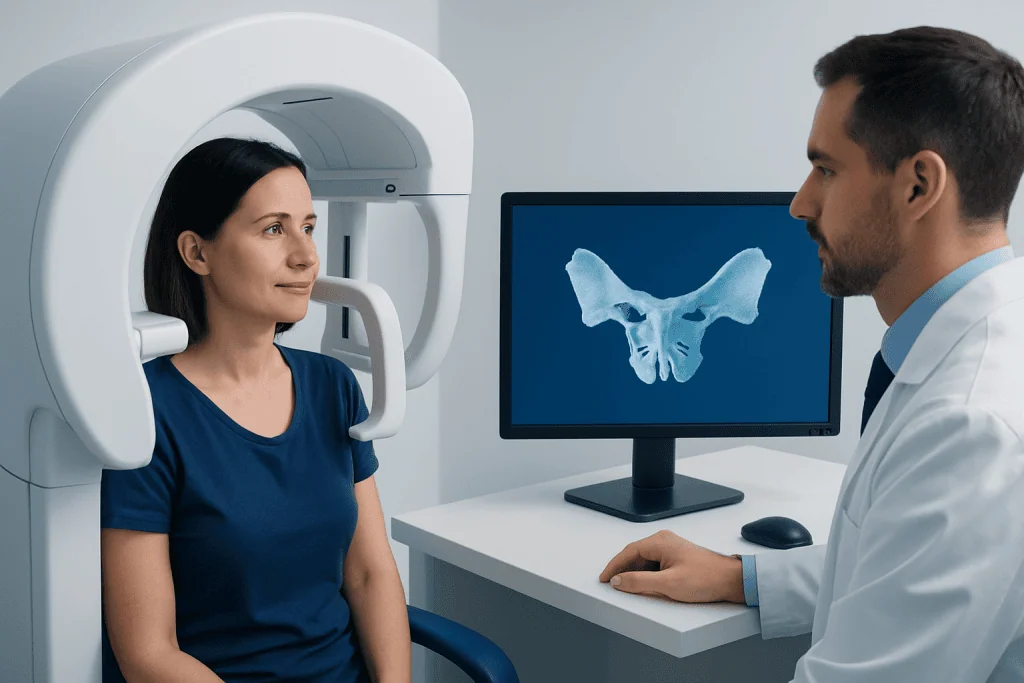
The sphenoid bone has a body in the center and wider extensions that give it a wing-like appearance. It forms part of the floor of the skull and contributes to the walls of the eye socket. It also contains openings and canals that allow nerves and blood vessels to pass between the brain, eyes, face, and jaw.
One important structure within it is the sphenoid sinus, an air-filled cavity lined with mucosa. Like other sinuses, it helps reduce skull weight and may contribute to airflow and voice resonance. The sphenoid sinus sits close to the pituitary gland and optic nerves, which is why deep sinus disease in this area may require special attention.
The upper part of the sphenoid bone contains a saddle-shaped area called the sella turcica, which houses the pituitary gland. This relationship is important in both diagnosis and treatment, especially when evaluating pituitary conditions or skull base problems. In some cases, doctors may use advanced imaging or procedures related to the skull base treatment approach when lesions affect nearby critical structures.
Overall, the sphenoid bone helps:
- Support the base of the skull
- Form part of the eye sockets
- Protect major nerves and blood vessels
- Provide channels for nerve passage
- Contain the sphenoid sinus
- Help house the pituitary gland area
Symptoms linked to sphenoid bone problems
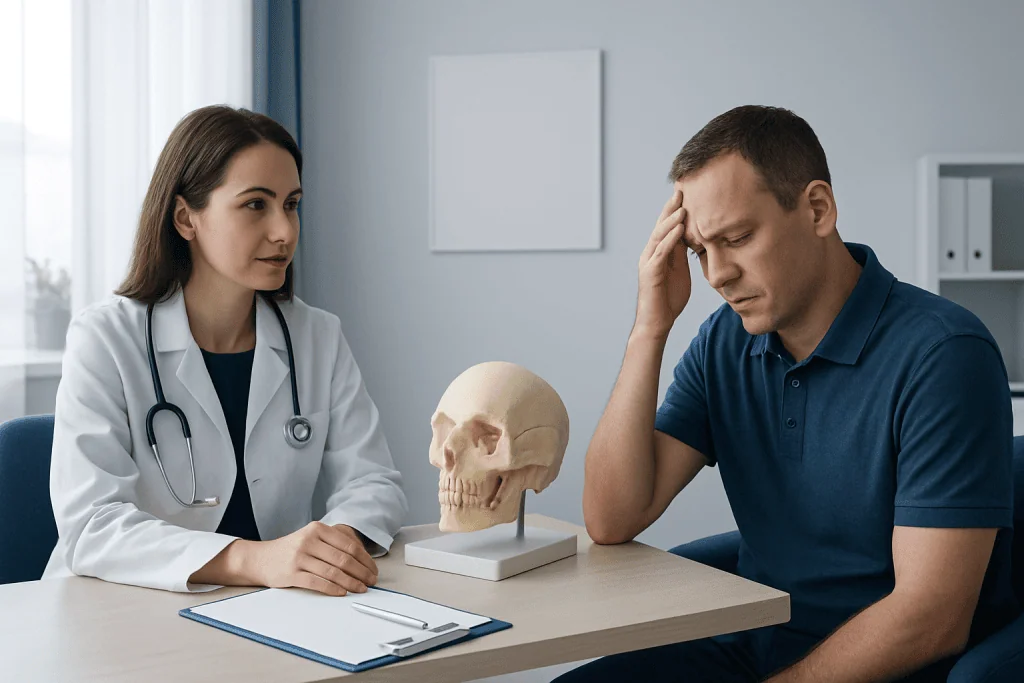
The sphenoid bone itself does not usually cause symptoms unless it is affected by a specific condition. When symptoms do occur, they often relate to nearby structures rather than the bone alone. For example, inflammation in the sphenoid sinus, a fracture of the skull base, or a growth near the bone may all produce different symptom patterns.
Common symptoms can include deep headache, pain behind the eyes, facial pressure, or symptoms that seem hard to localize. Some people may also have nasal symptoms if the sphenoid sinus is involved, though these may be less obvious than with more common sinus infections. Vision changes, double vision, eyelid drooping, or numbness in parts of the face can happen if nearby nerves are affected.
Symptoms that need prompt assessment include sudden severe headache, new vision loss, confusion, weakness, fever with worsening facial pain, or symptoms after head injury. These signs do not always mean a serious condition, but they should not be ignored because the sphenoid bone lies so close to important neurological and vascular structures.
Causes and conditions that can affect the sphenoid bone
Several different medical issues can involve the sphenoid bone. Trauma is one cause, especially in significant head or facial injuries. A fracture involving the skull base may affect the sphenoid bone and can sometimes occur together with injuries to the orbit, sinuses, or nearby nerves.
Infection and inflammation are another group of causes. Disease in the sphenoid sinus may lead to deep headache, fever, or eye-related symptoms. In selected cases, doctors may evaluate for sinusitis or other sinus disorders when symptoms point to inflammation in this area. Less commonly, bone infection or inflammatory disorders may involve the skull base.
Benign or malignant growths can also arise in or near the sphenoid bone. These may include pituitary tumors extending into nearby spaces, meningiomas, fibrous lesions, metastatic disease, or other skull base tumors. In some patients, doctors may also need to distinguish sphenoid-region disease from other neurological problems such as brain tumor conditions affecting the skull base.
Other possible causes include congenital variations, postoperative changes, and rare disorders that affect bone remodeling. Because the anatomy is complex, imaging is often needed to clarify the exact source of symptoms rather than assuming all pain in this region comes directly from the bone itself.
How doctors diagnose sphenoid bone disorders
Diagnosis begins with a careful medical history and physical examination. Doctors ask about the location and timing of pain, vision changes, nasal symptoms, history of trauma, fever, neurological symptoms, and any previous sinus or skull base problems. The examination may include the eyes, cranial nerves, face, nose, and a general neurological assessment.
Imaging is especially important for the sphenoid bone because it is deep within the skull and cannot be examined directly. A CT scan is often useful for showing bone detail, fractures, sinus anatomy, and calcified lesions. MRI may be preferred when doctors need more information about soft tissue, nerves, blood vessels, the pituitary gland, or possible tumors.
Depending on the situation, other tests may be needed. These can include nasal endoscopy by an ENT specialist, blood tests for infection or inflammation, eye examination, or referral to neurology, neurosurgery, or endocrinology. If there is concern about a lesion near the pituitary region, doctors may also investigate for pituitary adenoma or related disorders.
Accurate diagnosis matters because treatment varies widely. A sinus infection, a skull fracture, and a skull base tumor can all involve the same region but need very different management plans.
Treatment options and what care may involve
Treatment depends entirely on the underlying cause. If the problem is inflammation or infection in the sphenoid sinus, care may include medicines, close monitoring, and sometimes specialist procedures. If symptoms are related to trauma, doctors focus on stabilizing the injury, looking for complications, and treating associated skull, eye, or neurological damage.
For tumors or structural lesions, treatment may involve a multidisciplinary team that can include ENT specialists, neurosurgeons, neuroradiologists, ophthalmologists, and endocrinologists. Some conditions are managed with observation and repeat imaging, while others may need surgery, radiation-based techniques, or other targeted therapies. Depending on the diagnosis, specialists may consider neurosurgery or endoscopic sinus surgery when the disease affects the skull base or sphenoid sinus region.
Pain relief, symptom management, and treatment of complications are also part of care. If nearby nerves are irritated, doctors pay particular attention to vision, eye movement, facial sensation, and hormonal symptoms. Patients should avoid self-diagnosing persistent deep headaches as sinus problems without proper medical review, especially if symptoms are unusual or worsening.
In complex cases, a center with skull base expertise may be recommended. Acibadem International’s multidisciplinary specialists and JCI-accredited hospitals diagnose and treat sphenoid bone and skull base conditions for international patients when coordinated specialist care is needed.
Self-care, prevention, and protecting skull health
There is no specific routine that targets the sphenoid bone alone, but general head, sinus, and bone health measures can help lower some risks. Wearing seat belts, using helmets for cycling and contact sports, and following workplace safety guidance can reduce the chance of head trauma that might injure the skull base.
Managing upper respiratory and sinus symptoms appropriately may also help reduce complications. This means seeking medical advice for severe, prolonged, or recurrent sinus symptoms rather than relying only on home remedies. Good hydration, avoiding tobacco smoke exposure, and following treatment plans for allergies or chronic nasal inflammation may support overall sinus health.
General bone health remains important as well. A balanced diet, regular physical activity, not smoking, and addressing vitamin or hormone problems with a clinician all support the skeletal system. These steps do not prevent every skull base disorder, but they contribute to overall resilience and recovery.
Patients who have already been treated for a skull base lesion, sinus disease, or head injury should follow follow-up plans carefully. Repeat imaging, eye checks, or specialist review may be important even if symptoms improve.
When to seek medical care
Medical care is recommended for persistent deep headache, pain behind the eyes, unexplained facial numbness, repeated sinus symptoms that do not improve, or any new visual disturbance. These symptoms often have non-serious explanations, but the location of the sphenoid bone means they deserve proper assessment when they persist or worsen.
Urgent care is important after head trauma, especially if there is severe headache, vomiting, confusion, fluid leaking from the nose, double vision, weakness, or loss of consciousness. Prompt evaluation is also needed for fever with severe facial or eye pain, swelling around the eye, or rapidly changing neurological symptoms.
In general, patients should seek timely review when symptoms are unusual, severe, or not responding to standard treatment. Early diagnosis can help prevent complications and guide the right specialist care.
Frequently asked questions
Where is the sphenoid bone located?
The sphenoid bone sits deep in the skull, behind the eyes and near the center of the skull base. It lies close to the brain, eye sockets, sinuses, major nerves, and important blood vessels.
What does the sphenoid bone do?
It helps form the base of the skull and part of the eye sockets, and it provides passageways for nerves and blood vessels. It also contains the sphenoid sinus and helps support the area around the pituitary gland.
Can the sphenoid bone cause headaches?
Conditions affecting the sphenoid region can cause deep headaches, especially if the sphenoid sinus, skull base, or nearby nerves are involved. However, many headaches have other causes, so medical evaluation is important if the symptoms are persistent, unusual, or severe.
Is the sphenoid bone related to the sinuses?
Yes. The sphenoid bone contains the sphenoid sinus, which is one of the air-filled sinus spaces in the skull. Problems in this sinus can sometimes cause headache, pressure behind the eyes, or less typical sinus symptoms.
How are sphenoid bone problems diagnosed?
Doctors usually begin with a medical history and physical examination, then use imaging such as CT or MRI to look at the skull base in detail. Additional tests may involve ENT evaluation, eye examination, blood tests, or specialist referral depending on the suspected cause.
Are sphenoid bone disorders serious?
Some are minor and treatable, while others need urgent or specialized care because of the bone's proximity to the eyes, brain, nerves, and blood vessels. The seriousness depends on the exact problem, such as infection, trauma, or a tumor.
This article is for general information only and is not a substitute for professional medical advice. Please consult a qualified doctor about your individual situation.
Explore treatments in Turkey — costs, top hospitals & a free quote
JCI-accredited · board-certified surgeons · reply within 24h
Add us as a Preferred Source to see more of our trusted health content across Google Search, AI Overviews and Discover.

More from the Health Library

HIV Tongue: A Complete Medical Overview

Timolol: What Patients Need to Know

Wegovy Dosing Schedule: An Evidence-Based Guide for Patients

Keratin Plugs: An Evidence-Based Guide for Patients

Size Stomach Newborn: An Evidence-Based Guide for Patients

Aching Body After Drinking: A Complete Medical Overview
Orthopedic Surgery & Traumatology Specialists at Acibadem

Prof. Dr. Barış Kocaoğlu
Orthopedic Surgery & Traumatology
Dr. Bengü Kasım
Physical Medicine & Rehabilitation
Dr. Berhan Bayram
Orthopedic Surgery & Traumatology
Assoc. Prof. Dr. Berkin Toker
Orthopedic Surgery & Traumatology