Ph Women’s: What Patients Need to Know

Pulmonary hypertension in women is not simply the same as systemic high blood pressure. Common symptoms include breathlessness, fatigue, chest discomfort, dizziness, and reduced exercise capacity.
Key Takeaways
- Pulmonary hypertension in women is not simply the same as systemic high blood pressure.
- Common symptoms include breathlessness, fatigue, chest discomfort, dizziness, and reduced exercise capacity.
- Diagnosis often requires specialist testing, including echocardiography and sometimes right heart catheterization.
- Treatment depends on the type and cause of pulmonary hypertension and may include medications, oxygen, and lifestyle support.
- Women need individualized advice about pregnancy, contraception, and hormone-related issues.
ph women's most commonly refers to <a href="https://acibademinternational.com/diseases/pulmonary-hypertension/”>pulmonary hypertension in women. This means high blood pressure in the arteries of the lungs, a condition that can affect breathing, exercise tolerance, heart function, and important life stages such as contraception planning, pregnancy, and menopause.
Overview: what “ph women's” usually means
In health information, the phrase “ph women’s” usually refers to pulmonary hypertension in women. Pulmonary hypertension is high blood pressure in the blood vessels that carry blood from the heart to the lungs. It is different from the more familiar high blood pressure measured in the arm.
This condition matters in women because symptoms can be subtle at first and may be mistaken for stress, deconditioning, anemia, asthma, or anxiety. It can also affect decisions around pregnancy, contraception, fertility treatment, and menopause care, which makes a women-centered explanation especially important.
Pulmonary hypertension is not a single disease. It is a broad term that includes several groups with different causes, such as problems in the lung arteries themselves, heart disease, chronic lung disease, blood clots, or other medical conditions. Understanding the exact type is essential because treatment and outlook can differ significantly.
When pulmonary hypertension is suspected, patients may be referred for assessment by specialists in heart and lung conditions. In some cases, related conditions such as heart failure or lung disease and other chest conditions may need to be considered and ruled out during evaluation.
How pulmonary hypertension can affect women differently
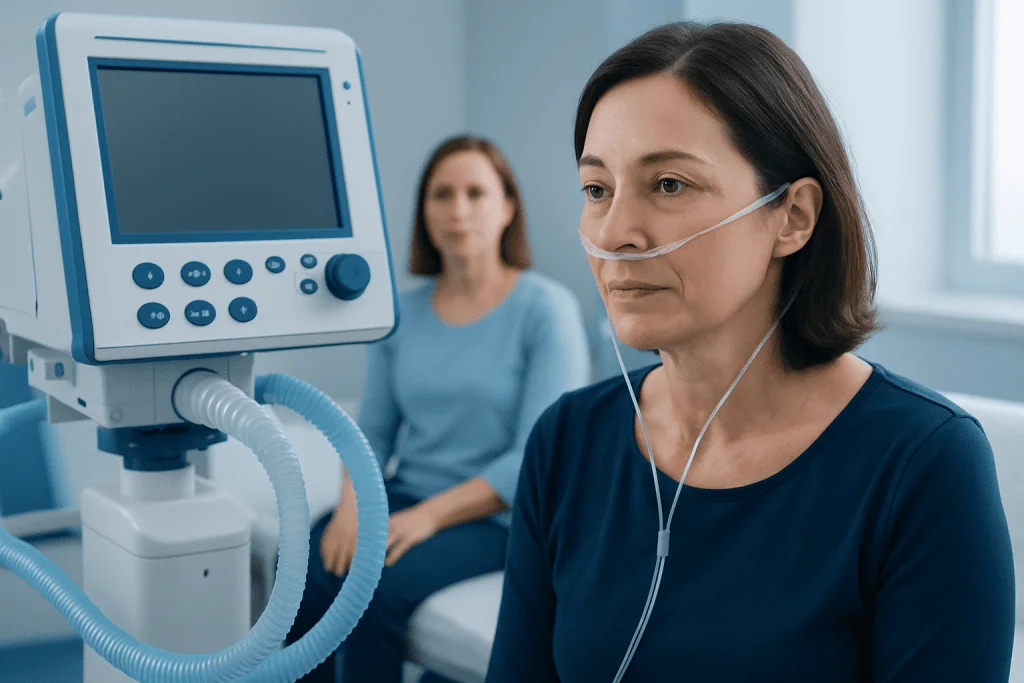
Women may develop pulmonary hypertension at different ages and for different reasons. Some types, especially pulmonary arterial hypertension, are diagnosed more often in women than in men. Researchers continue to study why this happens, including possible roles of hormones, immune system differences, genetics, and vascular biology.
For many women, the condition affects daily life in practical ways. Breathlessness may limit work, exercise, household activities, travel, or caring responsibilities. Fatigue can be persistent and frustrating, particularly when symptoms are not visible to others.
Reproductive health is also important. Pregnancy places extra strain on the heart and lungs, so women with known or suspected pulmonary hypertension need specialist advice before trying to conceive. Hormonal treatments and contraceptive choices may also need to be individualized based on the underlying cause, clotting risk, and current medications.
Emotional health should not be overlooked. Living with a long-term cardiopulmonary condition can lead to worry, low mood, or uncertainty about future plans. Clear information, specialist follow-up, and support from family and clinicians often help patients feel more confident and involved in care decisions.
Symptoms and warning signs

Symptoms of pulmonary hypertension often begin gradually. The most common early symptom is shortness of breath during activity, such as walking uphill, climbing stairs, or exercising. Many women also notice unusual tiredness, reduced stamina, or difficulty keeping up with routines that once felt manageable.
As the condition progresses, symptoms may become more noticeable and may happen with less activity or even at rest. Some patients experience chest pressure, dizziness, fainting episodes, palpitations, or swelling in the legs and ankles. These symptoms can happen because the right side of the heart is working harder to pump blood through the lungs.
Symptoms can overlap with many other conditions, which is one reason diagnosis may be delayed. Breathlessness may resemble asthma, chronic lung disease, deconditioning, obesity, iron deficiency, or anxiety-related symptoms. That is why persistent or unexplained symptoms deserve careful medical assessment rather than self-diagnosis.
- Shortness of breath, especially on exertion
- Fatigue or weakness
- Chest discomfort or pressure
- Dizziness or fainting
- Palpitations
- Swelling of the legs, ankles, or abdomen
- Bluish lips or fingers in advanced cases
Causes and risk factors
Pulmonary hypertension has several recognized causes. In some people, it develops because the small arteries in the lungs become narrowed, stiff, or damaged. In others, it is linked to left-sided heart disease, chronic lung disease, sleep-related breathing disorders, long-standing blood clots in the lungs, or systemic illnesses such as connective tissue disease.
Women with autoimmune conditions, including scleroderma or lupus, may have a higher risk of certain forms of pulmonary hypertension. A family history can also be relevant in some cases. Other contributing factors may include congenital heart disease, chronic liver disease, HIV infection, or exposure to certain drugs or toxins.
Pregnancy does not usually cause pulmonary hypertension by itself, but it can reveal previously unrecognized disease or worsen an existing condition because blood volume and cardiac workload increase during pregnancy. This is why pre-pregnancy counseling is so important for women known to have pulmonary hypertension or unexplained severe breathlessness.
Risk factors do not mean a person will definitely develop pulmonary hypertension. They simply help guide who may need closer evaluation. A specialist may also assess for related vascular problems and, when appropriate, further heart-lung investigations such as advanced cardiology evaluation or thoracic assessment and management.
How pulmonary hypertension is diagnosed
Diagnosis begins with a detailed medical history and physical examination. A doctor will ask about symptoms, exercise tolerance, fainting episodes, chest discomfort, past clots, family history, autoimmune disease, and any plans for pregnancy. Basic tests often include blood work, oxygen measurements, electrocardiography, and a chest X-ray.
An echocardiogram is one of the most important first-line tests because it can estimate pressure in the pulmonary circulation and show how the right side of the heart is functioning. Lung function tests, exercise testing, and imaging such as CT scans may also be used to look for underlying causes, including lung disease or chronic blood clots.
In many cases, a definite diagnosis requires right heart catheterization. This test directly measures pressures inside the heart and lung arteries and helps confirm the type and severity of pulmonary hypertension. It is an important step because treatment should be based on accurate classification, not symptoms alone.
Women who are pregnant or planning pregnancy may need especially careful assessment. Doctors usually consider both maternal safety and fetal considerations when choosing investigations and treatment timing. If there is concern for major structural or pressure-related heart problems, broader cardiovascular specialist care may become part of the care pathway.
Treatment options and long-term management
Treatment depends on the cause of pulmonary hypertension, how advanced it is, and whether the right side of the heart is affected. The first goal is to identify and treat the underlying problem whenever possible. For example, treatment may focus on heart disease, lung disease, sleep apnea, autoimmune disease, or chronic clots if these are driving the pressure increase.
Some patients benefit from targeted pulmonary hypertension medications that help widen lung blood vessels or reduce harmful vascular changes. Others may need diuretics to reduce fluid retention, oxygen therapy if oxygen levels are low, anticoagulation in selected situations, rehabilitation, or vaccinations to help prevent respiratory infections. Medication choice should always be individualized and monitored by experienced clinicians.
Lifestyle support is also part of treatment. Patients may be advised to pace activity, stay physically active within safe limits, avoid smoking, maintain vaccinations, and limit situations that worsen symptoms. Travel, altitude exposure, and surgical procedures may require advance planning, especially in moderate or severe disease.
Women need tailored advice on contraception, pregnancy avoidance or planning, and medication safety. Some treatments are not suitable during pregnancy, while pregnancy itself can carry serious risk in certain forms of pulmonary hypertension. Near the end of the care pathway, multidisciplinary teams such as those at Acibadem International’s JCI-accredited hospitals may help international patients with diagnosis, monitoring, and treatment planning.
Self-care, daily living, and prevention
There is not always a way to prevent pulmonary hypertension, especially when it is linked to genetics or complex medical conditions. Still, early recognition and management of contributing problems can reduce complications. Treating sleep apnea, managing heart and lung disease, avoiding tobacco smoke, and seeking help for persistent breathlessness are all sensible preventive steps.
Daily self-care often focuses on energy management and symptom awareness. Many patients find it helpful to balance activity with rest, avoid overexertion, and keep follow-up appointments regularly. Monitoring for swelling, reduced exercise ability, or new dizziness can help identify changes that need medical review.
Nutrition and general wellness also matter. A clinician may discuss fluid balance, salt intake, weight management, and safe exercise, depending on the individual situation. Patients should not start supplements, hormones, or over-the-counter remedies without checking first, because some products can interact with prescribed treatment or affect blood pressure and clotting risk.
Vaccination against influenza and other preventable infections may be advised, since respiratory illness can worsen cardiopulmonary symptoms. Patients should also tell any new healthcare professional that they have pulmonary hypertension, particularly before anesthesia, dental work, or elective procedures.
When to seek medical care
Medical review is important if a woman has ongoing breathlessness, unusual fatigue, chest discomfort, dizziness, fainting, or swelling that cannot be explained. These symptoms do not always mean pulmonary hypertension, but they should not be ignored, especially if they are getting worse or limiting normal activities.
Urgent medical attention is needed for severe shortness of breath, fainting, new chest pain, bluish discoloration of the lips, or sudden swelling with rapid worsening. Women who are pregnant, trying to conceive, or recently postpartum should seek prompt advice if they have concerning heart or lung symptoms.
Regular follow-up is essential after diagnosis. Pulmonary hypertension can change over time, and treatment may need adjustment based on symptoms, test results, oxygen levels, and heart function. Ongoing communication with a qualified specialist helps patients make safer decisions about work, exercise, travel, medications, and reproductive health.
If symptoms are unexplained or if a previous diagnosis needs confirmation, specialist assessment can clarify the cause and guide next steps. Early evaluation often provides the best chance to identify the exact type of pulmonary hypertension and start the most appropriate care plan.
Frequently asked questions
What does “ph women's” mean?
In most medical contexts, “ph women's” refers to pulmonary hypertension in women. It describes high blood pressure in the lung arteries and often raises questions about symptoms, diagnosis, treatment, and pregnancy-related concerns.
Is pulmonary hypertension the same as regular high blood pressure?
No. Regular high blood pressure usually refers to pressure in the body's main arteries and is measured with an arm cuff. Pulmonary hypertension affects the blood vessels in the lungs and requires different tests and treatments.
What are the first symptoms of pulmonary hypertension in women?
Early symptoms often include shortness of breath during activity, unusual tiredness, and reduced exercise tolerance. Some women also notice dizziness, chest discomfort, or palpitations as the condition progresses.
Can women with pulmonary hypertension get pregnant?
Pregnancy can be high risk for some women with pulmonary hypertension because it increases strain on the heart and lungs. Anyone with known or suspected pulmonary hypertension should discuss pregnancy planning with a specialist before conception.
How is pulmonary hypertension confirmed?
Doctors usually begin with history, examination, blood tests, and an echocardiogram. In many cases, right heart catheterization is needed to confirm the diagnosis and determine the exact type.
Is pulmonary hypertension curable?
Some cases improve when the underlying cause is treated, but many forms require long-term management rather than a simple cure. The outlook depends on the type, severity, response to treatment, and how early the condition is recognized.
This article is for general information only and is not a substitute for professional medical advice. Please consult a qualified doctor about your individual situation.
Heart care in Turkey — expert evaluation and treatment
JCI-accredited · board-certified surgeons · reply within 24h
Add us as a Preferred Source to see more of our trusted health content across Google Search, AI Overviews and Discover.
Check your numbers in seconds
BMI, calories, due date, blood pressure and 30+ more clinical calculators — free, instant, doctor-reviewed ranges.

More from the Health Library

Alkaline Phosphatase — Explained by Medical Evidence, Not Myths

Nutella — Explained by Medical Evidence, Not Myths

Crying — Explained by Medical Evidence, Not Myths

Dentinogenesis Imperfecta — Explained by Medical Evidence, Not Myths

Newborn Lip Blister: An Evidence-Based Guide for Patients