How Long Do Periods Last? Causes, Explanations, and Next Steps

A typical period lasts about 2 to 7 days. Cycle patterns can vary by age, stress, hormones, contraception, and health conditions.
Key Takeaways
- A typical period lasts about 2 to 7 days.
- Cycle patterns can vary by age, stress, hormones, contraception, and health conditions.
- Bleeding that lasts longer than 7 days, soaks pads or tampons very quickly, or happens between periods should be checked.
- Doctors assess menstrual changes by reviewing the pattern, symptoms, medicines, and possible causes, then using tests when needed.
- Many causes of longer or irregular periods are manageable with medical care and self-monitoring.
Most periods last between 2 and 7 days, and some month-to-month variation is common. A period that is much longer, much heavier, very painful, or suddenly different may still have a treatable cause and should be discussed with a doctor.
Overview: how long do periods last?
For most people, the answer to how long do periods last is between 2 and 7 days. Many healthy periods fall within that range, and it is also normal for flow to be heavier on some days and lighter on others. A slight change from one month to the next is often harmless, especially during the first few years after periods begin, after pregnancy, or around perimenopause.
Even so, there are times when a change in period length deserves closer attention. Bleeding that lasts longer than 7 days, becomes much heavier than usual, happens very frequently, or appears between periods can point to a hormonal issue, a structural problem such as fibroids, or another medical condition. The good news is that these causes can often be identified and treated.
Rather than focusing only on the number of days, doctors also look at the full pattern: how often periods come, how heavy the bleeding is, whether severe pain is present, and whether there are symptoms such as dizziness or fatigue. This fuller picture helps separate normal variation from a problem that needs evaluation.
What is considered a normal period?
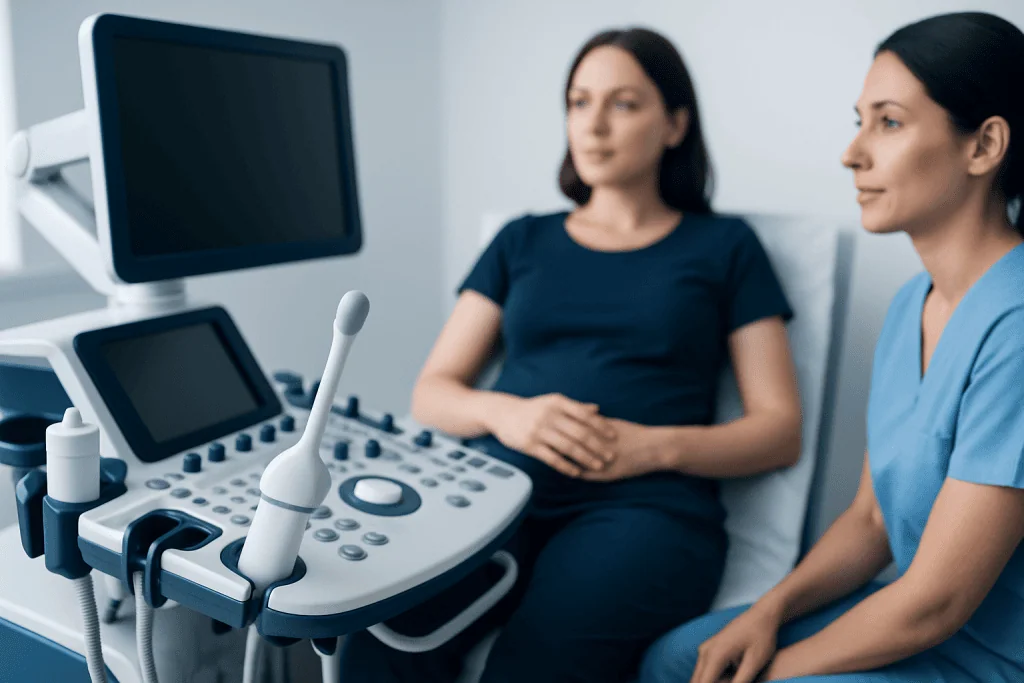
A menstrual cycle is measured from the first day of one period to the first day of the next. In adults, cycles often occur every 21 to 35 days. Within that cycle, the bleeding phase usually lasts 2 to 7 days. Some people naturally have shorter periods, while others regularly bleed for close to a week.
Normal flow also varies. A person may need more products on the first days and fewer toward the end. Small clots can occur, especially when flow is heavier, and mild cramping, breast tenderness, bloating, or mood changes are common. What matters most is whether the pattern is consistent for that person and whether it interferes with daily life.
Periods may be less predictable in certain life stages. Teenagers often have irregular cycles for a few years after menstruation starts because ovulation is not yet fully regular. In the years leading up to menopause, cycles can also become shorter, longer, heavier, or lighter before eventually stopping.
- Typical bleeding length: 2 to 7 days
- Typical cycle length: 21 to 35 days in adults
- Common normal changes: mild cramps, heavier early flow, lighter bleeding toward the end
Why periods may last longer or shorter than usual
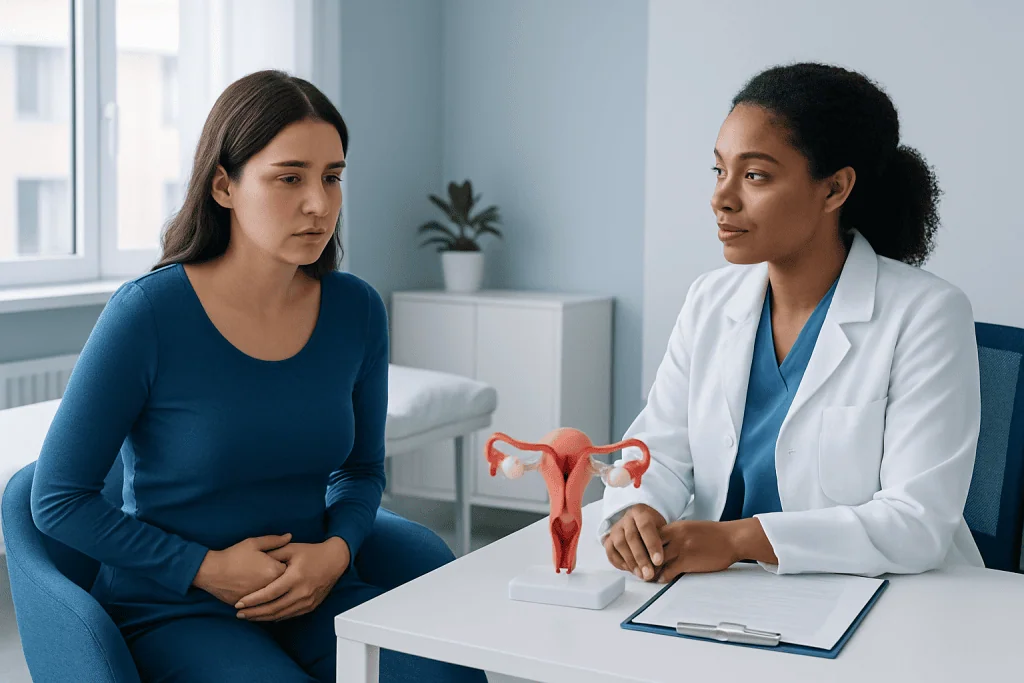
Hormones are one of the most common reasons for changes in period length. Estrogen and progesterone regulate the build-up and shedding of the uterine lining. If ovulation does not happen regularly, the lining may build up unevenly and lead to delayed, prolonged, or unpredictable bleeding. Stress, sudden weight change, intense exercise, thyroid problems, and polycystic ovary syndrome can all affect this process.
Structural conditions inside the uterus can also change bleeding. Fibroids, polyps, or adenomyosis may make periods longer, heavier, or more painful. Conditions such as uterine fibroids are common and can range from causing no symptoms at all to causing significant menstrual changes.
Contraception can alter bleeding as well. Hormonal birth control may make periods lighter, shorter, or less regular, especially in the first months. Copper intrauterine devices may increase bleeding and cramps in some people. Pregnancy-related bleeding, including early pregnancy loss or ectopic pregnancy, can sometimes be mistaken for an unusual period and requires prompt assessment if pregnancy is possible.
Less commonly, infections, bleeding disorders, liver disease, or medicines such as blood thinners can contribute to prolonged bleeding. Endometriosis may also be linked with painful and sometimes heavy periods; in some cases, doctors evaluate symptoms that could relate to endometriosis when periods are particularly painful or disruptive.
Signs that a period may need medical review
Many menstrual changes are temporary, but some patterns are considered red flags. One of the clearest is bleeding that lasts longer than 7 days on a regular basis. Another is very heavy flow, such as needing to change a pad or tampon every hour for several hours, passing large clots, or bleeding through clothes or bedding.
Doctors also recommend review if periods suddenly become very different from your usual pattern. This includes bleeding between periods, after sex, or after menopause. Very severe pelvic pain, fainting, shortness of breath, marked fatigue, or symptoms of anemia may suggest that blood loss is affecting overall health.
Bleeding can also matter if it affects fertility plans, work, school, sleep, or emotional well-being. A period does not need to be an emergency to deserve attention. If symptoms are recurrent, worsening, or simply concerning, a gynecologic evaluation is appropriate.
- Bleeding for more than 7 days
- Very heavy flow or frequent flooding
- Bleeding between periods or after sex
- Periods that stop for months and then become very heavy
- New severe pain, fever, dizziness, or possible pregnancy
How doctors find the cause
When someone seeks help for an unusually long, short, or heavy period, the first step is usually a detailed history. The doctor asks about cycle timing, number of bleeding days, flow intensity, clots, pain, contraception, medicines, pregnancies, and any symptoms such as fatigue, easy bruising, or weight change. Tracking apps or notes about recent cycles can be very helpful.
A physical and pelvic examination may follow, depending on age, symptoms, and medical history. This helps assess whether the bleeding may be coming from the uterus, cervix, or another source. If needed, testing may include pregnancy testing, blood tests for anemia or thyroid function, and tests that look at hormone levels or clotting.
Imaging is often useful when a structural cause is suspected. A pelvic ultrasound can help identify fibroids, polyps, ovarian cysts, or changes in the uterine lining. In selected cases, doctors may recommend further evaluation such as hysteroscopy or sampling of the uterine lining. For symptom patterns suggestive of fibroids or similar uterine conditions, evaluation may include gynecology care and imaging-based assessment.
The goal is not only to label the problem, but to understand how much the bleeding is affecting health and quality of life. That information guides treatment choices, which can range from observation to medication or procedure-based care.
Treatment options depend on the cause
Treatment is based on what is causing the change in bleeding, how severe symptoms are, the person’s age, and whether pregnancy is desired. If periods are only mildly irregular and there are no concerning findings, careful monitoring may be all that is needed. In other cases, treatment aims to reduce bleeding, regulate cycles, relieve pain, and correct anemia if present.
Hormonal treatments are commonly used for prolonged or heavy periods. Depending on the situation, these may include certain birth control methods or other hormone-based approaches to stabilize the uterine lining. Non-hormonal medicines may also be considered in some cases, especially when pain or heavy flow is a major issue. If iron deficiency is present, doctors may recommend iron supplementation and dietary changes.
When fibroids, polyps, or other structural problems are responsible, procedure-based treatment may be discussed. This can range from removing a polyp to more specialized approaches for larger fibroids. People with prolonged, fibroid-related bleeding may be advised about options such as myomectomy when preserving the uterus is important.
If endometriosis, adenomyosis, or other complex gynecologic conditions are suspected, treatment may involve symptom control, imaging, and sometimes surgery. For selected patients, a doctor may discuss endometriosis surgery or other individualized treatments after careful evaluation.
Self-care and tracking at home
Self-monitoring can make it much easier to understand whether a period is within a person’s usual range. It helps to track the first day of bleeding, how many days it lasts, how heavy it is, whether clots are present, and what symptoms occur. Recording pad or tampon use, spotting between periods, and pain patterns can give a clearer picture over time.
General health habits also matter. Adequate sleep, balanced nutrition, regular movement, and stress management may support hormonal balance, although they do not replace medical treatment when bleeding is abnormal. If periods are heavy, iron-rich foods such as beans, lentils, leafy greens, red meat, and fortified cereals may help support iron stores, but ongoing heavy bleeding still needs evaluation.
Over-the-counter pain relief may help some people with menstrual cramps, but it should be used as directed and discussed with a doctor if there are medical conditions, stomach problems, kidney disease, or regular heavy bleeding. It is also wise to avoid assuming every unusual bleed is “just stress,” especially if the pattern is new, recurrent, or progressively worse.
When to seek medical care
Medical care is recommended if periods regularly last longer than 7 days, become much heavier than usual, or happen more often than every 21 days. An appointment is also appropriate if there is bleeding between periods, after sex, or any menstrual change that persists for several months.
Urgent care is important if bleeding is very heavy, causes fainting or marked weakness, or occurs with severe pelvic pain, fever, or possible pregnancy. After menopause, any vaginal bleeding should be assessed promptly. These situations do not always mean something serious, but they should not be ignored.
For international patients who need assessment and treatment, Acibadem International’s multidisciplinary specialists and JCI-accredited hospitals evaluate menstrual problems with gynecology, imaging, and surgical services when appropriate. Seeking care early can often lead to simpler treatment and reassurance.
Frequently asked questions
How long do periods last on average?
Most periods last about 2 to 7 days. The exact number varies from person to person, and a small month-to-month change can be normal.
Is a 3-day period normal?
Yes. A 3-day period can be completely normal if it fits a person's usual pattern and there are no other concerning symptoms such as very heavy bleeding, severe pain, or bleeding between periods.
Should someone worry if a period lasts longer than a week?
Bleeding longer than 7 days is worth discussing with a doctor, especially if it happens repeatedly or is heavy. Common causes include hormonal changes, fibroids, polyps, thyroid problems, and some contraceptives.
Can stress change how long a period lasts?
Yes. Stress can affect hormone signaling between the brain and ovaries, which may delay ovulation or change bleeding patterns. However, persistent or major changes should not automatically be blamed on stress without medical review.
Do birth control methods affect period length?
They can. Some hormonal methods make periods lighter, shorter, or less regular, while copper intrauterine devices may increase bleeding and cramping in some people, especially at first.
What tests might a doctor order for long or heavy periods?
Common tests include a pregnancy test, blood tests for anemia and thyroid function, and pelvic ultrasound. Depending on age and symptoms, a doctor may also recommend further gynecologic evaluation of the uterine lining.
References
- American College of Obstetricians and Gynecologists
- National Institute for Health and Care Excellence
- Office on Women's Health
- Mayo Clinic
- World Health Organization
This article is for general information only and is not a substitute for professional medical advice. Please consult a qualified doctor about your individual situation.
Explore treatments in Turkey — costs, top hospitals & a free quote
JCI-accredited · board-certified surgeons · reply within 24h
Add us as a Preferred Source to see more of our trusted health content across Google Search, AI Overviews and Discover.
Check your numbers in seconds
BMI, calories, due date, blood pressure and 30+ more clinical calculators — free, instant, doctor-reviewed ranges.