Bacterial Skin Rash: Possible Causes and When to Seek Care

A bacterial skin rash often causes redness, warmth, tenderness, swelling, crusting, or pus rather than dry flaking alone. Common causes include impetigo, folliculitis, infected eczema, and cellulitis.
Key Takeaways
- A bacterial skin rash often causes redness, warmth, tenderness, swelling, crusting, or pus rather than dry flaking alone.
- Common causes include impetigo, folliculitis, infected eczema, and cellulitis.
- Doctors diagnose bacterial rashes mainly by examining the skin and sometimes by taking a swab or blood tests.
- Treatment may include topical or oral antibiotics, wound care, and keeping the area clean and protected.
- Medical care is important if the rash spreads quickly, affects the face or eyes, causes fever, or develops severe pain.
A bacterial skin rash is a skin eruption caused by a bacterial infection, often leading to redness, tenderness, swelling, crusting, or pus. Some rashes are mild and stay localized, while others need prompt medical care, especially if they spread quickly or are accompanied by fever or significant pain.
Overview: What a bacterial skin rash usually means
A bacterial skin rash is a change in the skin caused by bacteria growing on or entering the skin. It often looks red, irritated, and inflamed, and may feel warm, sore, or swollen. In some cases, small blisters, honey-colored crusts, pimples, or areas of oozing can appear.
Not every rash is bacterial. Many rashes are linked to allergies, viruses, fungi, heat, or chronic skin conditions such as eczema. What makes a bacterial skin rash different is that it often shows signs of infection, such as increasing tenderness, pus, crusting, or skin that seems to worsen rather than settle on its own.
Bacterial skin infections can affect healthy skin, but they are more likely when the skin barrier is damaged by cuts, scratching, shaving, insect bites, or other skin conditions. Early assessment can help distinguish a minor infection from one that needs antibiotics or closer follow-up.
How to recognize symptoms of a bacterial skin rash
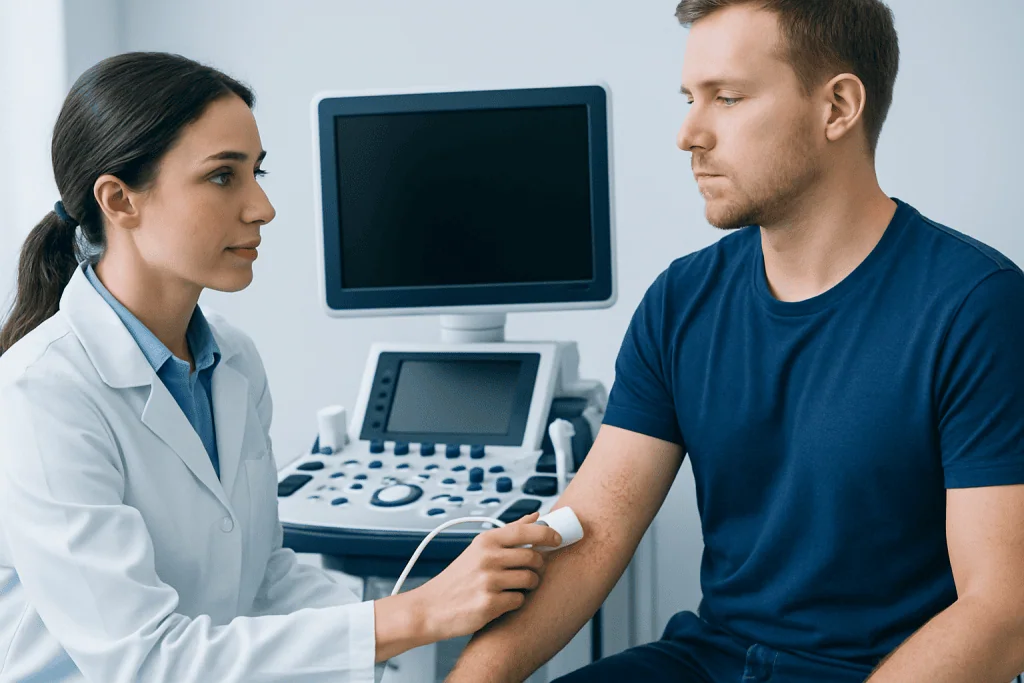
The appearance of a bacterial skin rash can vary depending on the type of infection and where it occurs. Some rashes begin as small red bumps around hair follicles, while others form crusted sores or a larger red patch that spreads. The skin may be painful, itchy, or both.
Symptoms that often suggest a bacterial cause include warmth, swelling, tenderness, yellow or honey-colored crusting, pus-filled bumps, and skin that appears increasingly inflamed over hours to days. Sometimes the surrounding skin feels tight or shiny. If the infection is deeper, the person may feel unwell or notice fever.
Common features can include:
- Redness that expands or becomes more intense
- Tenderness or pain when the area is touched
- Warmth compared with surrounding skin
- Pus, drainage, or crusting
- Small blisters or sores that break open
- Swollen nearby lymph nodes in some cases
Although itching can happen, severe pain, rapid spread, and marked swelling are more concerning for infection than for a simple irritation. Any rash near the eyes, on the face, or in a person with a weakened immune system deserves medical attention sooner.
Possible causes and common types

Several different bacterial infections can cause a rash-like skin reaction. One of the most common is impetigo, a superficial infection that often causes red sores and crusting, especially around the nose and mouth or on exposed skin. Another is folliculitis, where hair follicles become infected and develop small tender or itchy bumps.
Cellulitis is a deeper bacterial infection of the skin and soft tissues. It usually causes a red, warm, swollen area that may spread and become painful. Unlike a few isolated spots, cellulitis often appears as one enlarging patch and can be accompanied by fever or feeling generally unwell. Readers interested in deeper skin infection may find cellulitis helpful for comparison.
Other possibilities include infected eczema, infected insect bites, and boils or abscesses. A break in the skin can allow bacteria to enter, turning a preexisting rash into a bacterial one. In children, scratching itchy skin can make this more likely. In adults, shaving, friction, sweating, and poor wound care can contribute.
The bacteria most often involved are Staphylococcus aureus and Streptococcus pyogenes, although other organisms can be responsible in certain settings. The exact cause matters because treatment may differ depending on whether the infection is superficial, deeper, localized, or recurring.
Risk factors that make bacterial rashes more likely
A bacterial skin rash can happen to anyone, but some situations raise the risk. Skin that is already irritated or broken gives bacteria an easier entry point. This includes cuts, scrapes, surgical wounds, eczema, athlete’s foot, insect bites, and skin damaged by frequent scratching.
Health conditions can also increase susceptibility. Diabetes, poor circulation, obesity, and conditions that weaken the immune system may make infections more likely or harder to control. Babies, older adults, and people receiving treatments that suppress the immune system may need earlier medical review if a rash appears infected.
Environmental and daily-life factors matter as well. Close skin-to-skin contact, shared towels or razors, sports with friction, hot humid weather, and prolonged sweating can all contribute. People with recurring skin infections may benefit from review by a dermatologist to identify underlying triggers or skin conditions such as eczema that can become secondarily infected.
How doctors diagnose a bacterial skin rash
Diagnosis usually starts with a careful skin examination and a discussion of symptoms, timing, and possible triggers. A doctor will look at the pattern of the rash, whether it is crusted or draining, how quickly it is spreading, and whether there are signs of deeper infection such as swelling, significant tenderness, or fever.
In many cases, the appearance alone is enough to guide initial treatment. If there is drainage, a swab may be taken to identify the bacteria and check which antibiotics are likely to work. Blood tests are not needed for every rash, but they may be used when the person feels unwell or when a deeper infection is suspected.
Sometimes testing helps rule out look-alike conditions. Fungal infections, viral rashes, contact dermatitis, and inflammatory conditions can mimic bacterial disease. If there is concern about an abscess under the skin, imaging such as ultrasound may occasionally be used. Accurate diagnosis matters because antibiotics do not help every rash and unnecessary use should be avoided.
Treatment options and what recovery may involve
Treatment depends on the type, depth, and extent of the infection. Mild, localized infections may be treated with careful cleansing and a topical antibiotic prescribed by a doctor. More widespread or deeper infections often require oral antibiotics. If an abscess has formed, drainage may be needed because antibiotics alone may not fully clear a pocket of pus.
Good skin care supports healing. The affected area is usually kept clean, gently washed, and protected from further irritation. Crusting may soften with warm compresses if advised by a clinician. Scratching should be avoided because it can spread bacteria and delay healing. Shared towels, razors, and clothing should be avoided until the infection improves.
When the rash is linked to an underlying skin condition, that condition may also need treatment. For example, controlling inflammation in psoriasis or eczema may reduce repeated infections. In more complex cases, a specialist may consider wound care, culture-guided therapy, or procedures such as dermatology evaluation and wound care when appropriate.
Recovery time varies. Superficial infections may improve within days after treatment begins, while deeper infections can take longer. It is important to complete prescribed treatment and return for review if redness spreads, pain increases, or the skin does not begin to improve as expected.
Prevention and self-care at home
Many bacterial skin rashes can be reduced by protecting the skin barrier and treating small injuries promptly. Washing minor cuts with clean water, keeping them covered when needed, and avoiding picking at scabs can lower the chance of infection. Hands should be washed before and after touching broken skin.
People with dry, sensitive, or inflamed skin benefit from regular moisturizing and gentle skin care. Managing chronic conditions such as eczema, athlete’s foot, or leg swelling can also reduce infection risk. Shaving carefully, changing sweaty clothing, and not sharing personal items are practical steps that help in everyday life.
At home, a person should avoid self-starting leftover antibiotics or trying to squeeze boils or pus-filled lesions. Warm compresses may be soothing for some small localized infections, but worsening redness, increasing pain, or fever means self-care is not enough. If symptoms are recurrent, specialist input may help identify the cause and prevent future episodes.
When to seek medical care
Medical care is advisable when a bacterial skin rash is spreading, painful, or producing pus, especially if there is fever or the person feels unwell. Prompt assessment is also important for rashes on the face, around the eyes, on the hands, or near the genitals, as well as for anyone with diabetes or reduced immunity.
Urgent evaluation is needed if the area becomes rapidly larger, the skin turns very swollen, severe pain develops, red streaks appear, or there are signs of dehydration, confusion, or difficulty moving the affected area. These features can suggest a more serious infection that should not be managed at home.
For persistent, recurrent, or unclear skin infections, a multidisciplinary team can be helpful. Acibadem International’s specialists in skin and infectious conditions, working in JCI-accredited hospitals, diagnose and treat international patients and may coordinate further care such as infectious diseases assessment when needed.
Frequently asked questions
What does a bacterial skin rash look like?
A bacterial skin rash often appears red, inflamed, warm, and tender. It may also have crusting, oozing, pus-filled bumps, or a spreading patch of swollen skin. The exact appearance depends on whether the infection is superficial, around hair follicles, or deeper in the skin.
Can a bacterial skin rash go away on its own?
Some very mild superficial infections may settle with good skin care, but many bacterial rashes need medical assessment and sometimes antibiotics. If the rash is spreading, painful, draining pus, or associated with fever, it should not be left untreated. Delaying care can allow the infection to worsen.
How is a bacterial skin rash different from an allergic rash?
Allergic rashes are often itchy, widespread, and not usually warm or painful. A bacterial skin rash is more likely to be tender, swollen, crusted, or oozing, and it may continue to spread over time. A doctor can help distinguish between these causes if the appearance is unclear.
Are bacterial skin rashes contagious?
Some are contagious, especially superficial infections such as impetigo, which can spread through close contact or shared items. Deeper infections like cellulitis are not usually spread in the same way, but the bacteria involved can still move from broken skin or contaminated objects. Good hygiene and avoiding shared towels or razors can reduce spread.
When should someone worry about a skin rash being an infection?
Concern is higher if the skin becomes increasingly red, warm, swollen, painful, or starts producing pus. Fever, rapid spread, red streaks, or feeling generally unwell are important warning signs. These symptoms should prompt medical advice, especially in children, older adults, or people with diabetes.
What treatments are commonly used for bacterial skin rashes?
Treatment may include cleaning the area, topical antibiotics for some mild infections, or oral antibiotics for more extensive disease. If an abscess is present, drainage may be necessary. The best treatment depends on the depth of infection, location, and the person's overall health.
This article is for general information only and is not a substitute for professional medical advice. Please consult a qualified doctor about your individual situation.
Explore treatments in Turkey — costs, top hospitals & a free quote
JCI-accredited · board-certified surgeons · reply within 24h
Add us as a Preferred Source to see more of our trusted health content across Google Search, AI Overviews and Discover.

More from the Health Library

Gi Ulceration Symptoms: Possible Causes and When to Seek Care

How Long Does Abilify Take to Work? Here Is What the Evidence Says

Flu Like Symptoms: Possible Causes and When to Seek Care

Does Watermelon Make You Poop? Here Is What the Evidence Says

Can You Sweat Out a Fever? Causes, Explanations, and Next Steps